


Tune in to listen
Bounce FM

The final of the 2025 AFCON was a disappointing spectacle that marred the growing stature the continental showpiece has been gathering at a remarkable pace in recent times.
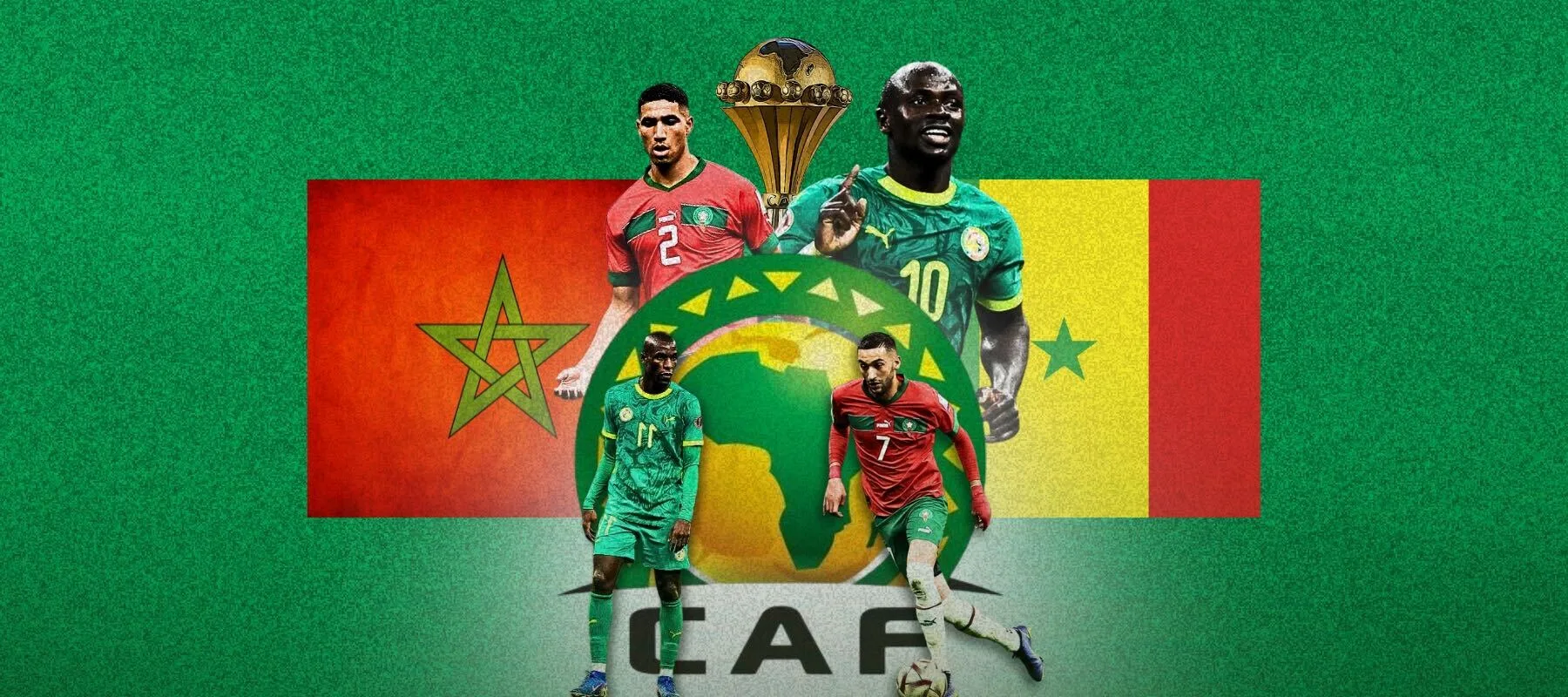
The Confederation of African Football (CAF) has made a hard (and unprecedented) decision, and it should therefore be held to even harder scrutiny. Nowhere has it been heard that a team that won the final of a major football tournament would forfeit the trophy to their opponent, more so, 58 days after the result was decided on the pitch.
CAF’s Appeal Board has now set that precedent with its flagship tournament: the Africa Cup of Nations (AFCON), by deciding to strip Senegal of the 2025 title and hand it to Morocco.
This isn’t without a good cause. The final of the 2025 AFCON was a disappointing spectacle that marred the growing stature the continental showpiece has been gathering at a remarkable pace in recent times. If anything, it climaxed a run of skewed refereeing decisions Morocco had enjoyed into the final, with the hosts awarded a highly contentious penalty deep in injury time after Senegal’s goal was disallowed. This led to protests from Senegal players, with their coach, Pape Thiaw, influencing a walkout of all the players except captain Sadio Mane.
A bit of normalcy was restored some 10 minutes later, as Senegal somehow managed to hold out for a 1-0 victory amid a backdrop of chaos, players squabbling with ball boys, after Brahim Diaz missed the penalty following the restart. The referee Jean-Jacques Ndala Ngambo blew to crown Senegal African champions, with the necessary formalities following after the earlier pause.
🚨 Senegal win their second ever AFCON title after a dramatic 1-0 extra-time victory over Morocco. Villarreal’s Pape Gueye with a brilliant winner.
Morocco’s Brahim Diaz missed an injury-time penalty to win it for the hosts dinking a Panenka straight at Édouard Mendy.
It… pic.twitter.com/Wfr6ur9yAd
— Ben Jacobs (@JacobsBen) January 18, 2026
But no genuine lover of African football excused Senegal’s behaviour, not then and definitely not now. It is why, when after one week CAF announced its decision — to suspend a couple of players and officials it found significantly complicit, issue fines to both teams, and importantly suspend Senegal gaffer Thiaw while rejecting Morocco’s petition for a forfeit — it was widely welcomed.
However, that resolution has now been abandoned, as the board, after a whopping 58 days, has announced another decision to grant Morocco the forfeit and hand Senegal’s trophy to them. Senegal has duly communicated their intention to petition CAF’s ruling at the Court of Arbitration for Sport (CAS), but while we wait to find out what that decision will be, it’s imperative to make sense of CAF’s unprecedented move.
There is no defending Senegal’s walkout; it was a clear violation of everything football stands for. In abandoning the pitch, the Teranga Lions brought African football into disrepute and inevitably invited disciplinary consequences, regardless of the underlying grievances.
It is CAF’s prerogative to enforce such consequences, and it had already begun to do so in its initial communiqué issued nine days after the incident. However, returning months later to impose fresh sanctions, particularly one that involves stripping a champion of their title, is what has sparked widespread uproar. And are they justified in doing that?
On the face of it, they are. Articles 82 and 84 of the AFCON regulations, as cited in CAF’s official communiqué, provide clear grounds for action against Senegal’s conduct. This establishes that CAF has a legitimate basis for its decision. However, doing so 58 days after is another matter entirely.
CAF’s decision is based on Articles 82, 83 and 84 of the AFCON rules and regulations.
Those articles talk about withdrawals and related matters. pic.twitter.com/6ygyxAeb2m— Nathan Quao (@nathan_quao) March 17, 2026
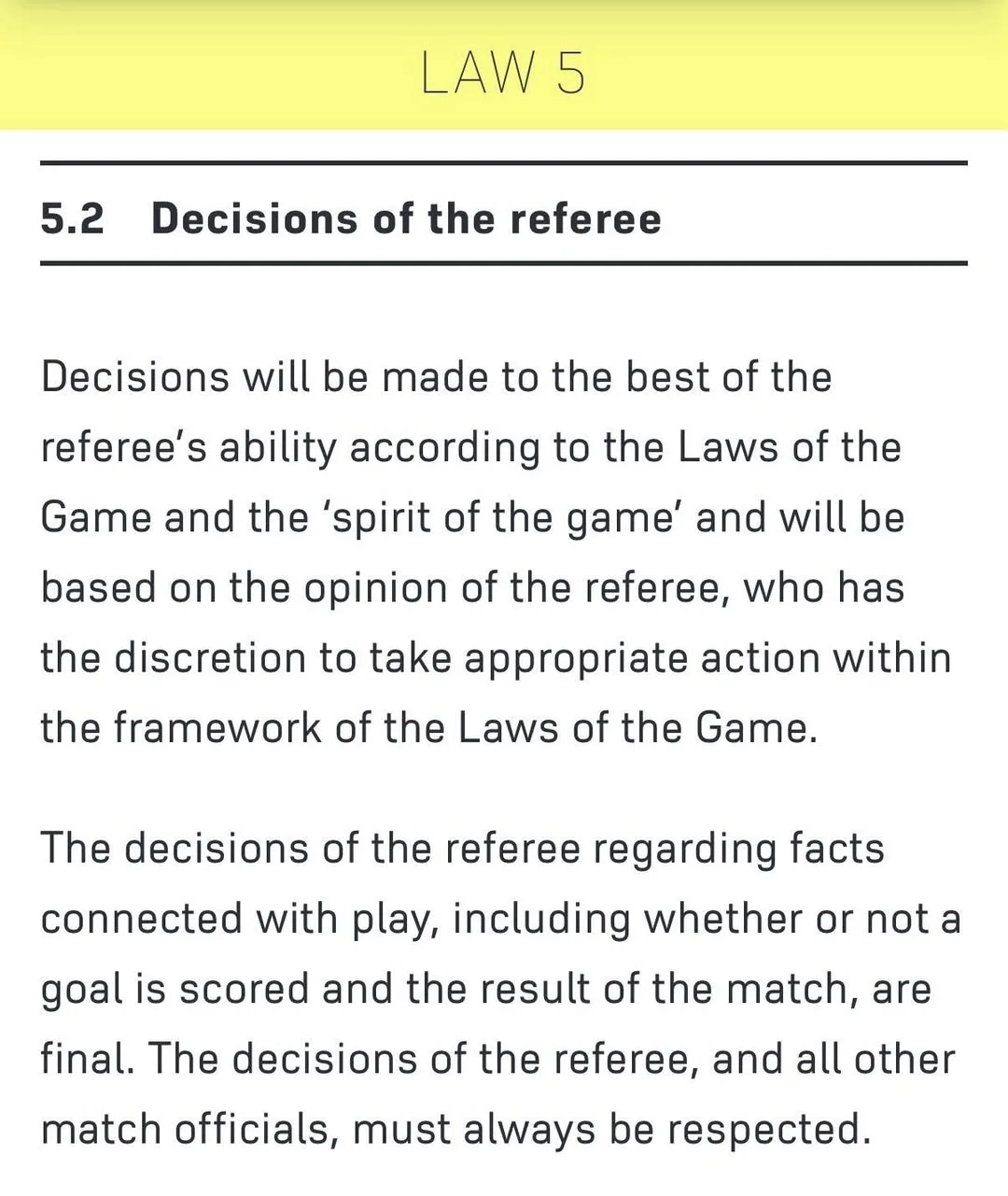
Be that as it may, the stronger argument against CAF’s ruling lies in Rule 5.2 of the International Football Association Board Laws of the Game, which upholds the referee’s authority as final during a match. The referee had the power to apply Articles 82 and 84 and award Morocco the game following Senegal’s actions. By choosing to continue the match, he effectively gave Senegal a lifeline, and it’s one they took judiciously. CAF’s recent decision to overturn the outcome is in clear breach of the Laws of the Game.
The Appeal Board could have imposed stricter sanctions without altering the result of the match. By choosing this route, the continent’s football has been further mocked, regardless of the eventual outcome of Senegal’s petition to the higher authority.
It is difficult to believe the body did not think this through, which raises an even bigger question: Was CAF’s decision influenced by its relationship with Morocco?
As contentious as this is, it is almost impossible to discuss the absurdity of CAF’s ruling without referencing its alleged pandering to Morocco. It’s a well-known fact that no country has been a greater ally to CAF than the North African nation in recent times.
However, the blatant routes CAF has been plying to do good by Morocco are worrying. Not long ago, they overlooked standout performances at the 2025 CAF Awards, particularly in the women’s category, where the players and coach of Nigeria’s Super Falcons were overlooked in favour of Morocco, who were undoubtedly second best across the year under review.
This pattern extended into the AFCON, where inconsistencies in refereeing decisions involving Morocco in the knockout stages were evident. It is a key factor that influenced Senegal’s behaviour, though it does not excuse the champions’ actions. CAF’s recent ruling has only added to the growing evidence of its favouritism of Morocco.
Beyond awarding Morocco the title, CAF also reduced earlier sanctions placed on Moroccan representatives. It is therefore a difficult position to rationalise for the football body. Interestingly, it comes at a time when there have been reports of a strained relationship between CAF and Morocco after Morocco withdrew from hosting WAFCON 2026.
BREAKING: Morocco’s fines for violations in the 2025 AFCON final have been reduced by the CAF
Ismaël Saibari’s $100,000 fine has been canceled. His 3-game suspension has been reduced to 1 CAF game.
Ball boys’ fine reduced to $50,000
Morocco’s laser fine reduced to $10,000. pic.twitter.com/89DYmWGrQG
— Nigeria Stories (@NigeriaStories) March 18, 2026
It is a difficult position to be in, but the decision has only made it more complicated for CAF and for African football as a whole. Senegal’s response is already gathering momentum, with calls from multiple quarters, including the Senegalese government, for a formal investigation into the governing body. Ultimately, it’s an unfortunate reality that whichever way the hammer of justice falls, the damage has already been done.