



Tune in to listen
Bounce FM

Most people do not know their senator or representative. Even those who do know one or both lawmakers usually don’t know how to reach them.
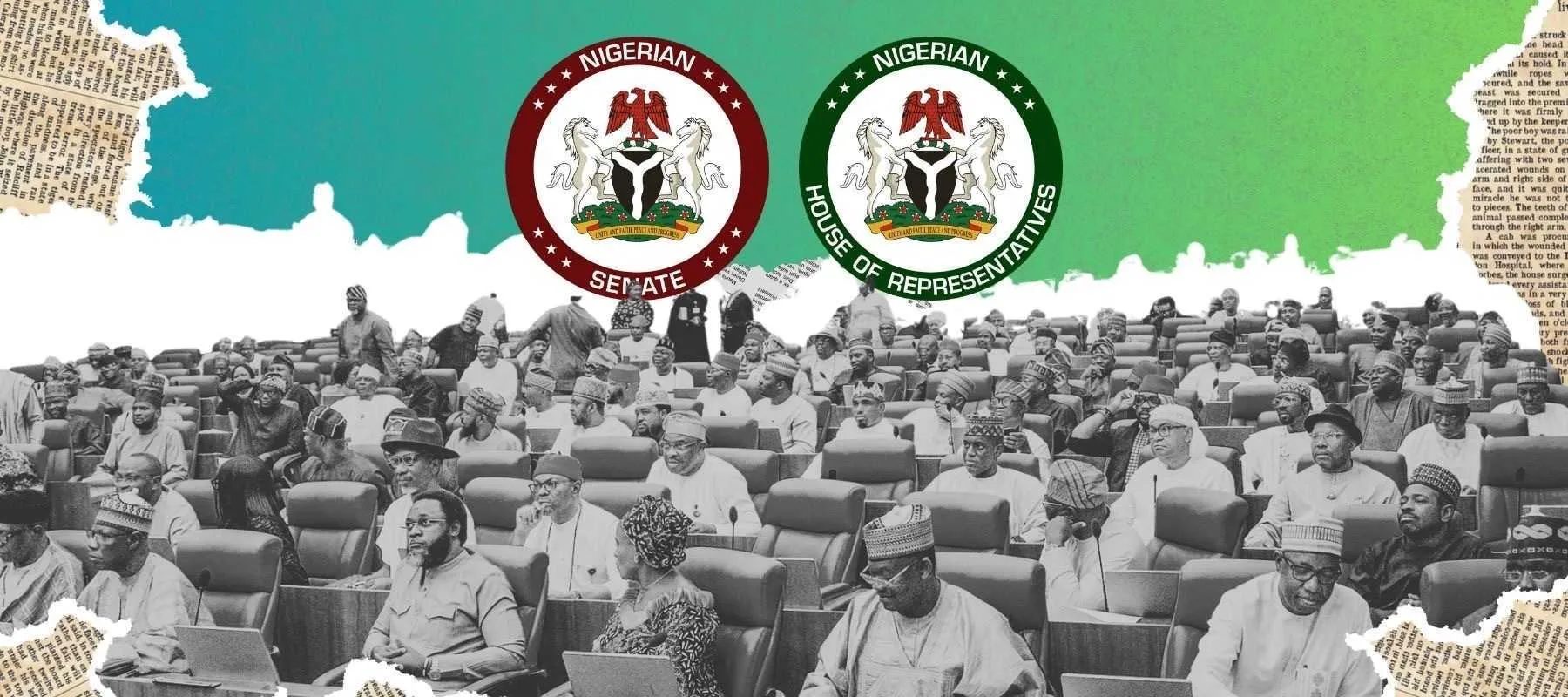
One of the most important civic duties of a citizen is holding public officials accountable, but how do you hold them to account if you do not even know them or their names? This is the situation many young Nigerians who are disenchanted with the political process find themselves in. Most know neither their senator nor their member of the House of Representatives.
In functional democracies, constituents contact the offices of their lawmakers to report issues and receive responses to their concerns. But that is rarely the case in Nigeria, according to a BSide survey of random Nigerians living in different parts of the country. Most people do not know their senator or representative. Even those who do know one or both lawmakers frequently don’t know how reach them.
Sharon, an Ibadan resident, says she doesn’t know either her senator or her representative. Likewise, Samad and Tosho, both Lagos residents, said they do not know the names of their lawmakers. However, Posi, another Ibadan resident, says that while he doesn’t know his senator, he knows his representative. For Tosin, it’s the opposite: while he knows his senator, he doesn’t know the person representing him in the House of Representatives.
Notably, only two respondents out of seven — Ramadan, an Abuja resident, and Olawale, a Lagos resident — know the names of both their lawmakers. But even they could not definitively say when their representatives in the National Assembly last held a town hall or constituency meeting.
A town hall is a meeting often organised by a representative to engage with constituents on matters of public interest. But the BSide survey found that this important practice is rare in constituencies across Nigeria. While Olawale doesn’t know when either his senator or representative last held a town hall, Ramadan said, “I think my Reps member did one [town hall] like two years ago.” Posi, however, said his representative held one in the first quarter of 2025. The other four respondents said they were not aware of their senator or representative ever holding a town hall.
Naturally, constituency meetings offer constituents the opportunity to hold their representatives accountable for their actions in the National Assembly. For example, it is at meetings like these that a constituent can demand an explanation why a lawmaker voted the way they did on a resolution or bill. But Nigerians hardly enjoy that luxury, because their lawmakers essentially have no voting record that their constituencies can access — as is the process in democracies like the United States.
The National Assembly is known for deploying voice votes for most decisions. Aside from the Senate briefly flirting with electronic voting in 2016, and the House doing the same in 2022, lawmakers generally vote with their voices, making it almost impossible to identify or record the position of each member. In this practice, the louder voices carry the vote, but it isn’t unusual for presiding officers in the Senate or House to rule in favour of the minority, depending on the outcome they want.
Situations like this not only pervert democracy but also erode any real prospects for accountability. For example, four of the BSide respondents do not know what their lawmakers vote for, so there’s no way to hold them accountable through their voting records. The other three could not say for sure what their representatives vote for, but they believe it is usually in line with their party’s directives. In these cases, constituents can’t tell whether their representatives vote based on principle, ideology, or in line with their campaign promises.
This disconnect between lawmakers and the people they represent reveals a troubling reality: many Nigerians are politically invisible in the eyes of their own representatives. In such a system, it’s no surprise that many Nigerians feel alienated from governance and disillusioned by politics. If representatives are neither seen nor heard, and their actions in office remain largely undocumented or unexplained, it is hard to imagine them truly representing anyone.
So, take a moment. Do you know who your senators and House of Representatives members are? More importantly, do you know what they vote for?