



Tune in to listen
Bounce FM

The new generation of Black voices who aren’t relying on institutional validation or Western approval.
For decades, Black cultural influence has been discussed in retrospect. From music, fashion, film, and sports, Black people have fought their way within institutions and challenged the status quo to become global voices and cultural powerhouses. And hence, we didn’t just archive their milestones in history’s books; we celebrated them, immortalising their achievements during every Black History Month.
But while we’re still retelling the past, a new wave is quietly redesigning the future. A new generation of Black voices who aren’t relying on institutional validation or Western approval. They are leveraging platforms, capital, global audiences, and digital ecosystems to build influence in a world where the odds are stacked against Blacks.
That’s what Black Future Month chooses to recognise. Beyond the nostalgic imprints this month invigorates, this is a moment to acknowledge Black architects reshaping global culture. From TikTok dominance to fashion and beauty, cinema to design, Black creators are no longer waiting to be included in global pop culture; they engineer it. And these are the forerunners changing the game in this Black Future Month.
From directing campaigns for Gucci, Mulberry, and Louis Vuitton to making history at Cannes with his debut feature, My Father’s Shadow, Akinola proves to be a voice that would stand the test of time in the global film industry.
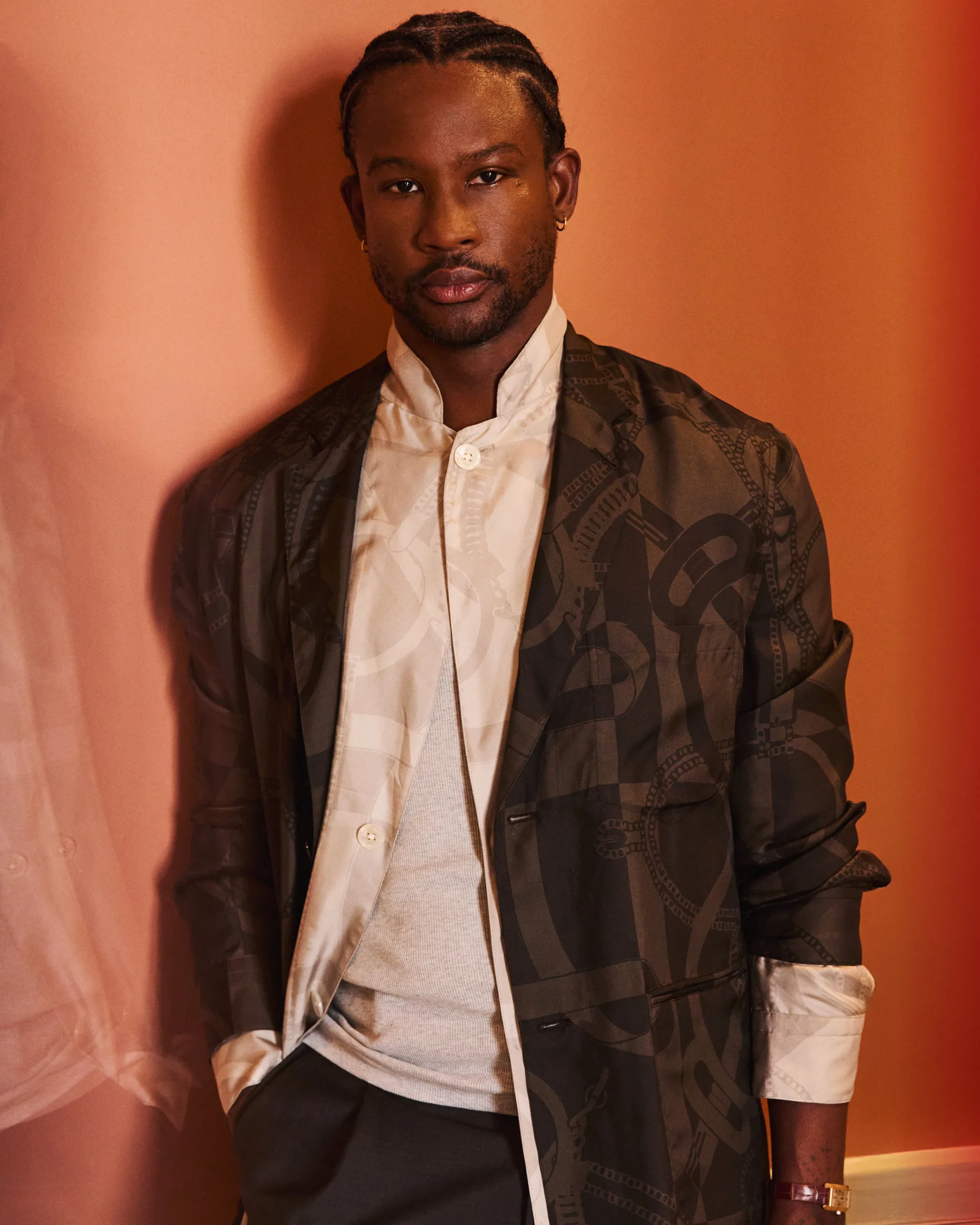
In 2020, his short film Lizard, inspired by his childhood in Nigeria, won the Grand Jury Prize for Short Film at the 2021 Sundance Film Festival and received a nomination for Best British Short Film at the 2021 BAFTA Awards.
Alongside his brother, Wale Davies, the duo are shaping the next chapter of African cinema. After his feature film, My Father’s Shadow, became the first Nigerian fiction to be officially featured at the Cannes Film Festival in France, the filmmaker made history again on February 25, 2026, by securing the BAFTA for Outstanding Debut by a British Writer, Director or Producer. The film has also received a Gotham Independent Music Award.
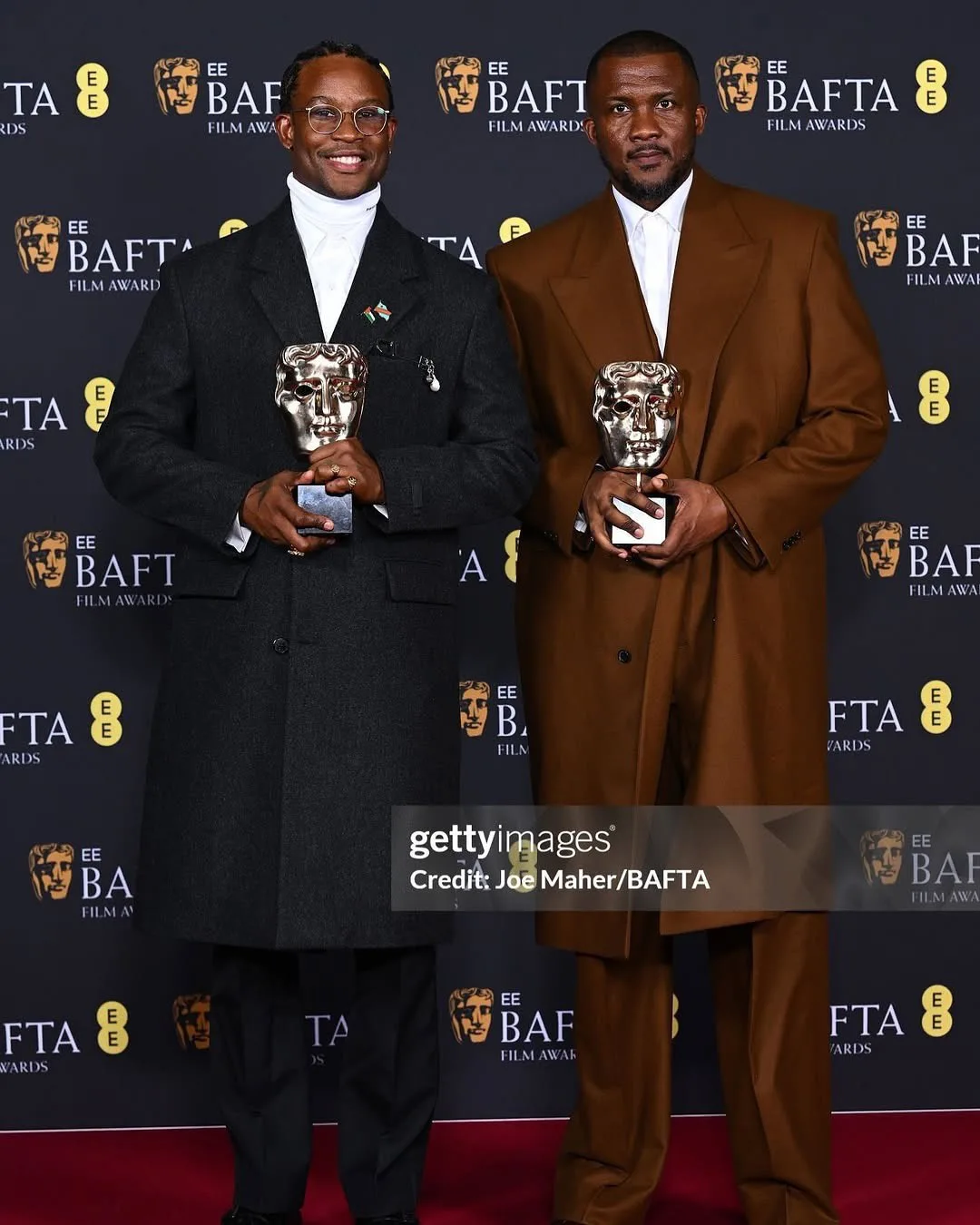
His films contribute to a broader African creative renaissance that prioritises visual storytelling rooted in culture. In a global era dominated by streaming content, Akinola Davies Jr. has carved a lane through short films and high-concept visual storytelling.
In the beauty and skincare industry dominated by Western founders, Nigerian-American entrepreneur Olamide Olowe refuses to be left out of the conversation. As the founder of Topicals, Olowe is using the skincare brand to prioritise clinical efficacy and mental health.
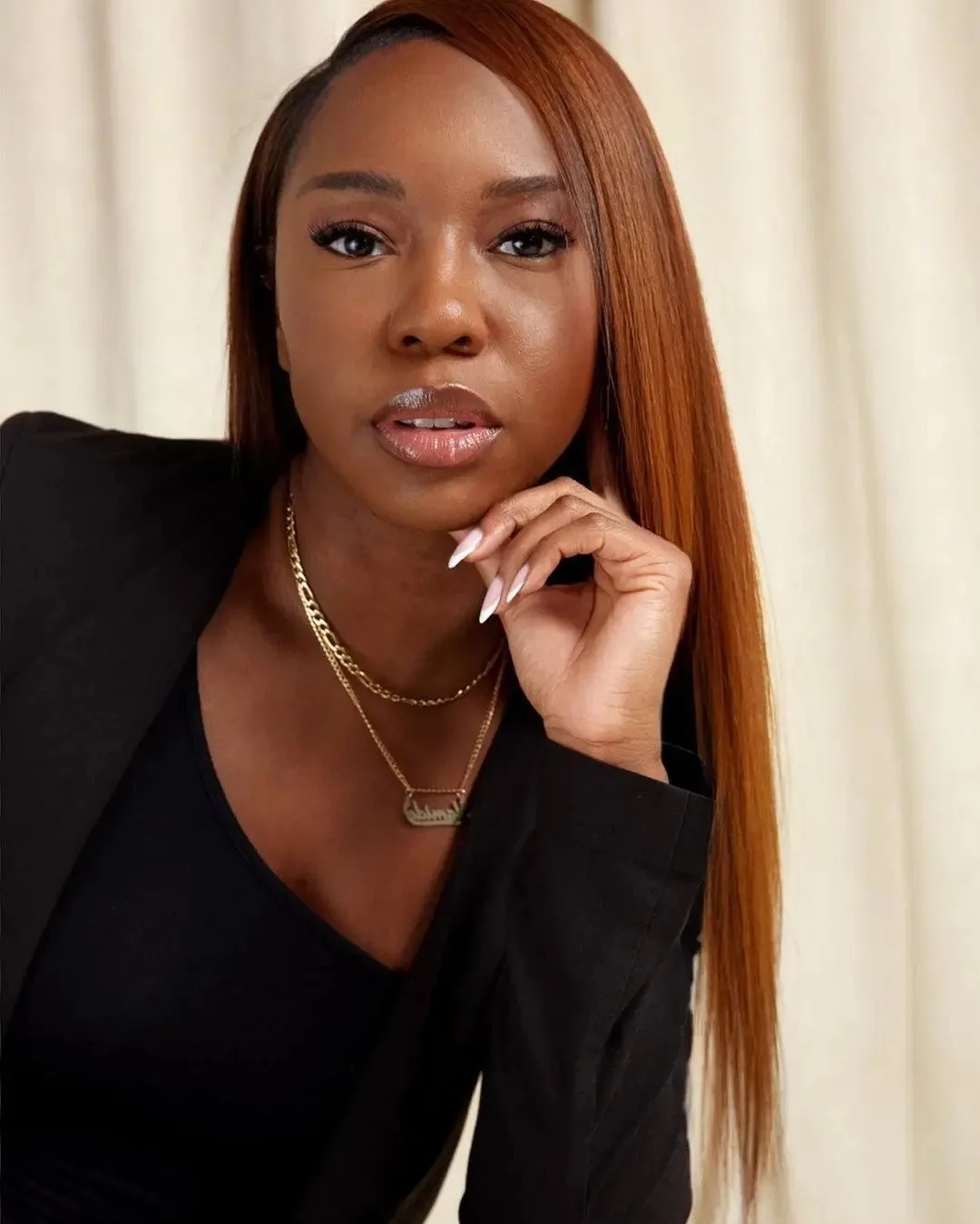
Having identified a major gap in treating skin conditions like hyperpigmentation and eczema, she founded Topicals to help transform traditional medicated products into bold, visible staples. And has since grown the brand into an internationally recognised company.
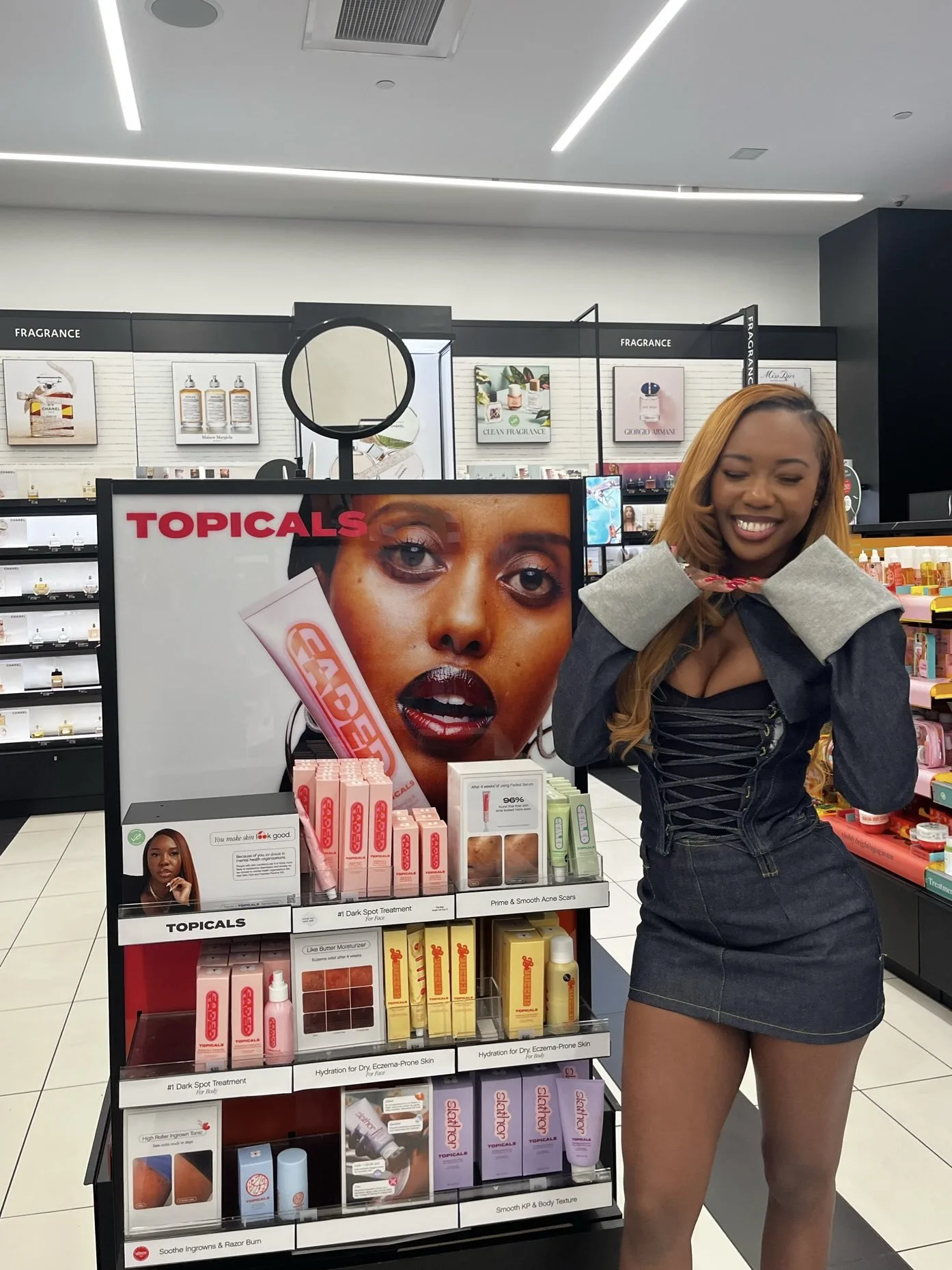
From launching in 2020 to becoming the youngest black woman to raise $10 million in venture capital in 2022, and, in early 2026, securing over $22 million in funding, Olowe is redefining inclusivity in the global beauty industry. And recently acquired haircare brand Bread Topicals.
Her company is also backed by noteworthy investors, including Jay Z’s Marcy Venture Partners, Rema, Kelly Rowland, Gabrielle Union, and Angel Reese. Using 1% of its revenue, the company donates to mental health groups like Therapy for Black Girls and related non-profits. Olowe’s impact has earned her a spot on the Forbes 30 Under 30 list.
Fashion photography has often historically filtered Black identity through Western lenses. Daniel Obasi disrupts that.
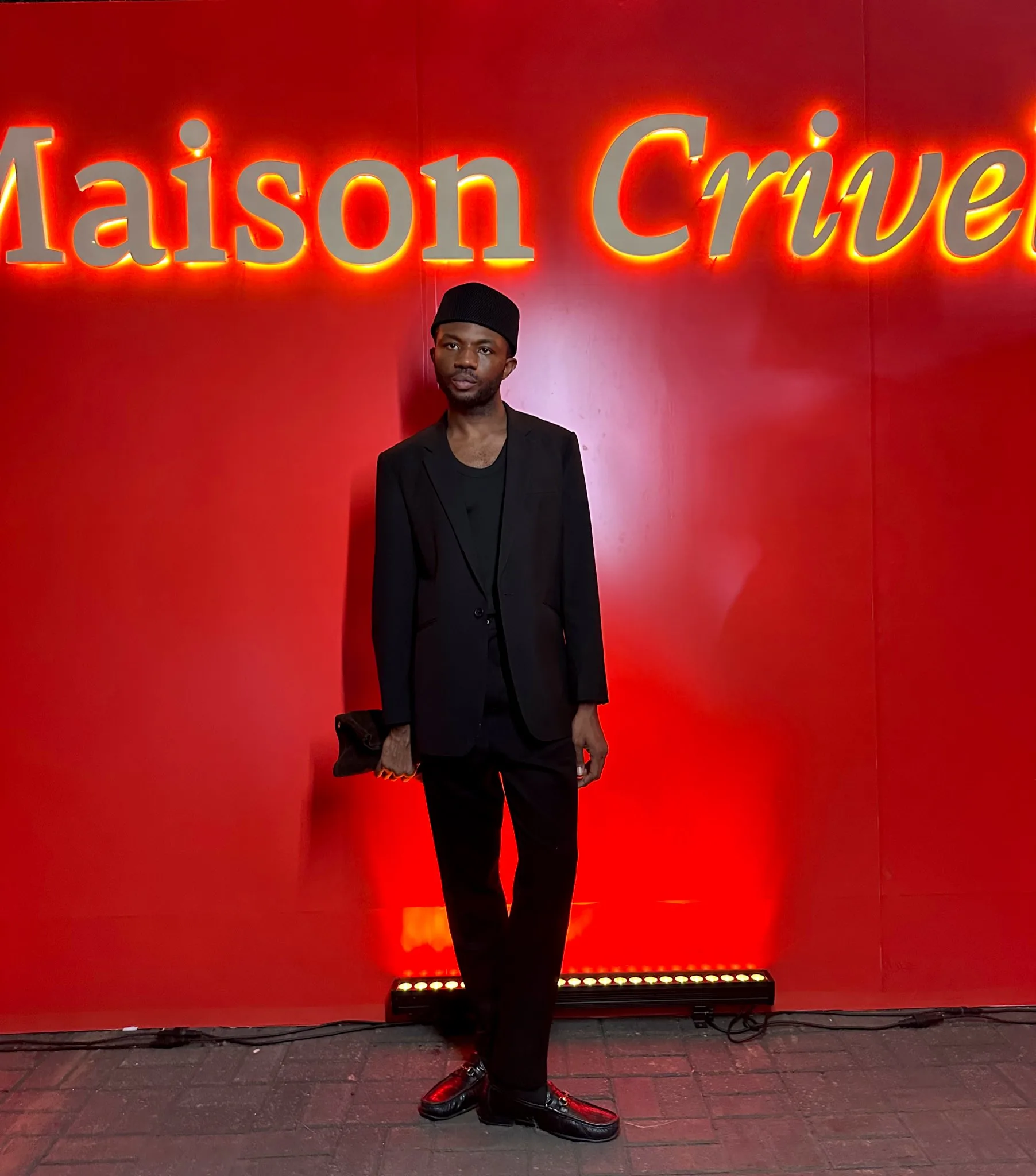
Daniel Obasi has built a globally recognised career as a fashion photographer and visual artist, shooting for major international publications like Vogue, i-D, Dazed, and GQ. His work has also been commissioned by luxury fashion houses such as Gucci and Valentino, placing him within the upper echelon of global fashion imagery. Beyond editorials, his exhibitions have translated his visual language into fine art spaces, expanding his reach in both the commercial and artistic spheres.
Obasi has reshaped how Black masculinity and queerness are represented in African visual culture. His 2018 exhibition, An Alien in Town, became a defining moment in Lagos’ art scene, presenting intimate, fluid portraits that challenged conservative narratives. His cinematic, emotionally layered aesthetic has since influenced a new wave of Nigerian photographers and stylists.
Album covers I have been blessed to create over the years 🌹
Rare – Odunsi 2018
Evil Genius – Mr Eazi – 2023
No Sign of Weakness – Burnaboy – 2025The secret is to surrender to the process. pic.twitter.com/JllVsonZHl
— DANIEL OBASI (@iamdanielobasi) July 15, 2025
Obasi’s photography expands the visual vocabulary of Black identity. He foregrounds queerness, softness, vulnerability, and theatricality — narratives often sidelined in African representation. He isn’t just documenting culture. He’s helping reshape it.
Industrial design from Africa rarely makes mainstream headlines despite how it shapes how we live. Nifemi Marcus-Bello represents that change, an Africa, designing its own solution. His furniture and design objects interrogate production systems in Nigeria, working primarily with aluminium and local fabrication processes.
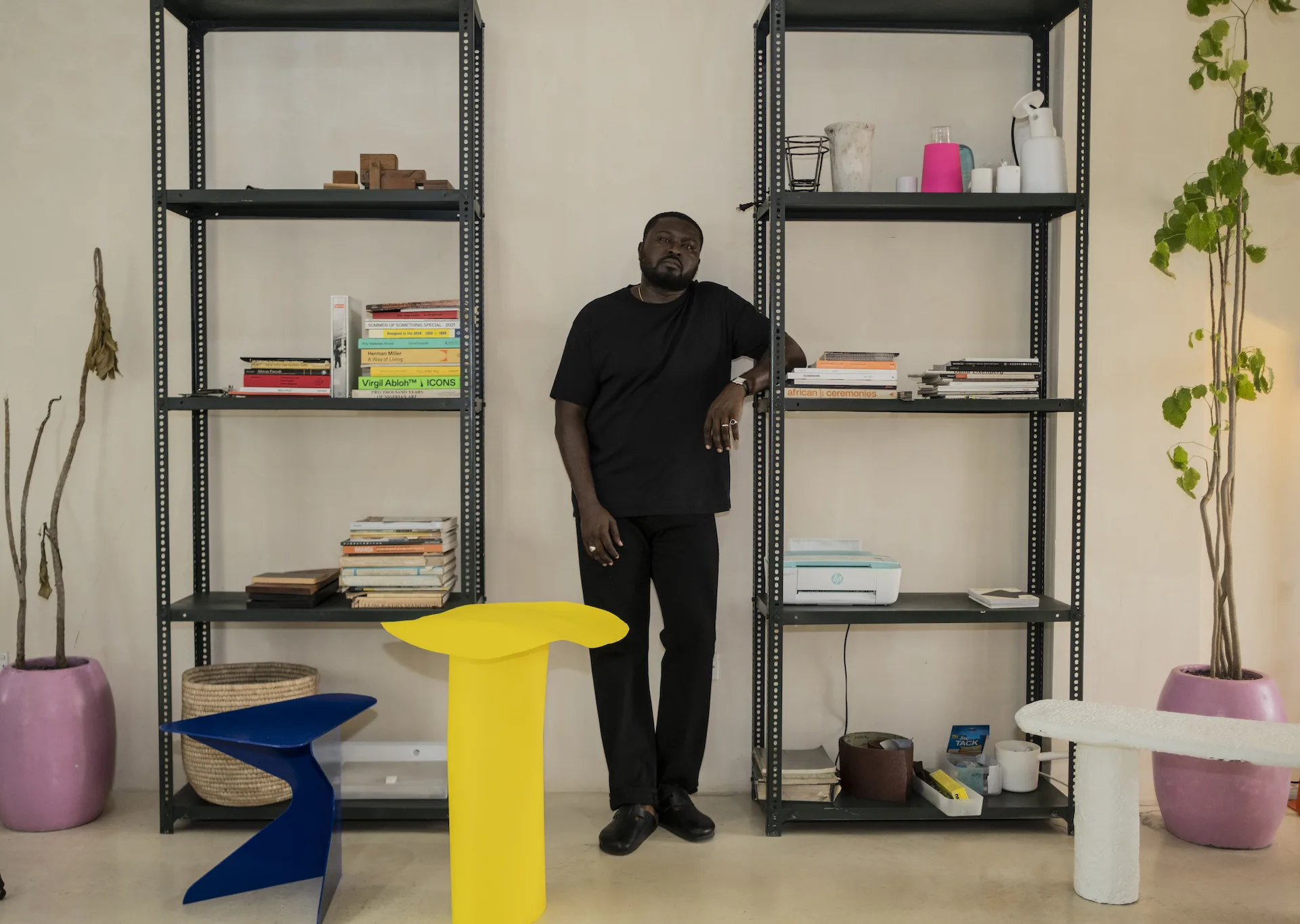
His work has been exhibited internationally, positioning Nigerian industrial design within global contemporary conversations. His work and contributions are housed in some of the most prestigious institutions, including The Museum of Modern Art, New York; The Brooklyn Museum, New York; The Los Angeles County Museum; The Art Institute of Chicago; The Design Museum, London, amongst others.
We are thrilled to announce that artist Nifemi Marcus-Bello was awarded a Special Mention at the LOEWE FOUNDATION Craft Prize 2025 for the piece ‘TM Bench with Bowl’. Architect Patricia Urquiola presented the prize at a ceremony held in Madrid.
The works by all 30 finalists are… pic.twitter.com/xGibzMz5qd
— LOEWE (@LoeweOfficial) May 30, 2025
His achievements span solo exhibitions at Design Miami, where he received the 2023 Curator’s Choice: Design for Good Award, and being among the finalists for the Loewe Prize 2025 for his reclaimed aluminium work, ‘TM Bench with Bowl.’
In a fast-paced digital era driven by voice and language, Khabane Serigne “Khaby” Lame is speedily rewriting the dynamics. The Senegalese-Italian creator has risen to become a global voice on social media by making silence a universal language.
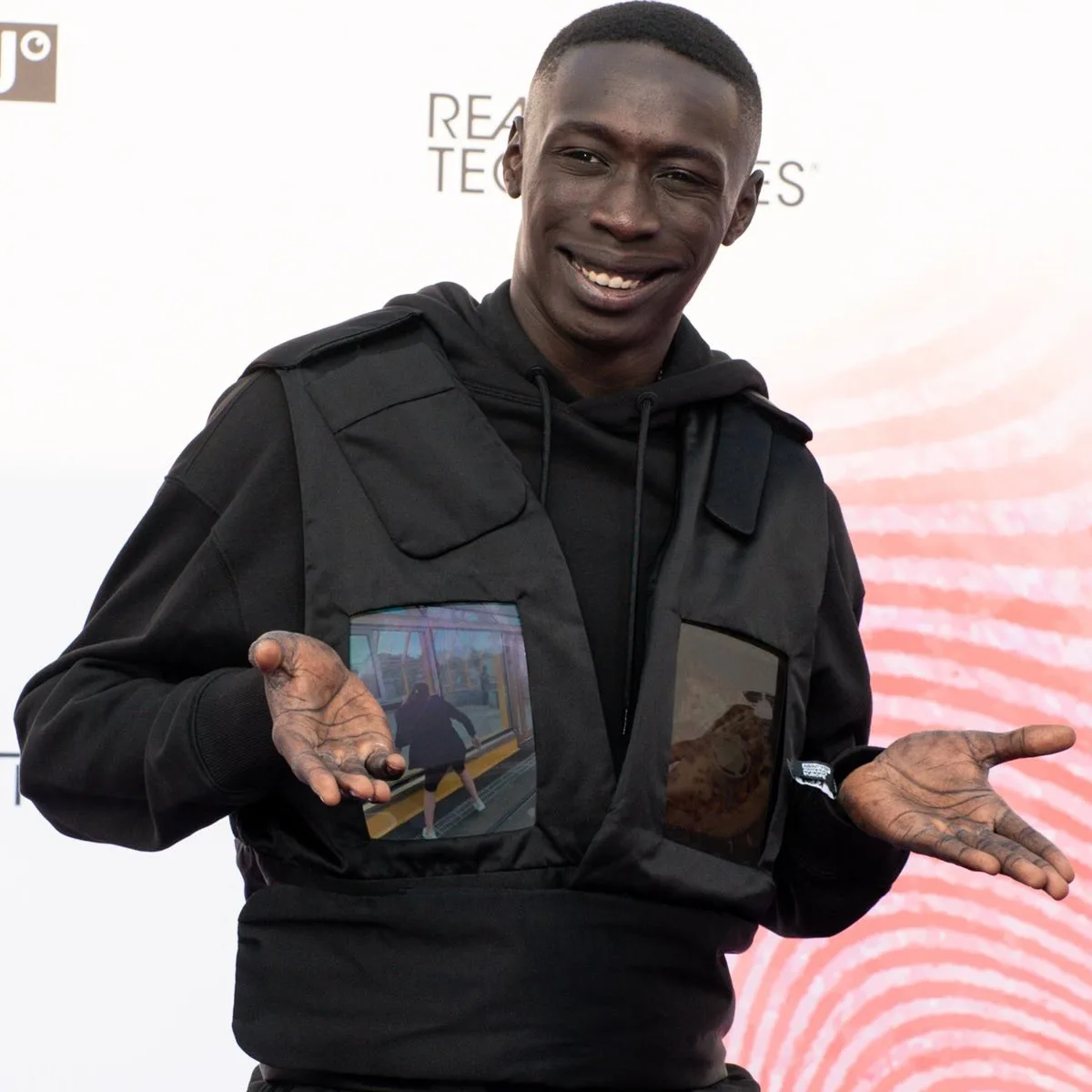
With over 160 million followers on TikTok at his peak, Lame has become TikTok’s most-followed creator without speaking. His famously silent reaction videos dismantling overly complicated “life hacks” turned simplicity into global comedy currency.
This catapulted him to great heights, including becoming one of the highest-earning TikTok creators globally and landing roles in mainstream entertainment and film. In 2022, he was listed in Fortune’s 40 Under 40 and Forbes’ 30 Under 30.
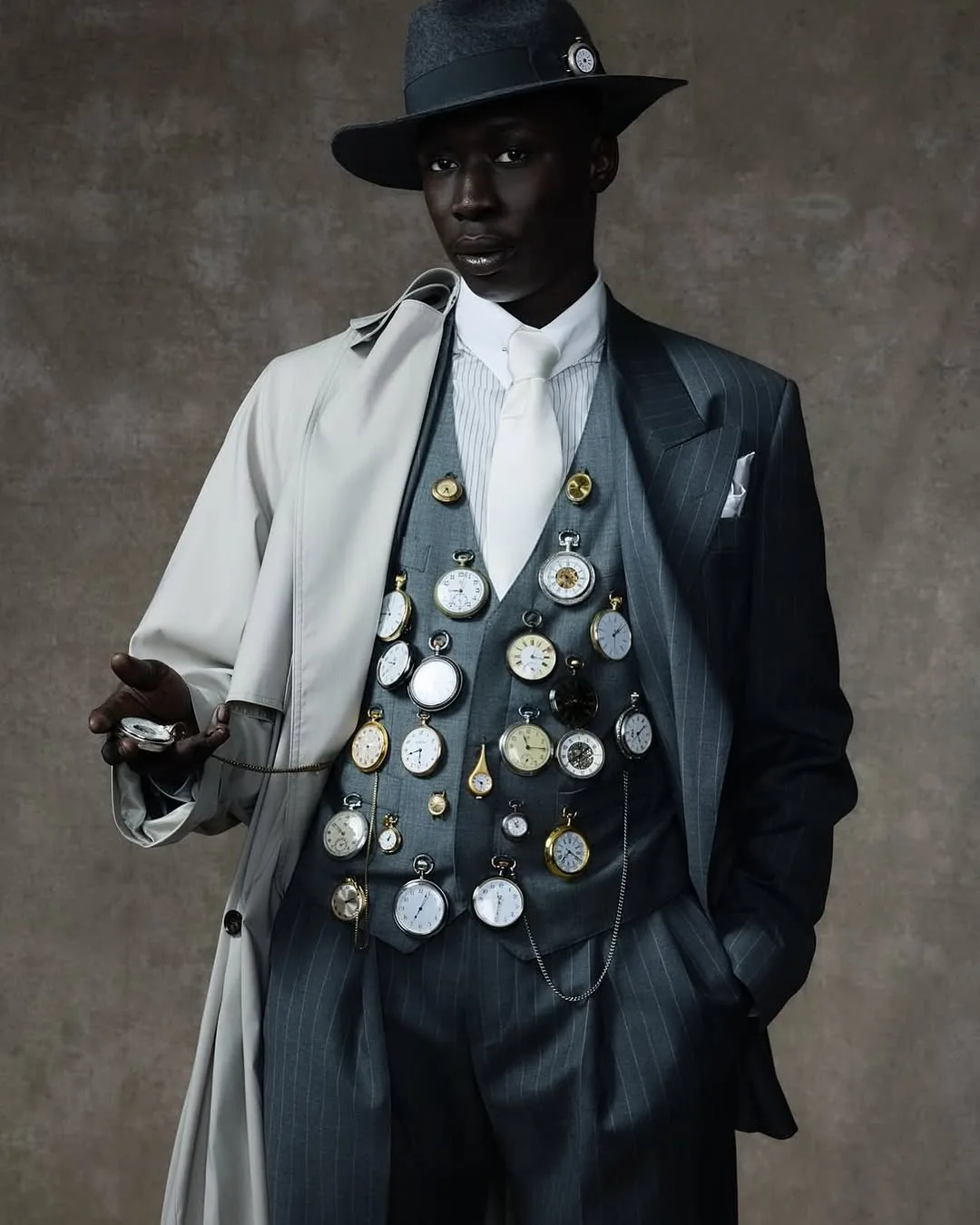
Aside from securing a multi-year partnership with Hugo Boss in January 2022, the 25-year-old also landed one of the biggest tech deals through his e-commerce live-streaming firm, Step Distinctive Limited. In January 2026, in an all-stock deal valued at $975 million, Lame sold a significant stake in the company to Hong Kong-based Rich Sparkle Holdings, forming a global acquisition and strategic partnership.
From having laid off during the COVID-19 pandemic to becoming a global cultural influence, Khaby represents a shift in global power dynamics. An African-born creator dominating the globe without altering his identity.
In the past, black filmmakers in Hollywood struggled to attain prominence and relevance like their counterparts. But when the BAFTA-winning film Sinners was released, it was clear that black filmmakers weren’t just the present but the future.
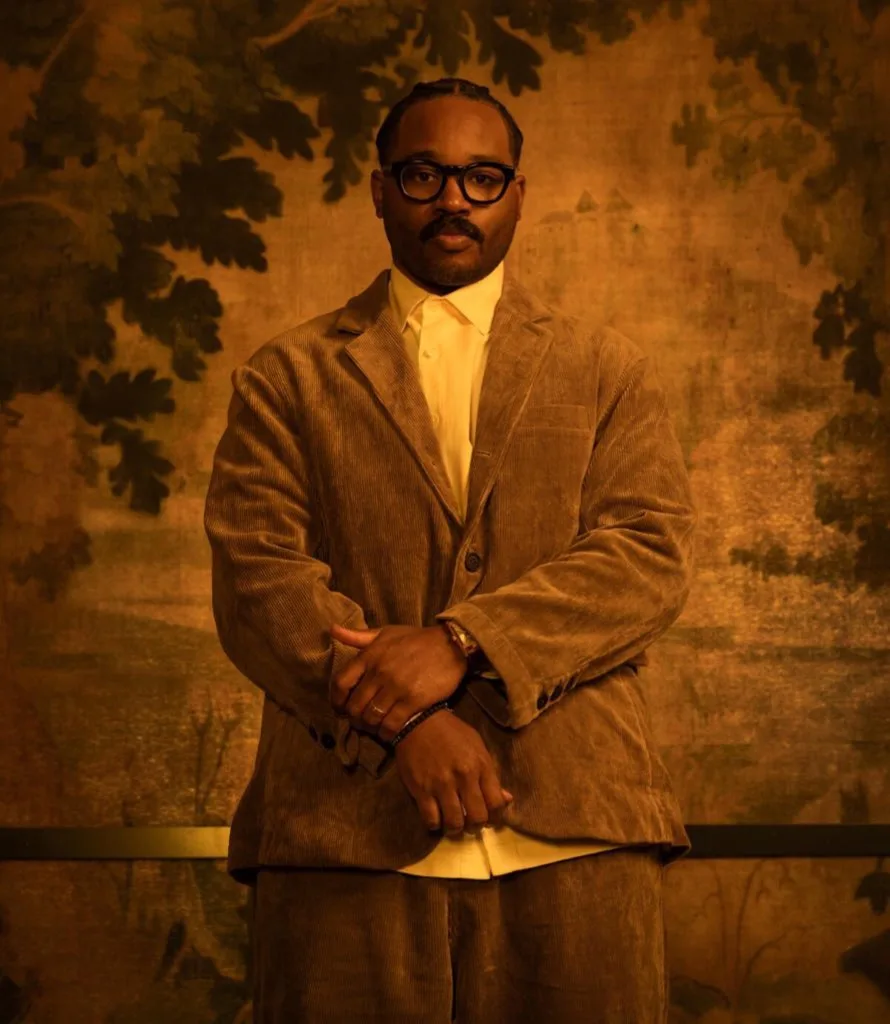
So when Ryan Coogler also directed Black Panther, which crossed $1.35 billion at the global box office, it wasn’t just a Marvel win. It was a cultural recalibration. Coogler turned Wakanda into a mainstream film.
Before that, Coogler directed Creed, revitalising the legendary franchise and grossing over $500 million worldwide. He has consistently proven that Black-centered storytelling can be commercially dominant.

From his early days as a filmmaker with the release of the award-winning Fruitvale Station, the multi-billion-dollar box-office director has ascended to become one of the most prolific filmmakers on the global stage. His recent release of the critically acclaimed film Sinners cemented his place in history. The film grossed $1.2 billion and received prestigious awards, including the Best Director and Best Writing at the NAACP Image Awards. He became the first black man in BAFTA’s 77-year history to receive the award for original screenplay, while securing other awards for musical score and Wunmi Mosaku’s supporting actress performance.
Coogler’s work as a filmmaker and writer reframed black narratives from trauma-centred to power-centred.
Global Streetwear brands have always borrowed from Black culture. Ghanaian-founded street wear brand Free The Youth flips that equation. The luxury fashion brand has brilliantly changed the narrative from being “inspired by Africa” to Africa exporting its aesthetic on its own terms.
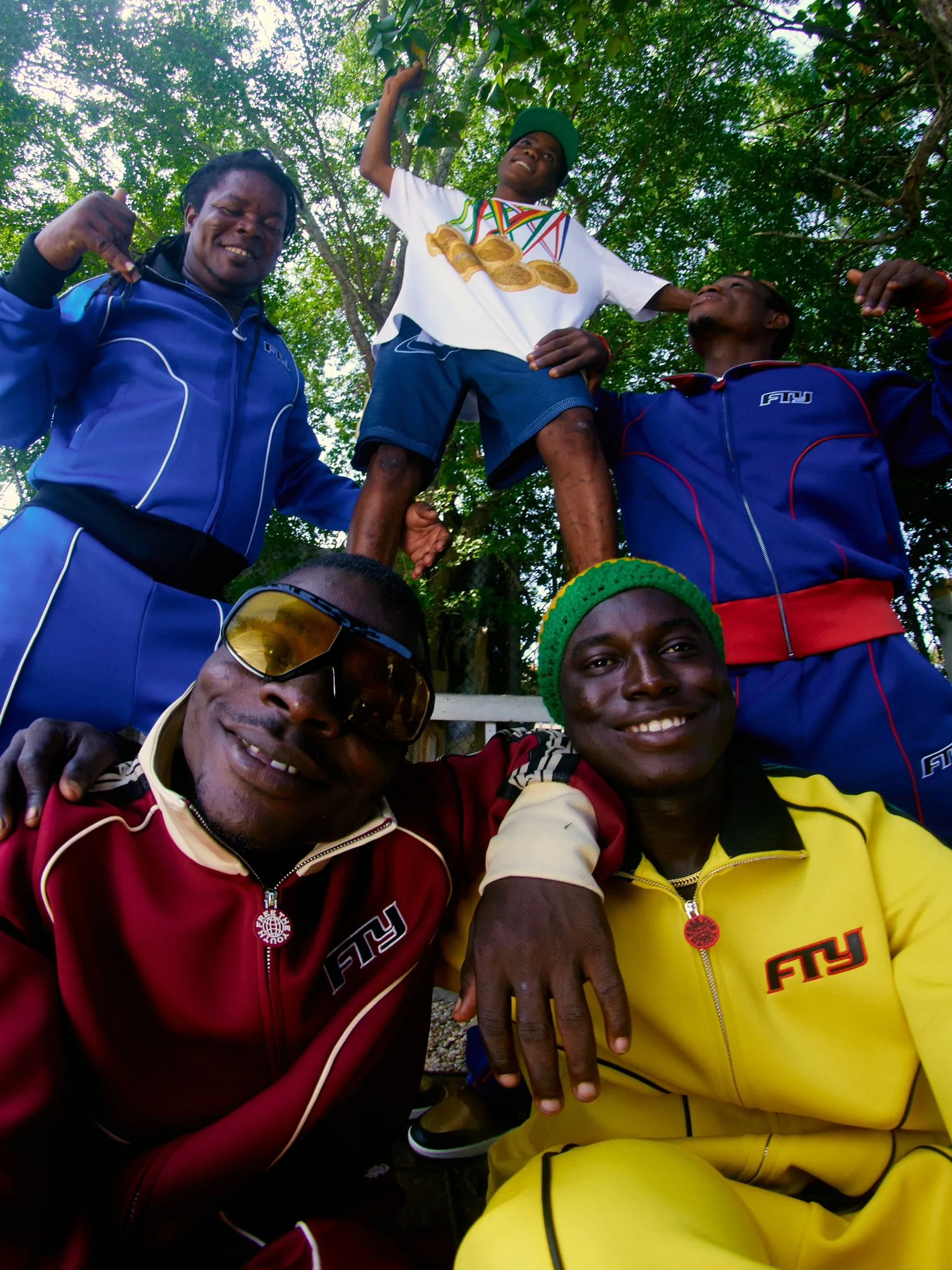
The fashion brand merges bold Pan-African messaging with contemporary silhouettes and high-quality production. Free The Youth’s wide acclaim has spanned beyond the continent, and in international fashion conversations.
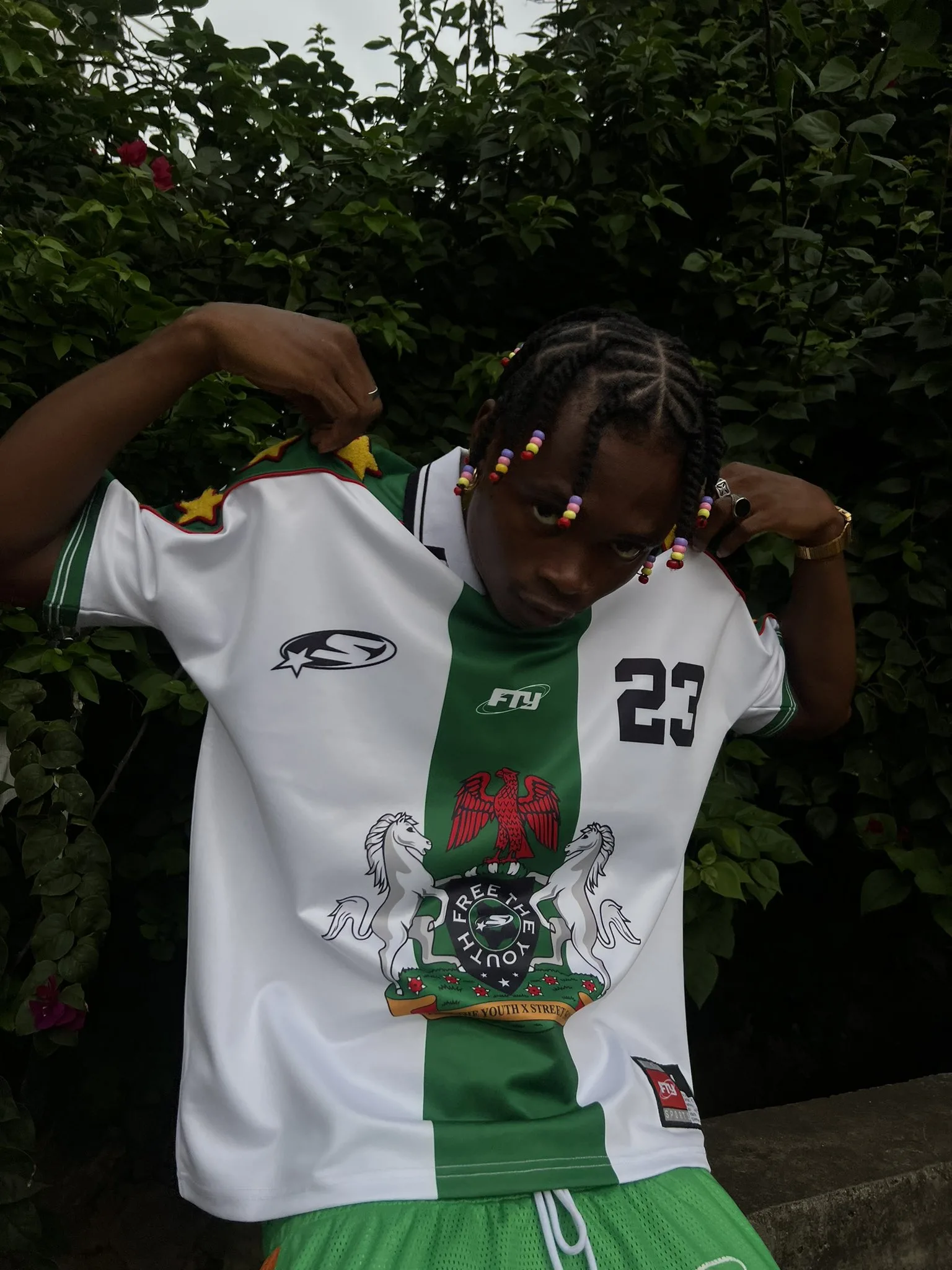
Its commercial success has opened doors to international distribution, a global customer base, celebrity endorsements, and cross-border recognition through independent African brand scaling.
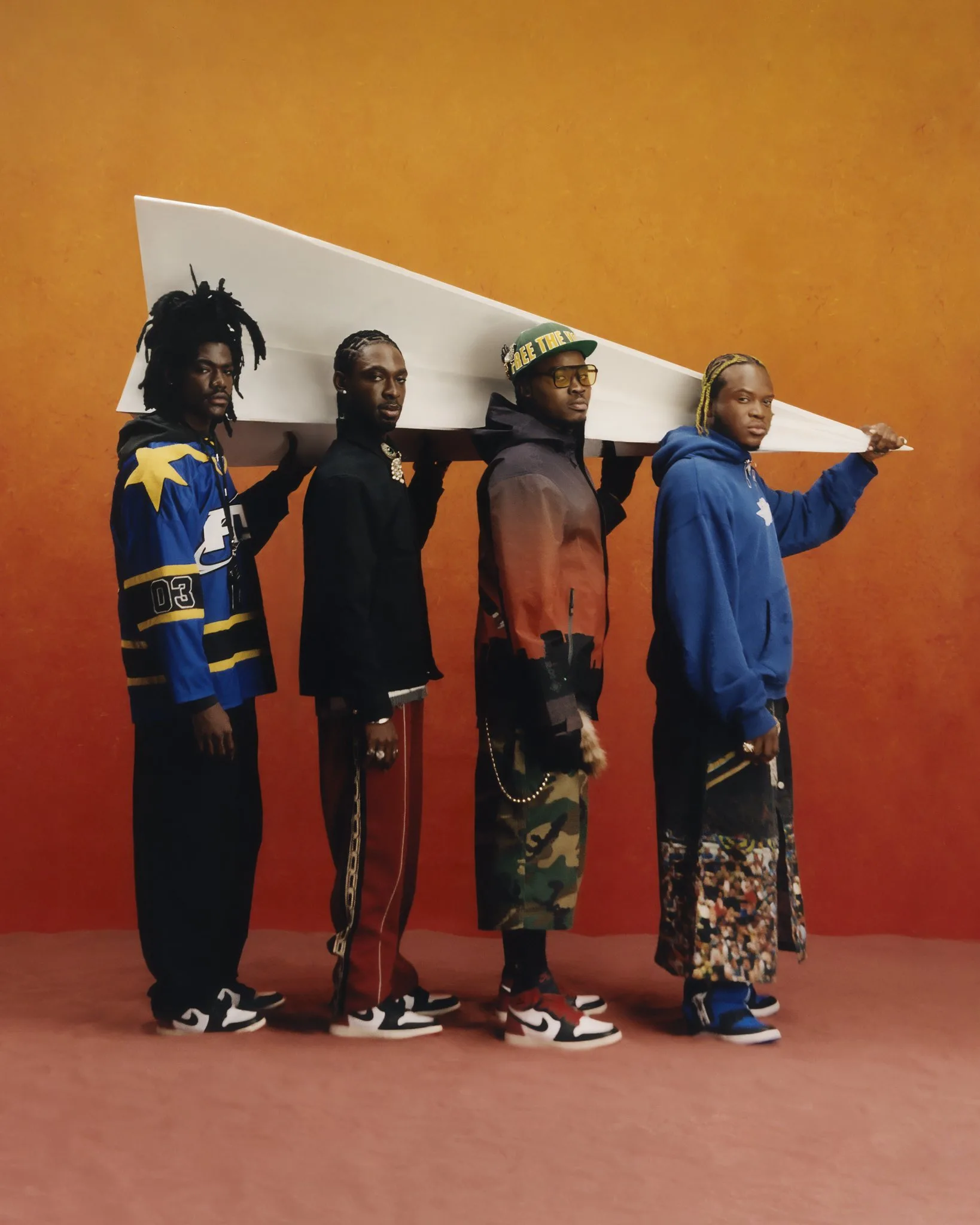
Free The Youth represents sovereignty in fashion in an era where African brands are not diaspora side notes but primary players in the global streetwear ecosystem.
These voices have become cultural landmarks across the creative and tech industries, cementing their names in the hall of fame of history.