


Tune in to listen
Bounce FM

When KSI buys into a club, conventional wisdom says it is more than a random wealthy individual investing in a sport he grew up loving.
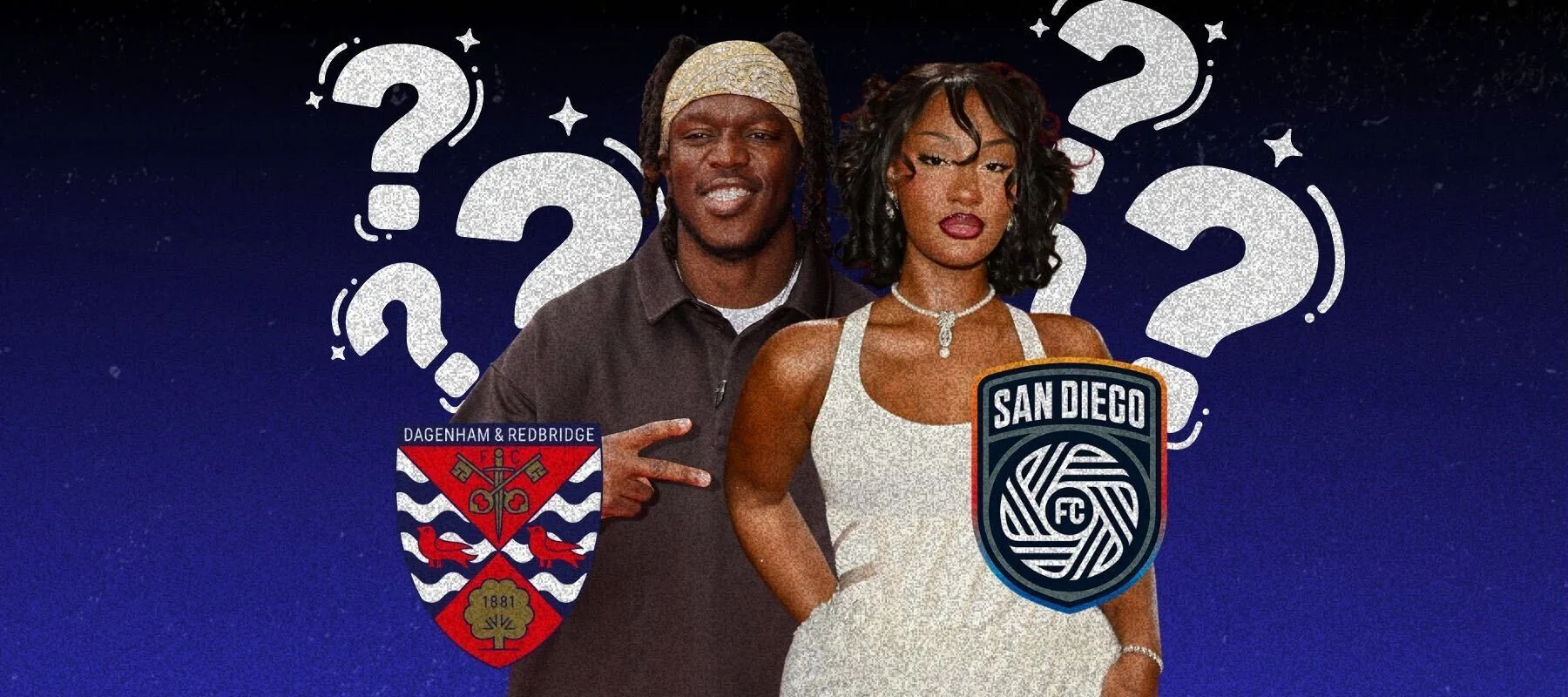
YouTuber KSI is the latest internet figure and celebrity to venture into football investment, having announced his purchase of a minority stake in Dagenham & Redbridge, an English club currently sitting mid-table in the National League South, the sixth tier of English football.
The 32-year-old, born Olajide Olatunji in London to parents of Yoruba heritage, joins former England forward Andy Carroll in owning shares in the club, after the 37-year-old joined the National League South side as a player at the start of the season.
“With this club, I want to do the unthinkable. I want to take Dagenham and Redbridge to the Premier League,” KSI said in a video announcing the move.
“It’s obviously going to take time, but in realistic stages, getting out of this league and entering the National League. We need to improve the team.”
Internet star KSI has HUGE ambitions for National League South side Dagenham & Redbridge, who he recently purchased a 25% stake in 🤯🏆🔜 pic.twitter.com/SsrTusf5lb
— OneFootball (@OneFootball) March 5, 2026
Ambition of that scale is not unusual in football. What is increasingly notable is who it is coming from. In recent years, popular internet figures and entertainment personalities have echoed similar aims after investing in lower-tier leagues.
When Hollywood stars Ryan Reynolds and Rob McElhenney took over Wrexham in 2021, a team drifting aimlessly four tiers below the Premier League at the time, the early scepticism focused on novelty even after Reynolds shared his plan to elevate Wrexham to a “global force” during an online session with the club’s fans.
“Our goal is to grow the team, return it to the English Football League in front of increased attendances at an improved stadium, while making a positive difference to the wider community in Wrexham,” he said.
Over five years later, there are conspicious evidences of substantial change in Wrexham’s fortunes, defined as much by the expansion of its media value as by its rapid promotions up the English football pyramid.
Wrexham’s story has led to record-breaking TV deals & the eyes of the world on the lower leagues.
But another promotion has led to criticism & questions from fans & owners of other clubs.
What harm is the Wrexham ‘fairytale’ doing to football?
— The Athletic | Football (@TheAthleticFC) April 16, 2024
Tems joining the ownership group at San Diego FC last year is another interesting example. The Nigerian Grammy Award-winning musician, born Temilade Openiyi, joined the group as the club looks to reach new audiences and spread the word about its project.
Put together, the context of Tems’ announcement, whether or not it said much about her colleagues’ similar investments, offers a glimpse into what this wave has largely been about.
For decades, the valuation of football clubs revolved around matchday revenue, broadcasting rights, league performance, and qualification for European competitions or their continental equivalents. These are still the sacrosanct markers for football teams. But digital attention is fast becoming an economic asset, particularly for clubs that sit outside the game’s elite tiers.
Let’s be real, you most likely haven’t heard about Dagenham & Redbridge until KSI joined the ownership structure. When a celebrity with millions of followers on YouTube joins a sixth-tier club, he is inevitably bringing the consciousness of part of his audience along with him and breaking the barrier of how widely the club’s story travels.
Far gone are the days when loyalty or interest in a football club was bound by locality. Digital media has dissolved most of these boundaries. There is also a generational factor at play here: younger fans consume football differently. They are interested in the narratives and the story, and they engage with clubs as brands. Internet and entertainment figures understand this ecosystem intuitively because they built their careers inside it.
So when KSI buys into a club, conventional wisdom says it is more than a random wealthy individual investing in a sport he grew up loving. Narratives will be controlled. Global audiences will be acquired. For non-elite clubs, this could be a strategic shift in how they grow relevance beyond their immediate geography.
Of course, there is still commercial logic at play. Celebrity involvement would not miraculously improve a club’s finances or structural challenges. For all we know, it could simply be a short burst of attention and may not lead to a grassroots-to-global transformation. After all, the scale of each project depends on the resources behind it.
But the reality remains that football teams can be much more than sporting institutions. They can be media properties and cultural nodes. For clubs outside the elite tier, the presence of a globally recognisable personality can do a great deal for their story, global visibility, and relatability within a digital ecosystem that they are not naturally positioned to dominate.
This is not about celebrities saving football. Nor is it about football becoming entertainment. It has always been stories, narratives, and shared identities. What moves like KSI’s suggest is that the lower tiers of the game are waking up to that reality.