



Tune in to listen
Bounce FM

While the realities and experiences that have shaped him will always remain intact, he is now at a place where comfort, ambition, and gratitude are recurring themes in his life.
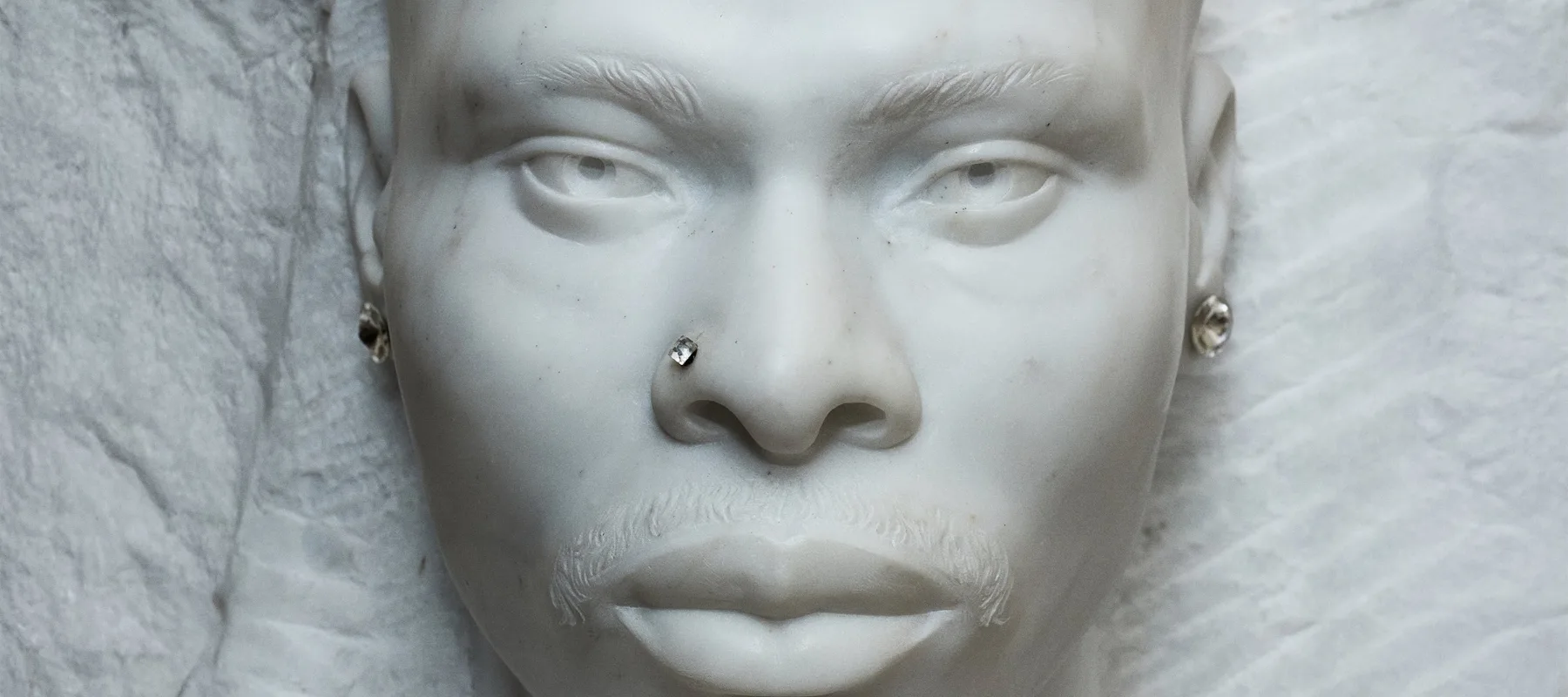
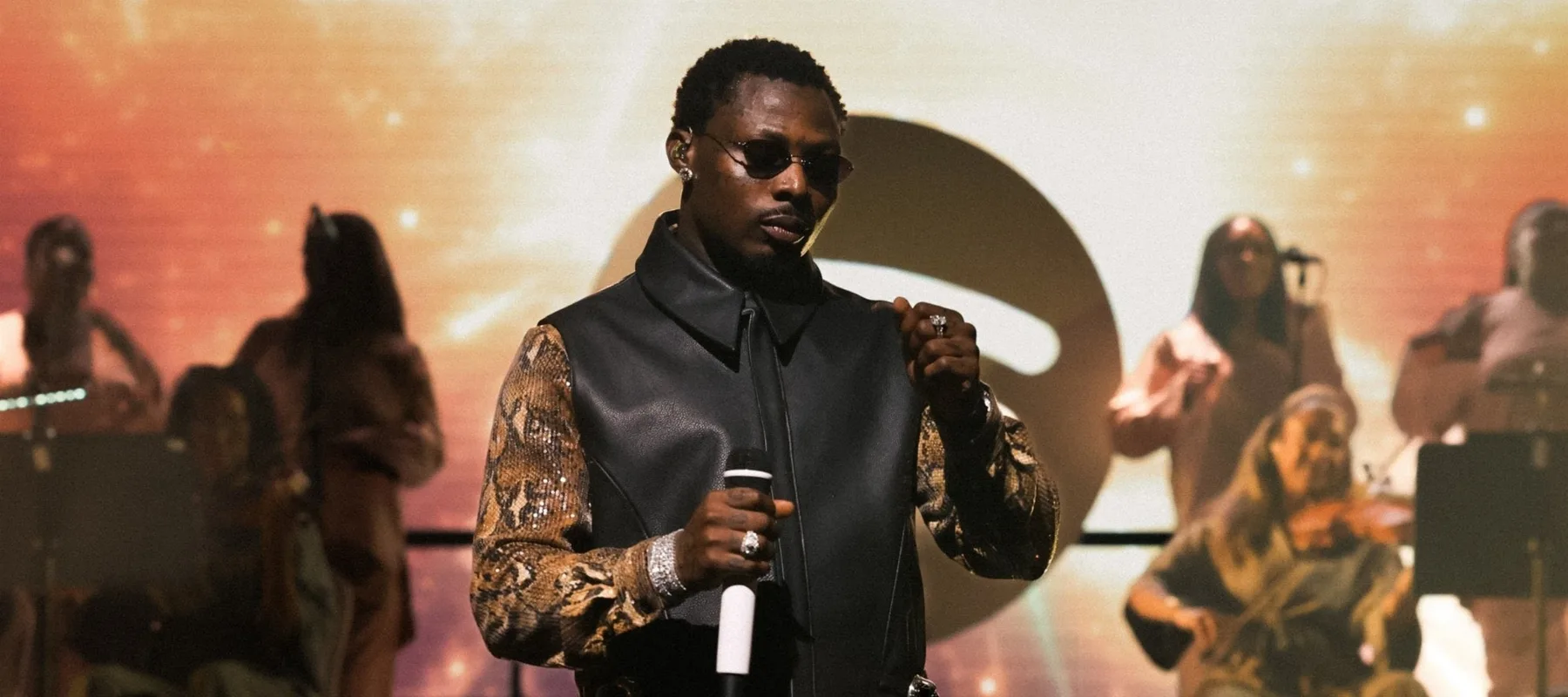
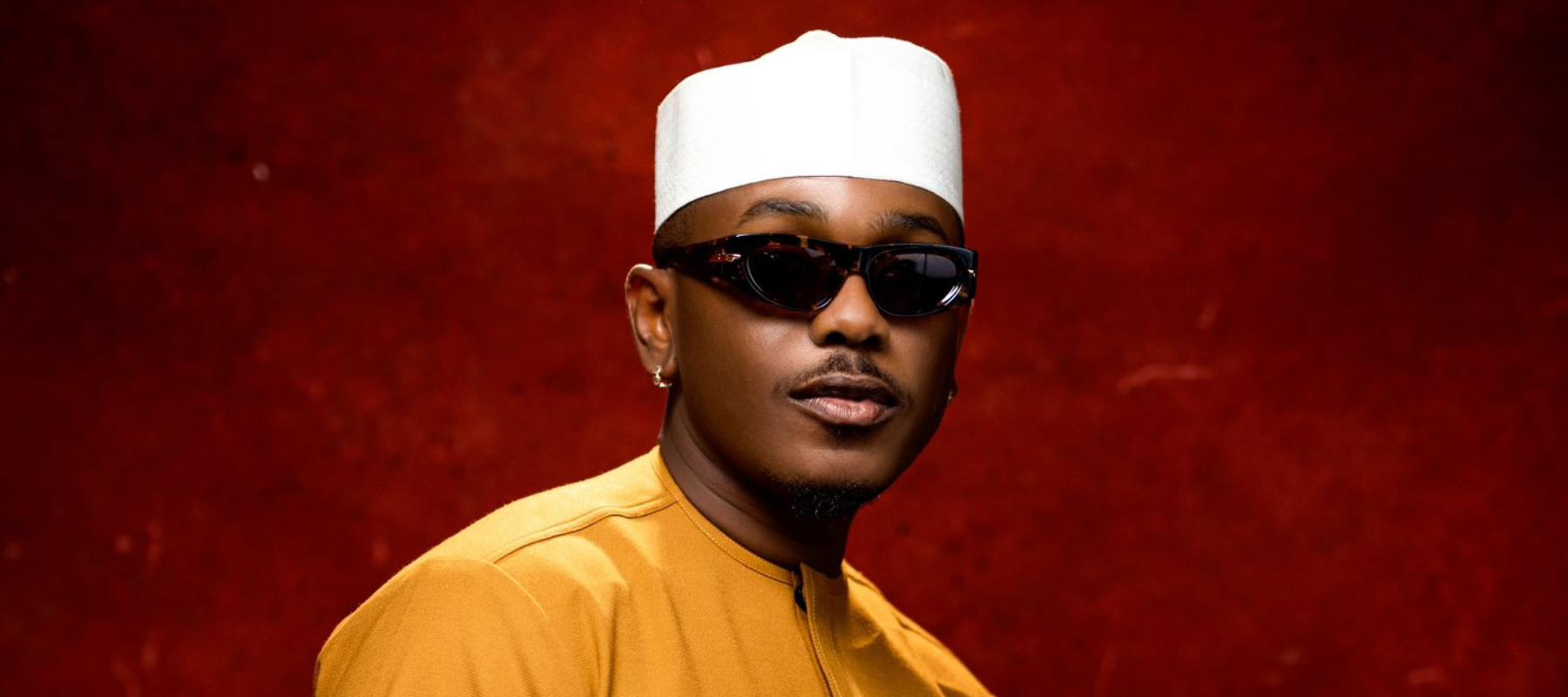
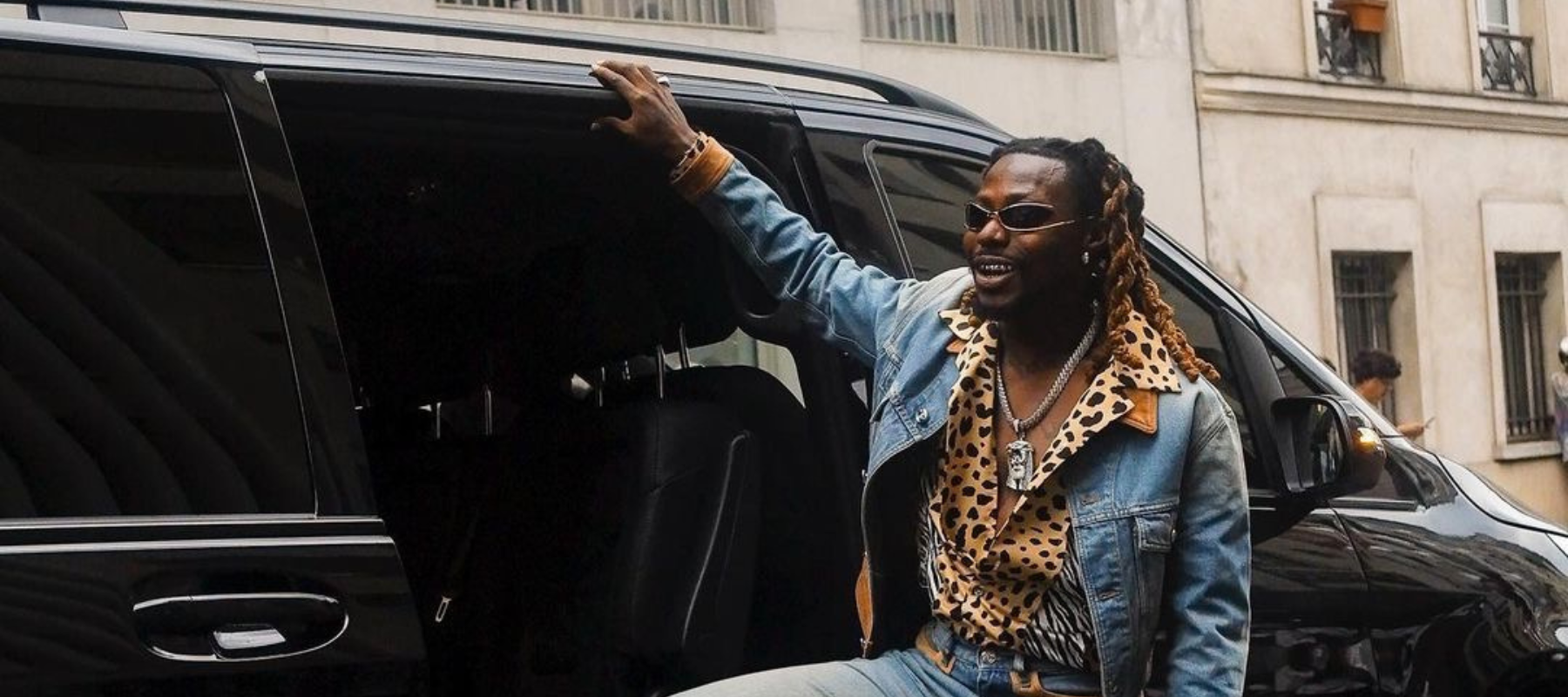
What happens when an artiste realises he has achieved his wildest dreams and reached the zenith of his career? He is either bound by the deliriousness of success or embraces the gratitude of his current reality — a result of his deepest desires. The latter is the state of mind which Asake has found himself in on his new and fourth studio album, M$NEY.
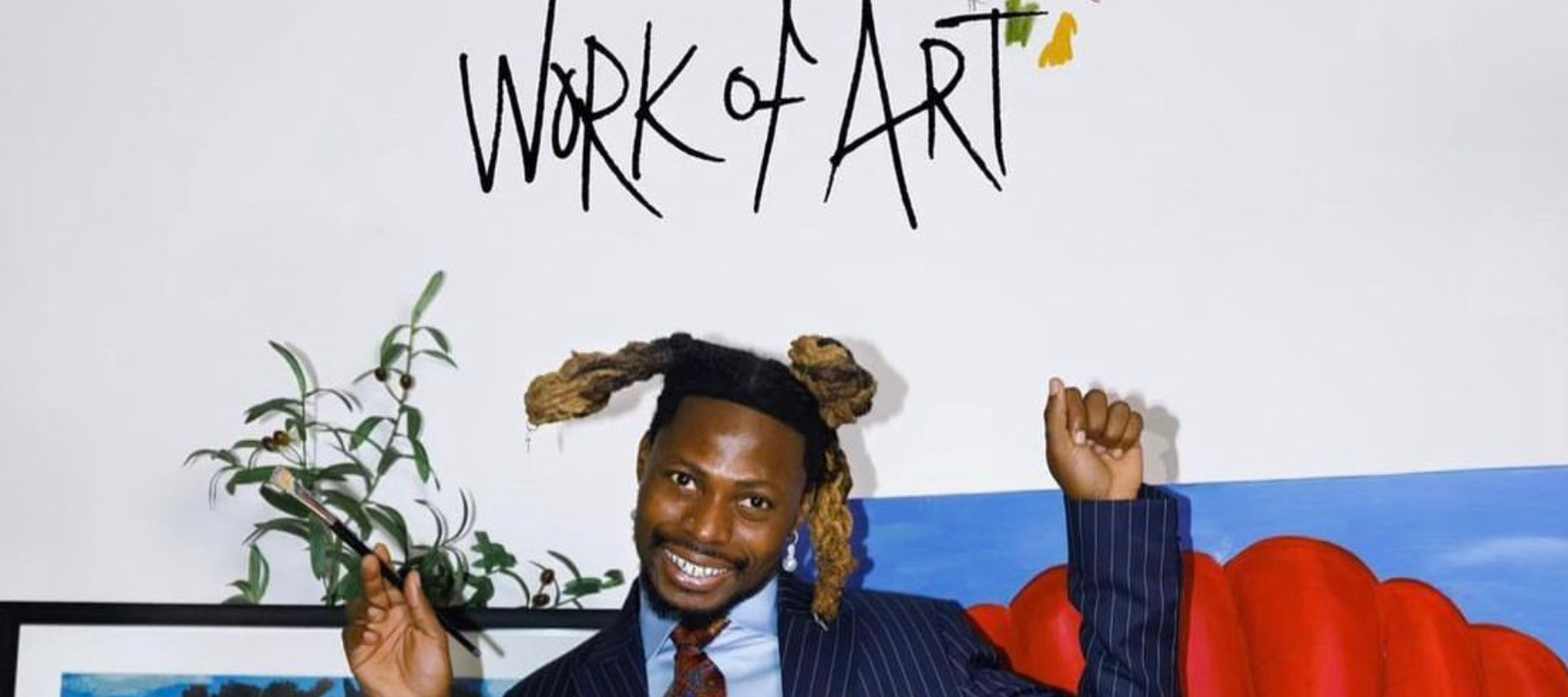
Following the success of his trifecta albums, Mr Money With The Vibe, Work of Art, and Lungu Boy, Asake seeks to charter a legacy journey he earnestly prayed for, no longer with a desperate hunger inspired by the streets, but from an ambitious mind that has been filled with a taste of the world.
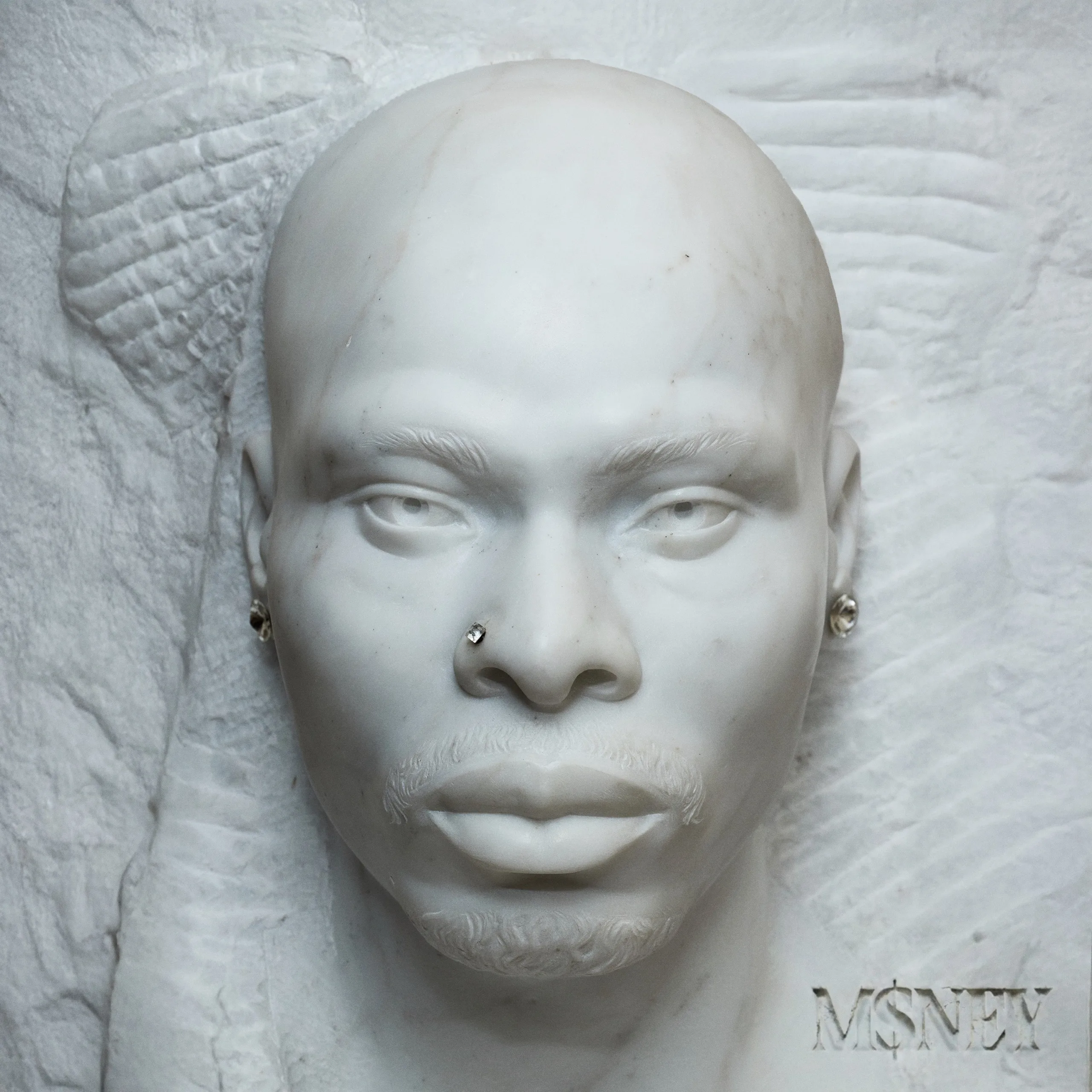
While the realities and experiences that have shaped him to be a connoisseur performer and one of Africa’s most prominent acts will always remain intact, he is now at a place where refined taste, comfort, ambition, and gratitude are recurring themes in his life and artistry. So, across the 13-track body of work, marked by Fuji cadences layered over log drums, from the impressive production of Magicsticks and Blaisebeatz, is a permissive energy he chooses to work with.
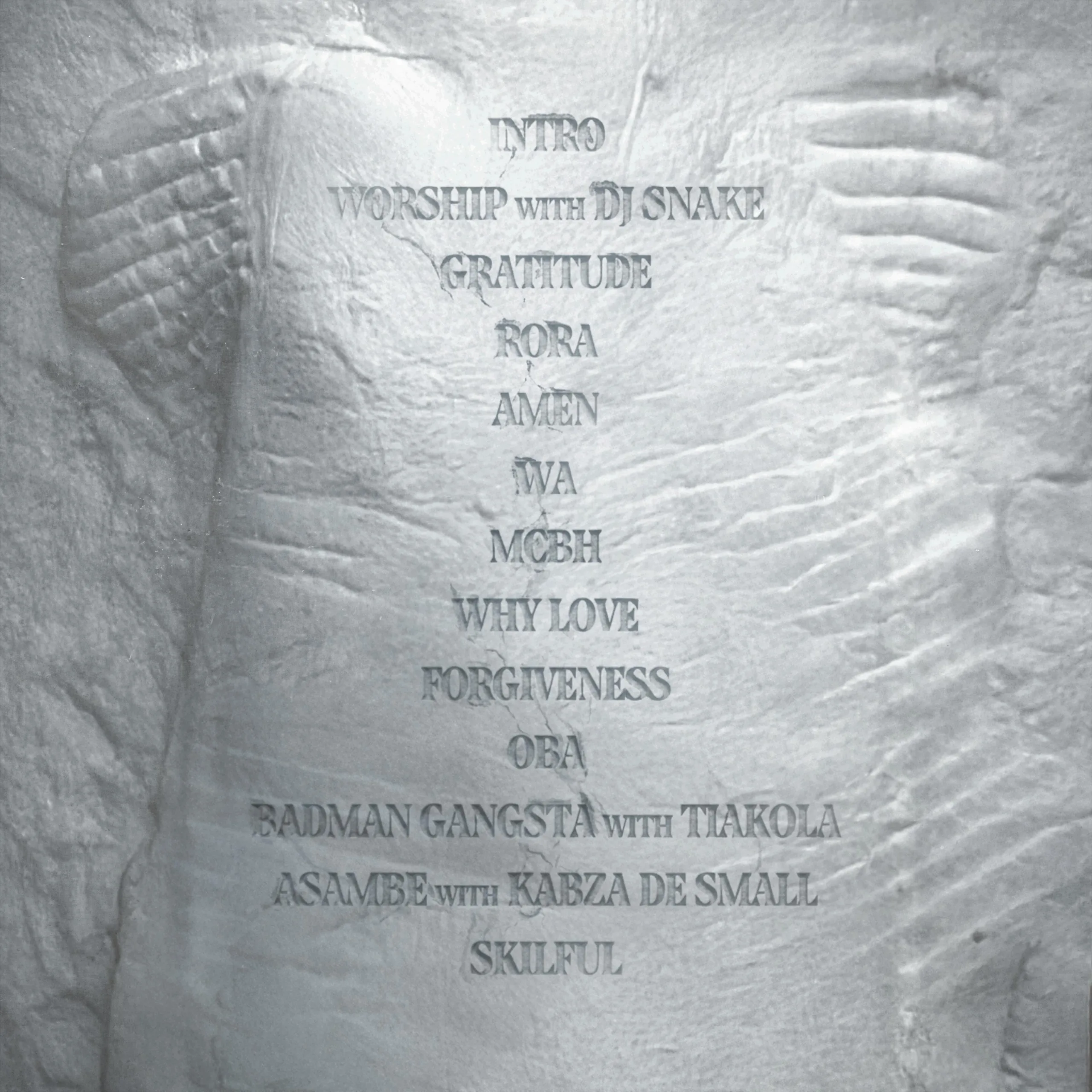
Asake has always been one to open his projects with an invocation. On the album’s “Intro,” he kicks off the 35-minute project with a brief invocation, backed by a choral backdrop driven by Zulu chants. Translated into “Let’s hold on, take care, let’s sing a song, we praise,” the track sets an early tone for the album’s spiritual ambience. The pre-released “Worship” with DJ Snake follows closely, picking up the gratitude theme set from the opener. The track thrives on the minimal lyrical depth, chord progression and orchestra serenades.
“Gratitude” takes a stand as the third track and one of the notable highlights on the album. After touching unprecedented heights, Asake is reflective as ever on the groove-laden track. He doesn’t mince words when he sings that “Even Jesus the Lord, dem nail am for cross,” acknowledging that even his good deeds are met by misdeeds.
The track’s bridge and chorus, layered over soprano vocals, piano motifs, bass guitar riffs, and a dominant sax, culminate into a soulful listen. Unlike the previous track, it’s more prayerfully expressed despite the repetitive verses.
What follows is the percussive-inflected track, “Rora.” The brilliant fusion of Afrobeats with House elements sets the pace for the mellow textured verses. Here, he realises the other side of wealth accumulation, and seeks to acknowledge with a cautionary tale. Except it doesn’t leave enough of an impression to capitalise on the theme despite the street-rooted orientation. On the Magicsticks-produced “Amen,” Asake strikes the spiritual-inflected track with Islamic chants that set the stage for an exciting listen. He continues with ambitious prayerful requests like generational wealth on the up-tempo dance record. The choral backdrop layered over the log drums does not hide the lax attempt at lamba.
Blaisebeatz is once again at his finest on the romance-inspired House track, “Wa.” Amidst his constant pursuit of wealth, Asake is still a man driven by the emotions of love. So he doesn’t hide his passionate affection and a desire for intimacy with his muse. But unlike his love classic “Remember,” this track doesn’t impressively match the melodic fluidity that depicts the theme. On “MCBH,” Asake returns with an introspective embrace, acknowledging the complexity of money and success. While notable for the balance, it doesn’t deeply capture the money-can’t-buy-happiness theme. Yet the track’s highlights are the female flowering riffs and backup chants.
Maintaining the Fuji cadence, “Why Love” steps in, steadily charting the pace with its place. The song remains impressive as it was first released, with the production competing with Asake’s vocals to steal the show. The theme changes on the up-tempo “Forgiveness,” where Asake shines through with a supplication for himself, upon the reflection of his bad deeds.
The consequences of the relentless pursuit of money follow with the detachment and isolation, a pattern he has noticed. Hence, he resolves to make it up to himself by continuing his good works. Another standout track on the album driven by the impressive production and choral undertones that permeate Asake’s catchy melodies.
Yet, this reflectivity doesn’t diminish his unwavering ambition on “Oba.” If anything, he reaffirms his artistry with a kingship title he confers upon himself. The track brilliantly blends his signature Fuji-inspired vocals with Jazz influences and percussive elements. “Every year, it is my time,” Asake makes a chest-thumping refrain, asserting his sustained dominance. The P.Priime-produced “Badman Gangsta” featuring Tiakola slows the tempo but maintains the theme while embracing wealth and blessings with a composed pursuit.
There’s a nudge to enjoy life to the fullest, and so, on “Asambe,” Asake reaches out with South African act Kabza De Small for a groovy House-inflected track. The shakers and log drums layered over guitar riffs and piano motifs are a perfect invitation to South African clubs.
Closing the album, “Skilful,” Asake chooses to ignore the introspection he first began with a feel-good romance outro. Despite the heavy Amapiano-inflected textures, the track proves to be a misplacement as the album’s closing statement. While it offers in being a dance record, it struggles with lyrical and thematic cohesion that has helped the album.
At his core, Asake still has his swashbuckling street-inspired lyricism, swaggering flow, and lamba in his artistry. But on M$NEY, there’s an evident control; restraint, needless to say more, but letting the music speak for itself. His signature sound of Amapiano and Fuji-esque undertones is maintained, but with less wittiness, lyrical depth and sonic expansion. The project’s most notable impression is carried by the ingenious production mostly from Magicsticks.
While Asake has built a legacy of classic works — a bar he has set too high for himself — he is at a point where his current reality now covers the experiences that once drove him. Hence, his sharp lyricism and melodies are just as comfortable as his state of mind. While M$NEY is Asake’s least impressive album so far, it will remain a pivotal body of work. Asake is where he wants to be in this era, and this album is proof of that.