



Tune in to listen
Bounce FM

Sinners understands something many films about women, especially Black/African women, still mishandle.
Set in 1930s Mississippi, Sinners is Ryan Coogler’s delicious, mind-stimulating fable set in Depression-era Mississippi. It follows twin brothers Smoke and Stack (both played by Michael B. Jordan) as they return home to open a juke joint, only to confront racial and supernatural forces that challenge their dreams and identities. Music binds the world of Sinners together. Sammie Moore, played with aching sweetness by Miles Caton, is a boy whose talent for the blues threatens to tear him between the church and the juke joint, between duty and freedom. His gift is portrayed as something close to a spiritual calling. When he plays, ancestors seem to rise from the ground itself. The music conjures spaces where past, present, and future collapse into one another.
Amid the battles of returning war veterans and the cultural vampirism threatening the soul of the blues, the film uses its bloodthirsty supernatural metaphors to ground an urgent, minutely textured vision of Black life under the reign of Jim Crow. The historical terrain Coogler traverses is thick with ghosts. Clarksdale styles itself the birthplace of the blues, and Coogler roots his story at the crossroads of myth and massacre, where the fable of Robert Johnson’s Faustian bargain collides with the documented terror of lynch mobs and chain gangs. The supernatural threat in Sinners arrives in the form of Remmick, a taunting Irish vampire played by Jack O’Connell. Remmick’s hunger is for blood, memory, artistry, for the ancestral power Sammie Moore channels through his blues playing. Here, the vampires are the ultimate cultural appropriators, draining Black vitality to feed their own hollow hungers.
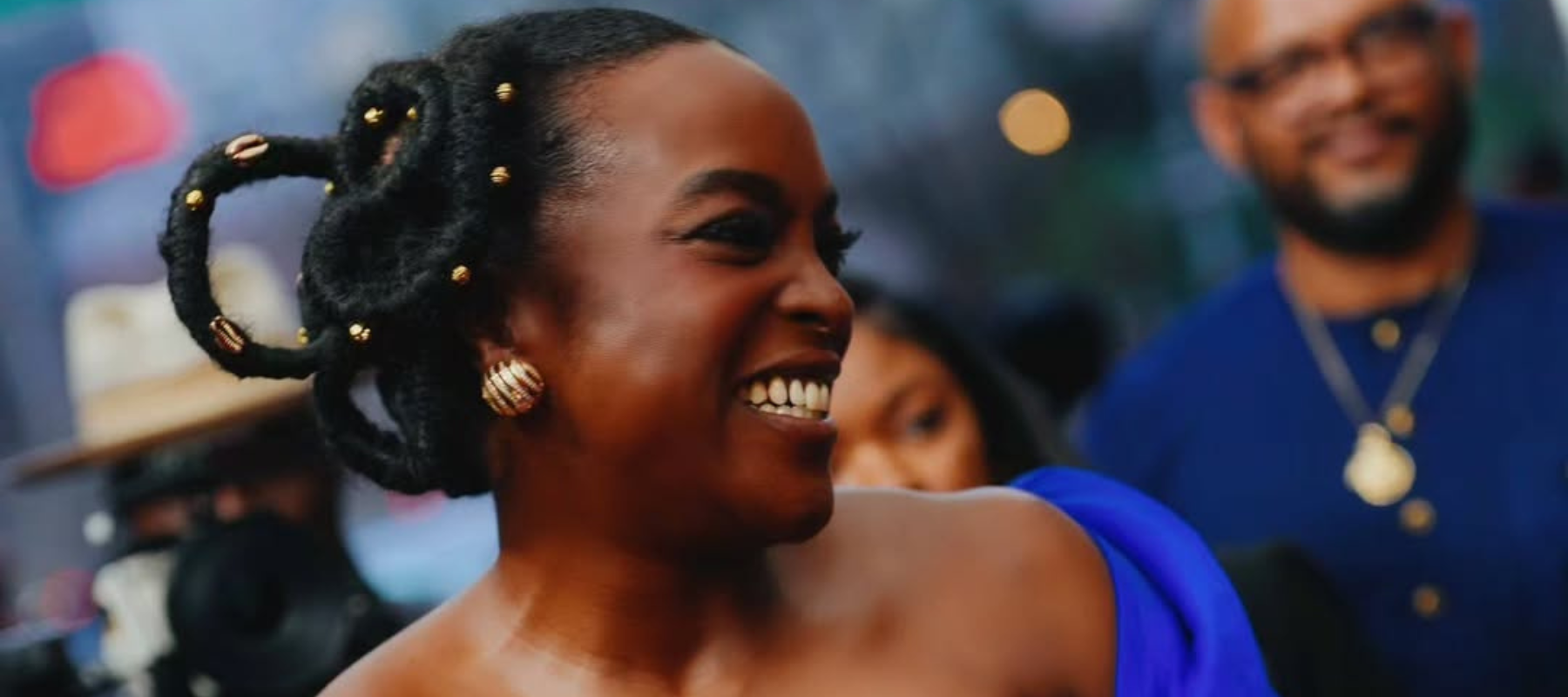
Coogler, whose previous films such as Fruitvale Station and Black Panther interrogated systems of power through both intimate and mythic frames, extends that project in Sinners by embedding the figure of the hoodoo woman, Annie (played by Wunmi Mosaku), deep into the body politic of the story. Black women are expected to heal others, to suffer silently, and to watch Sinners is to feel that burden shaken loose, if only for a while.
Wunmi Mosaku is best known for her BAFTA-winning work in Damilola, Our Loved Boy and standout performances in Lovecraft Country and Loki, and through her recent portrayal of Annie, she shares a vision of Black womanhood rarely afforded space in American cinema. Sinner’s setting in 1932 Mississippi is significant, as it was a period marked by racial violence, economic hardship, and cultural transformation.

The Great Migration had seen many African Americans move northward, but those who remained in the South continued to cultivate rich cultural traditions, including music, storytelling, and spiritual practices. Wunmi Mosaku’s Annie embodies this cultural continuity. Her character is deeply rooted in the historical context of Hoodoo, a spiritual practice that emerged among African Americans in the Southern United States. This tradition, distinct from Haitian Vodou and West African Vodun, welcomes elements from various African spiritual systems, Christianity, and Indigenous American practices. Hoodoo was a clandestine practice, surviving under the radar of white Christian authorities who demonised African-derived spiritualities as wickedness. But it still worked as a means of resistance and survival for enslaved Africans and their descendants, providing spiritual tools to navigate the oppressive structures of slavery and segregation.
Historically, Black women healers in the American South were often the targets of both racist caricature and theological condemnation, cast as either benign mammies or malevolent witches. But in Sinners, Wunmi Mosaku’s performance as Annie reframes what it means to represent Black womanhood onscreen. She is neither an abstraction nor a vessel for broader ideas; instead, she is rendered with a clarity that insists on the fullness of her interior life.
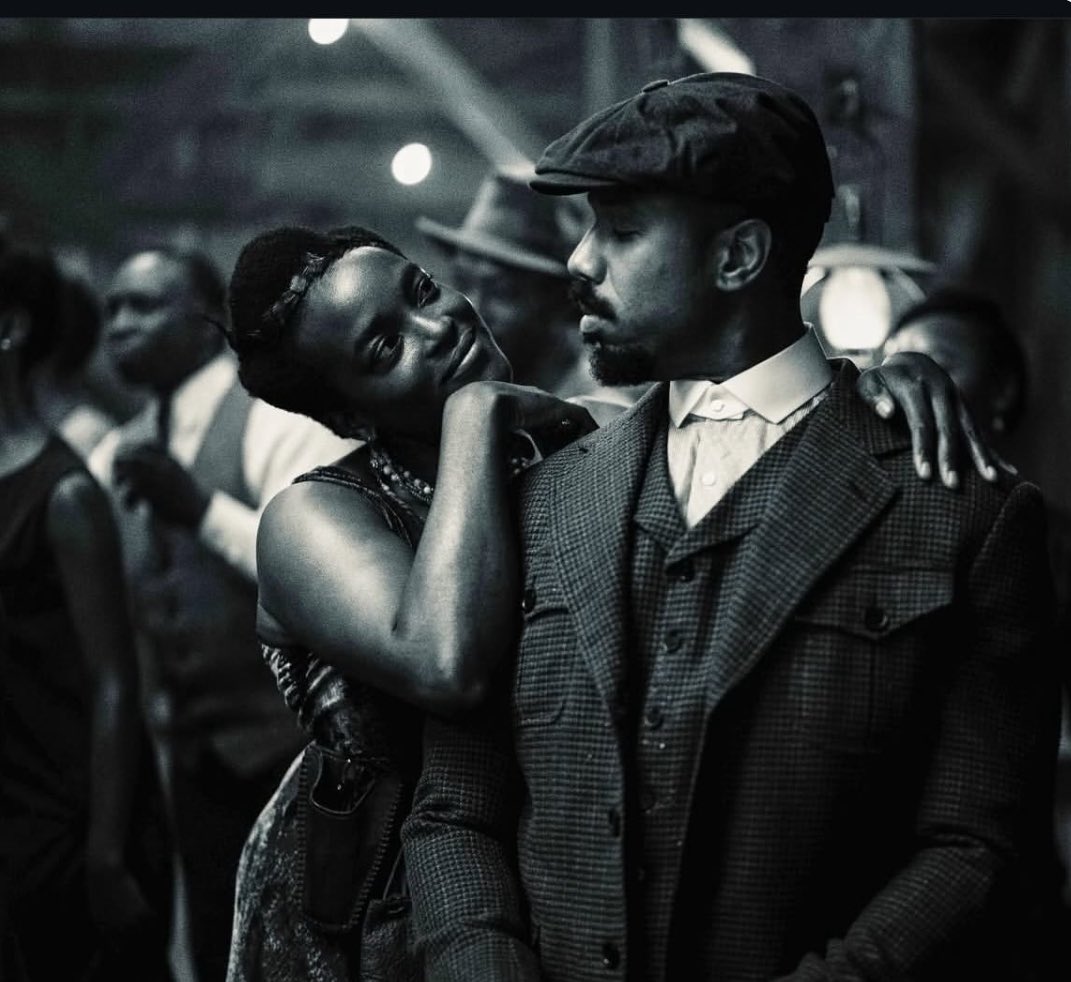
Smoke Moore (Michael B. Jordan), roughened by years of violence and grief, finds in Annie a source of undiminished longing, passion and most especially, rest. Their shared history, tangled with the pain of a lost child, lends their reunion the emotional density of lives lived in parallel but never truly separated. The tenderness between them is carnal and deeply human. Their reunion culminates in a sex scene that is among the film’s most striking renderings of intimacy. Coogler and Mosaku allow Annie full control in the opening beats: she moves atop Smoke with physical self-assurance that claims her pleasure without apology.
Too often, narratives surrounding Black women, especially darker-skinned, larger-bodied women, strip them of sexual autonomy or bury their desirability beneath layers of maternal servitude. Hence, a considerable volume of the film’s force comes from how it resists the old cinematic habits that have historically shaped portrayals of Black women. Annie is not a healer framed as an asexual matriarch. She is a woman who carries wisdom and authority without surrendering the possibility of desire. She is rooted in the oldest traditions of women who have kept communities stitched together with their hands, who were cultural repositories, political figures, and often the only sources of healthcare, emotional support, and spiritual leadership available to Black communities under the heel of Jim Crow. But she is a woman still capable of being loved, desired, and, more radically, listened to.
Sinners understands something many films about women, especially Black/African women, still mishandle: the fact that wisdom does not foreclose intimacy, and that power, even the mystical kind, need not exile a woman from pleasure or tenderness.
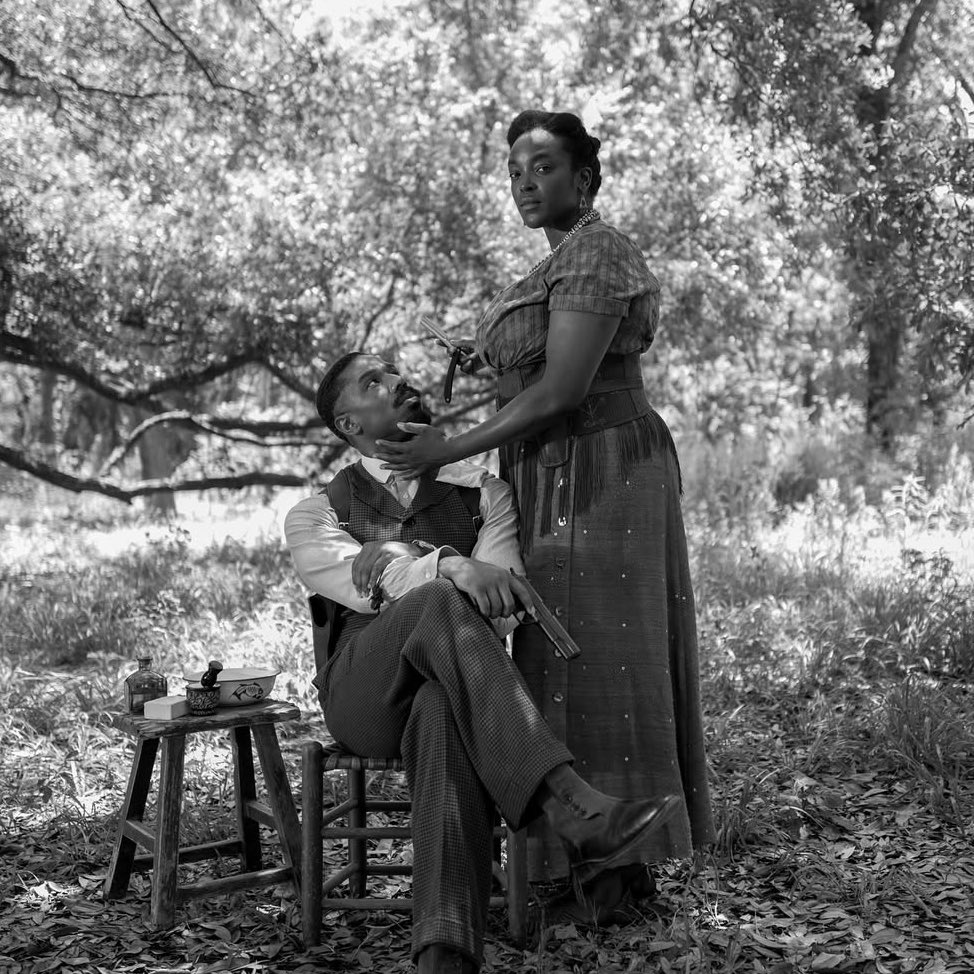
Annie is loved not despite her strength, her flesh, her darkness, but through them. Her desirability is recognized as integral to her humanity rather than an exceptional reward for her suffering. Mosaku draws from an almost subterranean well of emotional knowledge and her acting ensures that Annie is seen as a character who retains her specificity: a woman that inhabits longing, stubbornness, grief. Coogler’s film does not treat Annie’s beauty, her sensuality, or her magic as deviations to be explained away; they are the ground the story walks on. In a world that too often asks Black women to be grateful simply to be included, Sinners offers something more palatable: a space where they meaningfully matter, are loved, hungered for, and held with the fullness they have always deserved.