



Tune in to listen
Bounce FM

The late Awujale of Ijebu, Oba Adetona, built the festival into a global event without waiting for any certificate from Paris.
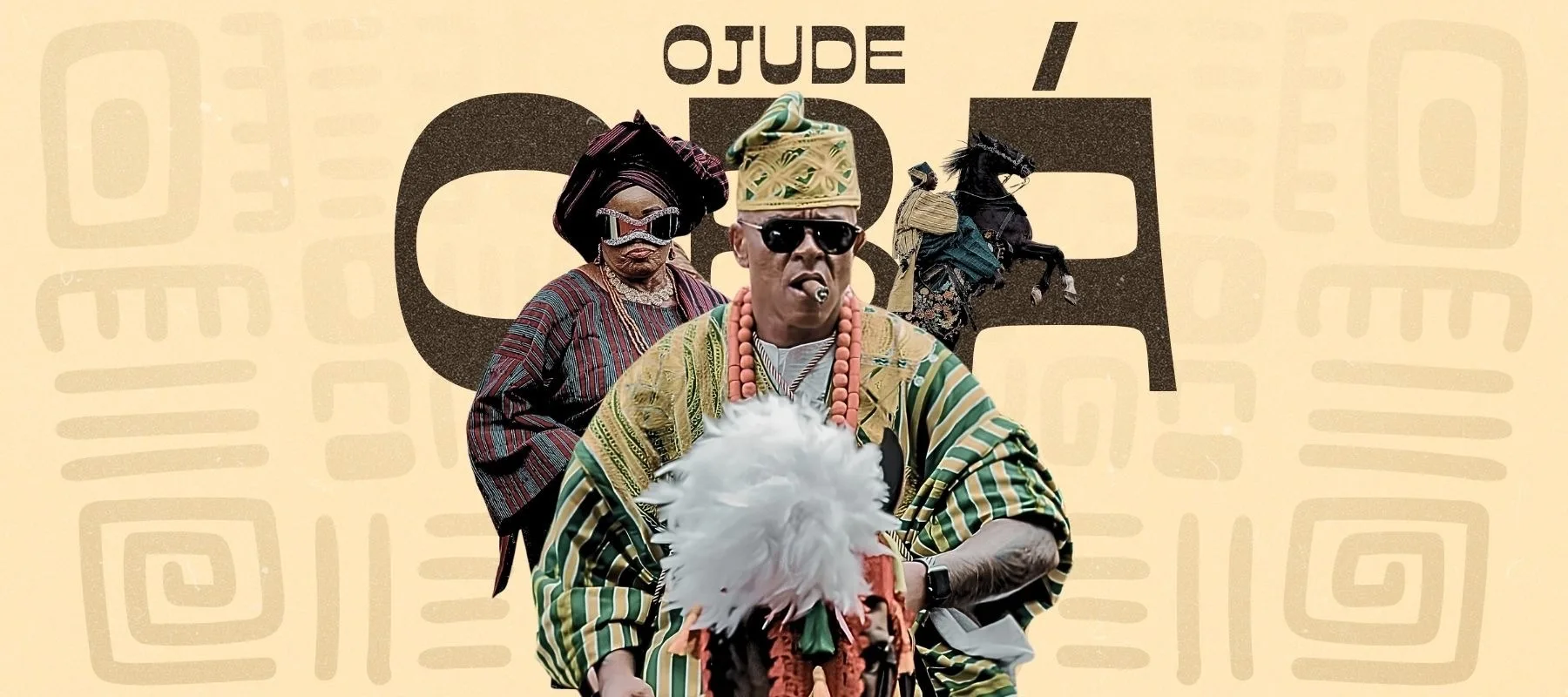
In recent years, Ojude Oba, the Yoruba festival held annually on the third day after Eid al-Kabir in Ijebu Ode, Ogun State, has become an international cultural spectacle and, increasingly, a pop culture moment, drawing celebrities, influencers, and fashion photographers alongside its traditional faithful. Events such as the Regberegbe’s colourful and elegant parade of coordinated luxury attire, processions of the Balogun warriors gallantly riding horses, as well as other side attractions, portray the deep historical significance of the festival. Besides attracting tourist attention every year, Ojude Oba functions as a homecoming, drawing thousands of sons and daughters of Ijebu-Ode back to their roots from cities and countries across the world.
So, naturally, as with many things Nigerian, there have been calls seeking international validation for the festival, like getting it a place on the United Nations Educational, Scientific and Cultural Organisation (UNESCO) Intangible Cultural Heritage list. In June 2024, the Minister of Culture, Arts and Creative Economy, Hannatu Musa-Musawa, led the calls, promising to activate all the processes to ensure that Ojude Oba got on the list. Ogun State Governor, Dapo Abiodun, agreed with the importance of making that happen, saying his administration was committed to providing the conducive environment for business to thrive.
But two years later, on Friday, May 29, 2026, Musa-Musawa was back to making the same promise. “At the 2026 edition, I reaffirmed Nigeria’s commitment to advancing Ojude-Òba’s inscription on the UNESCO Intangible Cultural Heritage List — working with the Ijebu Traditional Council, the Ogun State Government, and UNESCO Nigeria,” the minister wrote on X last Tuesday, June 2, 2026. The Bagbimo of Ijebu and long-time coordinator of the festival, Professor Adetokunboh Fassy, echoed the same ambition at the festival grounds.
Ojude-Òba has always been more than a festival. It is proof of what culture does when itis protected, resourced, and taken seriously.
At the 2026 edition, I reaffirmed Nigeria's commitment to advancing Ojude-Òba's inscription on the UNESCO Intangible Cultural Heritage List —… pic.twitter.com/few5UAFyGW
— Hannatu Musa Musawa (@hanneymusawa) June 2, 2026
There is no doubt that UNESCO recognition is a noble goal. But spending years obsessing over a listing assumes that Ojude Oba needs international validation to be great. It does not. Incidentally, the 2026 edition was designed to honour the revered Awujale of Ijebuland, Oba Sikiru Adetona, who joined his ancestors in July 2025 after 65 years on the throne. He built this festival into a global event without waiting for any certificate from Paris.
Consider what Ojude Oba already is. It started in the 19th century not as a grand pageant but as a defiant act of cultural preservation. When Christian missionaries made monogamy a condition of conversion, Balogun Kuku, a wealthy Ijebu chief with more than thirty wives, embraced Islam instead and founded what would eventually become Ojude Oba, refusing to let his people’s tradition of honouring the Awujale die. That origin story, of a community choosing its own identity over outside approval, makes the current chase for external validation deeply ironic.
Today, hotel rooms in Ijebu-Ode are booked four to six months in advance. Diaspora Ijebus fly in from the United Kingdom (UK), Canada, and the United States (US) The festival generates billions of naira for food vendors, tailors, transport operators, jewellers, and photographers. This is a great festival already, on its own terms, without a plaque.
Hotels/apartments are ch0ked in Ijebu Ode ahead of Ojude Oba 2026.
If you still have rooms/apartments, comment below.
People & brands are looking for accommodation for that day.
— POOJA!!! (@PoojaMedia) May 26, 2026
Which is why the energy being poured into UNESCO lobbying is misplaced. The more urgent question is not whether the world recognises Ojude Oba, but whether the government is doing enough to match the festival’s own greatness with the infrastructure it deserves. Roads into Ijebu-Ode buckle under the annual influx. Crowd management at the Awujale’s pavilion remains a recurring problem. Sanitation, medical facilities, and parking are perennial complaints from attendees. A UNESCO listing would attract even more visitors and more pressure on systems that are already straining. Recognition without investment would be a liability, not a reward, in this circumstance.
Iconic Ojude Oba 2026: A festival too big for its 2025 present Venue.
2: let us find another venue pls.
3: I know more people from abroad that have assured me of dem dey come.
4: Ijebu people, we need more hotels and apartments.
5: allow us to enjoy the beautiful horse…
— Woye (@woye1) July 6, 2025
The federal and state governments would serve the festival better by fixing the roads, expanding the venue, funding proper crowd management, and making Ijebu-Ode genuinely easy to reach and comfortable to be in. That kind of enabling environment — not a certificate — is what turns a great festival into a legendary one. Tourists do not return because of a UNESCO plaque on a wall. They return because the roads were good, the experience was smooth, and the culture moved them.
Oba Adetona spent 65 years building something the world watches without needing the world’s permission. The Ijebu people have carried it through generations, updating it each year — a living archive, not a museum exhibit. The 2026 edition, held in his memory, was proof enough that greatness is not conferred from outside. It is kept alive from within.