


Tune in to listen
Bounce FM

From early underground tapes to major-label breakthroughs, countless projects have shaped what rap means across the country.
Nigerian rap has built a canon defined by versatility and vision. For decades, the struggle was for a distinct voice, a sound that reflected its people. The pivotal moments came when artists stopped looking outward and turned their gaze inward. Over the next decades, rap split into several directions: streetwise, political, alternative, and commercial. Today, Nigerian hip-hop coexists with Afrobeats rather than competing against it, influencing its rhythm and vocabulary while still maintaining its edge. From early underground tapes to major-label breakthroughs, countless projects have shaped what rap means across the country. But some albums shifted how Nigerian rap sounded, looked, and was received. This list focuses on ten of those albums.
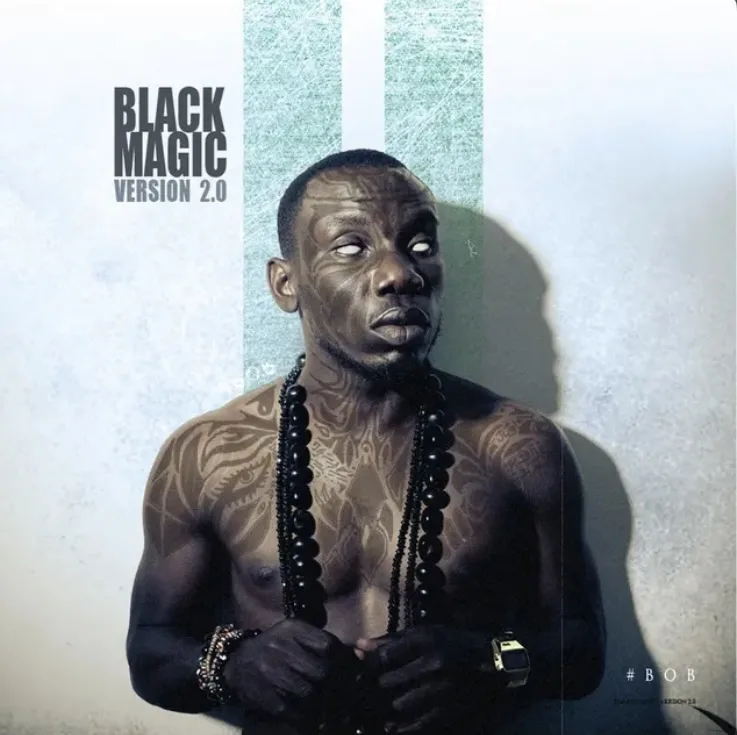
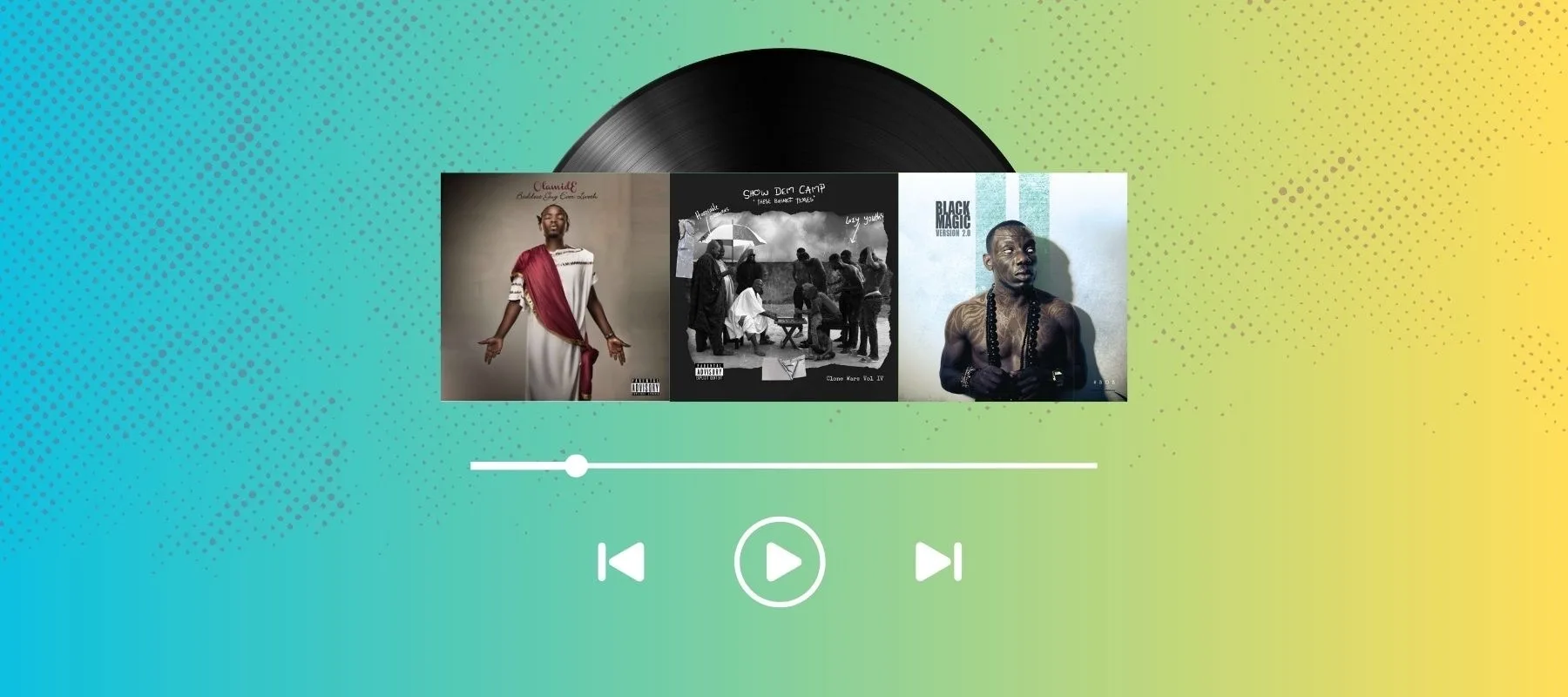
At the time of its release, Blackmagic’s Version 2.0 was a breath of fresh, funky air. Blackmagic, the quiet outlier, dropped the project and backed up his reputation as the alternative act we deserved, if not the one the charts demanded. The album is a smooth, intoxicating blend of Afrobeat, soul, jazz, and laid-back hip-hop. Blackmagic’s delivery is a relaxed, near-spoken word incantation, letting the repetitive, funk-infused basslines do the heavy lifting. The breakout single “Repete” perfectly encapsulates the album’s appeal: soulful, hypnotic, and utterly original. Version 2.0 carved out a vital space for alternative hip-hop in Nigeria.
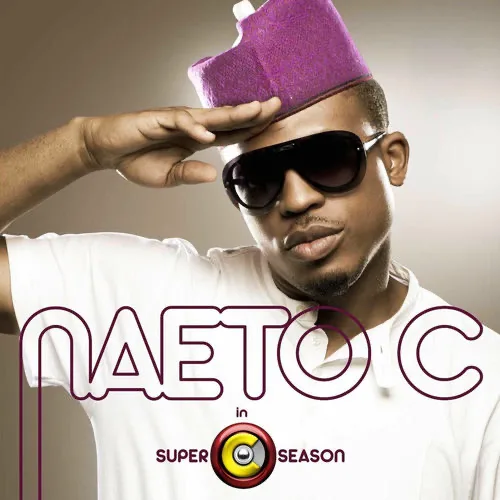
Naeto C’s sophomore album, Super C Season, refined the idea of “swag” rap in Nigeria. It was the sound of hip-hop’s arrival in the Nigerian pop aristocracy; the polished, champagne-popping evolution of Nigerian hip-hop; and a monument to a frictionless fusion of pop hooks and rap mantras designed for maximum impact. Naeto C understood the power of sonic branding, reducing his flow to its most potent, quotable elements. The album cemented his “P, Yes and P” philosophy (Positioning, Yes-men, and Power) making rap feel aspirational and luxurious. With hits like the swaggering “Kini Big Deal” and the silky-smooth “10/10,” Naeto C perfected a formula that was a high-water mark for the merging of hardcore rap and mainstream Afropop.
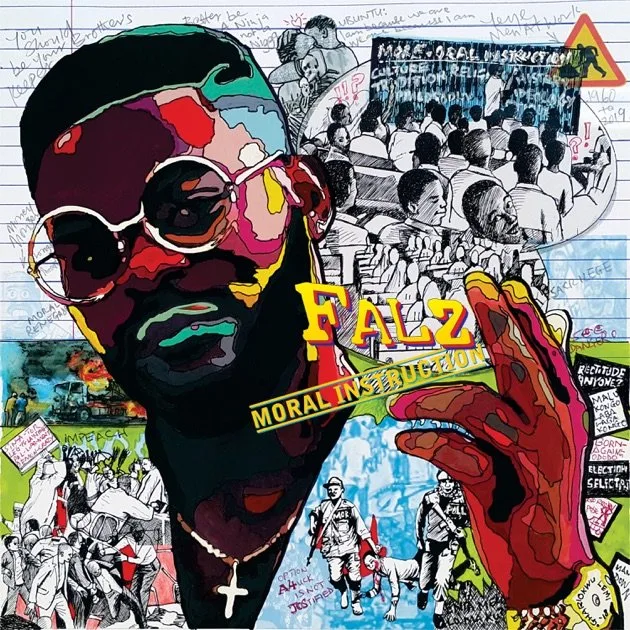
Moral Instruction stands as one of the most coherent protest albums in modern Nigerian music. It is a work of sharp conceptual discipline. Heavily sampling the activist-musician Fela Kuti, the album is a 24-minute tirade against Nigeria’s social and political ills. Falz strips away his comedic persona, leaving a clear-eyed, incisive polemicist who tackles corruption and hypocrisy with unflinching clarity and directness as his voice alternates between mocking and earnest. The album’s sparse, rigid sonic palette forces a focus on the lyrics, making it a near-uncomfortable listen. It’s a risk-taking work of socio-political conscience that positioned Falz as a modern-day musical provocateur.
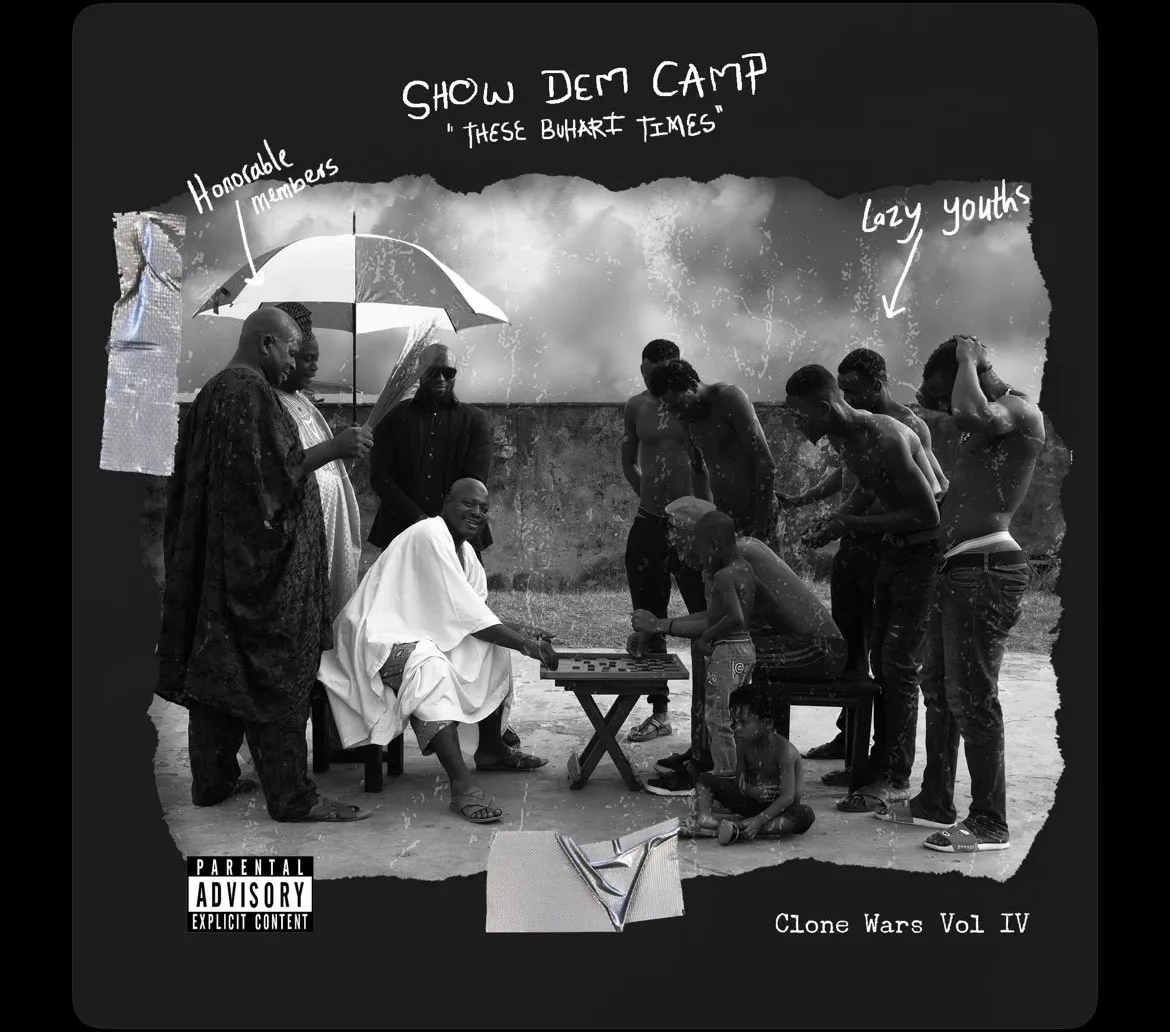
This project is a crucial document of its era, a precise and sobering diagnosis of the national mood. Abandoning the breezy, Afropop-adjacent sound of their Palmwine series, Show Dem Camp returned to the grit of their Clone Wars roots with a necessary, socio-political missile. The title is an incisive chronicle of Nigeria’s societal breakdown from corruption and toxic masculinity (“Duade”) to the soul-crushing Lagos hustle (“Center of Excellence”). Over a bed of spartan, sample-heavy production, Ghost and Tec’s verses map the pervasive malaise of a generation enduring economic precarity and political disillusionment. The album’s centerpiece, the posse cut “Crown,” famously brokered a truce between rivals M.I Abaga and Vector.
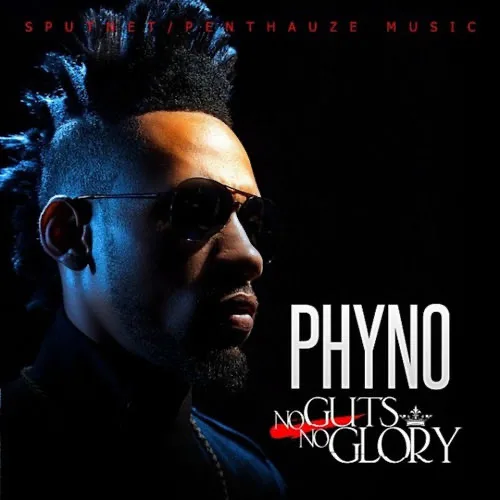
No Guts No Glory is a debut that was epic in scope and execution. Phyno took the sounds of the East and rendered them with blockbuster ambition. Produced largely by Major Bangz, the album is a flawless fusion of hardcore hip-hop beats, highlife melodies, and Phyno’s commanding flow. Tracks like “Ghost Mode” and “Man of the Year” are pure, uncut gems, showcasing a lyrical dexterity that transcends language barriers.
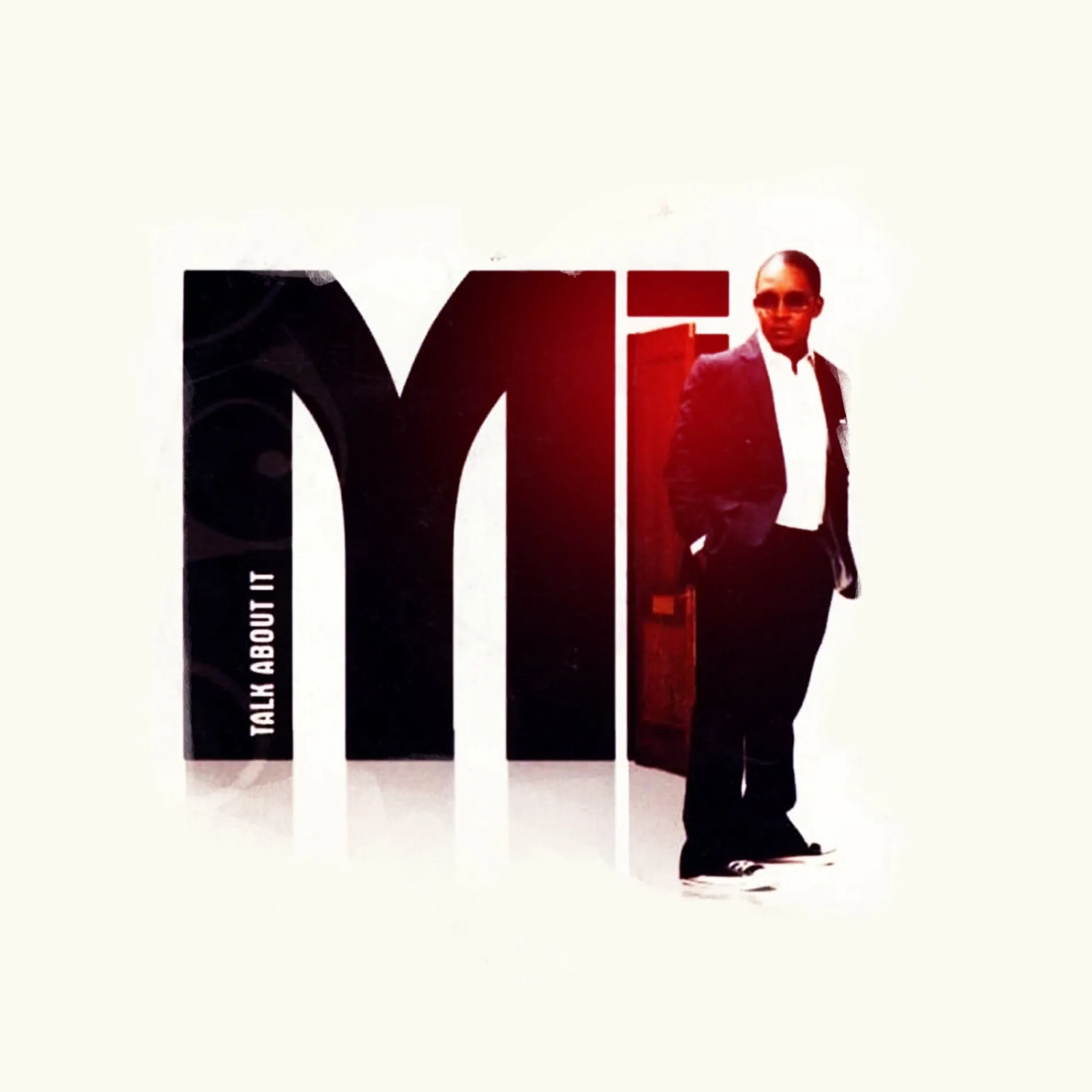
This album is the definitive argument for Nigerian rap’s mainstream viability. It also made Nigerian hip-hop a writer’s game. M.I Abaga’s power was in his pen. On Talk About It, his flow is conversational, his punchlines clever without being overwrought, and his ear for soulful, sample-heavy beats is impeccable and revelatory. He constructed verses with a conversational cool that belied their complexity, turning M.I into the first true Nigerian rap superstar of the digital era. The production, rich with soulful samples and clean boom-bap rhythms, provided the perfect canvas for his witty, observational style. The album put forward a vision of rap that was smart, accessible, and down-to-earth without compromising on substance.
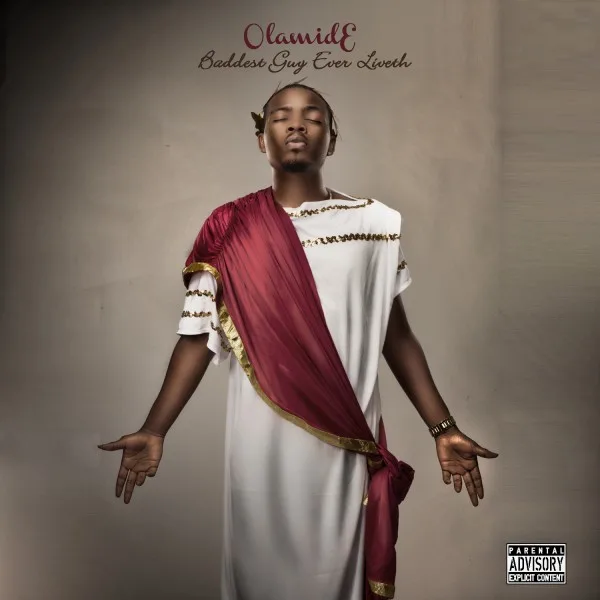
Baddest Guy Ever Liveth captured Olamide at his most confident and inventive. Released at the height of the rapper’s early dominance, BGEL is an unapologetic blitz of Yoruba rap that fully embraced the indigenous, populist aesthetic. Across 21 tracks, Olamide offers a panoramic view of his artistic identity: the street evangelist, the pop hitmaker, the introspective poet, the unfiltered id. The album’s lack of a tight focus is its greatest strength. It concretized his formula of street realism, pop sensibility, and infectious slang, solidifying Olamide’s status as the definitive voice of his generation’s streetpop.
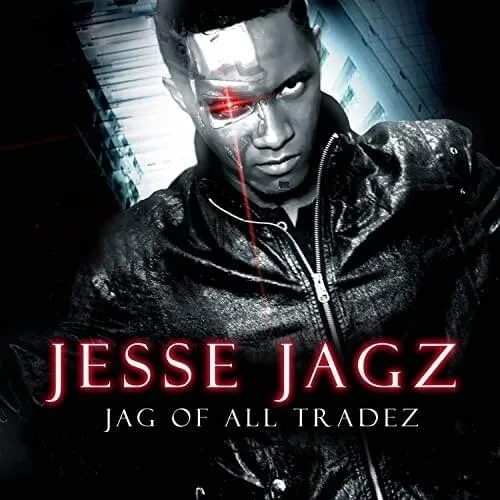
Jesse Jagz was never content to stay in one lane; and Jag of All Tradez is the thrilling proof. While his peers were perfecting their rap personas, Jagz was deconstructing genres. The album pivots fluidly between boom-bap, reggae, and synth-pop, all held together by his eclectic vision. His flows are nimble, adapting to whatever sound he’s experimenting with. He could be a conscious lyricist on “Wetin Dey” and a dancehall king on “Jargo,” showcasing a creative restlessness that was years ahead of its time. It’s a record that values musical curiosity over a fixed identity, introducing a strain of auteur-driven, genre-agnostic hip-hop to the Nigerian mainstream. Moreso, it is a bold, experimental record that challenged the very definition of a Nigerian rap album.
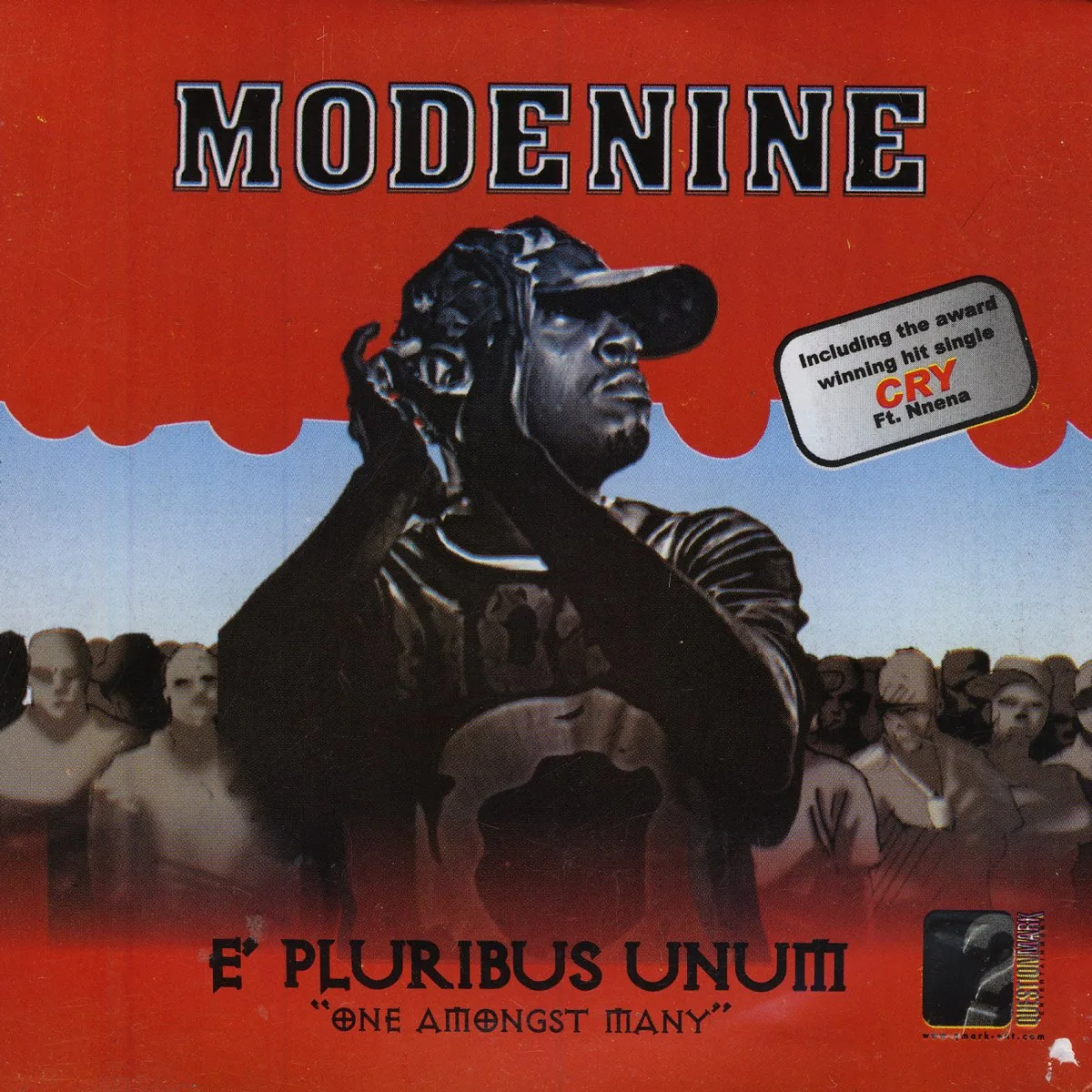
For the lyrical purists, E’ Pluribus Unum is a sacred text. “The Punchline Man,” Modenine has long been Nigeria’s foremost rap technician, and this album is his magnum opus. Mode offers complex rhyme schemes, multisyllabic flows, and dense, thought-provoking storytelling. With the hard, head-nod beats providing a stark backdrop, his voice is the main instrument, delivering solid bars that demand repeat listens. The album was a defiantly underground statement, solidifying his reputation as a “rapper’s rapper” and serving as a standard for unadulterated lyricism in Nigerian hip-hop.
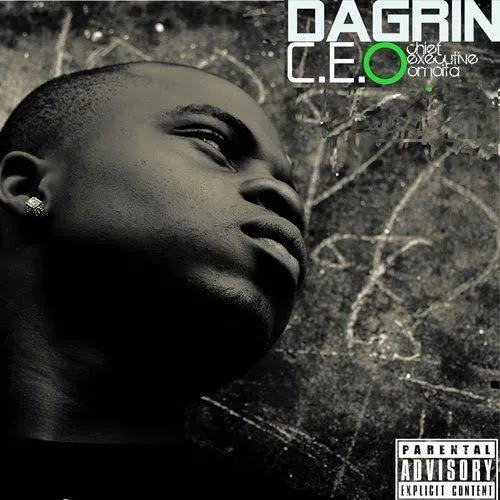
C.E.O is the cultural inflection point that dragged Yoruba rap from the Lagos alleys onto the global stage. Before C.E.O, rapping in Yoruba was niche. Dagrin changed that. He centered it, making it sound as menacing as it was poetic. The album’s production is militant and confrontational, a fitting backdrop for tales of struggle and ambition that felt brutally immediate. The ubiquitous anthem “Pon Pon Pon,” with its indelible siren hook, was an instant, communal hit. C.E.O’s tragedy is that its creator didn’t live to see its full impact, but its legacy was proving that unvarnished, indigenous storytelling could dominate the mainstream, setting a template that countless artists would later follow.