



Tune in to listen
Bounce FM

Our music industry has grown too vast, too rich, and too influential to be boxed into one category or defined by external validation.
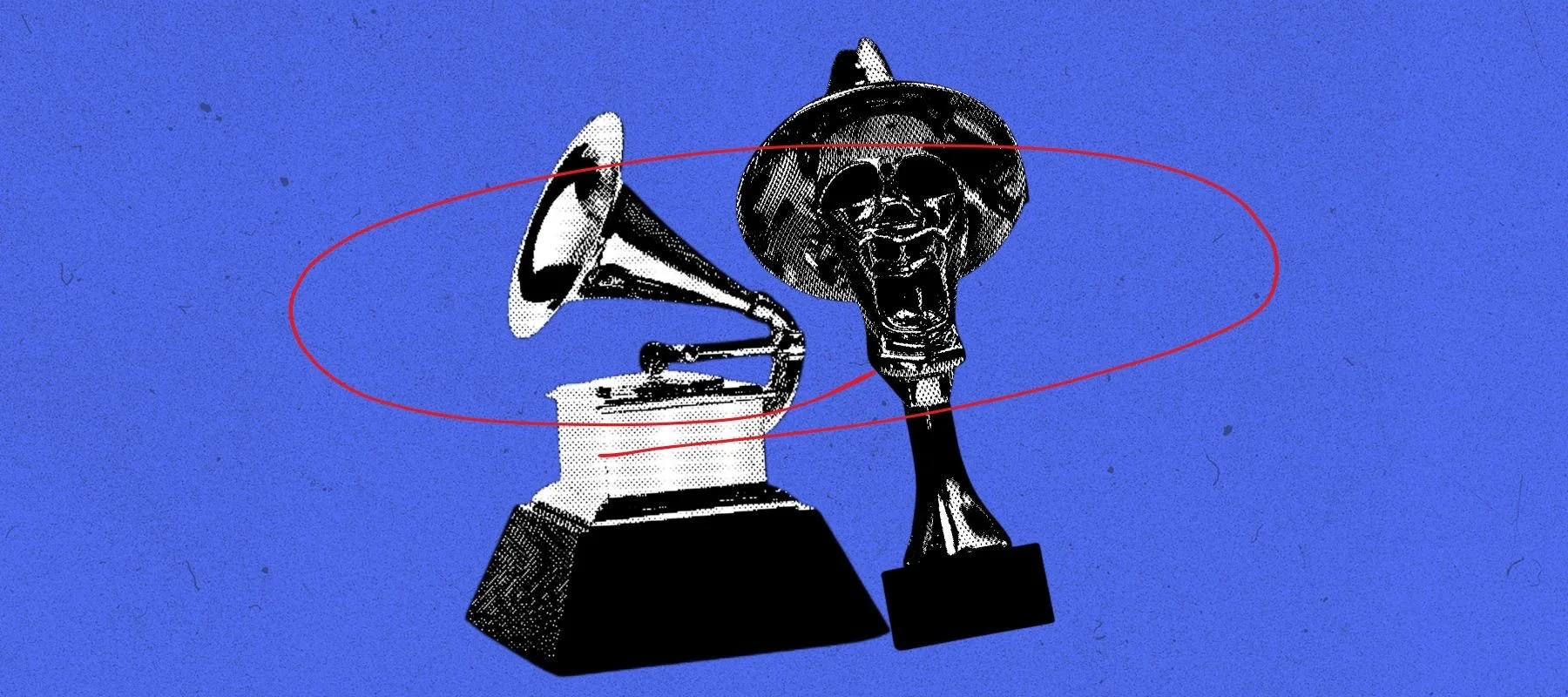
Whenever the Grammys roll around, we’re reminded of how the global music industry views Afrobeats and African music more broadly. Not just the awarded song, but the nominated songs and snubs all point to one thing: a testament to how the world understands Nigerian pop and African music.
And Sunday night at the Cryptic.com Arena in Los Angeles, where South African artiste Tyla won her second Best African Music Performance award over Nigerian artistes, reminded us of this frustrating feeling.
While this precedent-setting moment feels particularly disappointing given past losses, the outrage from netizens in the country appeared misplaced. Davido’s “With You” emerged as the biggest song from West Africa in 2025, but by the Recording Academy’s rules for the said category, the “Push 2 Start” crooner Tyla won square and fair. The Amapiano-pop record had achieved significant success within and outside the U.S.

Yet this familiar moment says a lot more about us than the world. Since 2018, when Afrobeats cemented its place on the global stage, Nigerian music has taken more than it can chew. Yes, the music industry expanded; influx of major companies, our music travelled beyond the continent, world arenas screamed our music, and global music institutions like the Grammys rewarded us with a “special category.”
But this wasn’t a celebration; it was a consolidation, lumping us with 53 other countries to compete for a trophy. In contrast, Western music has a plethora of genre-specific awards that’s are not tied to a continent: pop, rock, R&B, country, rap, and more each have their distinct honours.
Although we found ourselves becoming beneficiaries of this category. Our artistes dominated it since the first presentation in 2024. Tems became the second winner with her hit “Love Me Jeje” in 2025. But when this year’s award returned to South Africa, it felt like a robbery of us.
Davido brought out Omah Lay to perform “With You” at his sold-out Scotiabank Arena show 🇨🇦🏟️ pic.twitter.com/JiUeUPlFfV
— BOUNCE (@bouncenetworks) July 27, 2025
Undoubtedly, Davido’s “With You” was a cultural fixture. It defined the year, shutting down festivals and the streets beyond Lagos and Ghana. It was culturally African, yet pop enough to connect globally. And so when the four-time nominee took another loss, we collectively felt the right to air our frustration. The pushback felt genuine and vocal because we believed Nigerian songs that felt more culturally impactful were overlooked.
But this moment was never about political or institutional accountability. It was an internal structural problem that we had handed over to global institutions to fix on our behalf. African music is far too broad to fight for one trophy, and Afrobeats itself has attained enough dominance to depend on Western recognition.
The problem was no longer waiting for the world to acknowledge our dominance; it was about us rightfully defining our music in our way. So while we called for the unity of Afrobeats and the return to our roots, the deeper work was fixing our internal structures.
Push 2 start was a non starter, the song didn't even make any impact or go anywhere.
At this point, Nigerian artistes should stop submitting their songs for consideration.
— Osi (@Osi_Suave) February 2, 2026
Despite many Nigerians and industry voices expressing their frustration over the Grammy loss, the long-standing internalised issue was neglected. Forget the Grammys, Nigerian music needs proper recognition by credible local awards.
There’s no denying that global awards like the Grammys and BET Awards bring prestige and exposure. But relying on Western institutions to define success comes with limitations. Nigerian artistes make music that resonates deeply across Africa and the diaspora, with unique sounds, rhythms, and cultures that often don’t fit neatly into the categories set by Western music institutions.
Even though Afrobeats and Nigerian music have become global phenomena, the structure of global awards cannot accommodate the diversity of African music. One category for an entire continent sends a message that African music must fit into a single lane rather than reflecting its multifaceted nature. This alone exposes the limitations in scope and impact. And it highlights why we must build better local systems of credibility and recognition for our music.
It’s been twenty years since the Headies (originally known as the Hip Hop World Awards), conceived by Ayo Animashaun, was created; an award system set to recognize and reward outstanding achievements in the Nigerian music industry.
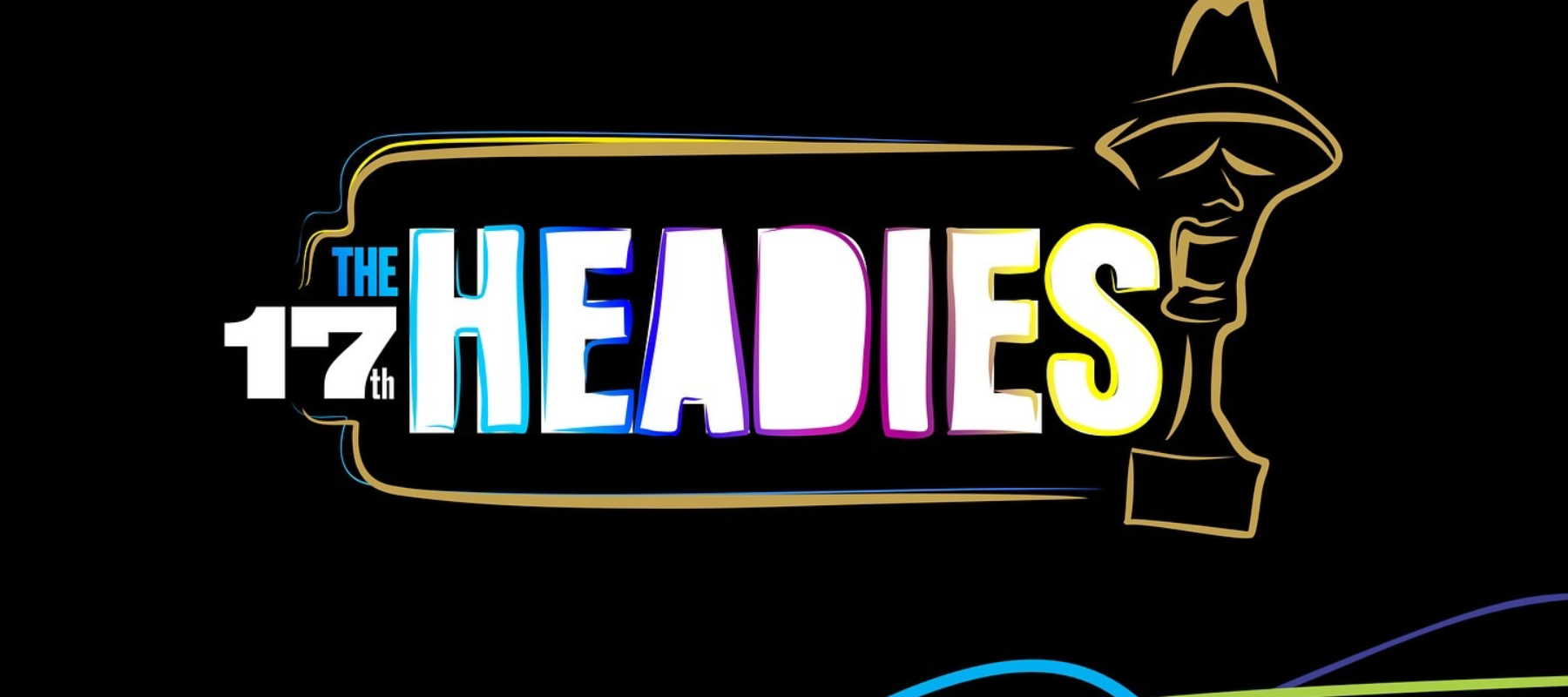
Despite its glorious precedent over the years, the award system is still in dire need of reinvention. From questionable nominations in categories, to technical errors and disappointing productions, and disinterest from artistes, the most prestigious music award has lost the credibility it once stamped on the country. Unfortunately, this is the dilapidating state of award systems in Nigeria.
We scream about the prominent rise of local recognition systems; how Nigerian music needs credible, respected awards that reflect its context, nuance, and variety. Yet, local awards like Headies, Nigeria Entertainment Awards, and others still struggle with credibility issues due to organisational inconsistencies, lack of sponsorships, populist voting processes, and a lack of industry trust.
The last time the Headies Awards was held in April 2025 (two years after being staged in Atlanta), it left a distasteful feeling. What was expected to be a triumphant homecoming turned out to be an underwhelming one: poor time management, missing plaques, missing attendance from nominees, and more that aren’t projected in the film industry.
It begs so many questions and explains why Western recognition is being prioritised. Perhaps Headies isn’t what we need; what Nigerian music needs is a homegrown awards ecosystem with strong standards, transparent adjudication, and category diversity. One that properly celebrates diverse genres, including highlife and Fuji.
Yesterday it was the Grammys, tomorrow, it may be the BETs or even the MOBOs. But one thing is for sure: Nigerians need recognition that honours their music in ways that feel just, authentic, and culturally reflective.
Global awards have their place, but they cannot be the ultimate measure of musical success for Nigerian artistes. Our music industry has grown too vast, too rich, and too influential to be boxed into one category or defined by external validation.
If Nigerian awards can become credible, transparent, and reflective of our own musical diversity, we won’t celebrate only when the world recognises us. We will celebrate because we understand, appreciate, and elevate our own music first. But until then, we will continue to fight a battle that was never ours while begging for a legacy we’ve always deserved.