



Tune in to listen
Bounce FM

Early reports from Nigeria indicate that at least 87 confirmed new HIV infections have been recorded since access to PrEP supplies was cut off in Lagos and Abuja.
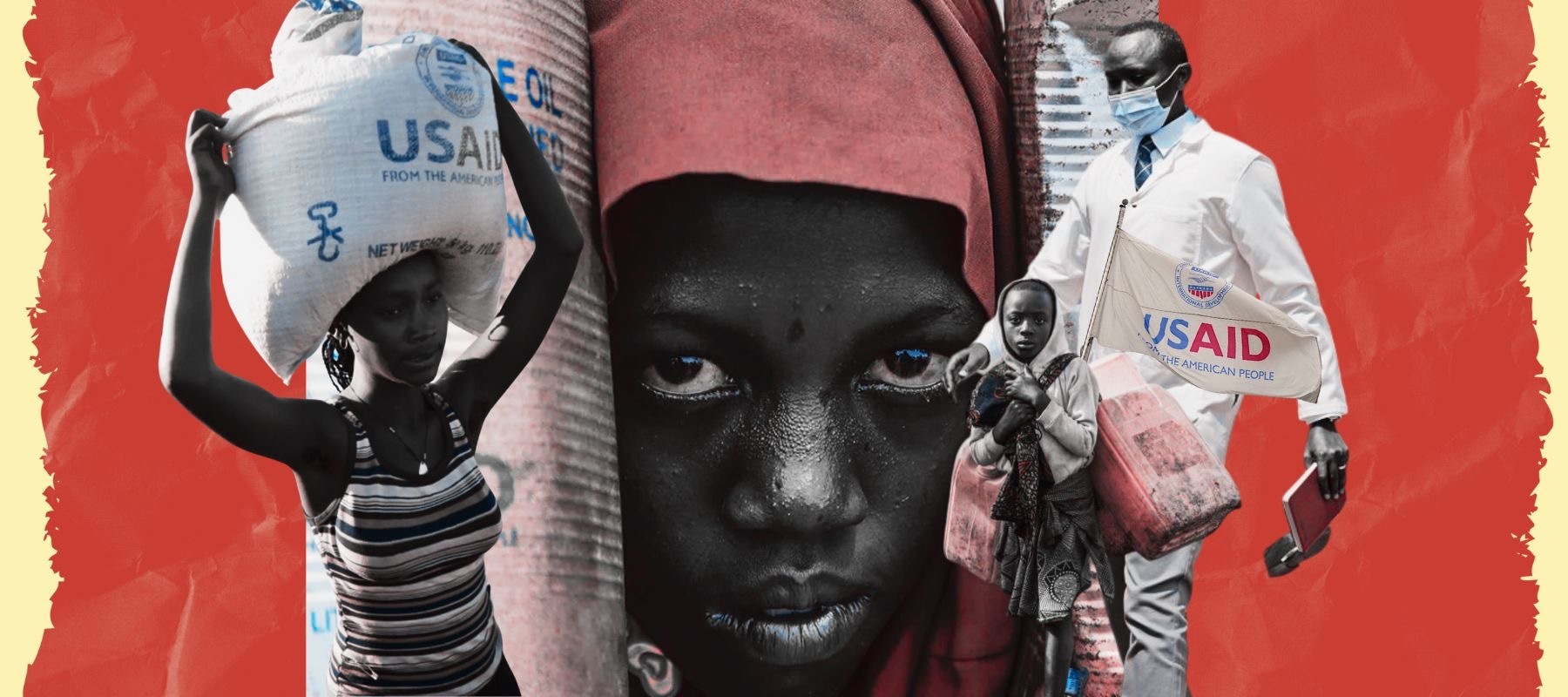
The suspension of major U.S. foreign aid programmes under President Donald Trump is triggering severe humanitarian consequences across Africa, particularly for refugees and vulnerable communities dependent on HIV prevention services. As aid flows dry up, refugee camps are descending into hunger crises, while decades of progress against HIV face a critical threat.
One of the starkest examples of the impact is happening in Kenya’s Kakuma refugee camp, where more than 278,000 refugees now face drastically reduced food supplies. Food rations distributed by the United Nations World Food Programme (WFP) have been cut by 50%, with families receiving just 3kg of rice, 1kg of lentils, and half a litre of cooking oil per person each month. Without sufficient nutrition, refugees, many of whom fled violence in South Sudan, Somalia, and Ethiopia, are experiencing a rapid increase in malnutrition, especially among children. Medical staff in the region have reported that cases of severe acute malnutrition have surged with stocks of fortified porridge and therapeutic peanut paste expected to run out by August.
With the cuts affecting cash assistance as well, approximately 90,000 refugees who relied on monthly transfers of around KES2,000 ($15) to buy supplementary food or medicine have been left without alternatives. The reality for many is that meals are being skipped entirely, while children are increasingly vulnerable to hunger-related illnesses and complications. Humanitarian agencies involved in the food distribution warn that if no urgent funding arrives, Kakuma could soon face a full-scale famine.
The situation in Kakuma is mirrored in other parts of sub-Saharan Africa where U.S. aid has been a critical lifeline for displaced populations. According to Aid in Retreat, a recent study by the Global Development Institute, U.S. foreign assistance to the region has been reduced by $4.6bn in 2025 alone. Across 12 major humanitarian operations in sub-Saharan Africa, the funding gap now stands at more than $7.3bn, placing an estimated 34 million people at risk of acute food insecurity by the end of this year.
Beyond food insecurity, the collapse of HIV prevention efforts across the continent is raising alarm among public health experts. For nearly two decades, the President’s Emergency Plan for AIDS Relief (PEPFAR), funded by the U.S. government, provided the backbone of HIV prevention across much of Africa. That support included the distribution of pre-exposure prophylaxis (PrEP), a medication proven to reduce the risk of HIV transmission by up to 99% when taken consistently.
The recent suspension of this funding has caused targeted HIV services for key populations to disappear almost overnight. Clinics that once provided access to PrEP for groups such as sex workers, gay men, and people who inject drugs have either scaled back or closed entirely. Early reports from Nigeria indicate that at least 87 confirmed new HIV infections have been recorded since access to PrEP supplies was cut off in major urban centres like Lagos and Abuja. Across the continent, PEPFAR-supported clinics served an estimated 2.3 million individuals with PrEP in 2024, but that number is projected to fall below one million by the end of 2025. The disruption extends to essential services like HIV testing, treatment, and even basic condom supplies. While some African governments and organizations are striving to absorb the impact and find alternative funding, the scale of the cuts makes it an uphill battle, risking the lives of millions who depend on these critical programs.
This reversal in progress is not isolated to one country. South Africa, despite operating the world’s largest domestic HIV treatment programme, has seen over 30 community-based HIV clinics close over the past six months. These closures have predominantly affected outreach services targeting marginalised communities where stigma and discrimination often prevent individuals from seeking preventive care in mainstream facilities.
Public health researchers estimate that PEPFAR’s reductions could result in an additional 400,000 HIV infections across sub-Saharan Africa by 2026 if no alternative funding is secured. UNAIDS data suggests that the continent was previously on track to reduce annual new infections by 30% by 2030, but that target is now unlikely to be met under current funding conditions.
At the same time, the international funding landscape is showing signs of contraction. The European Union’s humanitarian contributions to Africa have decreased by 18% since 2023, while private philanthropic efforts have thus far filled only 12% of the $7.3bn regional funding gap. The World Bank has pledged an emergency package of $500mn to support food and nutrition assistance, but aid agencies warn that this is not sufficient to meet the scale of immediate needs.
The convergence of food insecurity and health crises raises growing concerns about stability in already fragile regions. Refugee camps like Kakuma are situated in areas where competition for scarce resources between host communities and displaced populations has historically caused tension. If hunger and disease continue to worsen, there is a heightened risk of social unrest, further displacement, and instability spilling over national borders.
The cuts have come at a moment when African countries are still grappling with the economic aftershocks of the COVID-19 pandemic, rising debt burdens, genocides, and climate-related disasters including prolonged droughts affecting agricultural output. Humanitarian agencies caution that the combination of these pressures could overwhelm existing government and aid capacities, pushing some communities beyond recovery. Unless new sources of funding are secured immediately, the dual crisis of hunger and HIV risks driving a major humanitarian reversal across Africa. With 34 million people already facing acute food shortages and millions more exposed to preventable disease, the window for effective intervention is closing rapidly.