


Tune in to listen
Bounce FM

For a country that is built from diverse culture and traditions, Nigeria arguably has more raw material than most countries to build its own comic empires.
Nigerian stories are everywhere, in film, music, and increasingly on global platforms. But in comics, Nigeria is almost invisible.
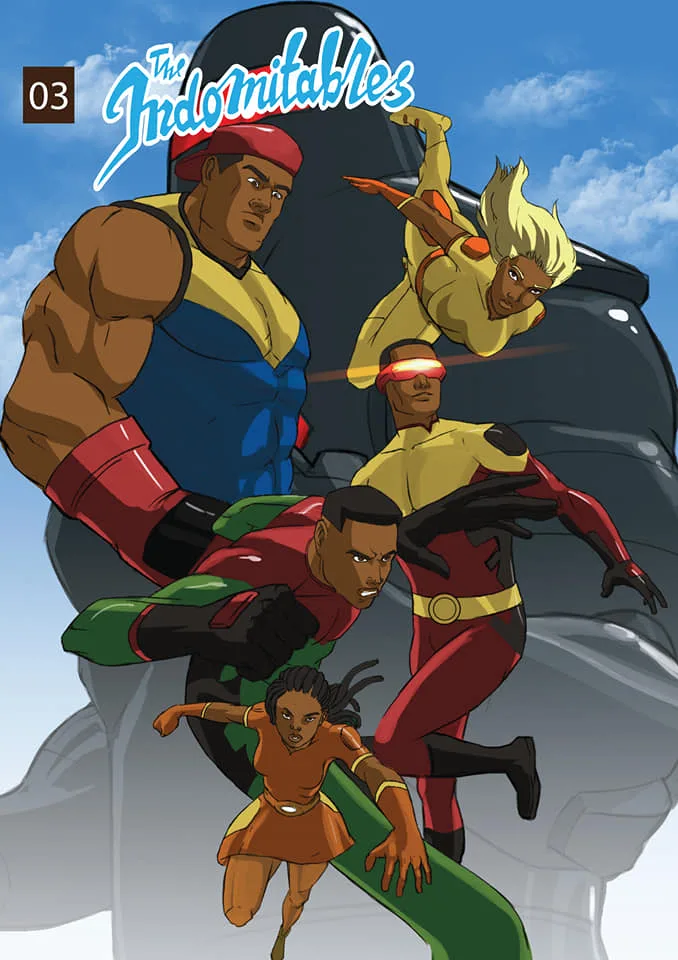
But this has never been a case of untapped potential. From early pioneers like Andy Akman who published the first Nigerian superhero comics, Captain Africa, and Wale Adenuga’s comedic Ikebe Super comics to the early 2000s of the Pan-African football-themed Supa Strikas, and contemporary children-inspired Indomitables; Nigeria has never had a failure of stories or creativity in making comics.
Yet, it lacks a dominant comic empire that has sustained the culture and generated substantial revenue for the economy.
According to the Bookause 2025 Nigeria comic industry report, the global market value of the comic-book industry (the US, Japan, Korea, and Europe) was estimated at USD 17.62 billion in 2024. Japan accounted for the largest share, with revenue of USD 4.66 billion, and is expected to reach USD 9.61 billion in 2033, while the US generated USD 1.9 billion. Yet the Nigerian comic book industry accounted for only 0.67% of the global market.
Global comic giants didn’t just create characters, they built systems that made those characters impossible to ignore. Since the early characters of Marvel Comics, like the Fantastic Four, launched in the 1960s, they have not only remained a staple in the Marvel universe but also have evolved in their stories, been interconnected with other comics, and been adapted into some of the biggest films and television shows.
This success is the same for Japanese Manga and Korean Manhwa, where comics gained widespread visibility through retail store pipelines and digital distribution.
In 2001, when Tomi Davies facilitated the launching of Supa Strikas via his angel investment in the South African company Strika Entertainment, it would go on to revolutionise the comic culture across the continent. And would eventually be adopted by Disney for TV. A testament that African comics can actually work globally.
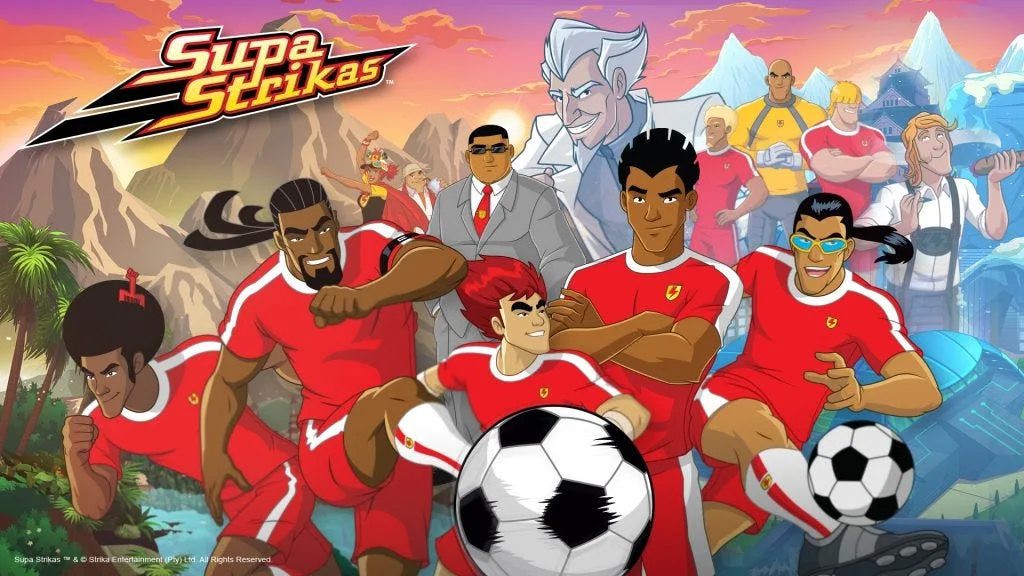
But its success was beyond being “African” but more about structure dwelling on the story of football. “We Africans love football,” Tomi Davies said in a 2021 interview with Tech Cabal.
It wasn’t a coincidence that the most famous comic in Nigerian history is essentially a football story. For Nigerians, football is more than just a sport. From young boys kicking the ball the moment they learn how to stand, to playing among friends, and some eventually joining the pro leagues, while others banter it out at community viewing centres; it was culture.
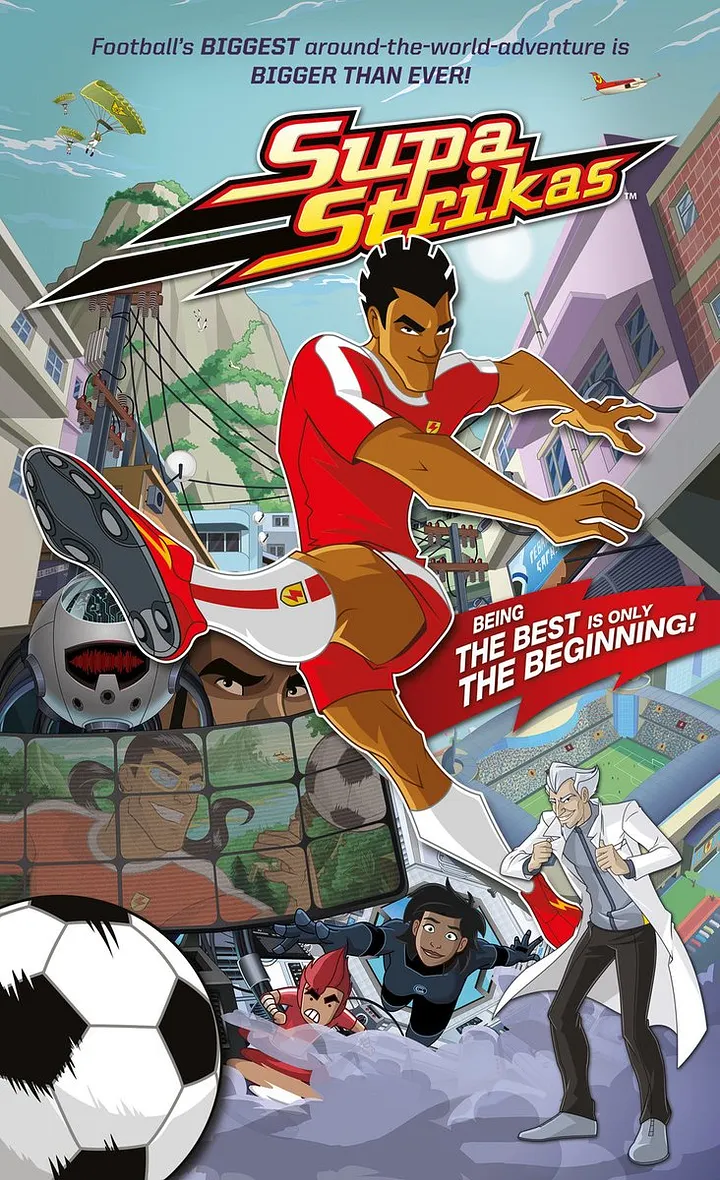
So when the board at Strika Entertainment created a football comic that mirrored the life of a Shakes and his teammates with exciting adventures across the world, it ignited something in every child at the time. The comic centred on this universal language, making it easy to export 1.4 million copies per month in 16 countries in Africa.
And with brand sponsorships from Texaco, GTB, Nike, and more, licensing and distribution (across Fuel stations and the defunct Mr Biggs) powering it, commercialisation was inevitable. Whereas today’s comic projects in Nigeria are still built as creative expressions and not scalable franchises.
For a country that is built from diverse culture and traditions, Nigeria arguably has more raw material than most countries to build its own comic empires.
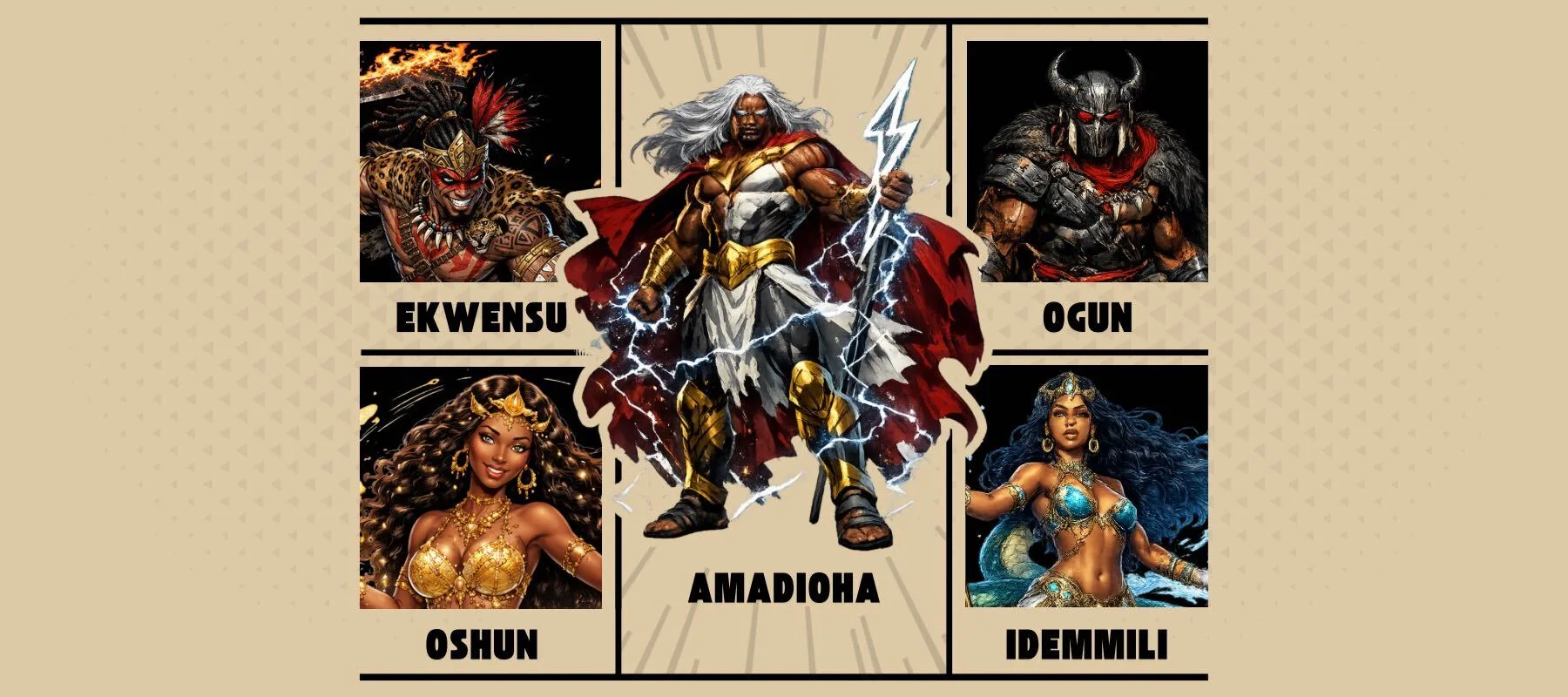
From Yoruba deities like Ogun and Sango, Igbo mythological beings like Ikenga and Amadiọha, to modern street narratives, the country is saturated with stories that could easily power entire cinematic and comic universes. Countries like Greece understand this and it’s why their folklore powers comics and films. There is a chance that a 12-year-old child knows more about Zeus and Hercules than he has ever heard about Sango or Amadiọha.
Perhaps the effect of colonization serves as a counterpoint to the underutilization of our stories. Although in recent years, creators, studios, and key players like Comic Republic and Spoof Animation have worked to build characters and advance African superhero narratives.
And while there are other notable exceptions like YouNeek’s Iyanu: Child of Wonder airing on Cartoon Network, what mainly exists in the Nigerian comic scene is a collection of efforts that haven’t been able to scale beyond niche communities.
The Nigerian comic-book market was reportedly estimated to be USD 106.74 million in 2025, yet the industry still suffers from a lack of a scalable system.
Distribution Gap
Unlike its global counterparts, Nigeria lacks dedicated and dominant comic platforms like retail stores and physical comic bookstores, forcing creators to rely on informal distribution models that limit revenue and visibility.
The results of these factors have forced creators to rely on social media and digital platforms, where they compete for the same visibility with other forms of content.
While digital platforms account for 46% of the comics market, distribution challenges significantly limit the Nigerian comic industry’s creativity, sales, and relevance.
Funding, Monetization and IP Dilemma
According to the Bookause Report, the average cost of a comic issue is estimated at ₦375,000, excluding printing and marketing. Leading to the sales of comics as high as ₦4,000 per copy.
Funding remains one of the biggest barriers as most Nigerian comic creators operate independently, relying on personal resources or limited support. There is also little access to government and institutional funding, and even less to investors willing to bet on long-term intellectual property.
And unlike most global giants who have built monetisation pipelines for their stories and characters beyond comic pages, Nigerian creators struggle to make comics that can be adapted for film and television.
These are critical problems because comics are not short-term products. They require time, consistency, and patience—three things that Nigeria’s creative economy rarely prioritises.
Talent Drain & Direction
In an industry where skit makers can go viral overnight and musicians can monetise quickly, comics feel slow, expensive, and uncertain. So creators either burn out or pivot to more stable industries like tech, advertising, or international freelance markets where their skills are better compensated.
What this creates is a paradox where Nigeria trains creative talent but exports its best potential. So while people are reading, engaging, and sharing, the system fails to capture the value they create.
Although consumption has already shifted online, with webcomics like Vortex247 and TAG Comics becoming the dominant mode, a growing population of young, digitally native audiences is increasingly interested in African stories and visual culture.
But the future of Nigerian comics will not be determined by how many stories we have. It will be determined by whether we can build systems around them.
That means shifting from a project-based mindset to an IP-driven one. Creators will need to think beyond single releases and start building characters that can live across multiple platforms. Our stories must be designed for adaptation—into animation, film, games, and merchandise. Notable mentions include Comic Republic’s partnership with Japan External Trade Organization (JETRO) to produce the animated adaptation of the acclaimed Nigerian graphic novel Trials of the Spear.
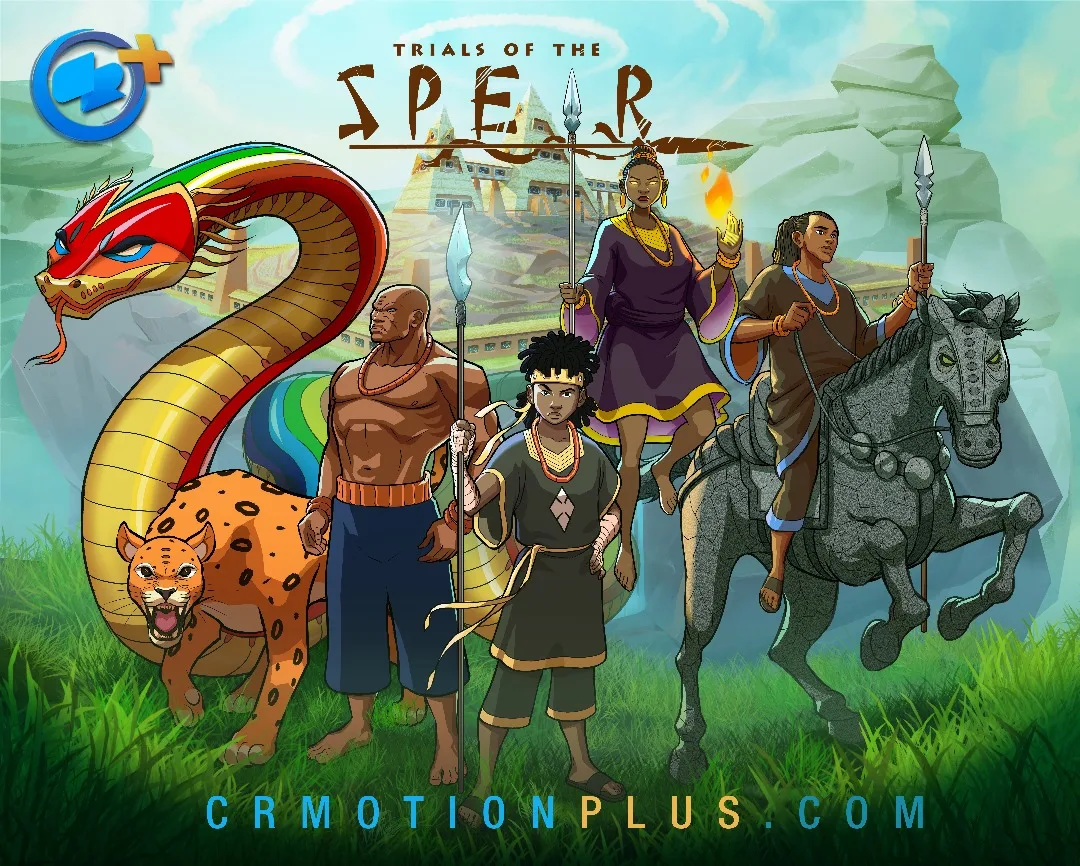
While digital-first distribution should be empowered, in-person and walk-in platforms must be supported to prioritise consistency and audience retention. This can be made possible through commercial brand partnerships.
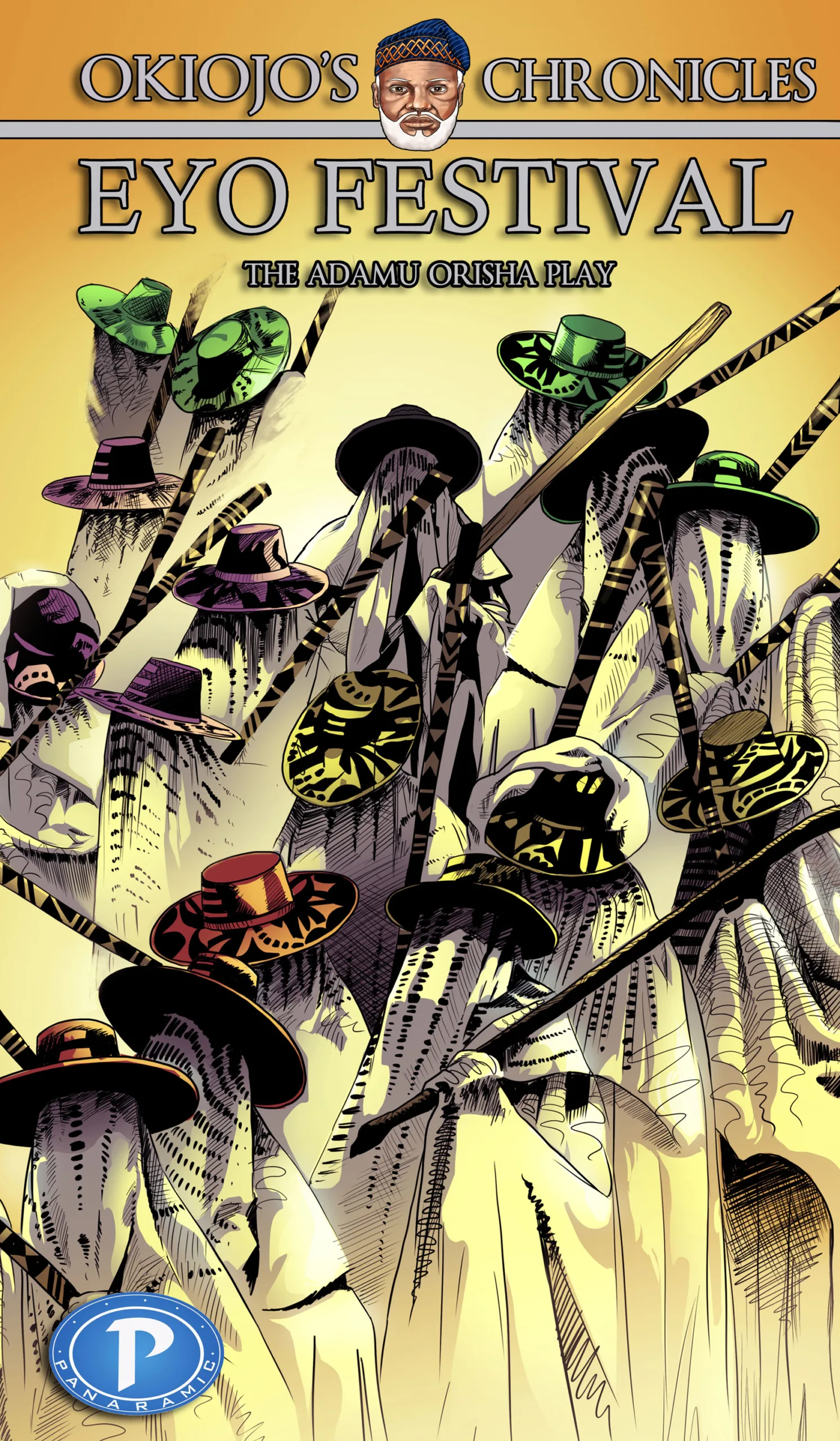
At the same time, educational literacy and integration strategies can be employed. Thanks to Lagos State Government’s partnership with Paranamic Entertainment, comics like Okiojo’s Chronicles have been adopted into public schools and also at the Grand Valley State University in the US.
While brands like Lagos Comic Con, Comic Con Ibadan and The Ace significantly aid the comic culture in the country, there needs to be collaboration between creatives, investors, and tech platforms to create sustainable pipelines.
Nigeria doesn’t need more stories. It needs systems that allow those stories to live, scale, and pay. Until that happens, the comic industry will continue to produce talent, ideas, and characters, and watch them succeed everywhere except at home.