


Tune in to listen
Bounce FM

With BSide, oSHAMO spoke at length about his roots in Fuji, the renewed relevance of the genre in global pop spaces, the realities of building a career from the diaspora…
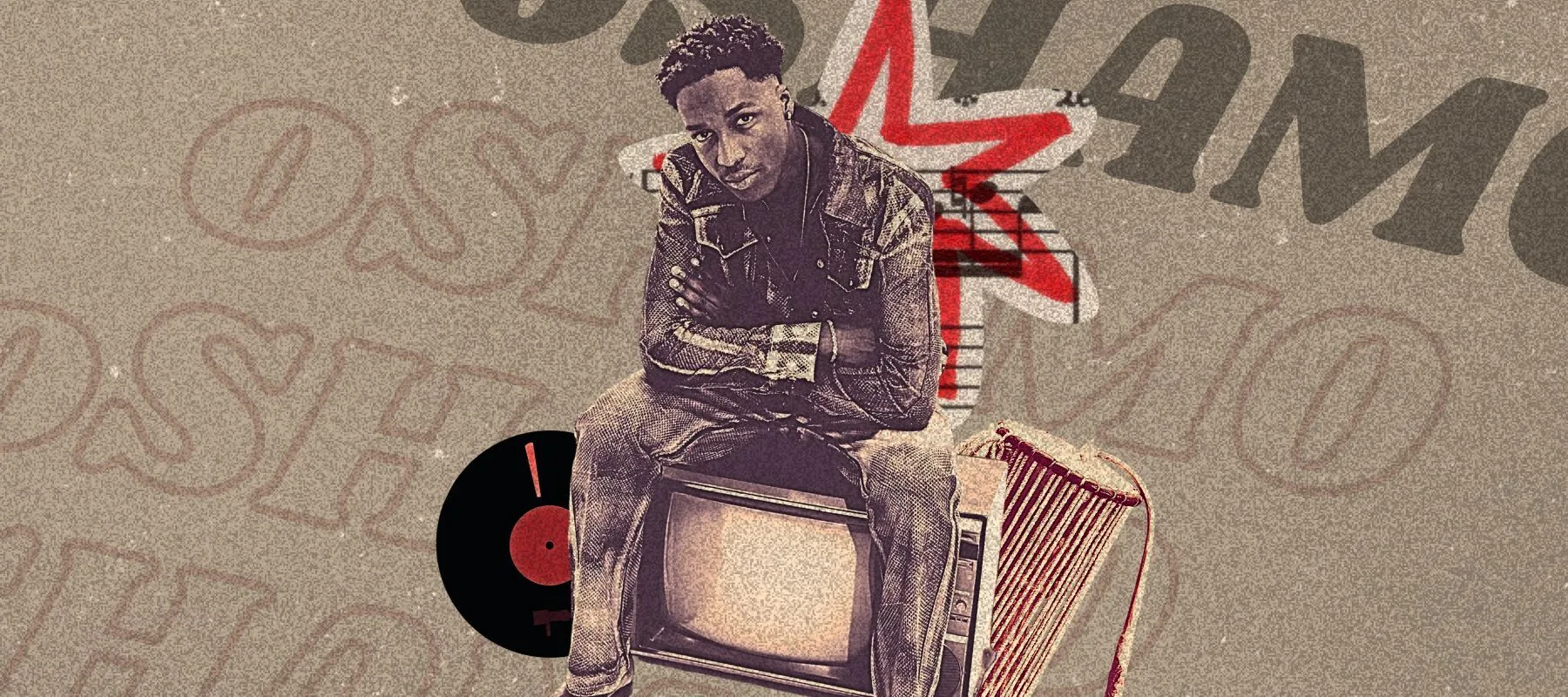
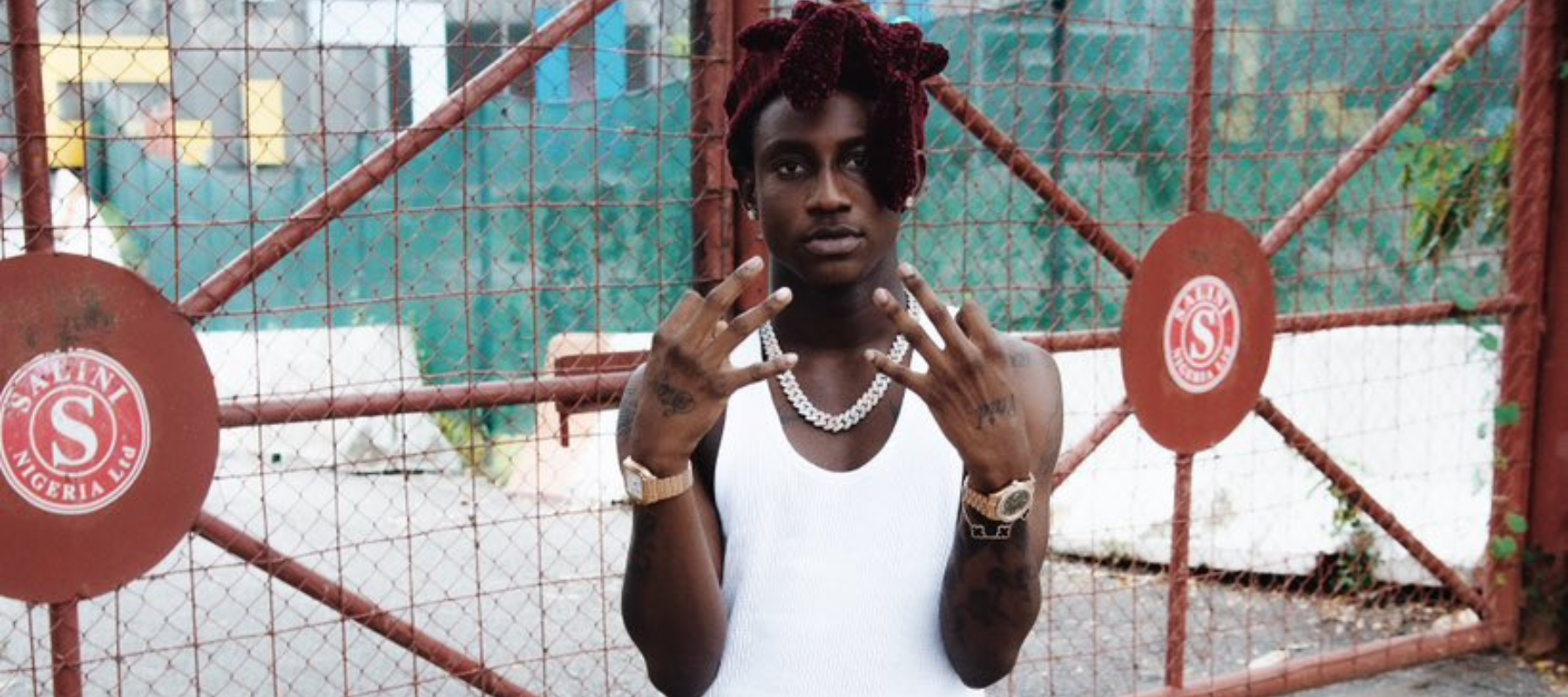
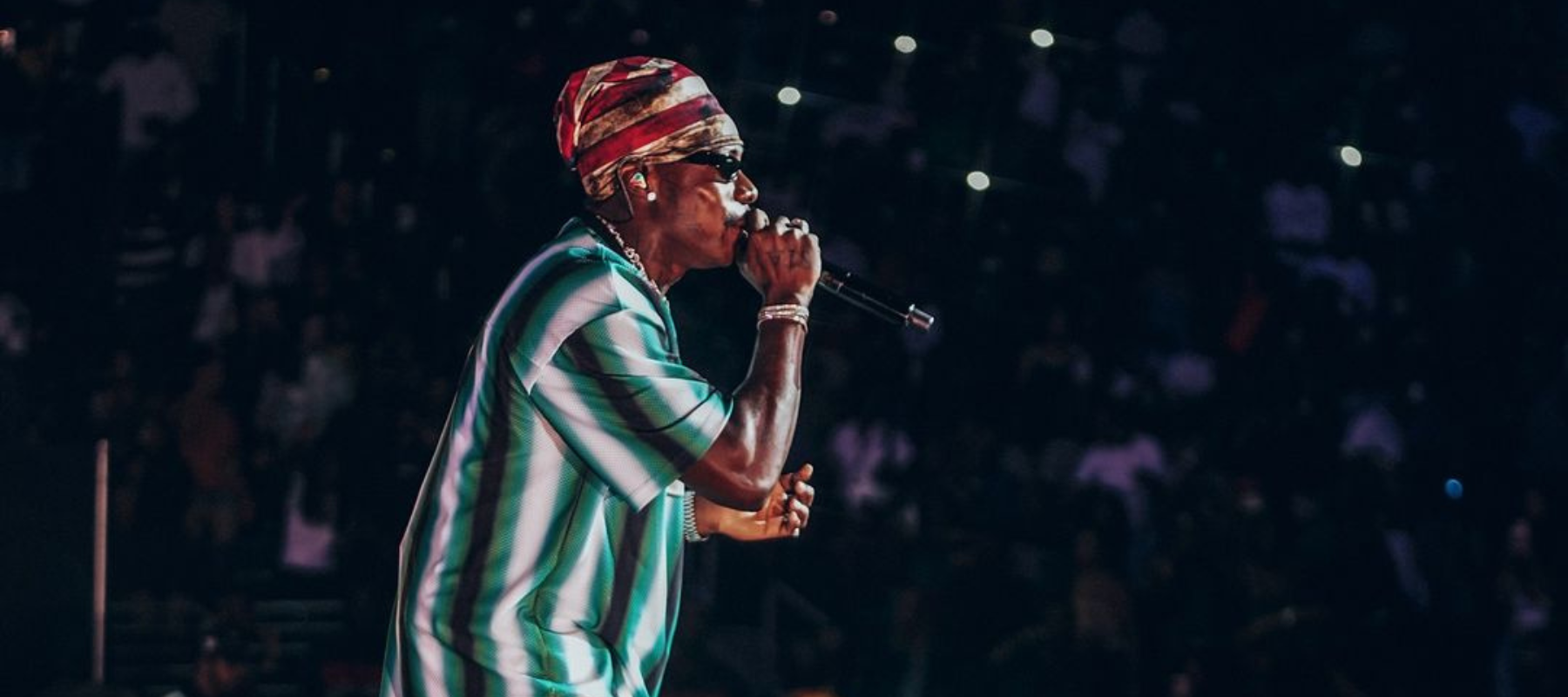
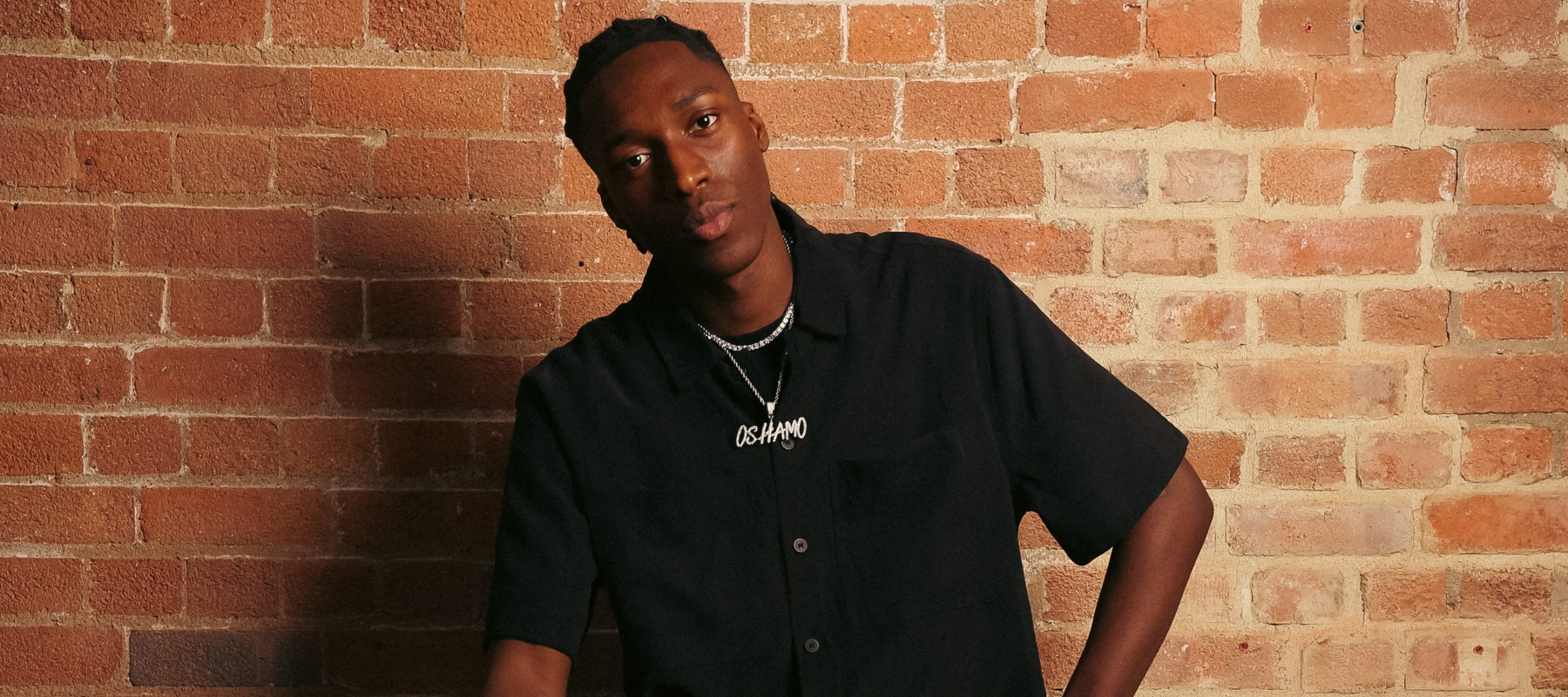
oSHAMO is easily one of the most distinct Afropop stars today. About three years after his breakthrough, the 23-year-old has maintained Fuji as the basis of his sound and style, distilling the music he grew up listening to into various pop forms that transcend borders while staying attuned to the zeitgeist.
With the undeniable crispness in his tonality and the Fuji bounce that often defines his delivery, frequently threaded through Afrobeats and Afrofusion, oSHAMO has built a sonic identity that stands apart. Much of this can be heard on his debut EP, First of My Kind, released in 2024 and anchored by standout tracks like “Life of the Party” and “Alaska.” The emPawa Africa signee maintained the Fuji-pop streak on his sophomore EP I D R I S last year, which featured the emotive “Hallelujah” and the viral track “SuperFuji (Gobe)”.

Born and raised in Lagos but now based in London, oSHAMO, like a handful of other Nigerians in the diaspora, had his fair share of almost losing himself, and by extension, his sound to Western culture. It is the reality of Nigerian adaptation, as he succinctly describes it.
“I realised the only way I can stand out in the UK is just by being myself. And that’s literally Fuji. I went back to the roots. I took it back to the beginning. You know, before there was Afrobeats, there was Fuji. So I literally just went back to where everything started. And that’s where I find true expression and connection,’’ he told BSide in a recent conversation.
Beyond the distinctness of his artistry, it is also striking how the artist born Idris Lawal has leveraged digital platforms, particularly TikTok, as a potent pillar in his growing profile. Many factors have worked in oSHAMO’s favour since his emergence roughly three years ago. Still, the scale and consistency of his social media activity remain an especially compelling part of his rise.
Take “Shina Rampe,” his first single of the year and a likely inclusion on his forthcoming debut album expected later in 2026. Within two weeks, the track had already generated over 400,000 uses on TikTok — remarkably, even before its official release in early February. For the 23-year-old, this kind of traction is no accident. oSHAMO understands the increasingly central role digital platforms play in influencing music discovery and audience connection in the modern era.
In this conversation with BSide, he spoke at length about his roots in Fuji, the renewed relevance of the genre in global pop spaces, the realities of building a career from the diaspora, and more.
The interview has been edited for clarity and length.
What specifically made you commit to Fuji as your foundation, and how have you navigated staying true to it despite your growth and the industry’s ever-evolving stride?
I love that statement, “ever evolving.” You have to evolve with it. Back in 2023, I used to do a lot of Afrobeats and R&B-type music because I was practically lost in the UK. And as Nigerians, the default is always to adapt. We learn to do anything just to cope.
So moving to the UK, I got lost in the sound, culture, accent, and everything you can think of getting lost in. I was even considering making drill at some point because I felt I needed to do what they do.
Then I had my first big break with the Afrobeats track “Why You Lying” I started getting called to perform at shows. But I always felt a disconnect between what I was singing and what it really meant to me. You know when you sing something, and you can feel it from the depths of your heart? I was not feeling that. There was no connection between the art and the artist. That was when I took a step back and really tried to find myself. And finding myself made my life much easier.
At first, I was thinking, who would I be deceiving by singing in Yoruba in the UK? Who is going to listen to that? But we tried it. I started easing myself into it in the studio. I began using Yoruba more in my songs. And I realised that every time I left the studio with a song on my phone, I felt connected to it. Every word that came out felt true to me.
Along the line, I realised the only way I could truly stand out in that country was by being myself. And that is literally Fuji. I went back to the roots. I took it back to the beginning. Before there was Afrobeats, there was Fuji. So I went back to where everything started. That is where I found true expression and connection.
What do you think about the renewed relevance of Fuji?
Right now, I think anything new will win in the market. People want something fresh.
If you look at how Afrobeats evolved from songs like “Skelewu” and “Shake Body” to the more westernised tracks today, I think Fuji and some of these other genres are entering a similar phase. Afrobeats is still our biggest genre, of course. But people are tired of hearing the same thing repeatedly. They want something different.
Artists are also realising they do not have to stay confined within Afrobeats. There are many genres to explore. Sometimes, Nigerians follow trends too much. When something works, everyone tries to copy it. But sometimes your own path is something completely different. Fuji finding relevance now is simply artists discovering their identity and expressing it.
You are London-based, but your music is very Nigerian. How do you balance being influenced by the UK environment while still creating music rooted in Nigeria?
That is a very thoughtful question. And honestly, it is one of the reasons I am currently in Nigeria. I have been in Nigeria since November 2025 because I am working on my album. The thing is, when you stay in a foreign land for too long, you begin to lose some connection with your cultural identity. As you can see, within just a few weeks after my return, I already came up with a buzzing song like “Shina Rampe.” It would have been difficult to make that outside Nigeria.
View this post on Instagram
My music is very experience-driven. I take inspiration from the things I see and hear around me. Being here naturally feeds that creativity.
How would you describe the artist and person you were when you were relatively unknown compared to the artist you are now?
Naive. I was very naive.
I was uneducated about the business side of music and even life generally. At that time, I was probably about 18 or 19. My life had only just started properly. I was still living with my parents. A lot of things were just happening, and I was realising I needed to learn about them.
The difference between the oSHAMO or Idris Lawal of then and the oSHAMO now is really just years of knowledge and steady education about the music business. My personality is still the same. Nothing much has changed in that sense. It is mainly knowledge and experience.
Can you give a practical example of that naivety?
Professionally, I started music around 2022, and things began picking up around early 2023. At that point, I did not even know what publishing was. I did not know many of the basic things artists are supposed to know. I had no mentor. I had no manager. I was basically by myself.
I distributed my songs through platforms like TuneCore or DistroKid. Even simple things like licensing songs were things I did not understand. I used to take beats from YouTube, screen record them, go to the studio, sing on them and release the song. That was literally how it was. A lot was going on, and I was just learning everything as it came.
I have noticed that you are quite open about sharing knowledge with emerging artists. That is not very common, especially for someone who is still rising. Was there any early career experience where you felt underinformed or unsupported, and that is why you are intentional about giving back now?
Yes. I have actually not even started half of what I want to do on my platforms, because that is really one of the few things I want to stand for in the industry. I want my platform to be some form of help. If it is not financial help, there are still many ways to help artists.
When I first started blowing up, there were a lot of misconceptions and advice I heard from older people in the industry. Some of those things had some truth in them, but they were not always entirely accurate.
So now I try to pass down what I have learned. I want to tell younger artists that some of the things we grew up believing about the industry are not always true. There are other ways to approach your craft and your career. For me, it is about putting artists in the best possible position, even if it is just through knowledge.
Even now, there are still many things I am learning. The music business is much deeper than most emerging artists imagine. Most people only see the glamour and the fame, but the business side keeps evolving. Even veterans are still learning new things every day.
That is why I try to share information. When I was in the UK, I had many conversations with older artists before I blew up. Some things they told me did not completely make sense to me, but I did not have the experience to challenge them then. Over time, I realised that while some of it had truth in it, it was not always the full picture.
So I share these insights so younger artists do not make certain mistakes.
What’s one common mistake you see emerging artists make today?
One major thing is the obsession with numbers.
A lot of artists want to go from zero monthly listeners on Spotify to three million overnight. Everybody wants that sudden big break. They feel like they have been putting in the work, but many are not ready to build gradually.
You should be able to go from zero listeners to maybe 500 first. Celebrate that. Then move to 1,000. Then 2,000. The same with shows. Maybe you start performing for 50 people, then 100, then 150. That process is important.
Many artists just want that one song that suddenly blows up and changes everything. But in reality, that can sometimes be the worst thing that happens to an artist if they are not prepared. If you do not have a team, management or the right support structure, a sudden viral hit early in your career can actually hurt you.
When people mention oSHAMO, your TikTok activity often comes up alongside the music. Beyond the numbers you have on the platform, how important has it been to your growth?
It is unquantifiable. I tweeted something a few months ago that the day I meet TikTok’s founder, the Yoruba in me might prostrate. That is exactly how significant the platform has been for me.
When I finally meet the CEO of TikTok, the Yoruba in me might prostrate to thank him for creating the best app ever.
— oSHAMO🇳🇬🇬🇧! (@official_oSHAMO) January 9, 2026
TikTok has really helped music artists. If you are determined, the platform does not require huge spending to push your music. You just need to position yourself well and market your song properly. Consistency and creativity matter more than budget.
Instagram used to work like that before, but the algorithm changed. Now, sometimes only a small percentage of your followers even see your content. On TikTok, you can have ten followers and still get a million views on your first video. For example, my last EP, I D R I S, had almost zero marketing spend. The only money we spent was on clearing the songs. Everything else came from TikTok pushes. It was all organic.
Where would you say you currently stand in the Nigerian music industry, and what role do you think you are playing within it?
I see myself as an ambassador of the culture, and the Nigerian sound as a whole. I feel like, despite the fact that the bigger artists are doing their thing and putting the sound and culture on the map, I can do my bit too. This is paramount to what I stand for.
Additionally, I think I am positioning myself as someone who takes the sound to the world. As bad as this might sound, people in Nigeria already know Fuji. The older folks love it, and some of the younger ones are growing to love Fuji. The next step now is introducing that sound to new audiences globally, and I want to be a big part of that.
What’s one uncomfortable truth about the Nigerian music industry that more people need to acknowledge?
The belief that you need one big co-sign before your career starts. I mean, it helps to have those endorsements, but I believe that if you are an artist who does not have the drive for it, an OG co-sign does not really mean much at the end of the day. Davido, Burna, or Wizkid’s verses cannot give you a career, as bad as that may sound. It will only give you a spotlight, maybe for a maximum of one or two months, depending on your budget. That is as far as it gets. Everything falls back to you.
Some artists believe that since they are just starting their career, if they can get an OG’s verse, that is it for them. I have been put in that position by some artists, too, but in reality, there is nothing my verse can do for you if you have not built something substantial for yourself. You need to do something for yourself first. Then whatever we work on can amplify it.
Do something for yourself. Do not wait for the big names to come and help you out. Do something for yourself first.