


Tune in to listen
Bounce FM

Electricity is not a luxury. It is a basic amenity and Nigeria has formalised a system that treats it otherwise.
For several months now, many Nigerian households have gone days, sometimes an entire week, without electricity. Those lucky enough to get any power at all receive just a few hours daily, often in the dead of night when it is of little use to anyone. This has been the reality since before Christmas Day 2025, when most Nigerians spent the festivities in darkness. The reason is not mysterious. Sixteen of Nigeria’s 33 power plants were offline, as of Tuesday, March 17, crippled by a ₦6.8 trillion debt that has been accumulating since 2015 — money owed to the generation companies (GenCos) that produce the electricity in the first place. They cannot maintain their machines. They cannot pay for gas. So they shut down. Nigerians who can afford generators — the only fallback — are now running them at ₦1,250-₦1,300 per litre, up nearly 40% since the Middle East war sent crude past $100 a barrel.
Heat.
No light
Fuel is N1,300.
Everyone is looking like zombie.
— Morris Monye (@Morris_Monye) March 10, 2026
But most cannot afford even that. And so, they sit in the dark. But not all Nigerians.
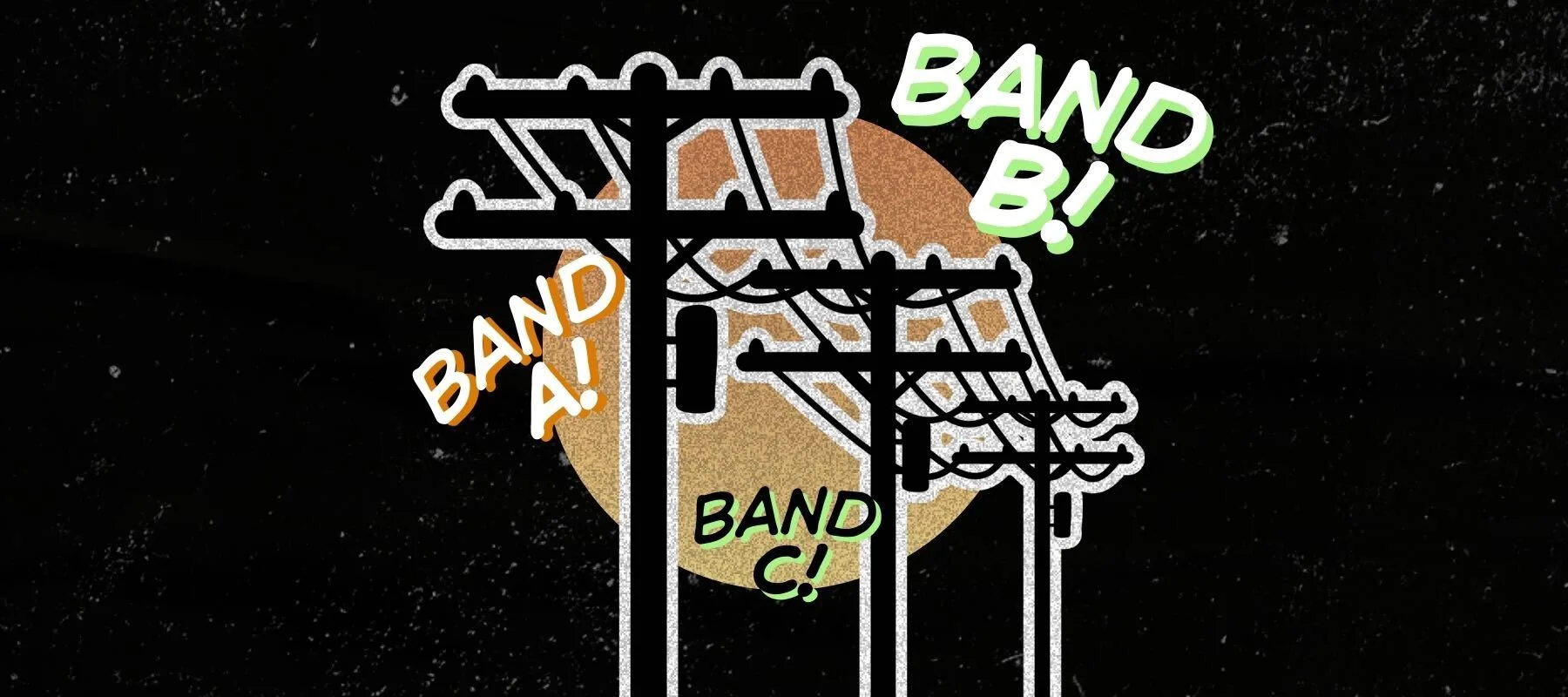
One group has been largely insulated from the crisis: Band A customers, roughly 15% of the country’s electricity consumers, who are guaranteed a minimum of 20 hours of power supply per day under the Service-Based Tariff system that the Nigerian Electricity Regulatory Commission (NERC) introduced in 2020 and dramatically expanded in 2024. While the rest of the country navigates days of total blackout, this group keeps the lights on.
And that, more than any other detail about Nigeria’s electricity crisis, is what deserves more scrutiny. Electricity is not a luxury. It is a basic amenity and Nigeria has formalised a system that treats it otherwise.
The fine print makes it worse. NERC built a compliance mechanism into the band system: Distribution companies (DisCos) that fail to deliver promised supply hours face penalties. But those penalties only apply to Band A customers. Under the system’s own framework, no Nigerian household should go a day without at least four hours of electricity. That is the minimum of the lowest band, Band E. In practice, many communities go several days without power and no one is sanctioned. DisCos deprioritise the 85% without consequence, because the system was never really designed to protect them. It was designed to deliver for the premium tier and manage everyone else’s expectations downward. Public infrastructure — a basic amenity — has been turned into a commodity, with a handful of corporations picking winners and losers in a society that is supposed to be free and equal.
No light for over 48 hours 😭
Honestly, we need a permanent solution to electricity in this country.— Mariam🤍✨ (@Just58Mira) March 13, 2026
There is an irony worth noting. Even the privileged 15% are victims of this system. Band A customers pay an exorbitant tariff for what, in any functioning country, would be a standard service. They carry a burden that should not exist. If the government had invested in equitable generation and distribution, the cost would be shared across a larger base and no single group would need to pay a premium simply to keep their lights on past midnight. The band system did not create winners. It created a smaller, more expensive class of the less badly-served.
None of this happened by accident. Electricity has remained a recurring campaign promise across successive administrations, yet supply continues to deteriorate. The electricity crisis, it turns out, is not a problem Nigeria’s leadership is under any real pressure to solve.
“By all means necessary, you must have electricity. If I don't keep this promise and I come back for second term, don’t vote for me.” – Tinubu, 2023.
Don’t say anything.
Just watch this video. Retweet and share.
Make sure everybody around you sees it.
pic.twitter.com/2hi49s6rC7— OurFaveOnlineDoc 🇬🇧 🇳🇬 (@OurFavOnlineDoc) March 4, 2026
Nigeria has not just failed to fix electricity. It has normalised inequality within it and then regulated that inequality into law. The band system is a formal declaration that some Nigerians deserve light and others deserve to manage in the dark. Public infrastructure exists precisely because a society has agreed that certain things are too fundamental to be rationed by wealth or geography. When a government abandons that principle, it is not making a technical decision. It is making a moral one; deciding, in writing, who counts and who doesn’t. For the vast majority of the country sitting in the dark tonight, not because there is no solution but because the solution was allocated to someone else deemed more worthy, that decision says everything about where they rank in the country they were born into.