



Tune in to listen
Bounce FM

The festival, founded by Chioma Ude, will celebrate the people and ideas driving the next chapter of African cinema.
The 15th edition of the Africa International Film Festival (AFRIFF) is scheduled to be held from Sunday, November 1, to Saturday, November 7, 2026, in Lagos.
Taking place under the theme “Frames of the Future: Africa’s Creative Intelligence,” the festival is expected to feature various events aimed at celebrating African cinema and the creative minds shaping its future. It will also spotlight innovation, investment and enterprise in African cinema, exploring how African stories are created, financed, experienced and shared with the world.
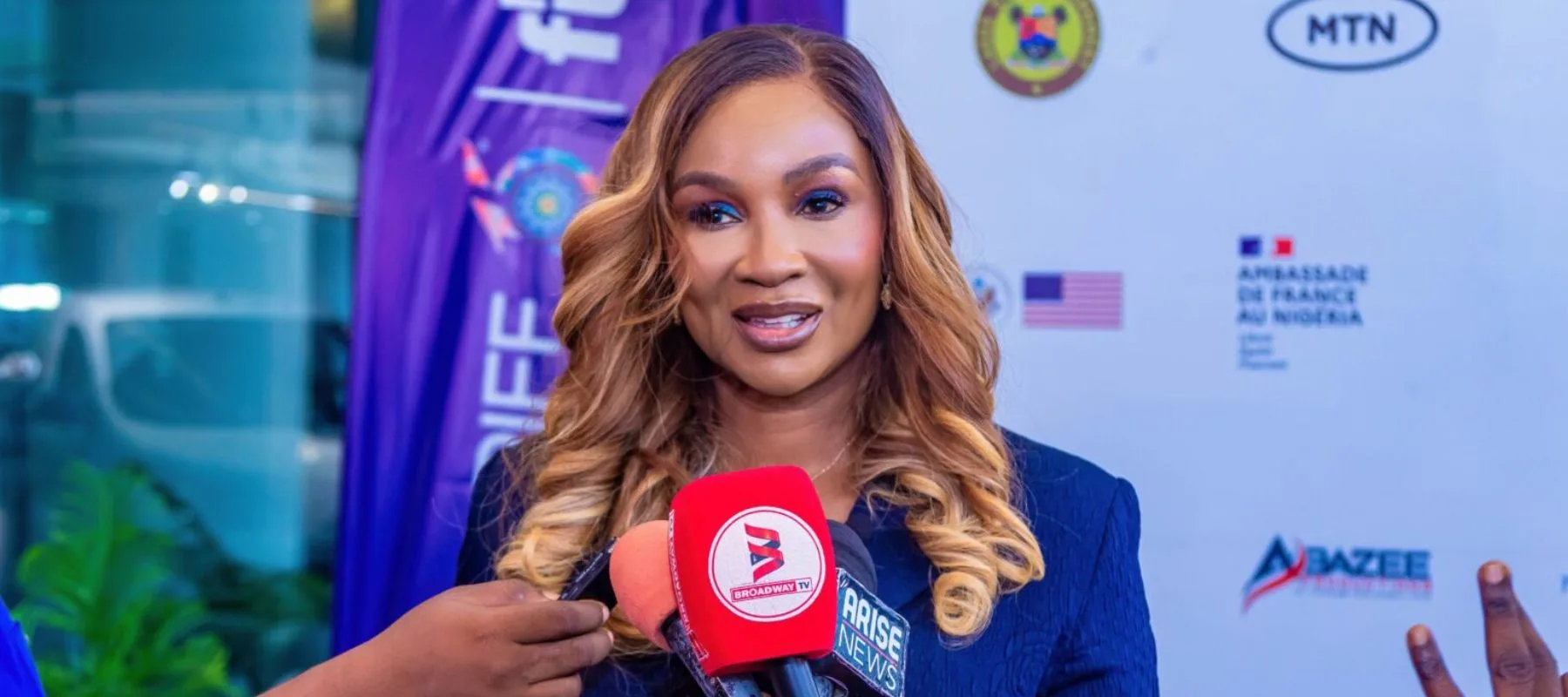
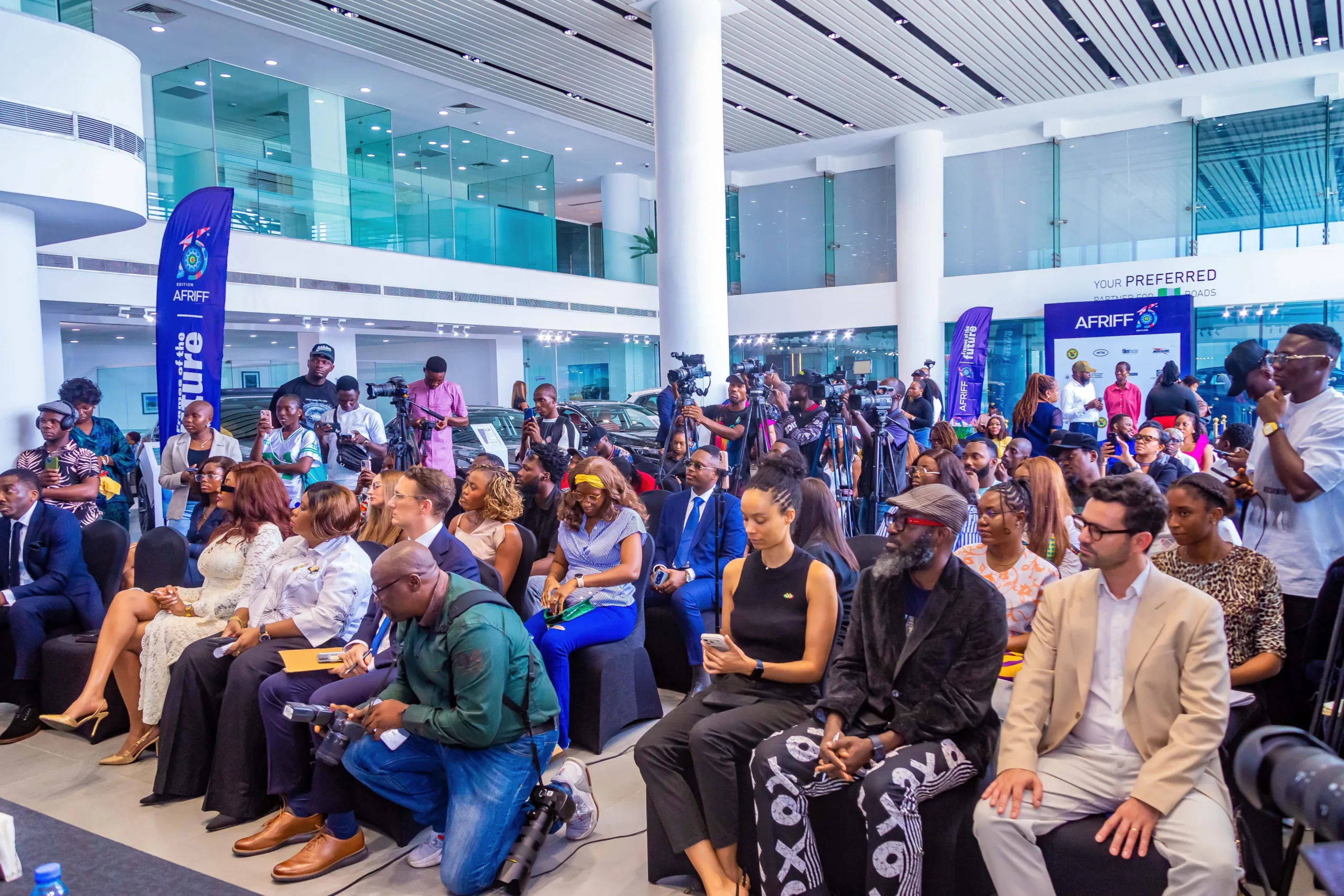
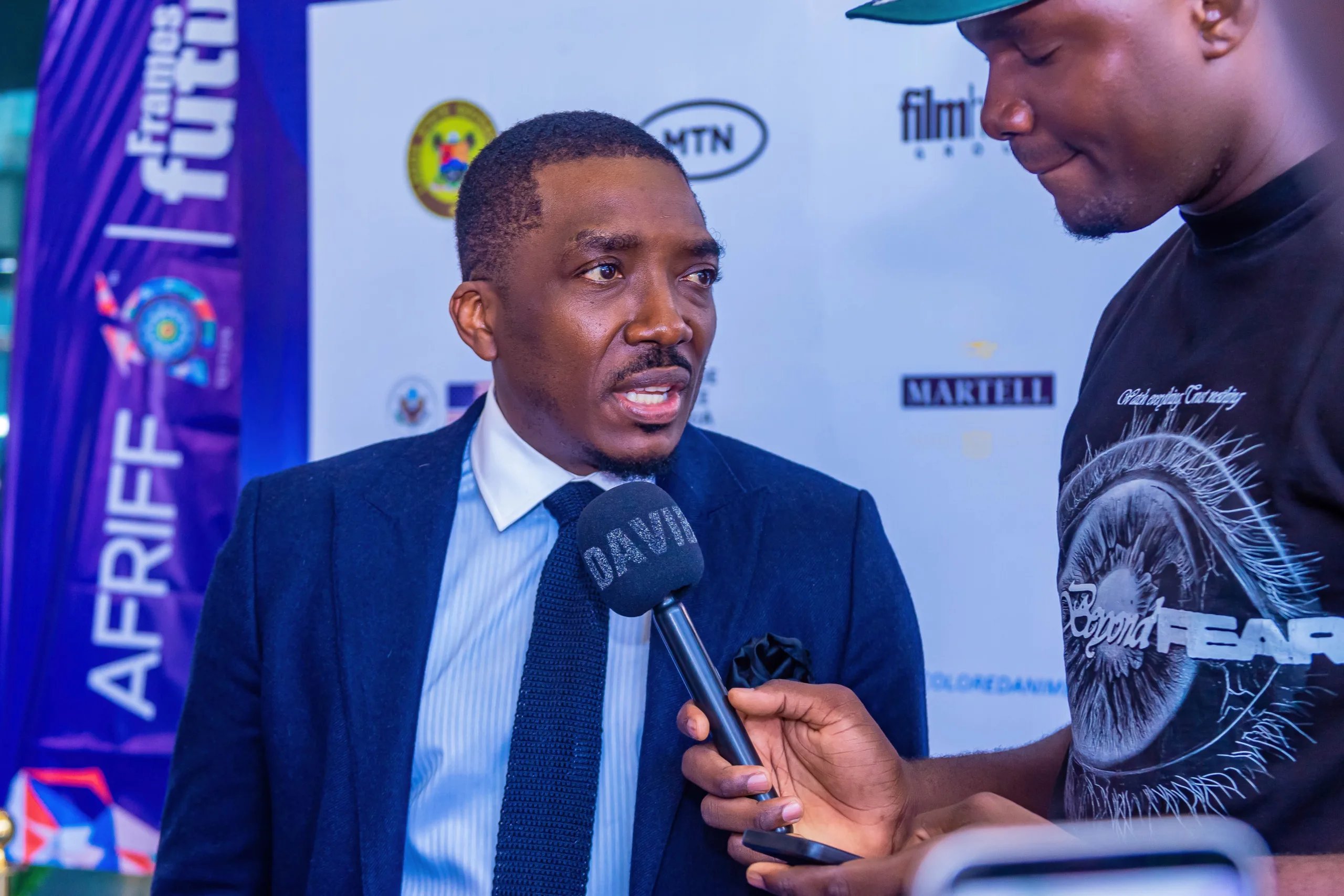
The festival, founded by Chioma Ude, will celebrate the people and ideas driving the next chapter of African cinema, Ude disclosed at the official AFRIFF Press and Stakeholders Conference held on Thursday, October 15.
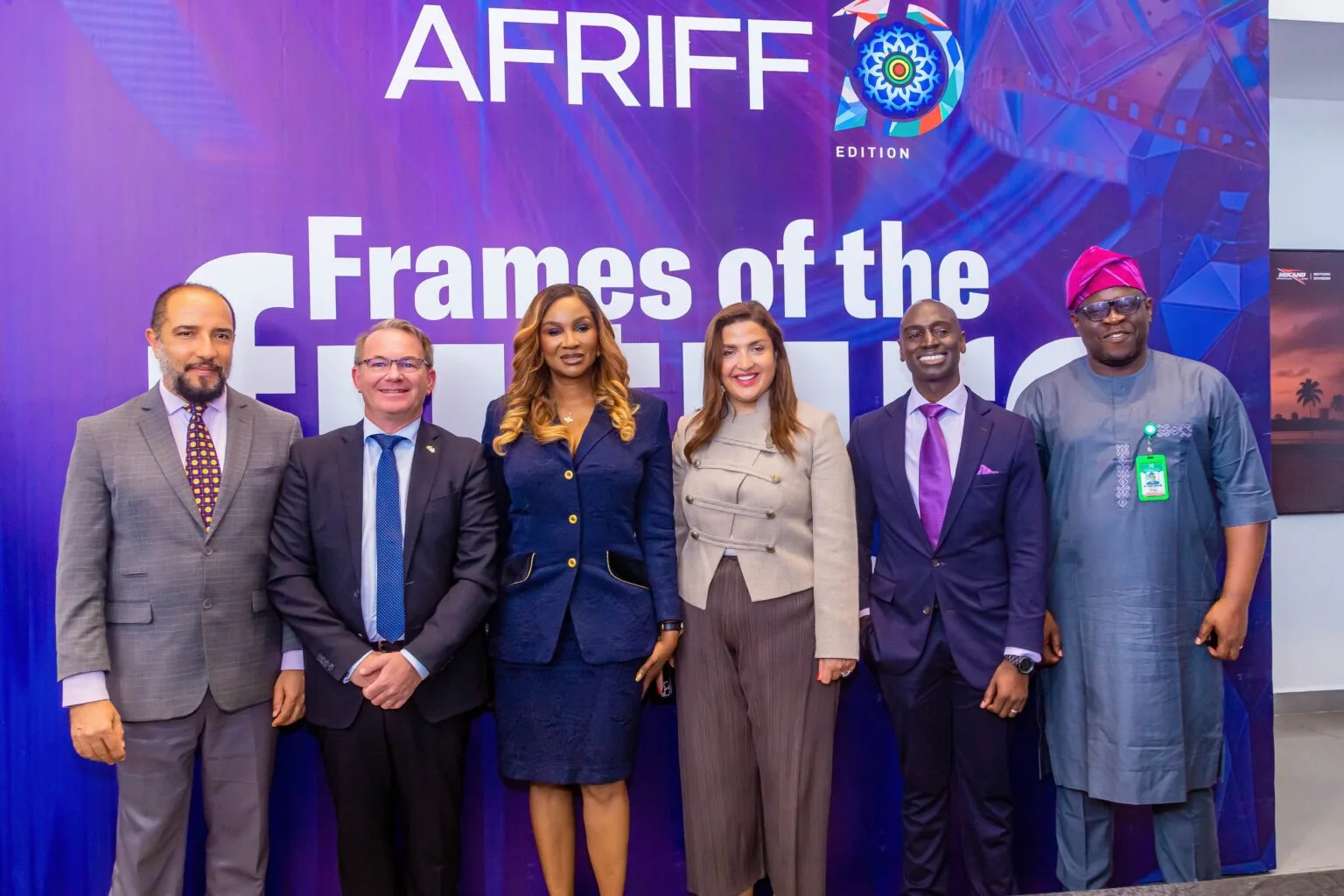
Presenting the festival’s upcoming programme, the AFRIFF founder said the event will feature film screenings, industry conversations, masterclasses, networking opportunities and the Africa Film & Content Market (AFCM).
“African cinema is entering an exciting new chapter, driven not only by the power of our stories but also by the intelligence, innovation and enterprise behind them,” she said. “With ‘Frames of the Future: Africa’s Creative Intelligence,’ we are celebrating the people reimagining how African stories are created, financed, experienced and shared with the world. AFRIFF 2026 is designed to inspire new possibilities, encourage meaningful industry connections and help translate Africa’s creative potential into sustainable opportunities.”
The 2026 official selection features 130 films, bringing together diverse perspectives, filmmaking traditions and creative voices from across Africa and the international film community. Spanning feature films, documentaries, short films and other cinematic forms, the selection offers audiences a rich exploration of contemporary storytelling, cultural identity and the ideas shaping the future of cinema.
“From emerging filmmakers to established creative voices, this year’s selection reflects AFRIFF’s continued commitment to discovering fresh talent, celebrating artistic excellence and creating a platform for stories that challenge perspectives, connect cultures and resonate across borders,” Head, Media & PR at AFRIFF, Latasha Ngwube, said in a press release.
AFRIFF 2026 will open with LADY, the feature debut of Nigerian filmmaker Olive Nwosu. Set against the vibrant and complex backdrop of Lagos, the film follows a young
taxi driver who takes on the job of transporting a group of sex workers on their nightly rounds. Among them is a childhood friend she has not seen in years.
As their journeys unfold, she confronts painful memories, personal prejudices and the realities of the women whose lives intersect with hers. Blending social commentary with an intimate exploration of friendship, sisterhood and resilience, LADY offers a compelling portrait of women navigating life on their own terms in a rapidly changing city.
Bringing the festival to a close is It’s the Blackness, the feature directorial debut of acclaimed actor Hakeem Kae-Kazim.
The film is a black comedy-drama with elements of romance, following friends Eniola and Jordan as they navigate personal, family and immigration challenges while trying to build a future for themselves. Produced by Dapo Oshiyemi, the film explores ambition, friendship, identity and the determination to create opportunity in difficult circumstances. Its closing-night presentation offers a fitting conclusion to a festival examining the intersection of creative ambition, enterprise and the evolving realities of African and diasporic storytelling.
The festival will also present a special selection of films from Nigerian, African and international filmmakers, showcasing diverse stories and perspectives from across the industry.
A major highlight is Sentimental Value, the acclaimed Oscar-winning Norwegian film directed by Joachim Trier, presented in association with the Norwegian Embassy. AFRIFF says the film’s inclusion underscores its commitment to international cinematic excellence and cultural collaboration. The programme also features The Traitor, directed by celebrated Italian filmmaker Marco Bellocchio and presented by the Italian Embassy, further strengthening the festival’s engagement with international cinema and diplomatic cultural exchange.
AFRIFF 2026 will also welcome American actress Danielle Brooks as a special guest. Brooks will feature in a special presentation of If I Go Will They Miss Me, directed by Walter Thompson-Hernández, followed by a fireside conversation moderated by Barkue Tubman-Zawolo. Another highlight is Calabash, a short film presented by the festival’s Guest of Honour, Hollywood actor Djimon Hounsou, highlighting the growing connections between African creative talent and the global film industry.
The special presentations also celebrate the imaginative possibilities of short-form storytelling. The Spectacular Death of Prisca, directed by Kaelo Iyizoba, follows a mother drawn into a surreal quest to rescue her daughter on her wedding day. Blending heightened melodrama with a playful homage to the visual style of classic Nollywood, the film reflects the continuing evolution of Nigerian cinematic expression. Another notable selection is A Tray of Locust Beans, a short film by veteran Nigerian actress and filmmaker Joke Silva’s Lufodo Productions, further demonstrating AFRIFF’s commitment to supporting distinctive voices and diverse storytelling formats.
The festival is also expected to welcome Hollywood actors Jonathan Majors and Meagan Good, adding to the gathering of international talent and industry figures at this year’s edition.
In a change to its initial plans, this year’s film screenings will be free to attend following the intervention of Obi Adada Foundation, which is covering screening tickets for all attendees. The decision removes the planned admission charges, making the festival’s film programme accessible to a wider audience.
According to the AFRIFF Head of PR and Media, a defining characteristic of the 2026 edition is the prominence of female-centred coming-of-age narratives in the feature competition. Across the selection, strong female protagonists navigate questions of identity, family, belonging, ambition and personal transformation, offering nuanced perspectives on the experiences of women and girls in changing societies.
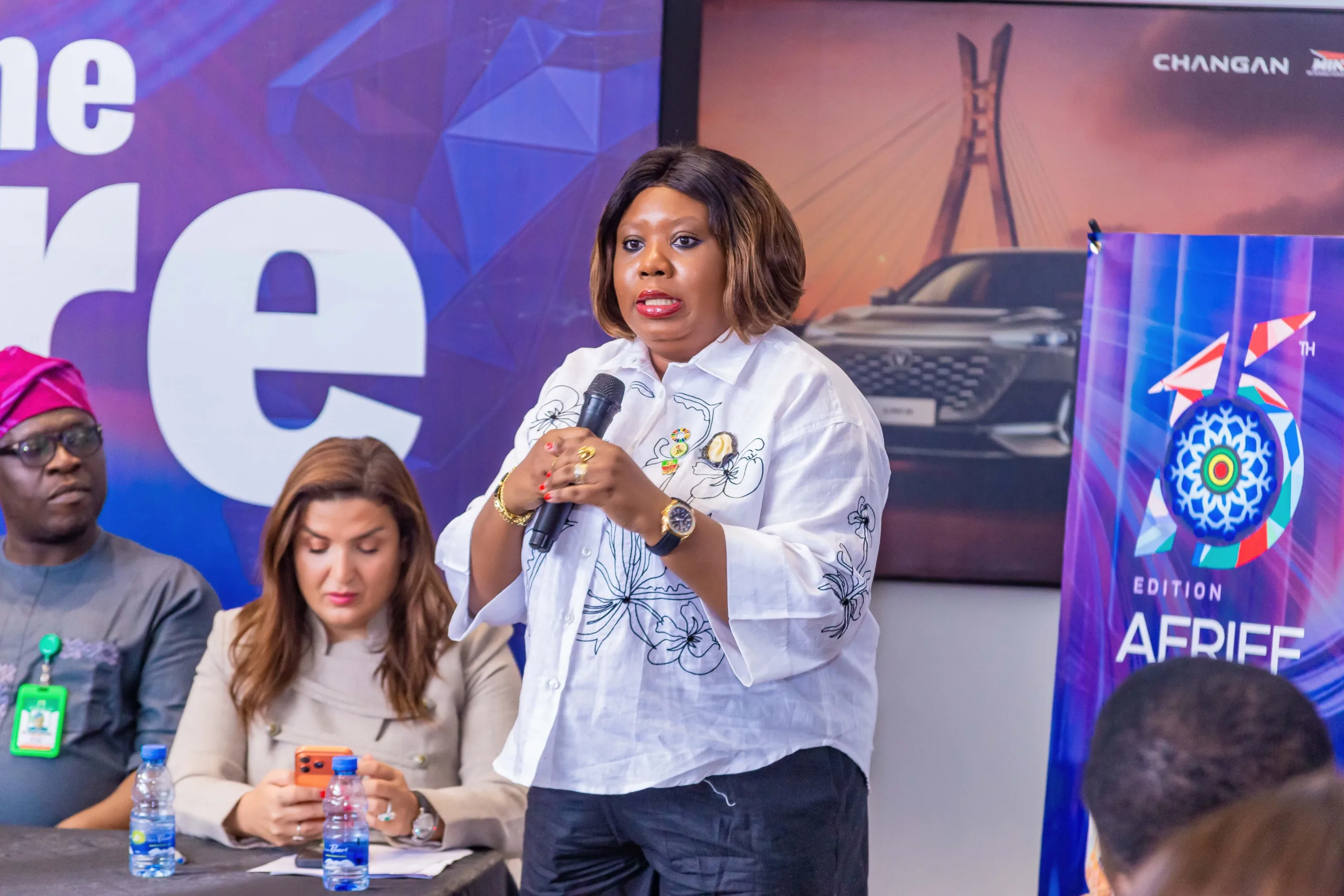
Convened, Ude, remarked that, “I noticed that 85% of the feature films were either directed by women, produced by women or that the story line is about a woman! So while we are here thinking of the future being about AI and technology, it is actually going to be about women!”
Additionally, the festival will host the AFCM, a four-day programme designed to connect filmmakers, producers, investors, distributors and other industry stakeholders. The platform, which will run from Monday, November 2, to Thursday, November 5, 2026, at Twinwaters, Lekki, Lagos, will provide opportunities for networking and collaboration, with discussions focused on financing, distribution and the business of filmmaking.
“AFCM was created because African creators need more than visibility. They need access to capital buyers, distributors, partners and markets. This year, AFCM is focused on building the frameworks that allow African stories to be financed, licensed, distributed and sustained,” Ude revealed.
Under this year’s theme, the film and content market will welcome delegations from over ten countries including Kenya, South Africa, Ghana, Côte d’Ivoire, Cameroon, Sweden, France, Oman, the United States and Canada. Through industry sessions, market meetings, co-production opportunities and investment roundtables, AFCM is expected to explore new pathways for financing, producing and distributing content. Participating companies include global giants MTN, Dentsu, CNN, Filmhouse Group, Lamart and others.
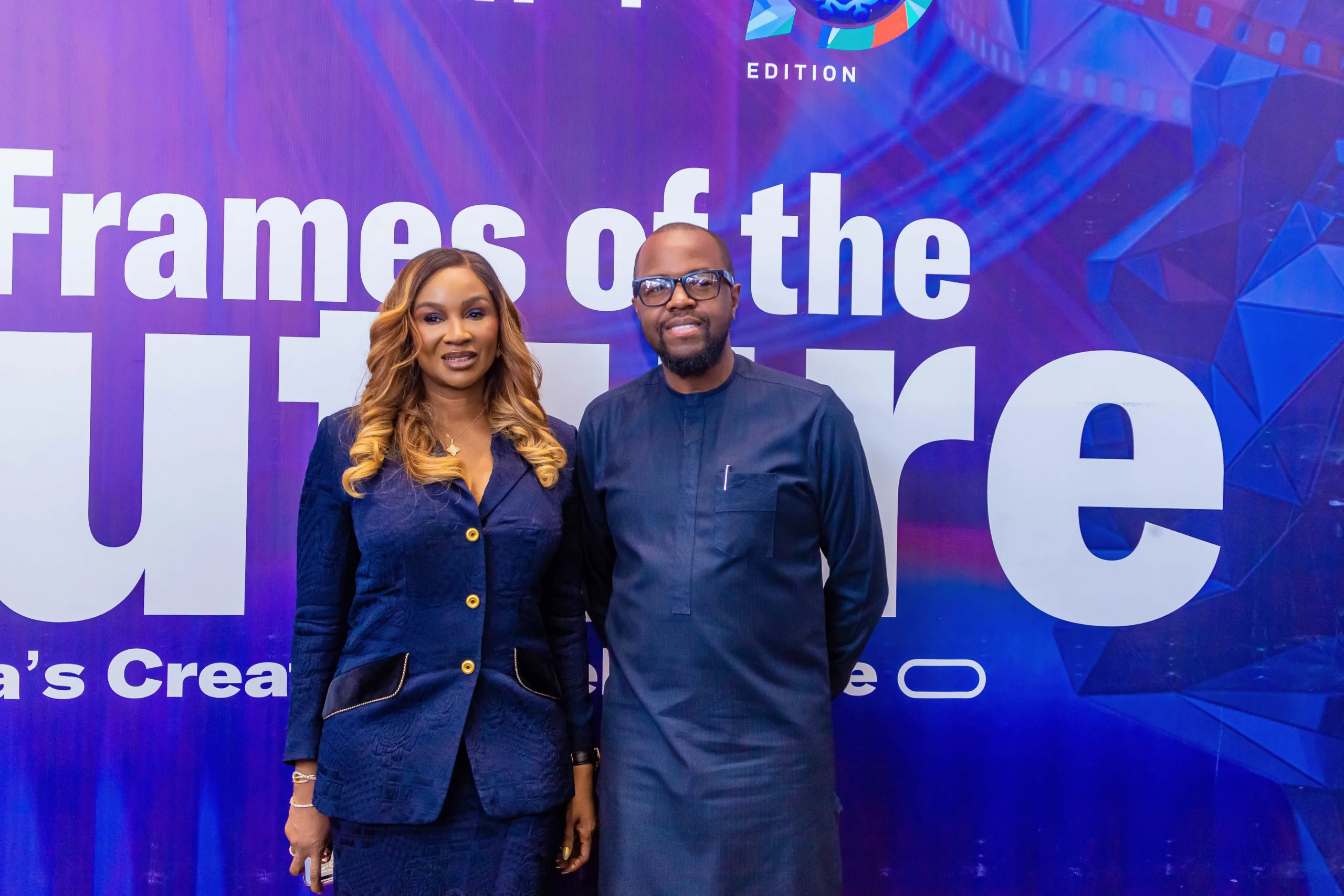
The press conference brought together prominent industry and diplomatic figures, including the Director-General of the National Film and Video Censors Board (NFVCB), Dr. Shaibu Husseini; France’s Consul General in Lagos, Laurent Favier, U.S. Consul General Brandon Hudspeth, and Brazilian Consul General, Ronaldo Vieria, to discuss the festival’s lineup and international partnerships.
The NFVCB DG, representing the Minister of Arts, Culture and the Creative Economy, Hannatu Musa Musawa, reaffirmed the Federal Government’s commitment to supporting the growth of Nigeria’s creative industries through policies that strengthen technology, distribution and infrastructure.
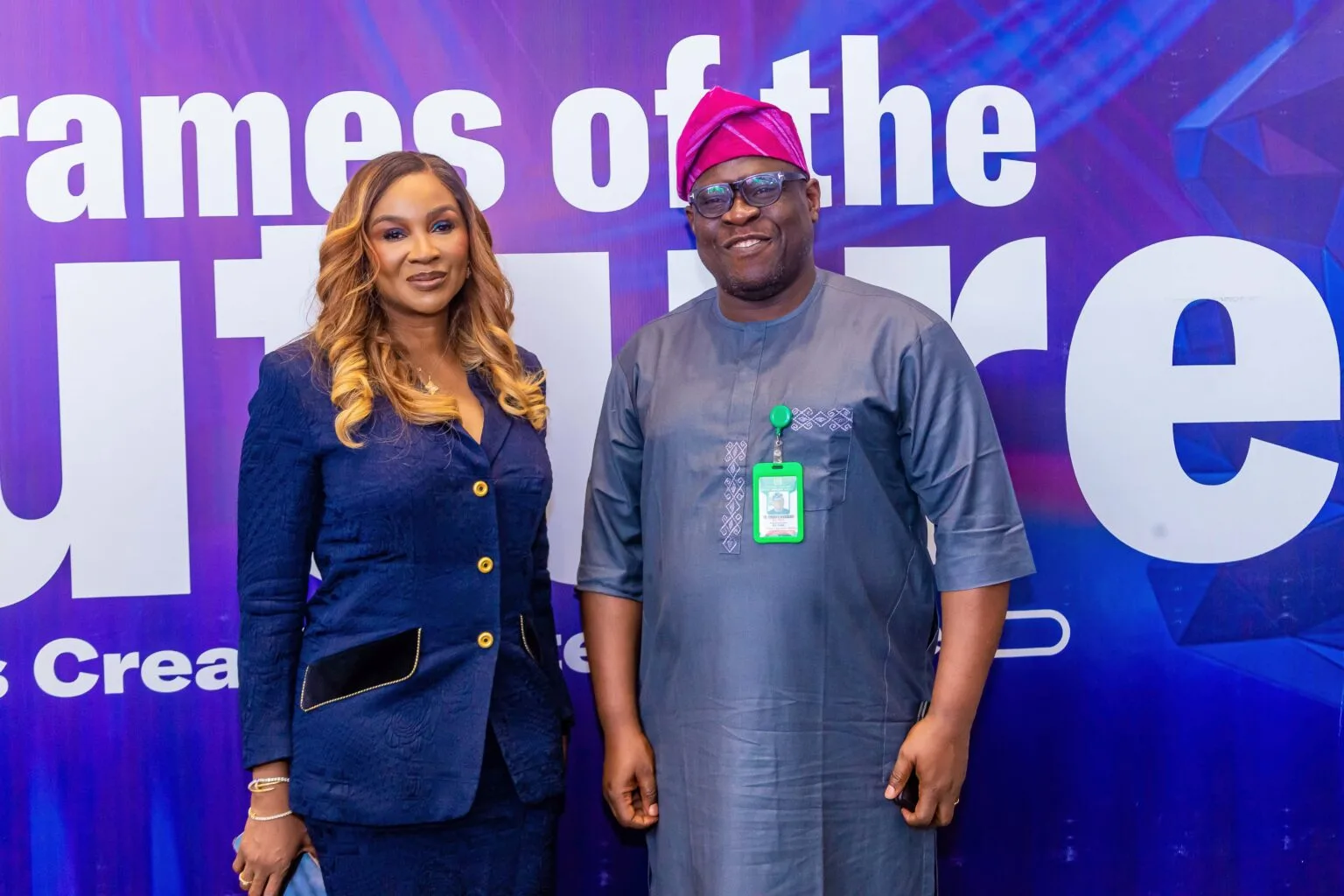
He described AFRIFF’s 15-year journey as a testament to the power of African storytelling and its potential to drive economic growth, connecting local creative talent with global audiences. Commending the festival’s founder for sustaining the festival and championing capacity building through the AFRIFF Academy, he assured the festival of the ministry’s continued partnership and institutional support, urging the media to help bring African stories to audiences around the world.
Similarly, the French Consul General highlighted the importance of international alliances and film co-productions in helping national film industries adapt to changing market conditions while retaining their distinctive creative identities.
“International co-productions offer an opportunity to express our distinctive identities and to create new shared imaginaries,” Favier said.
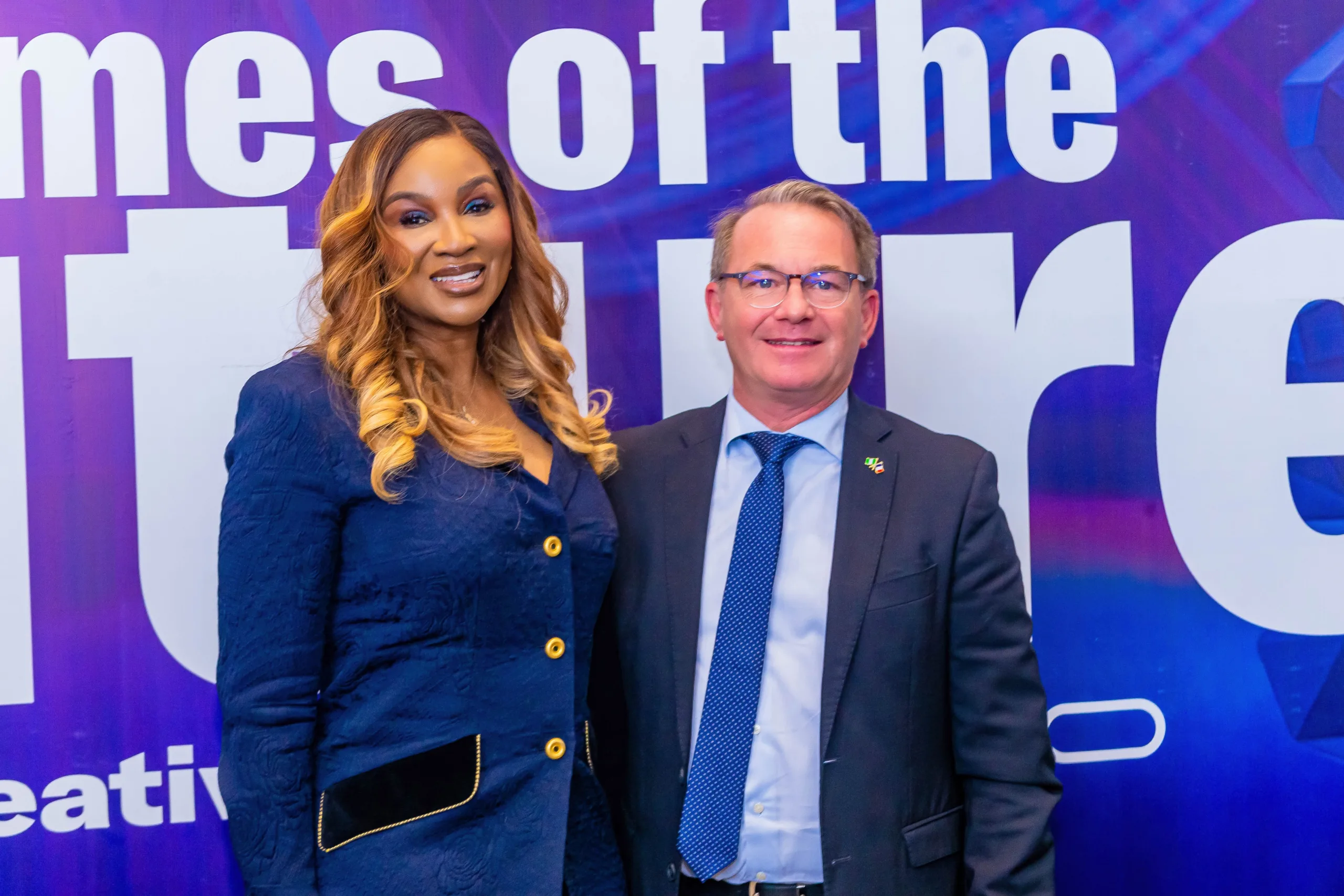
He described AFRIFF as a leading partner in cultural cooperation between France and Nigeria, noting that four French-Nigerian feature-film co-productions were in development, alongside collaborations involving fiction, animation and documentary series. He reaffirmed France’s support for the participation of a professional delegation at AFRIFF 2026 to develop new partnerships and creative collaborations.
Likewise, Hudspeth noted that the U.S. Mission in Nigeria is proud to support AFRIFF for the 11th consecutive year as part of ongoing efforts to further strengthen the collaboration between the American and Nigerian film industries.
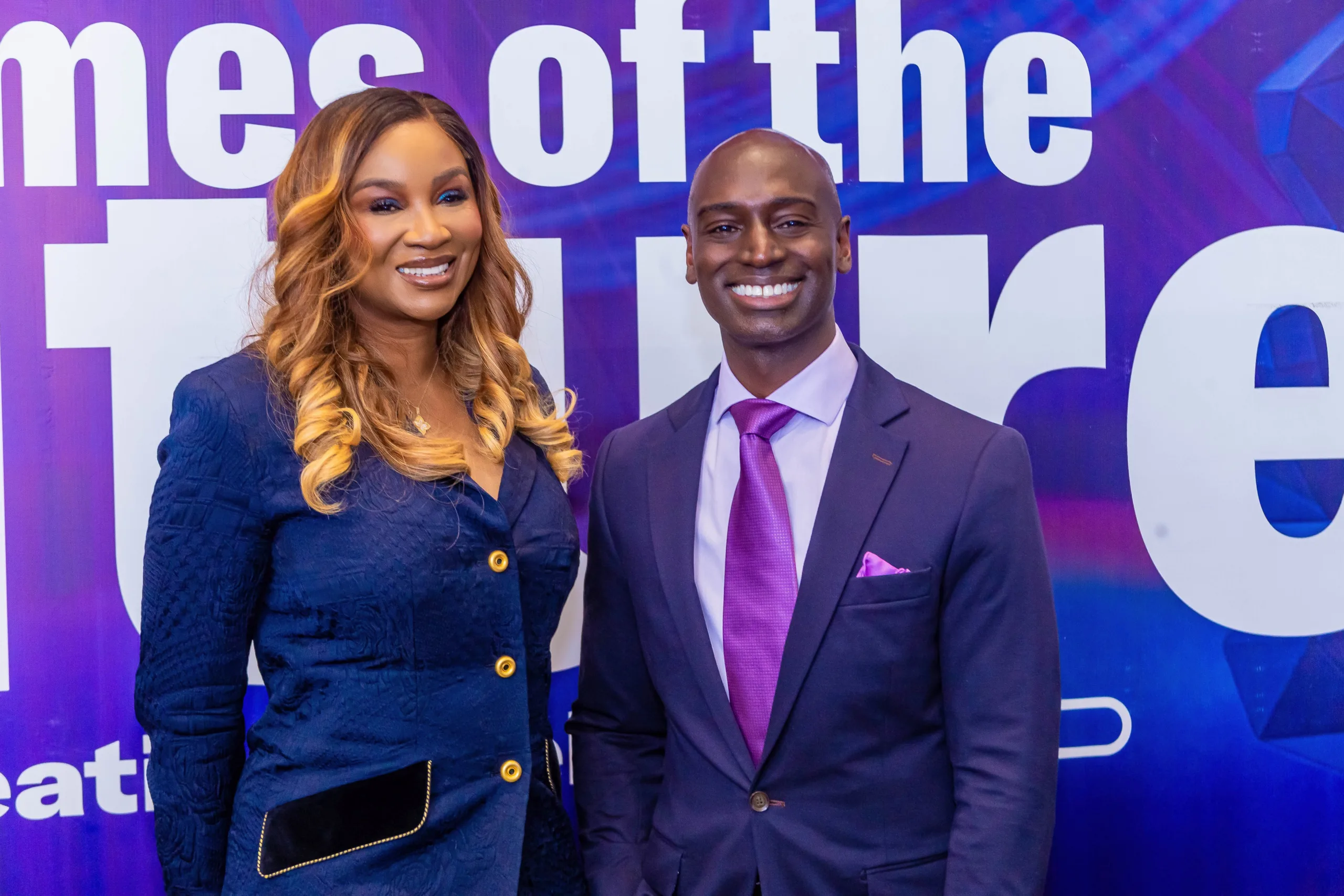
The U.S. Consul General announced the participation of two U.S. film envoys, Angel Kristi Williams and Charles Kirby, who will lead weeklong workshops for emerging Nigerian filmmakers on directing and cinematography, sharing expertise, building connections, and exploring creative collaborations. “Our goal is to give Nigeria creatives the tools and connections to shape their own future and do business with American platforms, studios and investors,” he added.
Also, the Brazilian Consul General highlighted the importance of cultural exchange and international collaboration in strengthening the film industry, recognising cinema’s ability to connect countries, cultures and audiences.
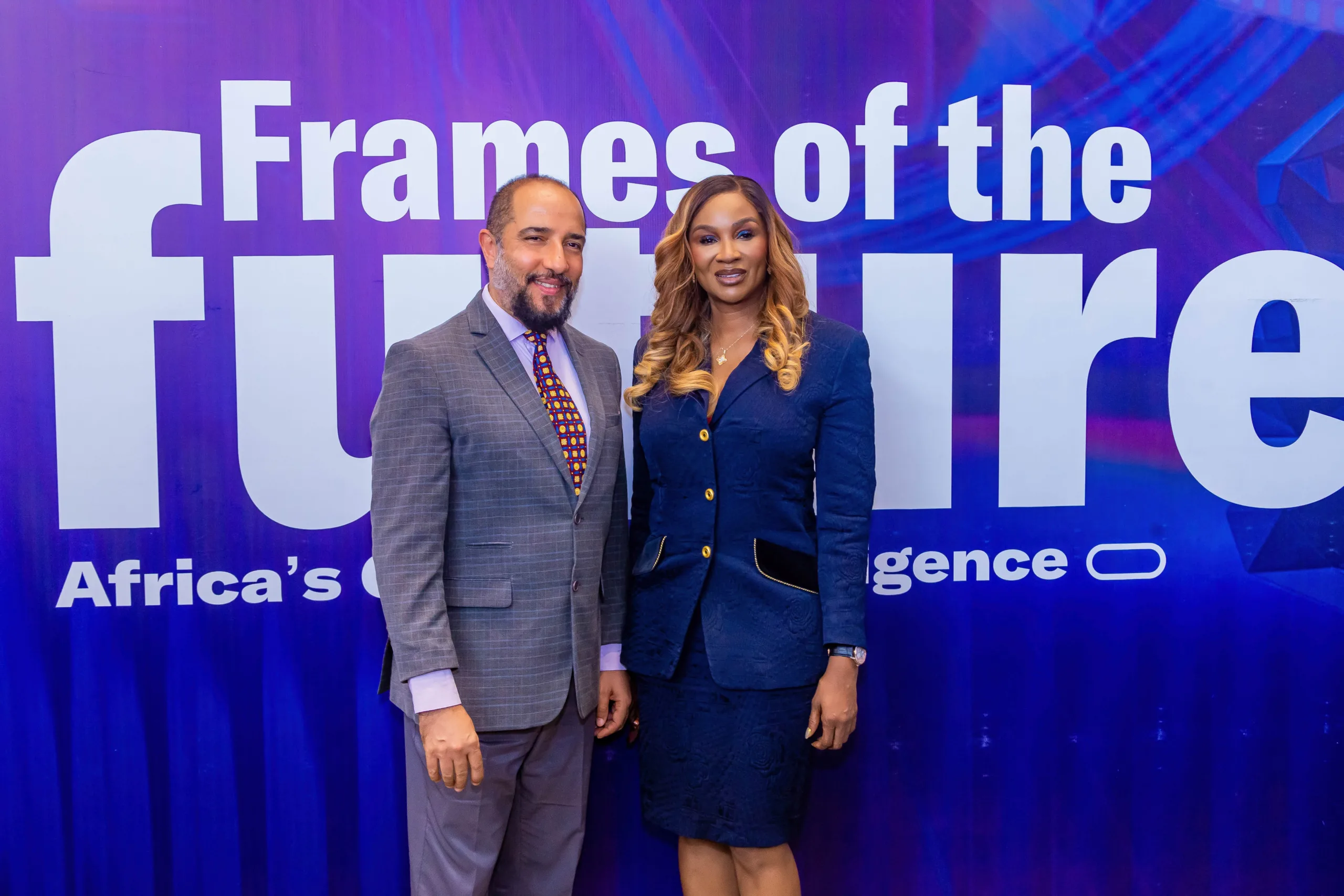
“The remarks underscored the value of AFRIFF in fostering creative partnerships and expanding opportunities for filmmakers across borders,” the AFRIFF spokesperson said.
With international guests, special film presentations and industry-focused programmes, AFRIFF 2026 aims to celebrate African storytelling while strengthening the partnerships, investment and creative opportunities needed to expand the continent’s influence in global cinema.