



Tune in to listen
Bounce FM

After sitting with Mark Zuckerberg’s manifesto, here are some of the things that stood out to us.
Humanity has competed with itself for centuries, from the race to industrialise to the race into space. But few technological contests have moved as quickly, or carried as many questions about our future, as the one now unfolding around artificial intelligence. The world’s frontier AI labs are pouring billions of dollars, enormous computing power and some of their brightest minds into building increasingly capable systems, while also competing to define how those systems should become.
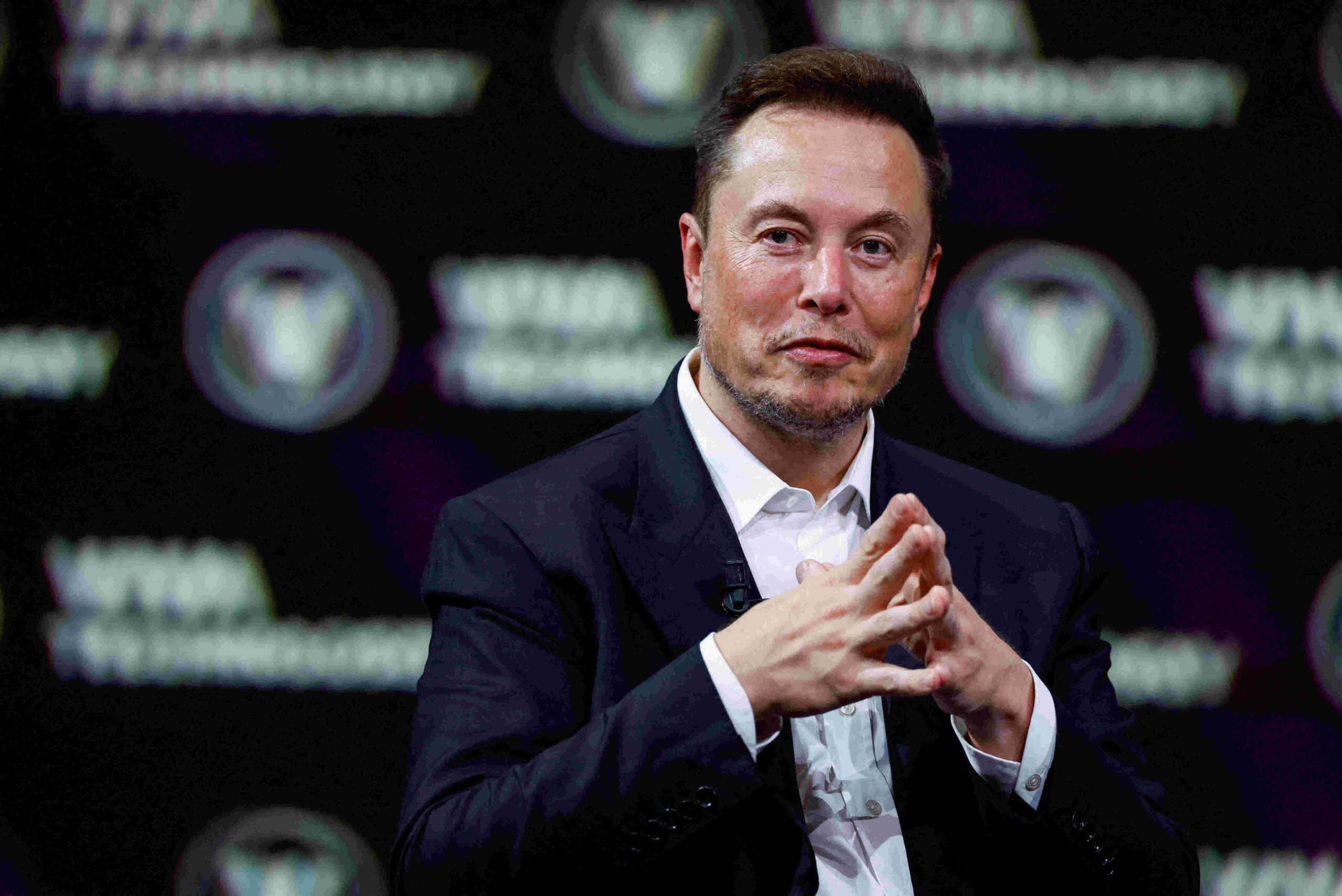
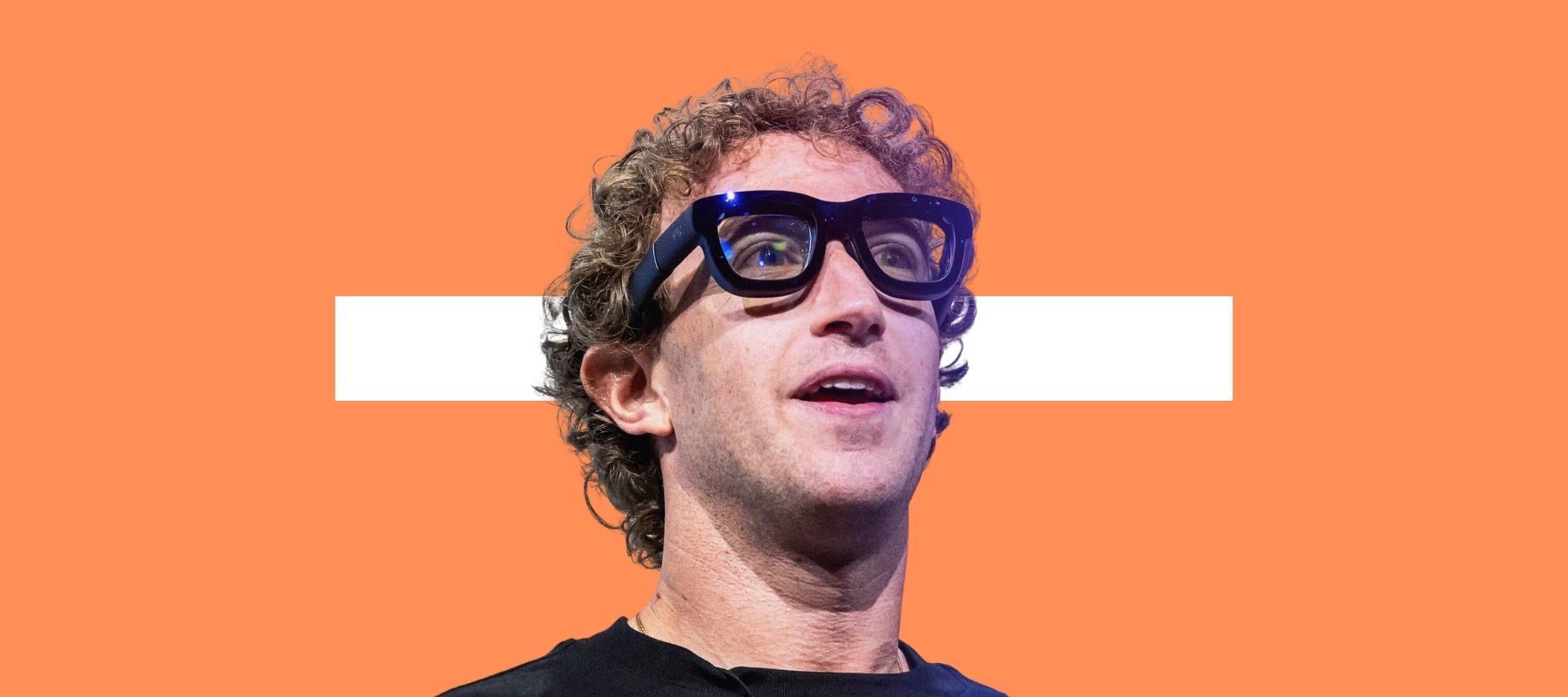
Mark Zuckerberg, the founder and CEO of Meta, one of the companies at the forefront of that race, offered his own vision of what that future could look like on Monday.
In a 6,500-word manifesto titled The Future Is for Everyone, Zuckerberg lays out his vision for “personal superintelligence”, exploring how AI could reshape society and what it will take to get there.
After sitting with the manifesto, here are some of the things that stood out to us.
Zuckerberg paints an appealing picture of AI’s potential to transform education. He imagines everyone having “a personalised tutor and coach with a PhD in every subject and unlimited patience” to help them learn, while students and adults alike get access to personalised support that was once available mainly to those who could afford it.
The problem is that much of this future is already here. LLMs like ChatGPT, Claude and Gemini can already explain complex subjects, teach languages, break down unfamiliar concepts and provide personalised learning support across a wide range of topics. They are not perfect, but the basic use case Zuckerberg describes is already being used by millions of people.
Few concerns have followed AI as closely as the fear that increasingly capable systems will displace human workers. Zuckerberg takes the more optimistic view, arguing that the outcome will depend on whether AI is used mainly to automate knowledge work or to expand what individuals can create and accomplish. In his vision, personal superintelligence could push the balance towards invention, creating new opportunities rather than simply eliminating existing ones.
But that distinction becomes less convincing when viewed against Meta’s own record. The company has cut thousands of jobs in recent years as it has pursued greater efficiency, including through increased use of AI. That does not make Zuckerberg wrong about AI’s potential to create new opportunities, but it does complicate his suggestion that automation and individual empowerment are competing paths.
His argument also assumes that greater AI-driven productivity will ultimately produce more opportunities for workers. It could. But it could just as easily allow companies to do more with fewer people, with much of the resulting value accruing to those who own or control the technology. The bigger question, then, may not be whether AI creates abundance, but who gets to share in it.
Zuckerberg wants personal superintelligence available to billions of people and small businesses, preferably free or cheaply, while open-source models keep the technology from being locked inside a few companies. It is a simple extension of his broader philosophy that individuals should have more technological power.
But this is where his argument becomes more interesting: Zuckerberg is suggesting that widespread access is itself a defence against AI becoming too powerful. If enough people have access to powerful systems, the thinking goes, no single company, government or AI can accumulate an overwhelming advantage.
The catch is that the people using these systems do not necessarily control them. Meta can give billions of people access to its AI while still deciding what models they get, how those models behave and how the infrastructure behind them operates. The manifesto makes a strong case for distributing AI. It leaves a harder question hanging: does using someone else’s intelligence really amount to having power over it?