



Tune in to listen
Bounce FM

When there were only a few channels and no internet, television forced everyone into the same room at the same time.
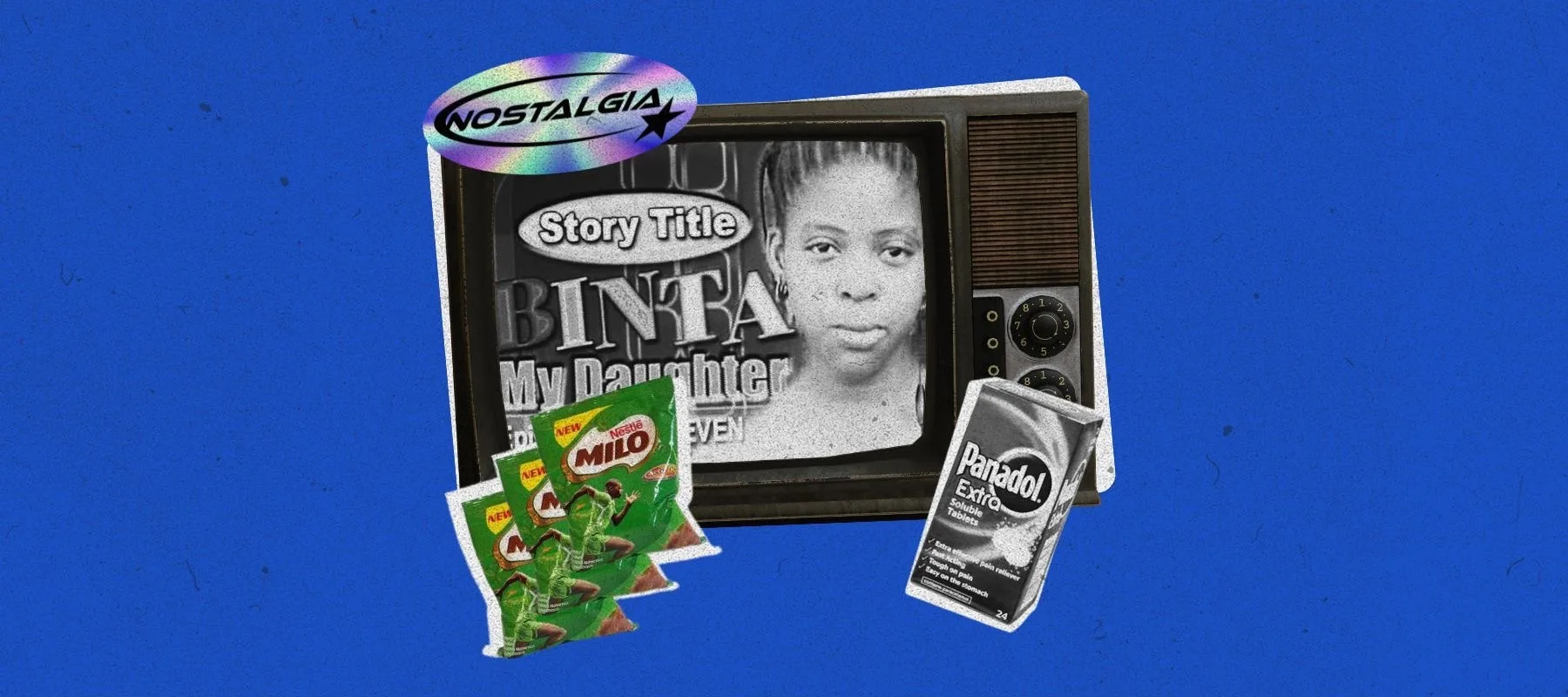
Do you remember when Sunday had a full lineup of TV shows for every hour, every member of the family? You came back from church or finished house chores on a Sunday, and the TV already had plans for you. But it wasn’t just Sunday. The whole weekend was sorted. The entire week, in fact. And it wasn’t just entertainment, it was also education.
@nostalgicsound_ng “Milo Last Kid Standing” – an educative TV show sponsored by Nestle’s chocolate beverage, Milo. . The show was an avenue for kids to show off their educational prowess in competition with various schools. The representatives of different schools were arranged into teams to answer questions ranging from Mathematics to English. . At the end of the competition, a winner is selected based on the overall performance and given personal prizes like milo branded school bags, cartons of milo as well as prizes for their individual schools. . . . . #Milolastkidstanding #milonigeria #tiktoknigeria #throwbacknigeria #nostalgicsoundng #90skids #2000skidsnigeria
Saturday morning, Milo Last Kid Standing had children competing in physical and mental challenges before you’d even finished breakfast. Sunday was the real main event. You came back from church, tuned into LTV, and Mogbejomide was waiting. Our very own Judge Judy, except the drama was real: land disputes, inheritance wahala, community beef. No scripts. Just people airing their most embarrassing family matters on national television. Hilarious and completely addictive.
For mysterious and supernatural stories, you had Nkan Nbe by the great Kola Olawuyi on Sundays. Easily scared kids knew to avoid this one. The cooking shows — Royco Ladun and Maggi Ṣọkọyọkọtọ — turned recipe demonstrations into exciting events that made you salivate.
Who still remembers the Maggi Ṣọkọyọkọtọ cooking show from the early 2000s, hosted by the legendary broadcaster Foluso Ogunjimi?
It was that fun show where different guests including celebrities would come and show off their cooking skills preparing all kinds of authentic… pic.twitter.com/TfL6hAqgxq
— Nostalgic Naija (@NostalgicVibeNG) March 14, 2026
Tales by Moonlight on NTA gave children folktales under a moonlit tree every Sunday evening. Nnena & Friends and Binta & Friends gave them characters to grow up with. Kidi Vision 101 was producing child stars before we had a name for that. Denrele Edun came through that pipeline. Do we even make child stars anymore?
Game shows, soap operas; everything had a time slot like a staff roster. The Panadol Extra Game Show owned Sunday afternoons. Who Wants to Be a Millionaire with Frank Edoho owned Friday evenings for 13 years. Gulder Ultimate Search sent contestants into actual Nigerian forests hunting for treasure. It was Nigeria’s first homegrown reality show and for a long time, its most watched. And soap operas had their days locked in: SuperStory on Thursday at 8pm, This Life on Wednesday, Fuji House of Commotion on Sunday night. Papa Ajasco and Company had its own day too. The whole street knew the schedule offhand.
panadol extra used to have this game show where the only part I can remember is two contestants try to stack a large panadol sachet
my primary school teacher was on it and of course he came home with nothing
— he penised cockily (@_SlaveInUtero) September 29, 2025
we looked forward to them all😩😩🤣🤣 pic.twitter.com/rqxc2QSIMa
— folagade banks Mama Deola (@folagade_banks) November 26, 2025
So what happened?
Most of these shows had a single corporate godfather. MTN kept Who Wants to Be a Millionaire alive for 13 years. Nigerian Breweries kept Gulder Ultimate Search running for over a decade. When those brands decided the returns weren’t worth it anymore, the shows died overnight. No backup funding, no survival. NTA, which once built shows in-house — Tales by Moonlight (still on air but lost its pull), Cock Crow at Dawn (recently rebooted), The Village Headmaster — had long stopped being a production engine by then, gutted by decades of underfunding and neglect. It became just a transmission pipe. And then DStv arrived, pulled the middle-class audience that advertisers actually wanted onto cable, and brands followed the eyeballs. Terrestrial television never recovered. Then that same audience migrated again — to Netflix, to YouTube, to wherever their phone took them next.
To be clear, there are still many good shows. Wura, now in its fourth season, is a compelling drama and is popular with viewers. Family Feud Nigeria, hosted by Bisola Aiyeola, has run three successful seasons with a fourth ongoing. Many of the old shows may be gone, but the pipeline for them hasn’t collapsed. The community has.
When SuperStory came on at 8pm on Thursday, everybody watched it at the same time. Arguments and discussions about the previous day’s episode happened in school on Friday morning, in the compound that same night. Who Wants to Be a Millionaire was an event you gathered for. Today, shows like Wura are available to stream any time you want, which means you will watch them whenever, which often means later, alone, on your phone, in bed.
The communal magic wasn’t really about the shows. It was about scarcity. When there were only a few channels and no internet, television forced everyone into the same room at the same time. Abundance broke that. You can watch anything, any time, anywhere. So nobody watches the same thing anymore. Nobody argues about it the next morning. Nobody rushes home for it.
The shows didn’t just entertain us. They gave us something to share. That’s the thing streaming can’t replicate, no matter how good the content gets.