



Tune in to listen
Bounce FM

The film’s premiering at the Cannes arrived with the kind of global attention Nollywood has historically struggled to command in prestige film spaces.
In recent times, Nollywood has entered an unprecedented run of global expansion, and we cannot overlook this level of excellence. This expansion, marked by consistent penetration into global film spaces like the Cannes Film Festival, is increasingly seeing Nigerian natives and diaspora film talents take their place in the industry. Arie and Chuko Esiri’s global debut with their sophomore feature, Clarissa at the Cannes this year, is yet another score for Nollywood and African cinema as a whole.
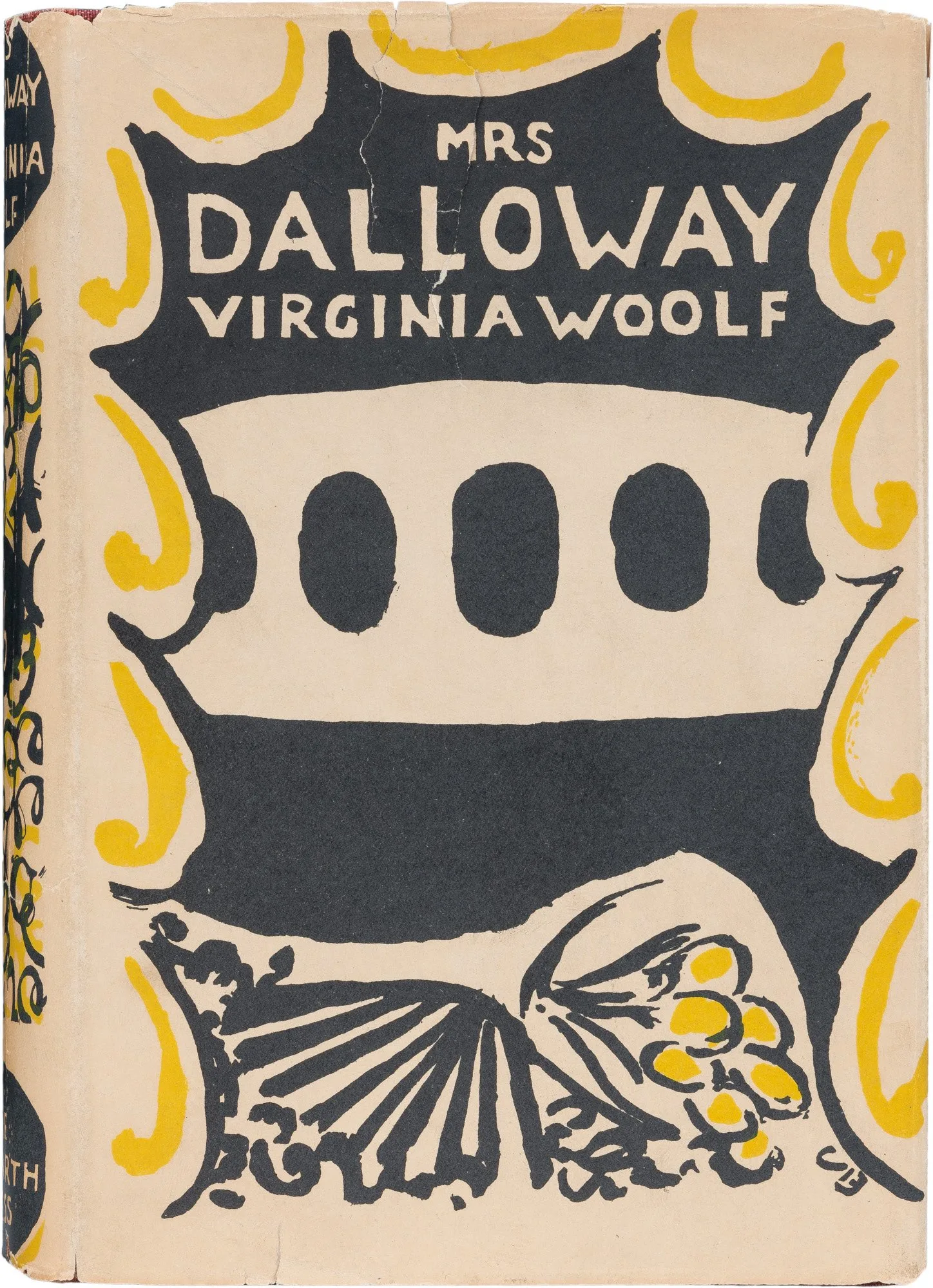
The Esiri brothers’ Clarissa, a reimagining of Virginia Woolf’s 20th-century novel, Mrs Dalloway, was selected as one of 19 feature films to screen at the 58th edition of the Cannes Directors’ Fortnight, taking place from May 13-23, 2026. This pivotal moment follows the recent inclusion of Nigerian legendary icon Genevieve Nnaji among the “Women in Cinema” spotlight at the Cannes 2026. And the 2025 official selection of Akinola Davies Jr’s My Father’s Shadow in the Un Certain Regard section, which earned a Special Mention for the Caméra d’Or.
For years, Nollywood has thrived on loud visibility and volume that fuel its release of culturally rooted stories. This has greatly catalysed the industry, as films trend easily and reassure audiences that something is always happening. But films like Clarissa are beginning to present another Nigerian cinema in a different light.
📸 'Clarissa' team on the red carpet at the 79th Cannes Film Festival. pic.twitter.com/nADJr7GkhL
— sophie okonedo daily (@dailyokonedo) May 16, 2026
The film’s premiering at the Cannes on May 16, 2026, arrived with the kind of global attention Nollywood has historically struggled to command in prestige film spaces. Even more significant was its swift acquisition by American independent film production and distribution company NEON — the studio-distributor behind some of contemporary cinema’s most celebrated arthouse titles — for global distribution.
While Africa-based Afreximbank’s CANEX Creations Inc. (CANEX) funded the film’s production in Nigeria, for a Nigerian film operating outside mainstream commercial formulas, the acquisition immediately positioned it as more than a festival recognition, but a statement. Not simply because it made it to Cannes, but because of the kind of film it appears to be.
First look at ‘Clarissa,’ a modern reimagining of Virginia Wolf’s “Mrs. Dalloway” set in Lagos, Nigeria.
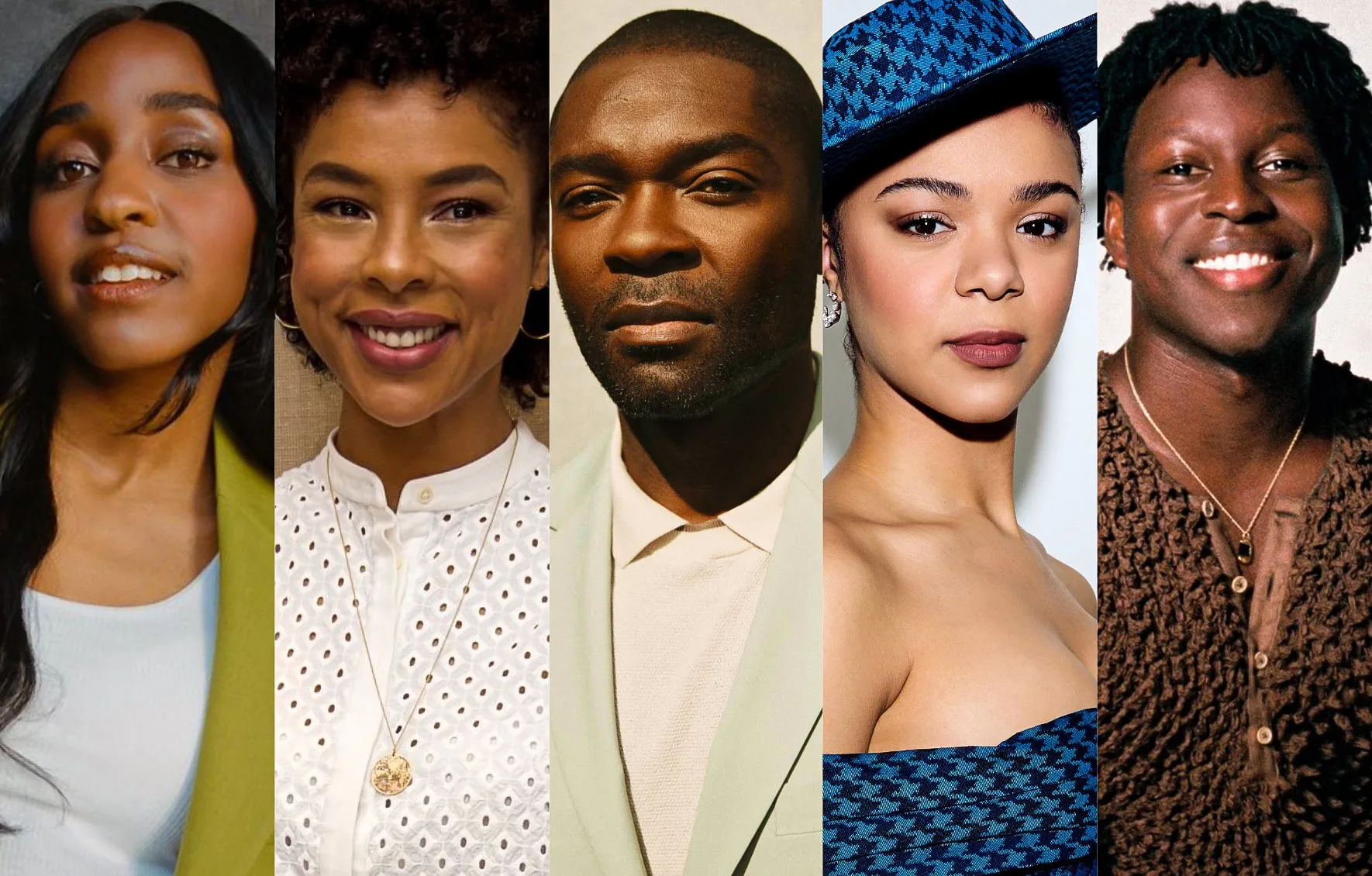
The film stars Sophie Okonedo, David Oyelowo, Ayo Edebiri, India Amarteifio, Thoheeb Jimoh, and Fortune Nwafor.Directed by Arie & Chuko Esiri.
(via IndieWire) pic.twitter.com/VGzMJAChF9
— Black Film Alerts (@BlackFilmAlerts) May 15, 2026
Shot on 35mm across Lagos and Delta State in late 2025, Clarissa tells the story of a Lagos socialite who organises an evening gathering that brings together past intimate friends and lovers, leading them to confront memories of complex relationships and aspirations. The film reimagines Woolf’s Clarissa Dalloway of the 1920s England to present-day Clarissa in Lagos, exploring longing, romance and flashbacks to their childhood in Abraka, Delta State, evoking a narrative of missed destinies.
For years, conversations around Nigerian cinema’s global ambitions have largely centred on visibility: getting selected, nominated, and invited into rooms historically inaccessible to African filmmakers. But Nollywood has always been visible; the industry’s rapid commerciality and hyper-productivity made that impossible to ignore. What Clarissa seems to represent is a growing confidence in Nigerian filmmakers no longer trying to conform to the traditional rules or “Nollywoodness” for either local or international validation.
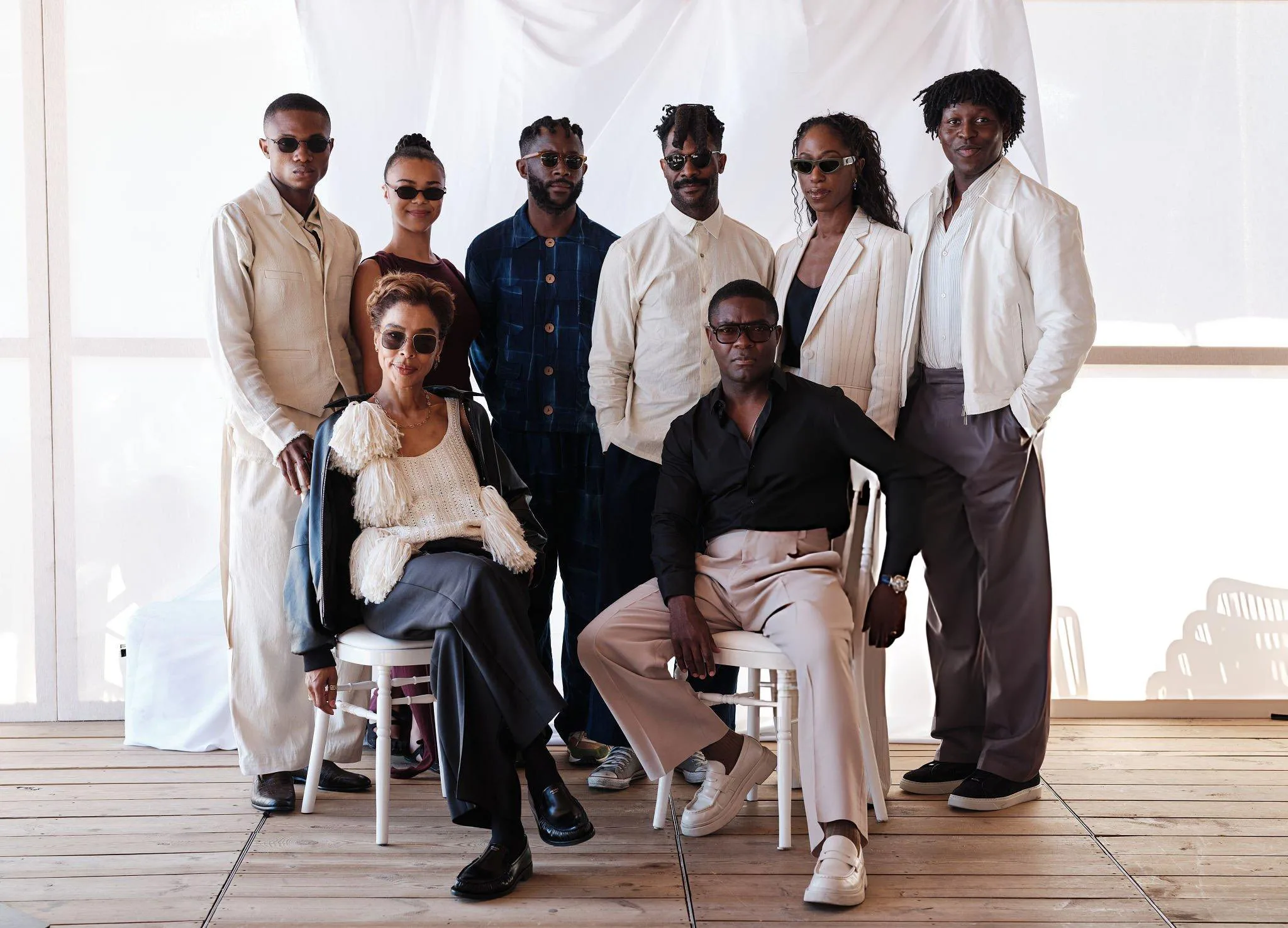
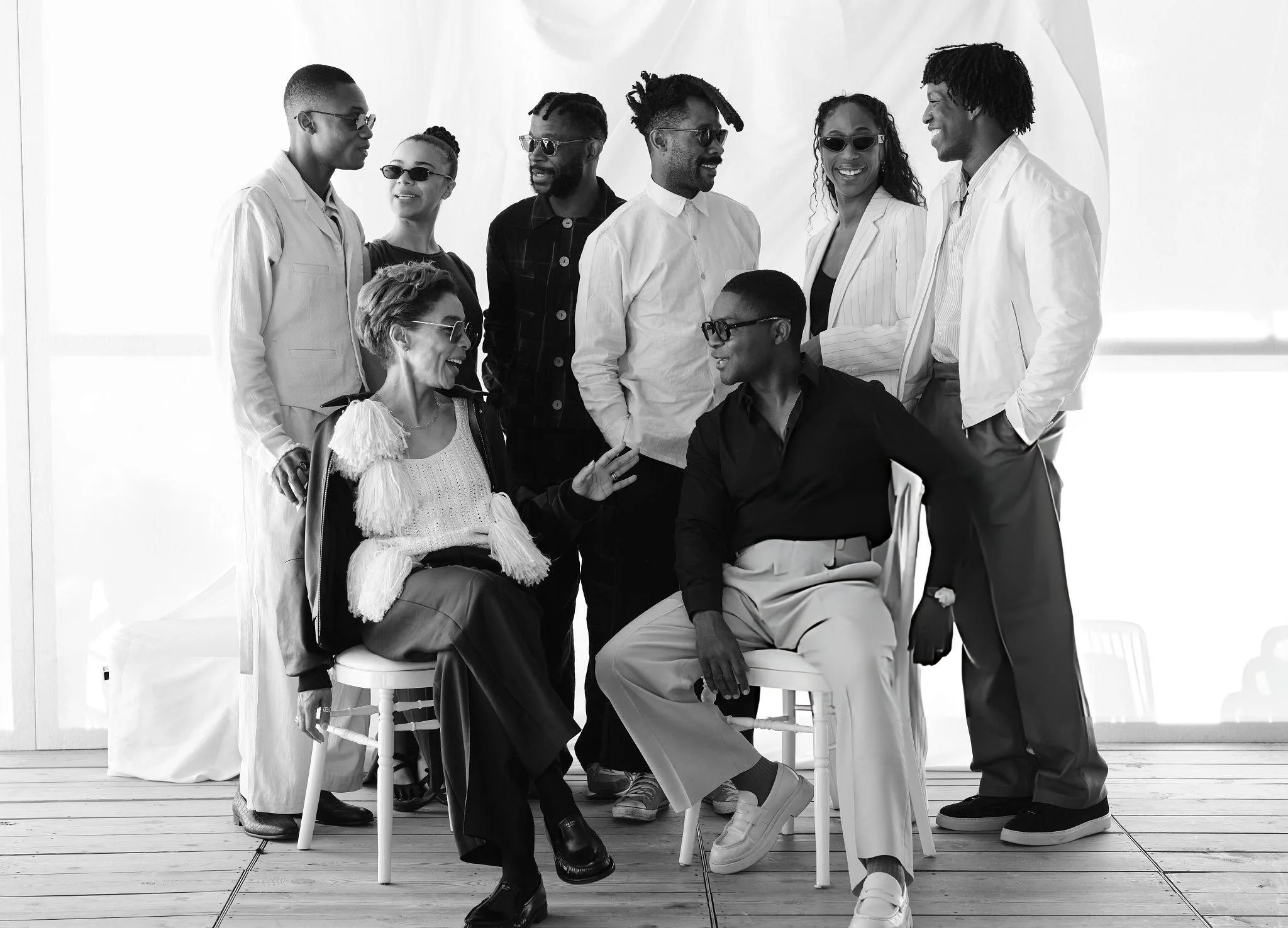
The film’s casting alone speaks volumes. British-Nigerian and Oscar-nominated actress Sophie Okonedo (Hotel Rwanda, Wheel of Time) plays the titular protagonist, with other cast members including David Oyelowo (Selma), Ayo Edebiri (The Bear, Opus), India Amarteifio (Queen Charlotte: A Bridgerton Story), Toheeb Jimoh (Ted Lasso), and Fortune Nwafor. Also, the pairing of Modesinuola Ogundiwin (Kanyin in Showmax’s Wura) in the film alongside the cast reflects the current evolution of Nigerian storytelling. It bridges local breakout talent with globally recognised Black actors without reducing Nigerian actors to mere passers-by in their own stories.
Too often, international collaborations involving mainstream Nollywood and African cinema can feel curated primarily for foreign accessibility: exaggerated comedy tropes, hyper-verbal dialogue, forced Nigerian dialects, and emotionally overstated storytelling. Yet a growing class of Nigerian filmmakers are leaning toward quieter cinema. Films willing to sit with discomfort, stillness, loneliness, and interiority without immediately rushing toward comic relief.
We have seen traces of this shift in films such as the Esiri brothers’ Eyimofe, C.J. Obasi’s Mami Wata, and My Father’s Shadow. These projects embraced atmosphere and visual language as much as plot. These films are not attempting to abandon Nollywood. Rather, they are expanding its cinematic vocabulary. Clarissa shares a similar disposition. And perhaps that is why its Cannes arrival feels particularly symbolic at this moment.
And if anything, Nigerian cinema is increasingly entering a phase where younger filmmakers are less interested in reproducing the traditional formulas that built Nollywood’s commercial machine. There are only so many stories that can be told when every film is expected to move at algorithmic speed, or when a location like Lagos is filmed as a recurring element of chaos rather than high-art, intimate, nuanced storytelling.
🎥 Sophie Okonedo talks about how she felt playing Clarissa:
“I just felt like… it’s just the age I am that I really could play this part, because I’m this age, and these are my thoughts, feelings, and fears, and reflections on my life, looking back…” pic.twitter.com/Tm0YodKrRu
— sophie okonedo daily (@dailyokonedo) May 18, 2026
Even the infrastructure supporting films like Clarissa points toward this transition. Backed by the CANEX Creations Fund, the film also highlights how institutional support is gradually reshaping what is possible for emerging Nigerian filmmakers. Prestige cinema is expensive. It requires longer development periods, patient financing, stronger technical execution, festival campaigns, and distribution strategies that traditional Nollywood structures rarely accommodate.
Still, as global institutions increasingly invest in Nigerian cinema, questions about accessibility will inevitably emerge. Questions about access to prestige pipelines, international validation within Nollywood, and more that the industry will eventually have to confront. Yet for now, Clarissa feels part of a larger moment in which Nigerian cinema is beginning to trust itself differently.
Although the Esiri brothers aren’t new to global festival attention, their directorial feature debut, Eyimofe, premiered at the 70th Berlin International Film Festival and the BFI London Film Festival in 2020. Yet their recent success at the Cannes strengthens Nollywood’s takeover in the global film space.
Other Nigerian presences at Cannes this year include AFRIFF’s participation in the Goes to Cannes initiative and Dika Ofoma’s inclusion in the 18th La Fabrique Cinéma cohort. His debut feature, Kachifo, will be developed and pitched at the Marché du Film under the Institut français programme for emerging filmmakers from the Global South.
Essentially, the presence of Nigerian representation at Cannes this year further reinforces the growing visibility of Nollywood and Nigerian creatives within global film spaces. And Clarissa suggests that Nollywood’s ambitions may now be evolving beyond simply showing up.