



Tune in to listen
Bounce FM

BSide examines five pledges and their outcomes, highlighting the presidents who kept their word and those who reneged.
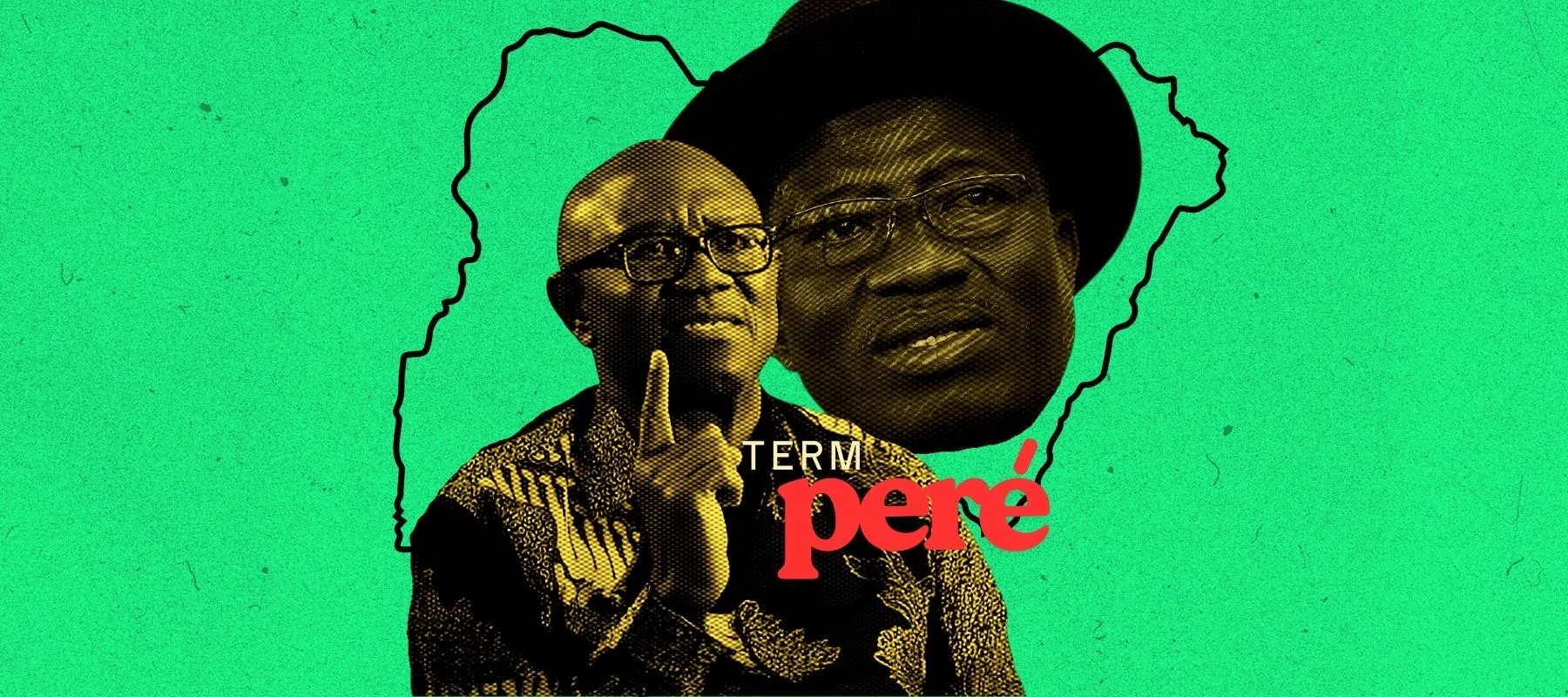
The 2023 presidential candidate of the Labour Party (LP), Peter Obi, triggered a political storm last Sunday after publicly declaring his intention to serve only one term in office if elected Nigeria’s president in 2027.
My One-Term, Four-Year Vow Is Sacrosanct
One of the greatest American Presidents, Abraham Lincoln, served only four years, yet his legacy endures as a model of principled leadership. Another iconic figure, John F. Kennedy, did not even complete a full term, yet his vision and…
— Peter Obi (@PeterObi) August 3, 2025
The decision, which he announced on X, is likely linked to the North–South rotation tradition of the Nigerian presidency. Due to persistent regional and ethnic tensions in Nigeria, political parties often zone their presidential tickets to a different geopolitical region from that of the incumbent president to promote political stability in the country’s diverse population. So, if an incumbent president from the North completes two four-year terms, the expectation is that their successor will come from the South, which would then typically hold power for the next eight years. Therefore, after the late President Muhammadu Buhari, a Northerner, spent eight years in office from 2015 to 2023, a Southerner was expected to complete a corresponding eight-year tenure from 2023 to 2031.
With President Bola Tinubu, a Southerner, already poised to serve four of those eight years, Obi, also from the South, plans to complete the remaining four years and step down for a Northerner in 2031.
However, the former Anambra State governor is not the first African politician to make a one-term pledge for the presidency. Before him, over a dozen African leaders have taken similar vows, often citing a desire to promote democratic values or avoid the pitfalls of extended rule.
BSide examines a few of these pledges and their outcomes, highlighting those who kept their word and those who reneged. Here is a list of notable African leaders who made one-term pledges:
1. Adama Barrow (The Gambia)
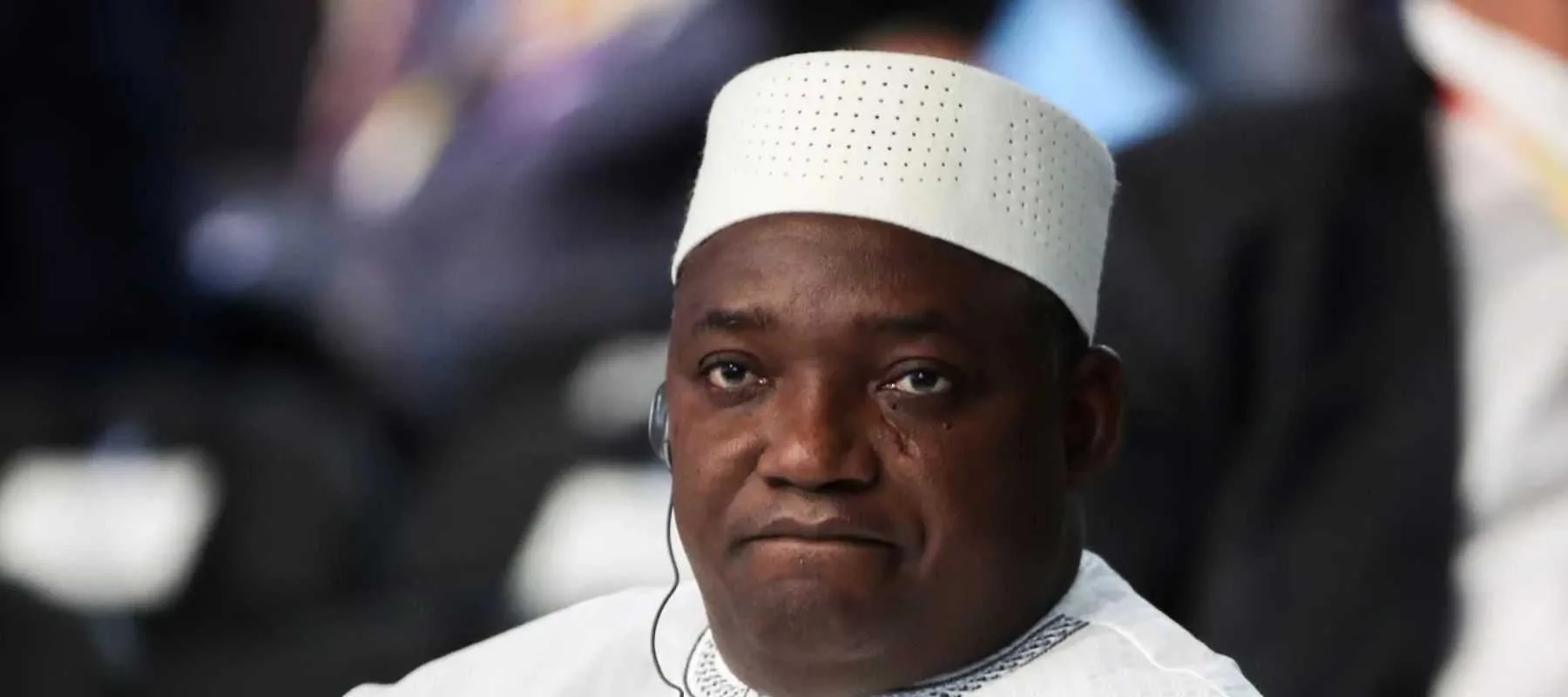
Adama Barrow, who won the presidency in 2016 after defeating the long-ruling President Yahya Jammeh, promised to serve only a three-year transitional term and step down on January 19, 2020.
The pledge was part of an agreement with his coalition to stabilise the country and oversee democratic reforms after more than two decades of authoritarian rule by Jammeh.
Outcome: Barrow reneged on this promise. After three years, he announced his intention to remain in office. In December 2019, protesters filled the streets of the capital, Banjul, demanding his resignation. He eventually ran for re-election in 2021 and won. This decision caused tensions with coalition partners and drew criticism from civil society, which accused him of undermining his initial commitment.
2. Patrice Talon (Republic of Benin)
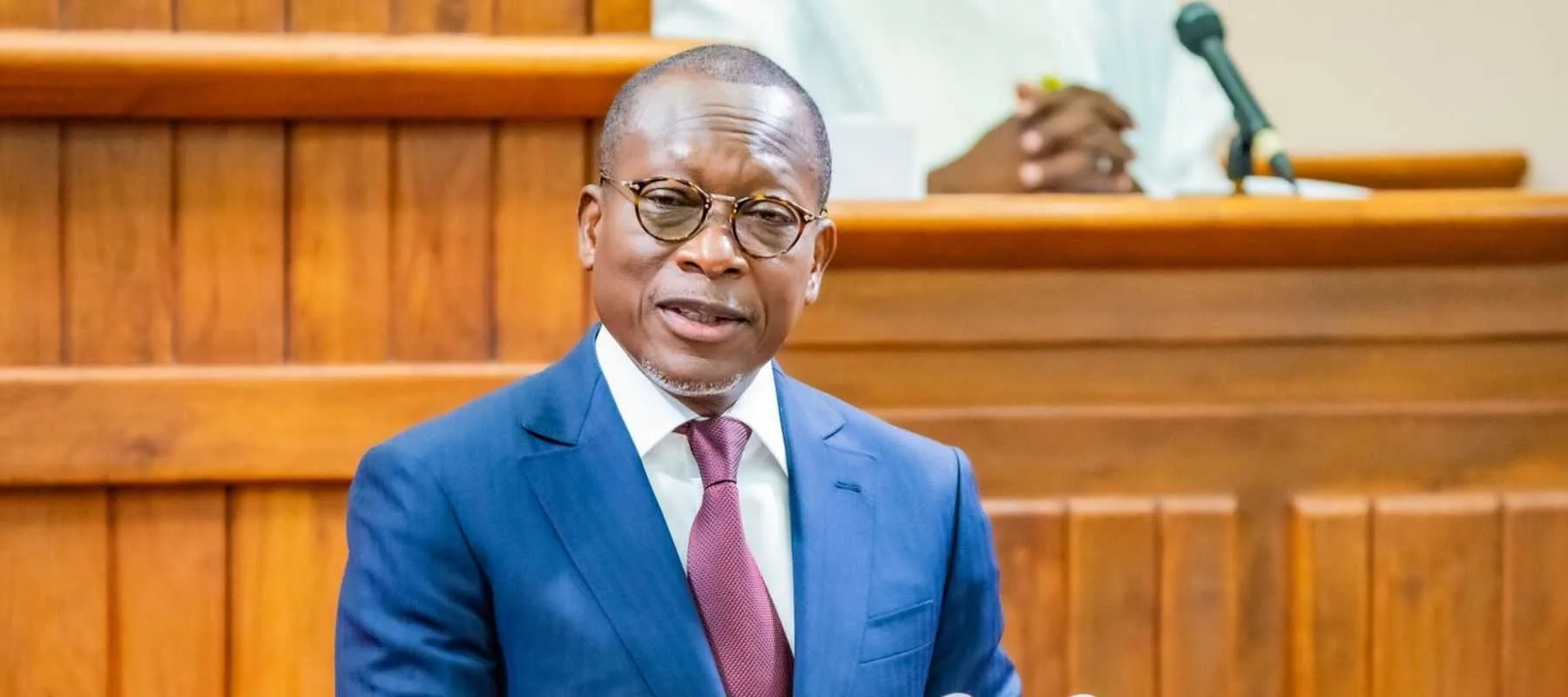
As a candidate in 2016, President Patrice Talon of Benin pledged to serve only one term in office. He said he did not need a second term to avoid “complacency”.
Outcome: In 2021, Talon broke his promise by seeking a second term, sparking protests in the country of 12 million. He claimed he needed another term to consolidate the gains of his first. Although he introduced a proposal to limit his successors to a single six-year term, Benin’s National Assembly rejected it.
Honourable Mentions
Some African leaders did not promise to serve only one term, but they pledged not to remain in power indefinitely. In other cases, reports emerged of private assurances. Among them are:
3. Goodluck Jonathan (Nigeria)
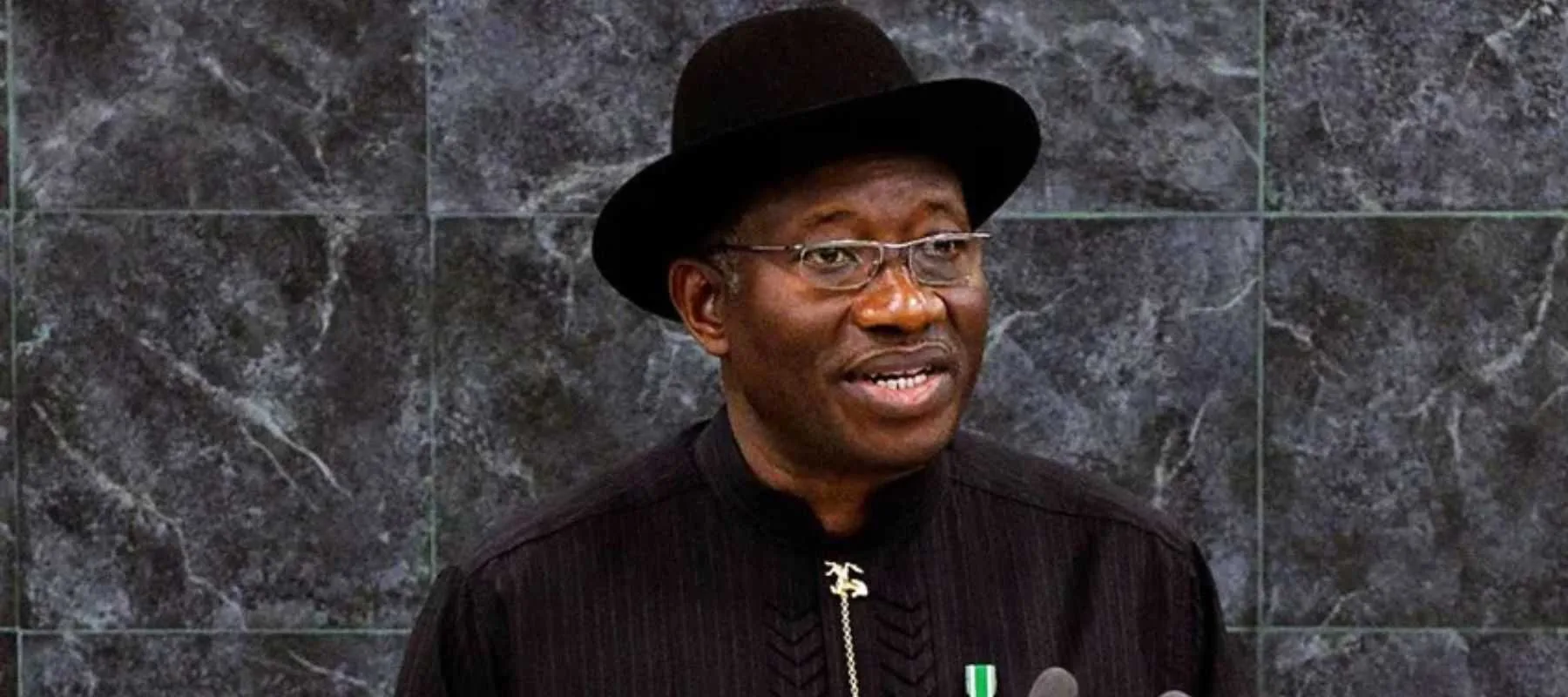
Former Nigerian President Goodluck Jonathan did not make a public pledge to serve only one term, but some political figures claimed he made private commitments not to seek re-election.
Former President Olusegun Obasanjo asserted that Jonathan publicly stated twice that he would serve just one term, though there is no concrete evidence that Jonathan made such a declaration.
Outcome: Jonathan eventually ran for re-election on the platform of a divided political party and lost his bid for a second term in 2015.
4. Macky Sall (Senegal)
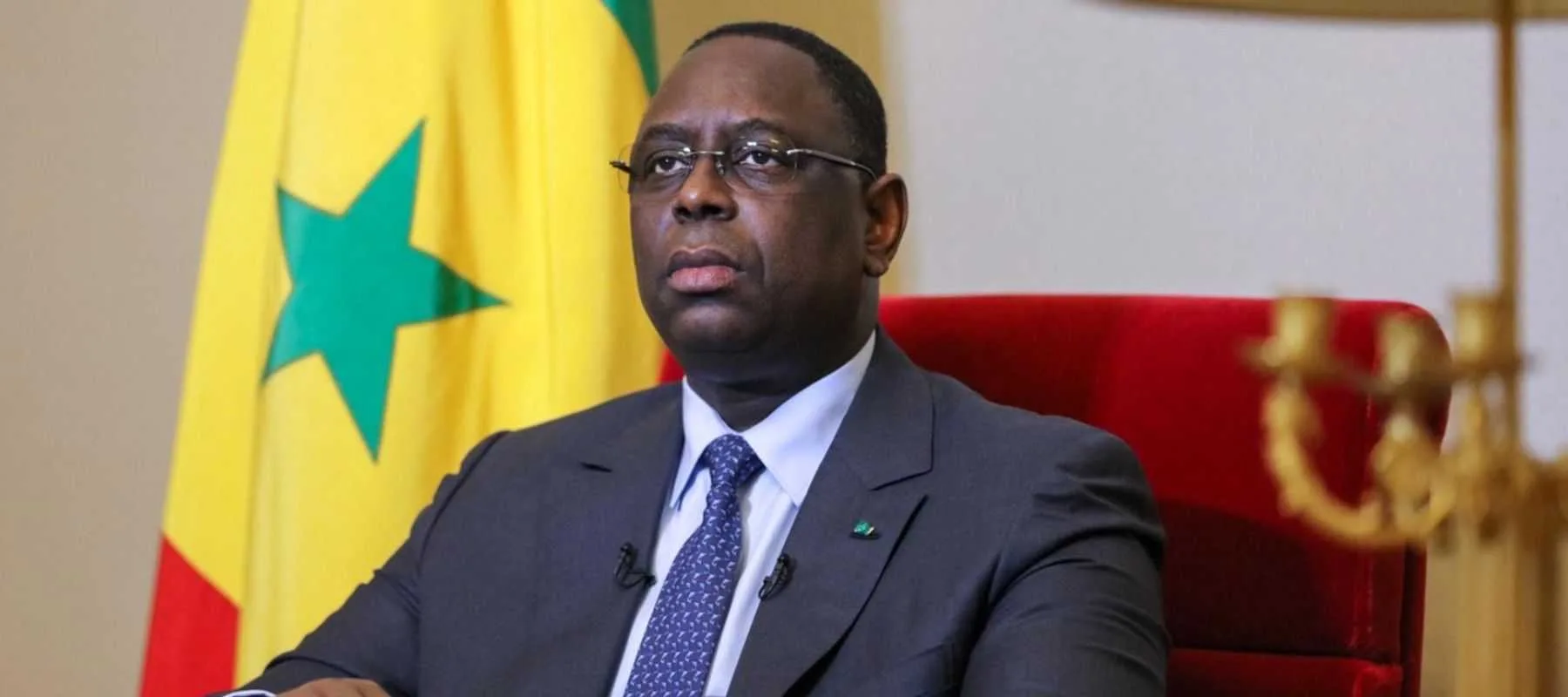
During his 2012 campaign, former Senegalese President Macky Sall promised to reduce the presidential term from seven to five years and to serve only one term.
In 2015, he proposed a referendum to reduce his term in fulfilment of that pledge, but the constitutional amendment did not take effect until later.
Outcome: When announcing the proposal, Sall said part of his motivation was to demonstrate that in Africa, power should not be an end in itself. However, he completed a seven-year term, then a second term after the constitutional reform, and was widely reported to have attempted to run for a third. Amid mounting pressure and deadly protests, he eventually announced in 2023 that he would not seek another term. He left office after 12 years in power.
5. Isaias Afwerki (Eritrea)
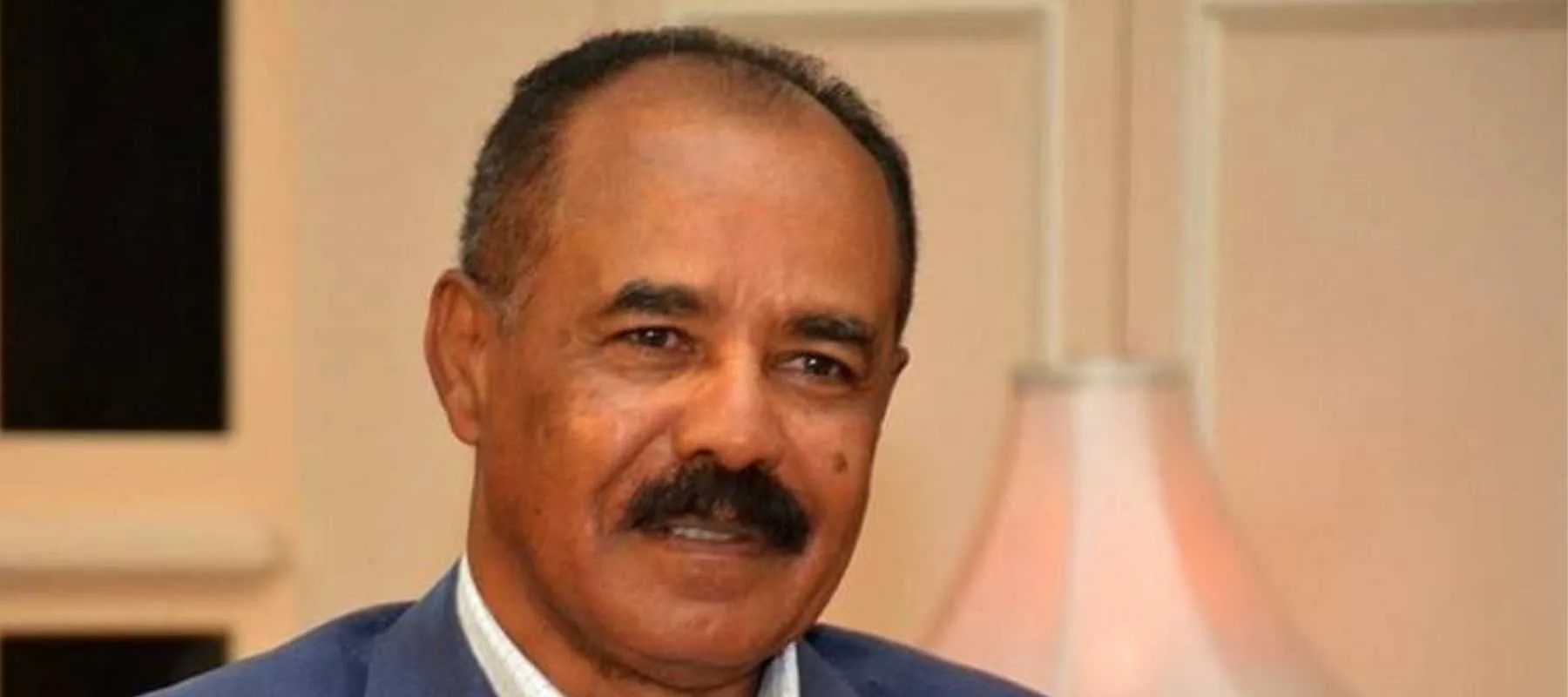
After Eritrea’s independence in 1993, Head of State Isaias Afwerki said the country would hold democratic elections and implement term limits. At an Organisation of African Unity summit in Cairo that same year, he also criticised fellow leaders for clinging to power.
Outcome: Afwerki has ruled ever since, with no elections held and no term limits enforced. A constitution drafted in 1997 has never been enacted, and multiple elections have been cancelled. Ironically, he has become exactly what he condemned in 1993.
As this list indicates, a common thread with one-term pledges is that leaders often renege on them once they assume office. Consequently, Obi and others like him will have to overcome public and political scepticism to succeed in their future presidential bids.