



Tune in to listen
Bounce FM

For Nigeria to be outplayed by Sudan is by any measure, a disastrous showing. But where does the blame for the humiliation truly lie this time, and what does it…

Come what may in their August 19 group finale against Congo, the Super Eagles B will leave with little to savour, having set out for Tanzania with hopes of claiming their first CAF African Nations Championship (CHAN) title.
CHAN, Africa’s second-tier men’s national competition exclusive to players active in their countries’ domestic leagues, kicked off its eighth edition on August 2, featuring a record 19 teams. Hosted across three East African nations — Kenya, Tanzania, and Uganda — the round-robin phase has seen a couple of interesting turns and twists, but none bigger than Nigeria’s elimination after playing just two matches.
In what is the Super Eagles B’s fourth appearance, and their first in four years, they suffered a 1-0 opening loss to defending champions Senegal before a humiliating 4-0 trouncing at the hands of Sudan all but sealed their exit. Head coach Eric Chelle has described the last match against Congo as one “to play for our honour and respect,’’ but the team’s outing so far belies this newfound fervour.
Nigeria’s CHAN 2024 Outing
The Super Eagles B headed into the CHAN 2024 carrying an unprecedented level of motivation in the country’s sports ecosystem. Following the wave of national honours, material rewards, and financial incentives showered on the Super Falcons and D’Tigress — from federal and state governments to private organisations — after their respective triumphs at the 2024 Women’s Africa Cup of Nations (WAFCON) and the 2025 AfroBasket, there was a prevailing belief that should the team secure their first-ever CHAN title, a share of such recognition and rewards would inevitably follow.
Considering what was implicitly on offer, one would expect a spirited display from the team who were led by men’s senior national team head coach Eric Chelle — former Mali head coach — flanked by assistants Daniel Ogunmodede and Fidelis Ilechukwu. Ogunmodede, fresh off NPFL triumph with Remo Stars, and Ilechukwu, 2023/24 NPFL champion with Rangers International, oversaw the team’s qualification by grinding out a 3-1 triumph over Ghana across two legs in December 2024. However, the promise surrounding this technical crew faded right from the start. The 1-0 opening group loss to Senegal, while not entirely surprising given Teranga Lions are the current holders with a relatively superior team, did send a wake-up call that Chelle himself acknowledged ahead of the must-win game against Sudan. But by the end of proceedings at the Amman Stadium in Zanzibar, the Super Eagles B again had their tail between their legs, thanks to a 4-0 loss, their joint-heaviest defeat in the tournament.
The defeat further dented the reputation of Nigeria’s football, all the more so because it came against a nation whose football profile is currently modest. Sudan’s domestic league has been suspended for over two years due to the ongoing civil war which has triggered the world’s largest displacement crisis. Football activity in the country has largely survived through its two powerhouse clubs, Al Hilal and Al Merrikh, who have been competing in the Mauritanian league to remain active. Earlier in July, a one-month makeshift tournament with eight teams, including these two giants, to decide its national champions and allocate CAF competition slots, did return to Sudan, but that was it.
For Nigeria to be outplayed by a side of this makeup is, by any measure, a disastrous showing. But where does the blame for the humiliation truly lie this time, and what does it force us to confront?
Why Nigeria’s CHAN Campaign Failed
Nigeria suffered a dip in squad quality ahead of the tournament. About five players who were part of the team that prosecuted the qualifiers sealed moves to other leagues, making them ineligible for CHAN. Chelle’s contentious takeover of the team for the tournament is also another issue, though the less said about that at this point, the better. But the team’s terrible performance can’t be separated from the coach, especially when there was a major rejig in the tactical shape and personnel that the team leveraged for qualification under Ogunmodede.
It can be argued that Chelle was dealt a huge blow with the departure of some of the squad’s best legs abroad, but the bigger issue at hand is how he failed to make the best of the 23-man squad at his disposal.
In all this, Kwesi Appiah, Sudan’s head coach who outwitted Chelle’s Eagles 4-0, had a blunt assessment. “The Nigerian team is not bad. They just need better coaching. I wasn’t expecting that scoreline. I knew we could beat Nigeria but not 4-0,’’ the former Ghana manager said post-match.
The Deeper Concerns Post-CHAN Exit
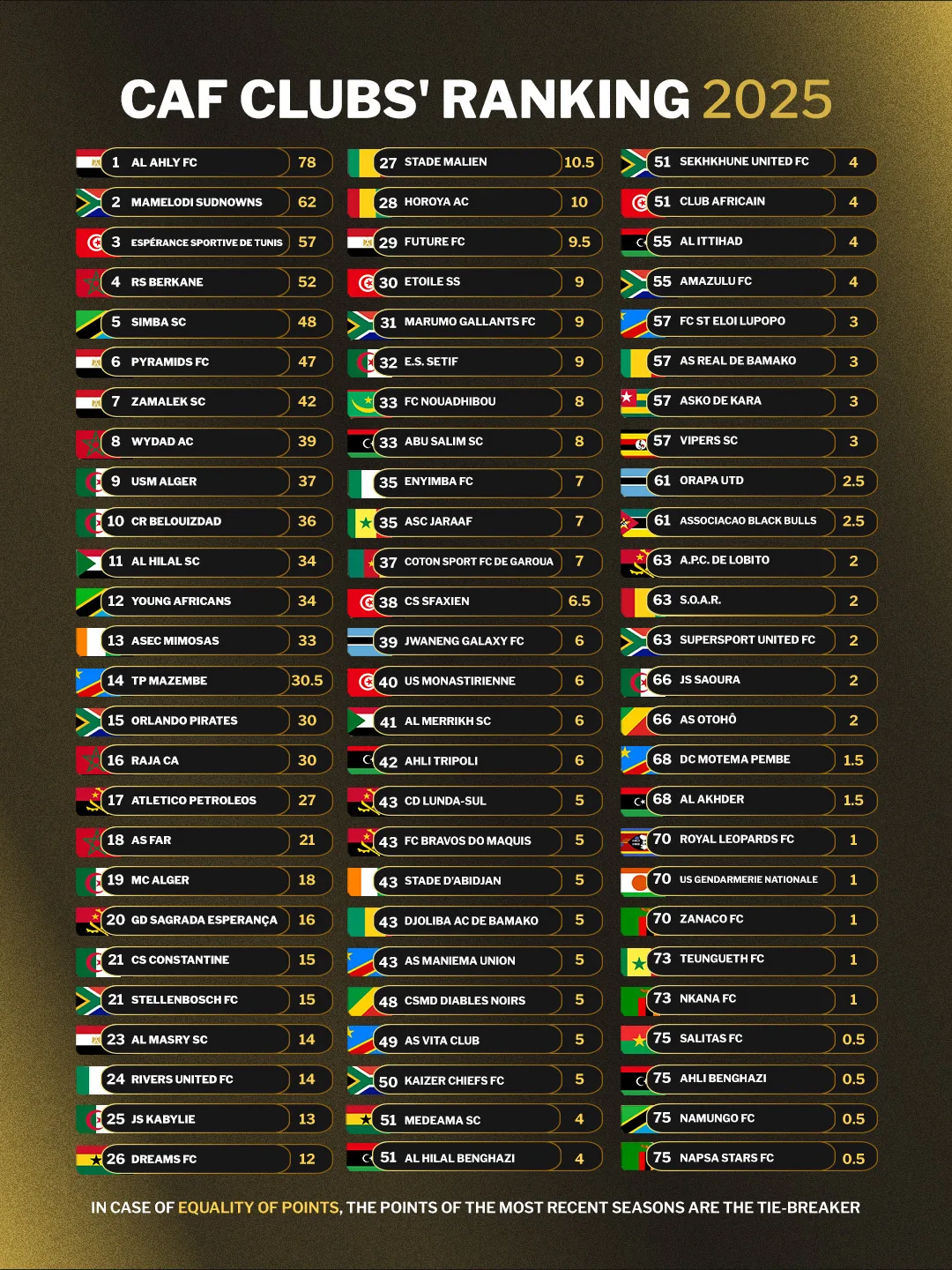
At the end of the day, Chelle’s stint with the Super Eagles B at CHAN 2024 is done and dusted, but the consequences are what we’re left with. Beyond the bitter taste of the team’s early exit, the implications for the NPFL are a major cause for concern. Days into CHAN 2024, Nigerians were reminded of the league’s current state when CAF’s latest ranking of Africa’s top 75 clubs featured only two NPFL sides: Rivers United (23) and Enyimba (35). For a league whose clubs haven’t reached the group stage of CAF continental competitions since 2018 — with little sign of that trend ending by the 2025/26 season — the CHAN Eagles’ failure only deepens the gloom.
There’s a bigger elephant in the room. By September, the 2026 World Cup qualification will return, and Nigeria is already hanging by the frailest of threads with six points from a possible 18. In the must-win matches against Rwanda on September 6 and South Africa on the 9th, is the man for this fight still Chelle — the manager appointed to salvage qualification — who has managed only a 25% win rate in his four competitive-match run as Nigeria’s head coach? We can kiss the World Cup hopes goodbye, for all that’s logically reasonable, but then, there’s still the matter of the 2025 Africa Cup of Nations coming in December. What road are we headed down from here?