



Tune in to listen
Bounce FM

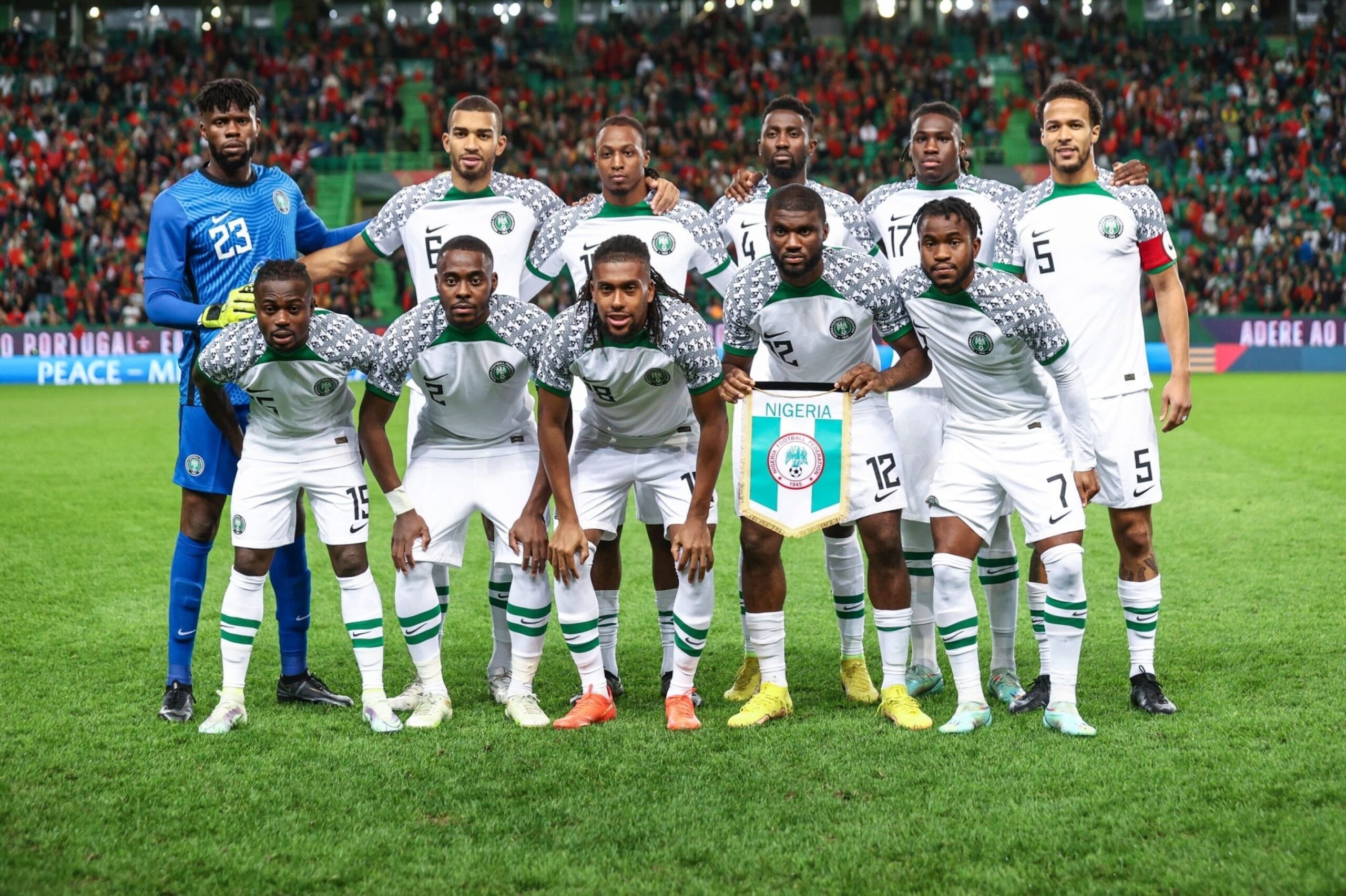
It is the first time Nigeria will fail to qualify for two consecutive FIFA World Cups since 1994, when they made their debut.

For the first time since the World Cup tournament began in 1930, as many as 48 countries will be contesting at the expanded 2026 edition. It’s also the first time nine African nations will have a chance to improve on their long-standing medal drought. In all these, the continent’s most populous country, Nigeria, won’t be at the 23rd edition of the world tournament. It’s the first time the West African giant will fail to qualify for two consecutive FIFA World Cups since its debut in 1994.
Tactically and mathematically, there wasn’t much going on for the Super Eagles before their must-win match against South Africa’s Bafana Bafana on Tuesday. Thus, the dismal performance at the Free State Stadium — with captain William Troost-Ekong first beating his own goalkeeper to give the hosts the lead and Calvin Bassey’s “hand of god equaliser” — summed up Nigeria’s shambolic qualification series so far.
The stalemate couldn’t have been more rewarding for South Africa’s Bafana Bafana who maintained their six-point advantage over the Super Eagles, now needing just one point from the last two matches to seal their automatic qualification. With the same number of matches left for Nigeria, no margin of victory can redeem their chances, and the back-door best second-placed team qualification route that was a glimmer of hope has died, with other teams already leading the ranks.
This is a mess that began two years ago when the qualification started. With two opening draws under Jose Peseiro against Lesotho and Zimbabwe, Nigeria bungled what should have been easy points against less prominent sides. About five months after their silver medal-winning performance at the Africa Cup of Nations (AFCON) in 2024, guided by former international Finidi George, they got further stuck as they endured a 1-1 draw with Bafana Bafana before the 2-1 loss to the Benin Republic. Eric Chelle, the Franco-Malian tactician brought in early in the year to save the qualifying campaign, has had four matches to mount a revival, but his two draws and two wins have fallen short, leaving the remaining two matches as dead rubbers.
Certainly, over the months, there has been little to no desire in Nigeria’s performance in terms of display and eventual results. But the wider, overarching administrative rot is the real issue to hold accountable. If anything, the NFF bears the greatest blame for how it has handled coaching retention and replacement. Without dwelling too much on the fallout from the 2021 exit of Gernot Rohr — the German tactician who, since his controversial sack as Nigeria’s manager, has lifted Benin Republic to a possible maiden World Cup appearance — the real mess lies in how his successor Peseiro, was replaced in 2024.
In replacing Peseiro, who exited the role after the AFCON silver in January 2024 and after the opening World Cup qualifier draws, the NFF went on a course that further jeopardised the qualification revival: promote former assistant Finidi George to interim head coach, judge his performance with two friendlies, go through a five-week search for a permanent appointment, only to end up sticking with him. With Finidi, a candidate whose only appeal was perhaps his familiarity with the team, the NFF only complicated his task by saddling him with the obligation to integrate home-based players. And complicated it was, as Nigeria settled for a third draw in the qualification before their first loss to Rohr’s Benin Republic.
After a four-game winless start, the NFF parted ways with Finidi and spent nearly six months searching for a replacement, eventually appointing Eric Chelle to lead the bid to revive the country’s World Cup hopes. In his first four games, the Malian has recorded two 1-0 victories and two 1-1 draws, but he remains far from fulfilling the main objective, with only two fixtures left in October.
While the coach and the players could have done better with the hands the administrators dealt them, it’s ultimately an indictment of the administrators.
To make matters worse, the NFF communication department, while reviewing the heartbreak against South Africa, threw striker Cyriel Dessers under the bus for the team’s failure. Now, Nigeria boasts a largely uninspired crop of players and a coach whose tactical awareness is suspect, a concern that looms larger with the Africa Cup of Nations (AFCON) returning in three months. Should the brand of football that has held sway over the year be the same as what the team turns up with for the competition, improving on their silver medal at the last AFCON is unlikely. Not even at a time when other African powerhouses are not leaving things to chance.