



Tune in to listen
Bounce FM

No prizes for correctly guessing which project takes the number 5 spot in 2025, but just how wide did we cast our net across the continent?

The general consensus from most music listeners regarding 2025’s soundscape has been lukewarm at best. Spotify Wrapped (and all its adjacent variants from other streaming services) were a tart mix of populist brainrot and emergent artists ‘pioneering’ new styles. R&D it would appear, took a backseat. The safety of Amapiano basslines and electronic backdrops offered continuity for many but arguably began stifling any kind of significant growth. Rap music is essentially a dichotomy of Opium clones or purists tempted to explore broader musicality.
For these reasons, BSide and the people of Bounce will be looking forward to this year, not at the music that moved us alone, but at the music that will. As we take stock of the artists we love and the music that soundtracked our lives in 2025, we also harness the gift of discovery. We believe that a key component of good music is its ability to offer more than one use case. Music that can be ever-present, through pleasure and pain, from the wedding hall to the nightclub and the solitude of your bedroom. Here are the best 50 African projects of 2025, in no particular order.
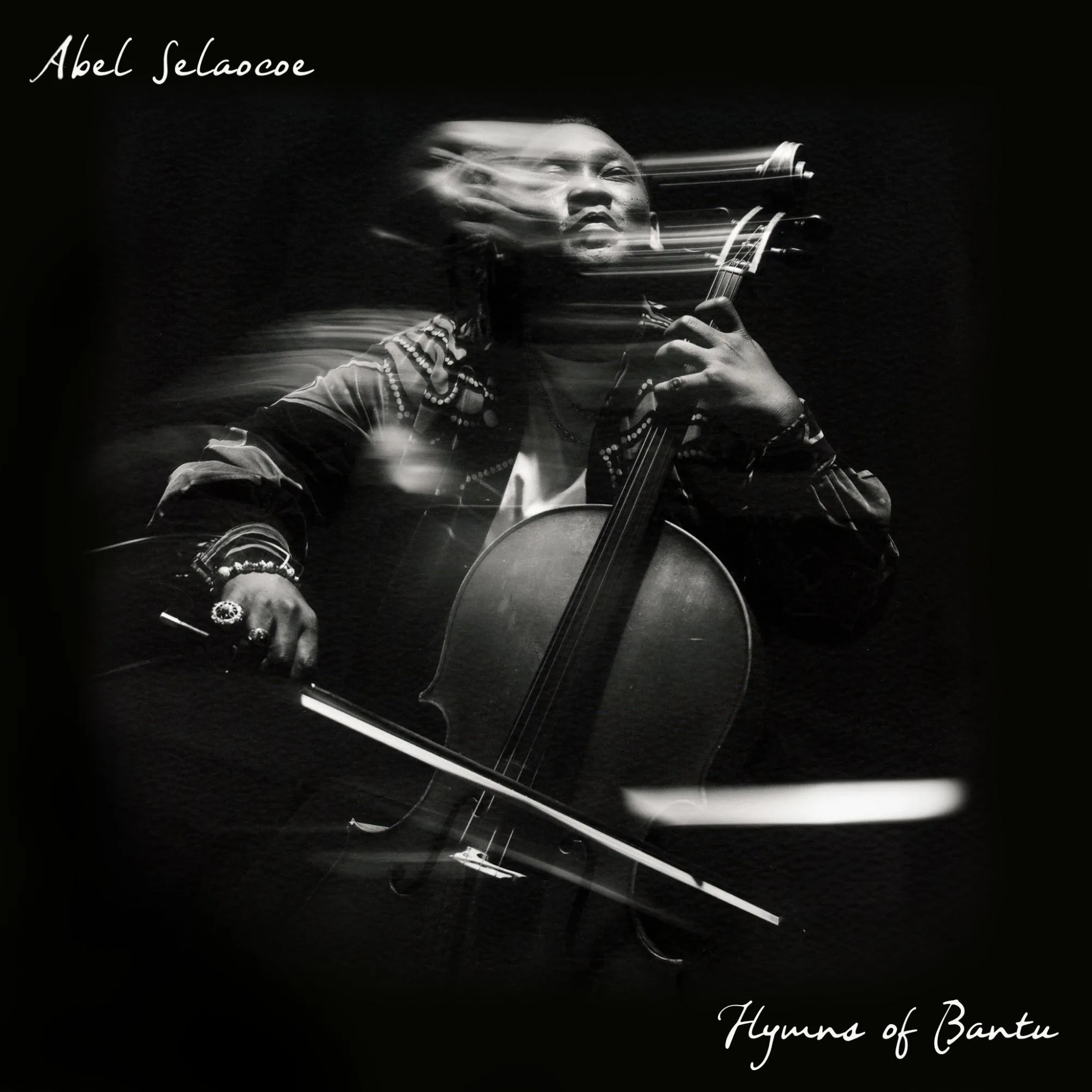
If South African music was once celebrated worldwide for its rich choral traditions and rhythmic vitality, Sebokeng-born cellist, composer, and vocalist Abel Selaocoe is ready to shine a new light on his country. Ever since he made his solo debut at one of the world’s biggest classical music stages, the BBC Proms, in 2021, he has continued to push the boundaries of what the cello—and, in doing so, South African music—can express.
On Hymns of Bantu, Selaocoe reaches deeply into the unique modal scales and overtone-harmonic systems of South African music. By doing this, he creates a musical journey that links the soulful hymns of South African townships with the intricate classical compositions of Johann Sebastian Bach, widely regarded as one of the greatest composers of all time.
Opening with “Tsohle Tsohle”, a Zulu phrase that translates to “everything is everything”, he layers throat singing, vocal clicks, over looped strings. And on “Emmanuele”, Selaocoe reveals the full scope of his vocal prowess as he glides from soothing hums to fervent chants, then erupts into percussive clicks and angelic overtones. If “Emmanuele” reveals his vocal range, the stimulating chants in “Tshepo – II (Rapela)” highlight his gift for ritualistic, trance-inducing expression.
Joined by the Manchester Collective, his Bantu Ensemble, and West African percussionists, Selaocoe crafts, throughout the album, a work that honours ancestral wisdom and the communal power of song. It’s a rare and stunning feat, as it marks the first-ever inclusion of a throat singer on Bounce’s annual best albums list, but more than anything, it reflects Selaocoe’s fearless exploration of sound and his ability to traverse continents and genres while articulating the most profound human emotions through cello, voice, and rhythm. — Abioye Damilare Samson

There’s no denying Aya Nakamura’s standing: she is the most-streamed French-speaking artist in the world, and depending on who you ask, one of the most industrious African artists shaping global pop today. In the years following her 2023 album DNK, she found herself at the centre of cultural debates in France, most infamously when rumours that she would perform at the 2024 Paris Olympics sparked a backlash. Destinée, her fifth album and the first released under her new independent imprint, Nakamura Industrie, marks a reset and a new assertive chapter.
Now self-directed, the Mali-born superstar draws on the influences that shaped her earliest instincts, zouk, R&B, and Afropop, fusing them into an 18-track project that glides between seduction, defiance, and emotional precision. Aya builds a small but potent cast around her. American singer-songwriter Kali Uchis appears on the R&B-laced “Baby Boy,” a soft, flirtatious duel where their voices circle each other with honest intention. Jamaican star Shenseea brings a sharper edge to “Dis-moi,” a reggaeton-tinged duet about self-worth, while JayO, Joé Dwèt Filé, and Kany add ripples of Afropop and sultry Caribbean melody. There’s not much evolution from her 2023 album, but what stands out most on Destinée is Aya’s composure and the polished, tightly-woven production that makes the tracks feel unmistakably her own. — Abioye Damilare Samson
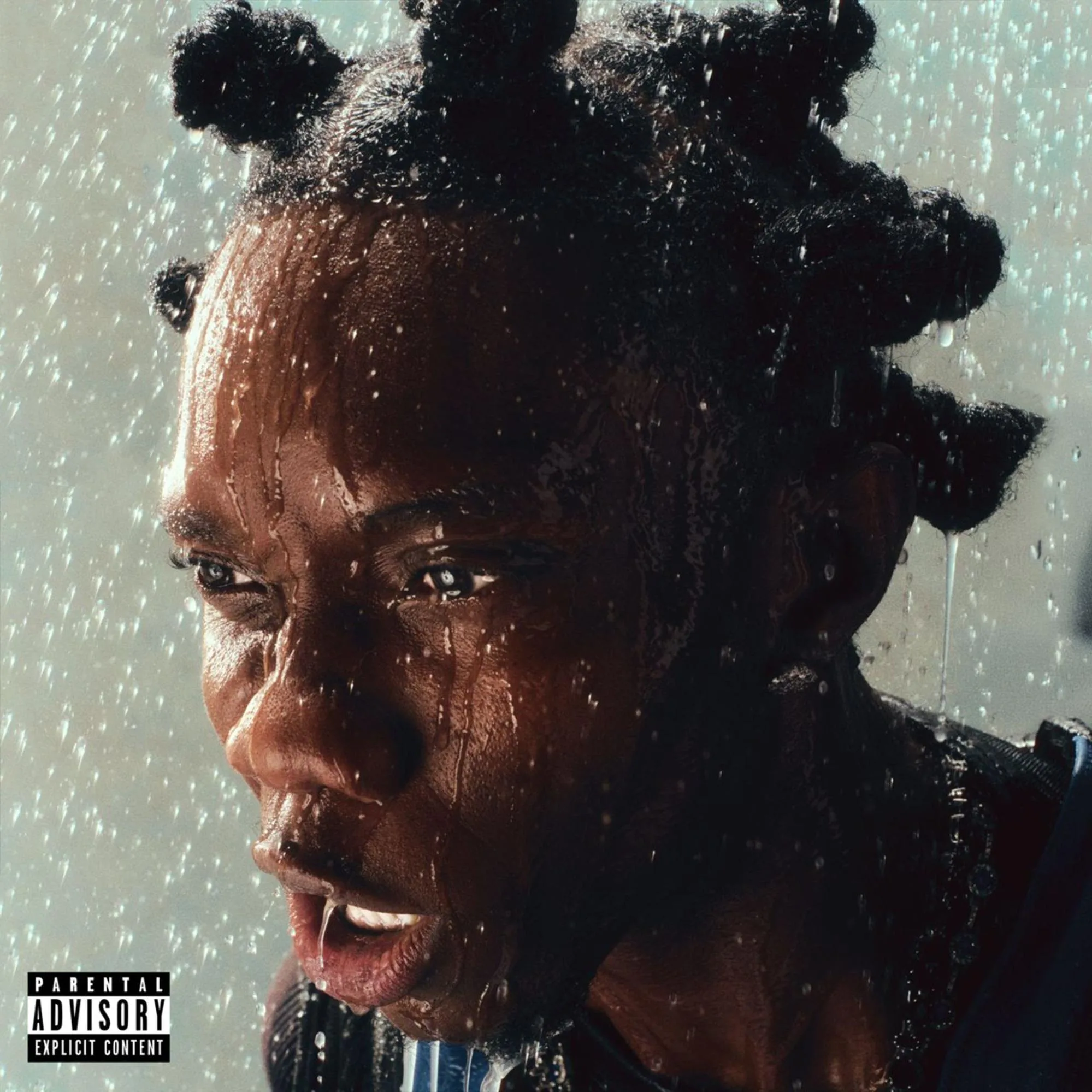
When Blaqbonez released No Excuses in October, Nigerian music fans received it with passion. Months-long Twitter frenzies with ODUMODUBLVCK shaped the narrative that would follow him into the studio. What began as social media tension and competitive energy from both sides crystallised in public expectations that No Excuses would, among other things, settle a point of pride in Nigerian Hip-hop. The track that drew the most attention in that context is “ACL,” where Blaqbonez delivers barbs, a direct response to ODUMODUBLVCK’s claims to rap dominance. Lines accusing perceived clout chasing and internet posturing set social platforms alight and helped the song chart strongly locally.
The album opens with “Everlasting Taker.” As a point of presence and dominance, it plants Blaqbonez’s flag firmly as an undisputed rapper. His lyrics announce resilience and a belief in his own art, building the narrative that he is here to stay despite debates over style and influence. The track’s unapologetic self-assertion serves as a starting point for what the project aims to be. On “Consistency” featuring UK rapper AJ Tracey, Blaqbonez switches gears from confrontation to celebration of himself and his craft. The interplay between the two artists emphasises discipline and longevity, fostering No Excuses in the idea that work ethic defines legacy more than gimmick-driven online disputes. The British influence gives the record international flair, showing that Blaqbonez is thinking beyond local charts while still representing the Naija rap scene intercontinentally.
“Aura 4 Aura” with Pa Salieu pushes the album toward rhythmic experimentation. The drum patterns are unconventional, and Blaqbonez stretches his flow over them, expressing a willingness to step outside standard structures. Some critics have pointed out that the mixing here and elsewhere does not always match the ambition of the ideas, but the creative reach remains clear. When the tone shifts on “Despacito” featuring FOLA, the album opens room for warmth. Here, Blaqbonez adopts a breezy soul influence. FOLA’s smooth vocals and the relaxed instrumentation ease the mood after earlier confrontational moments, presenting him as someone capable of vulnerability and melodic sensitivity amid the bravado.
“Nati” with Olamide brings back energy with Amapiano influence and confidence. Olamide’s presence adds historical depth — a bridge between different generations of Nigerian Rap and street pop. Though Blaqbonez’s verse does not overshadow Olamide’s sprightly hook, the track still operates as a celebration of rhythmic chemistry and star collaboration. On “W For Wetego,” with Young Jonn, Phyno, and DJ 808, the album hits one of its higher points in communal exuberance. The hook and verses carry an easy groove that invites movement and affirmation. Phyno’s verse gives the track a veteran presence, giving a different energy to counterpoint Blaqbonez’s buoyant lines.
The closing arc of the album softens while still summing up the project’s moods. “Louder” with Ayo Maff and Bella Shmurda turns inward emotionally, reflecting on struggle, growth, and forgiveness. The depth of the subject matter here contrasts with the earlier bravado, demonstrating that No Excuses is not only about external battles but internal reckoning as well. Finally, “Starks $$$” featuring Barry Jhay closes the project on thoughtfulness about wealth, fame and its discomfort. It underscores how visibility changes relationships and personal reflection, rounding out the album’s arc from confrontation, through celebration, to contemplation.
No Excuses does not offer a neat resolution to the feud with ODUMODUBLVCK. What it does give is a picture of an artist asserting himself, balancing bravado with introspection, confidence with vulnerability. It stands as one of Blaqbonez’s most comprehensive albums to date. It’s playful, serious, sometimes uneven, but unmistakably his own. — Kolawole Michael
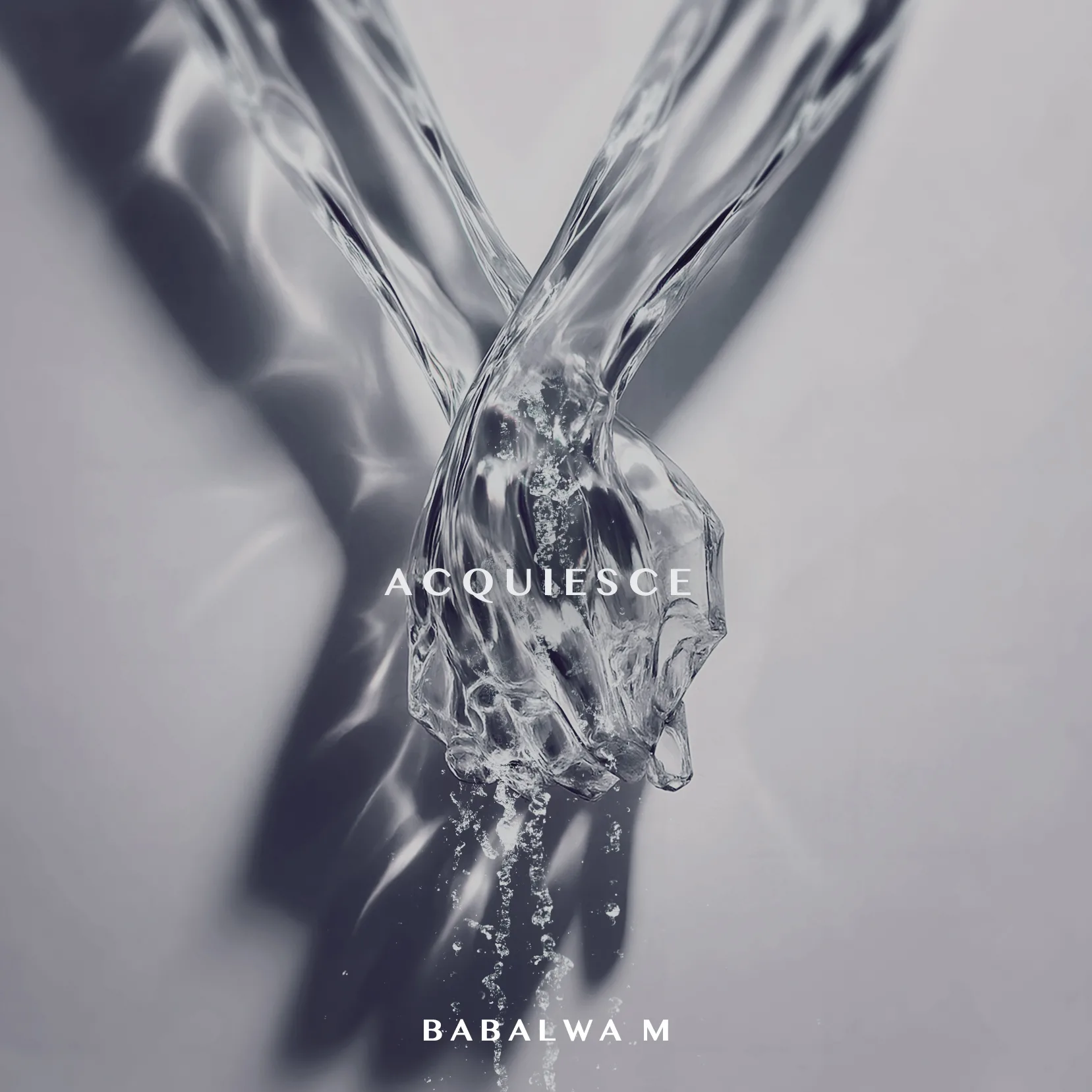
What makes Babalwa M distinct in amapiano is her ability to let emotion sit at the center. Her third studio album, ‘Acquiesce,’ is a study in rhythm and collaboration, where her voice navigates both vulnerability and assertion across sultry grooves and intricate sounds. Known for her knack for weaving complex emotion into danceable soundscapes, Babalwa stretches the boundaries of the genre while staying rooted in the South African township experience.
The album opens with “Intro (iCilongo),” a collaboration with Stixx and Boohle, immediately setting a tone of understated confidence and layered melodies. On “Muzi Ka Baba,” Babalwa pairs with Stixx to craft a playful yet hypnotic track that balances storytelling and movement. One of the album’s standout moments is “Amaphutha”, where Babalwa collaborates with JAZZWRLD, Thukuthela, and GI_Ceejay. The track folds smooth vocals and nuanced production into a contemplative groove that teases the boundary between amapiano and introspective R&B, signaling the chemistry between two artists whose artistry aligns across mood and texture.
‘Acquiesce’ unfolds as both a journey and a series of vignettes, each track revealing a facet of Babalwa M’s artistry particularly her command of rhythm, her ear for collaboration, and her capacity to merge joy, reflection, and intensity into a singular package. It is a record that sits confidently in the space she has claimed, hinting at what comes next without ever overstating its conclusion. — Folake Ajao
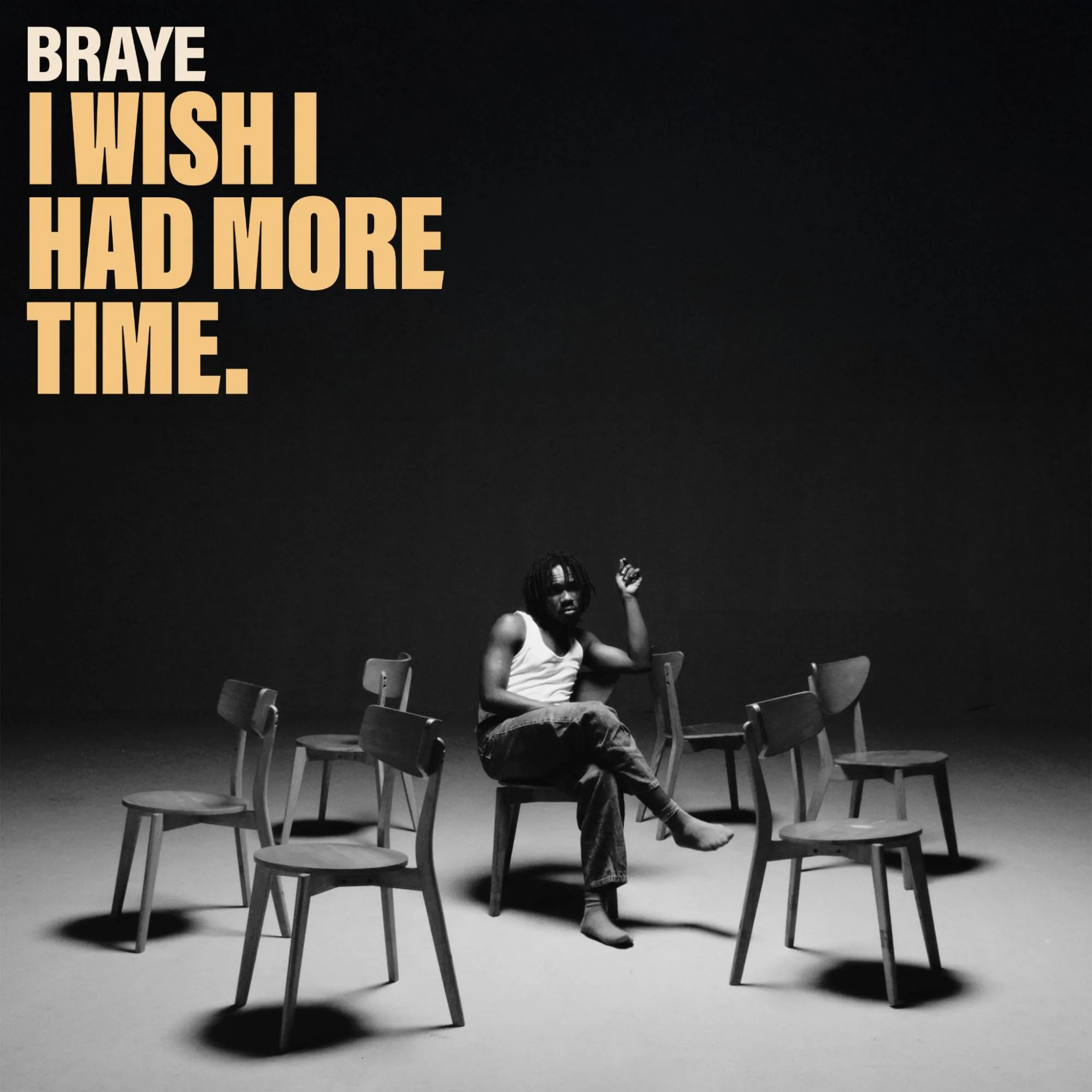
This is the only EP and the shortest project to make it onto this list, but once you put it on, you’ll understand why. In his brief 15-minute runtime, Braye manages to reveal a great deal about his identity as an artist but more importantly, as a person. This is a storyteller who is unafraid to wear his heart on his guitar strings and a young man trying to stay afloat in a world his parents do not recognize. In his music, you might hear echoes of the reggae greats of old, but there’s also a freshness, an honesty and an innocence that makes you fall in love.
“Stuck” is a slow-paced melody that speaks to the sleeping giant in all of us, that part of us that can be so much more if we would only believe and act. “I Wish I Had More Time” on the other hand, is the lament of a man watching his youth slip away too fast, and those guitar chords will combine with Braye’s haunting vocals to break your heart in pieces.
In “Bring You Home” and “Slipping Out Of Time” we hear echoes of Bob Marley, the legend whom Braye cites as one of his biggest influences. Here, he is the lover trying to take it slow but knowing that time is not his friend in this game of love. Braye’s use of the guitar in this EP is extensive, almost like it is his trademark instrument. His voice conveys a mixture of love, longing and pain that plucks at your heartstrings. This is music you sit with in the midnight hours when sleep proves elusive, and the rhythm is timeless. — Chukwuma Nwangwu
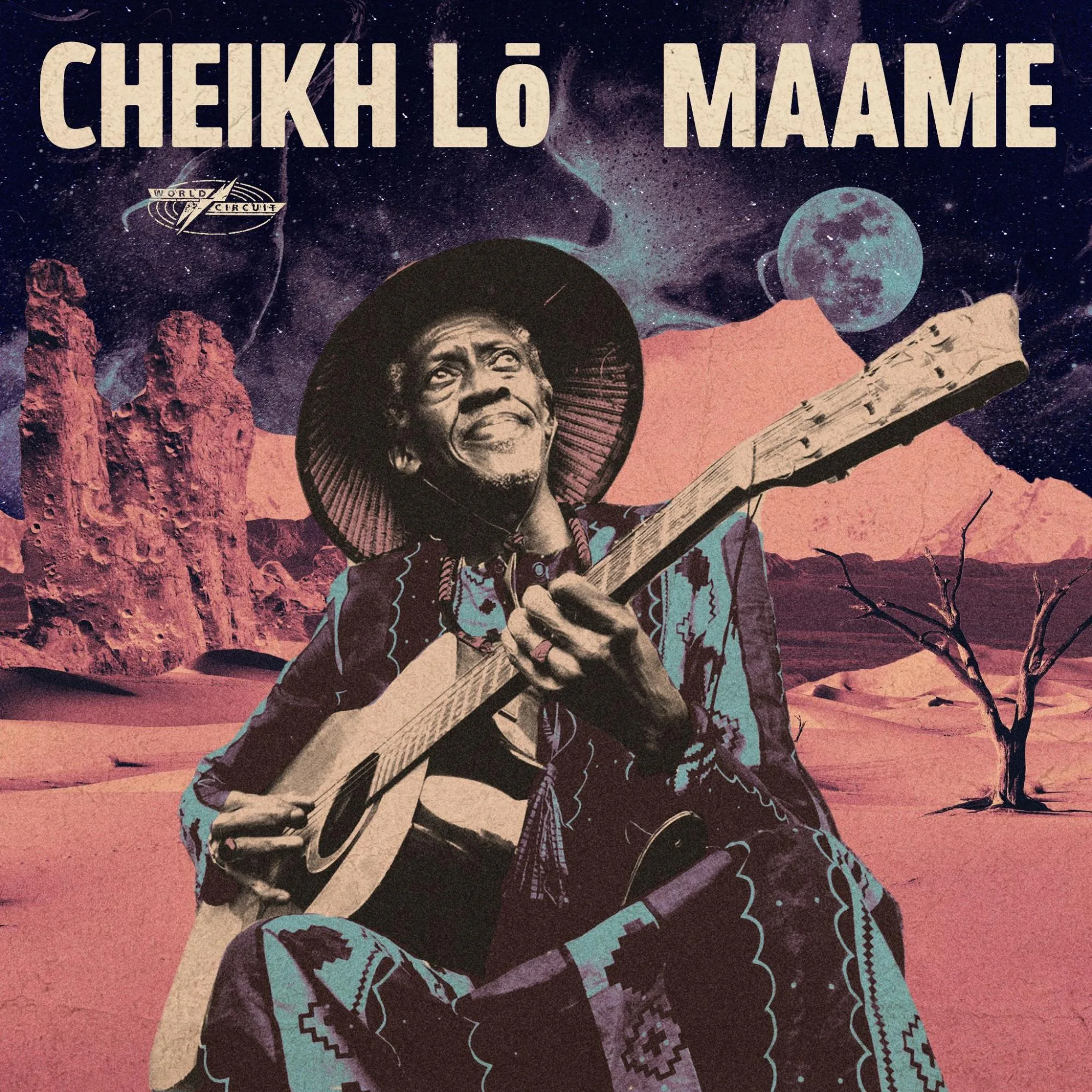
It takes an extraordinary level of confidence to take a decade off from releasing an album, but for a legend like Cheikh Lô, it’s a natural extension of his measured creative process. His album, Maame, arrives ten years after his last, Balbalou, in 2015. But even with those long years apart, nothing about the quality that makes his music magnetic has waned or been modernised simply to tap into contemporary soundscapes.
It’s folk music at its rawest, with bold, uncompromising lyrics that resonate with the mind and soul. The opening track, “Baba Moussa BP 120,” sets the tone, while “Bamba Moofi Djouli Guedj” further intensifies the momentum, fusing talking drums with a precise horn section. Traditional West African instruments, balafon, kora, sabar, and talking drums, form the backbone, while Lô’s trademark simmering Rumba rhythms remain as expansive and thrilling as ever. Throughout, there’s a cohesive arrangement, anchored by Lô’s soft, silken vocal delivery—soulful, breathy, and ethereal.
His cry for African freedom and sovereignty resonates most in “Africa Development,” the album’s only reggae song. The guitar solos and riffs throughout, most especially on the title track, “Maame”, are brilliant and transcendent as they elevate each composition into something devotional. This album is Cheikh Lô’s latest reminder of the mystic enchantment and spiritual depth that make him one of Senegal’s most revered voices. — Abioye Damilare Samson
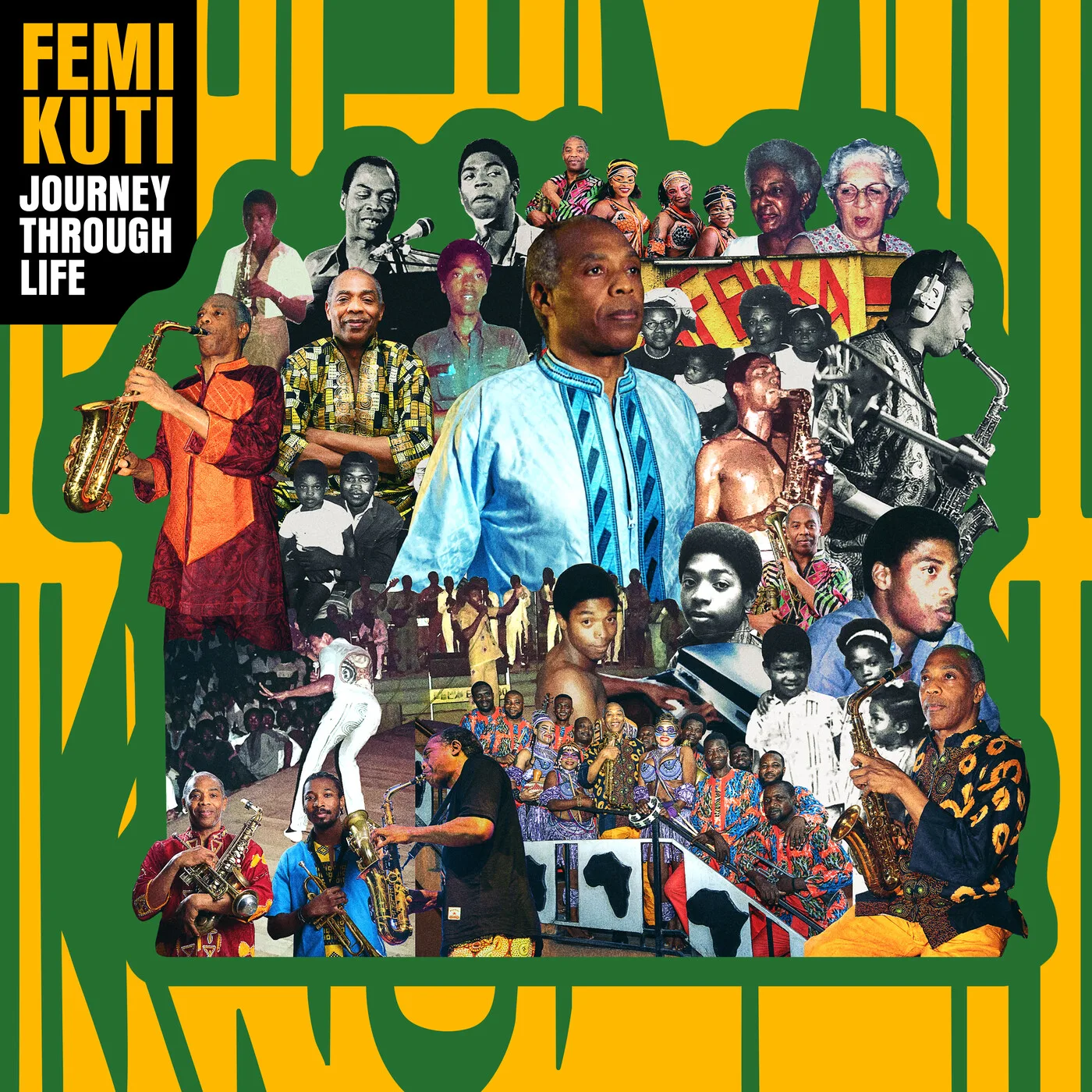
Femi Kuti’s Journey Through Life moves like a mix of fiery teachings, pointed observations, and unfiltered frustrations. On the 10-track album, Femi looks in the mirror, thinking about his life, ambition, and country as an Afrobeat warrior, a chronicler of Nigeria’s scars.
Right away, the title song sets the tone with warm horns and funk-tinged grooves, layered with a gospel-like chorus that sounds welcoming but weighty. Then come the record’s sharp edges, records like “After 24 Years,” “Corruption Na Stealing,” “Politics Don Expose Dem”, carry anger, frustration, history, and a demand to be heard. Femi Kuti reminds you that the struggle remains, but with grooves you can nod your head to.
Between the horns and the messages, there’s heart. On “Work On Myself,” on “Last Mugu,” there’s reflection, on growth, survival, survivor’s guilt, on the toll of his name in times like these. The album stylistically balances throwback Afrobeat energy with modern polish, synthetic touches, crisp drums, and layered arrangements that make the message hit hard and clear. Journey Through Life never promises a tour of Femi Kuti’s personal story. Instead, it pulls our eyes back to Nigeria’s stubbornly familiar crises and shows how Afrobeat continues to reflect the country with sharp clarity. — Kolawole Michael
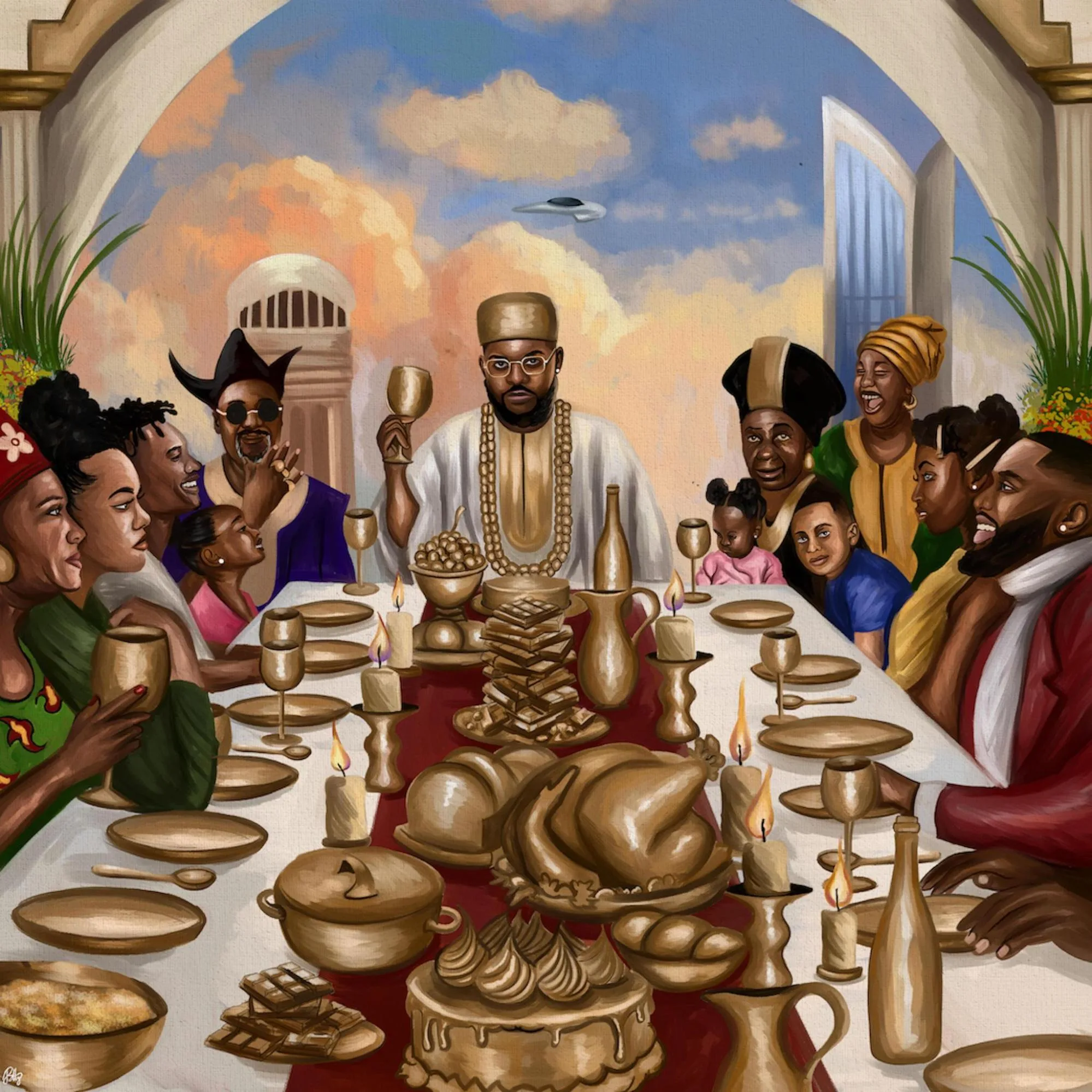
Falz’s The Feast continues his long tradition of blending sharp social observation with warm storytelling and melodic versatility. Across twelve tracks, he balances wit with reflection, celebration with critique, and personal narrative with broader cultural commentary. This album feels like a full meal: diverse in flavour but unified in purpose.
“Round of Applause” opens the record with a statement on presence and perseverance. Falz’s delivery captures a sense of arrival without arrogance. The beat supports his words with a confident rhythm that asks listeners to pay attention. “Old Soja” featuring Majeeed blends highlife rhythms with modern texture. The guest adds a soulful hook that reinforces the idea of longevity — someone who has weathered trials and still stands tall. On “Anything Goes” with ODUMODUBLVCK, the two rap about resilience and the consequences of poor leadership in a track that feels rooted in street poetry more than spectacle. Their flows interlock across a rich beat that carries intent without barbed edges.
“No Less” takes on cultural foundations, sampling Sikiru Ayinde Barrister’s “Fuji Garbage” and connecting Falz’s contemporary commentary to musical heritage. The result is a lively hybrid of rhythm and lyrical energy. With “Famomi” featuring DOTTi The Deity, Falz shifts tone to romance. Here, love is not overblown but steady and sincere, captured in a mood that invites listening close rather than loud.
“Slow Down” with Qing Madi extends that tenderness. Her voice brings airy vocals that accentuate the song’s warmth. Though some critics point out production familiarity, the track holds emotional space without forcing dramatic peaks. “Jump” shifts gears again, an upbeat piece with Falz at his lyrical stride. The beat pushes forward, capturing joy and movement and reminding the listener that rhythm and wordplay are equal partners in his craft. “Wonderfully Made”, featuring Oiza x Meyi, interweaves celebration and self-confidence, uplifting without grandiosity. The chorus has an affirming simplicity that anchors the album’s middle section. “Dance With You” leans into a melodic croon. Over infectious percussion, Falz’s voice slides into a place where romance and groove inhabit the same space.
On “Wayo” featuring D Smoke, the focus returns to critique. Falz and his guest call out insincerity and hypocrisy with sharp lines and firm delivery. “Eat” arrives shorter and punchier, a moment of playful assertion before the album’s close on “Story Time,” where Falz shifts into reflection. The final track’s narrative arc ties the project back to his personal evolution, grounding The Feast in long-form storytelling rather than fleeting trends. Though I feel the closing track should be the opening track on the album, while the opening serves as a coda. Across these tracks, Falz wanders with both humour and sincerity. He highlights flaws in society, articulates personal growth, and moves comfortably between lounge vibes and lyrical punches. The Feast positions him as someone unafraid to address big questions while still serving songs that linger. — Kolawole Michael
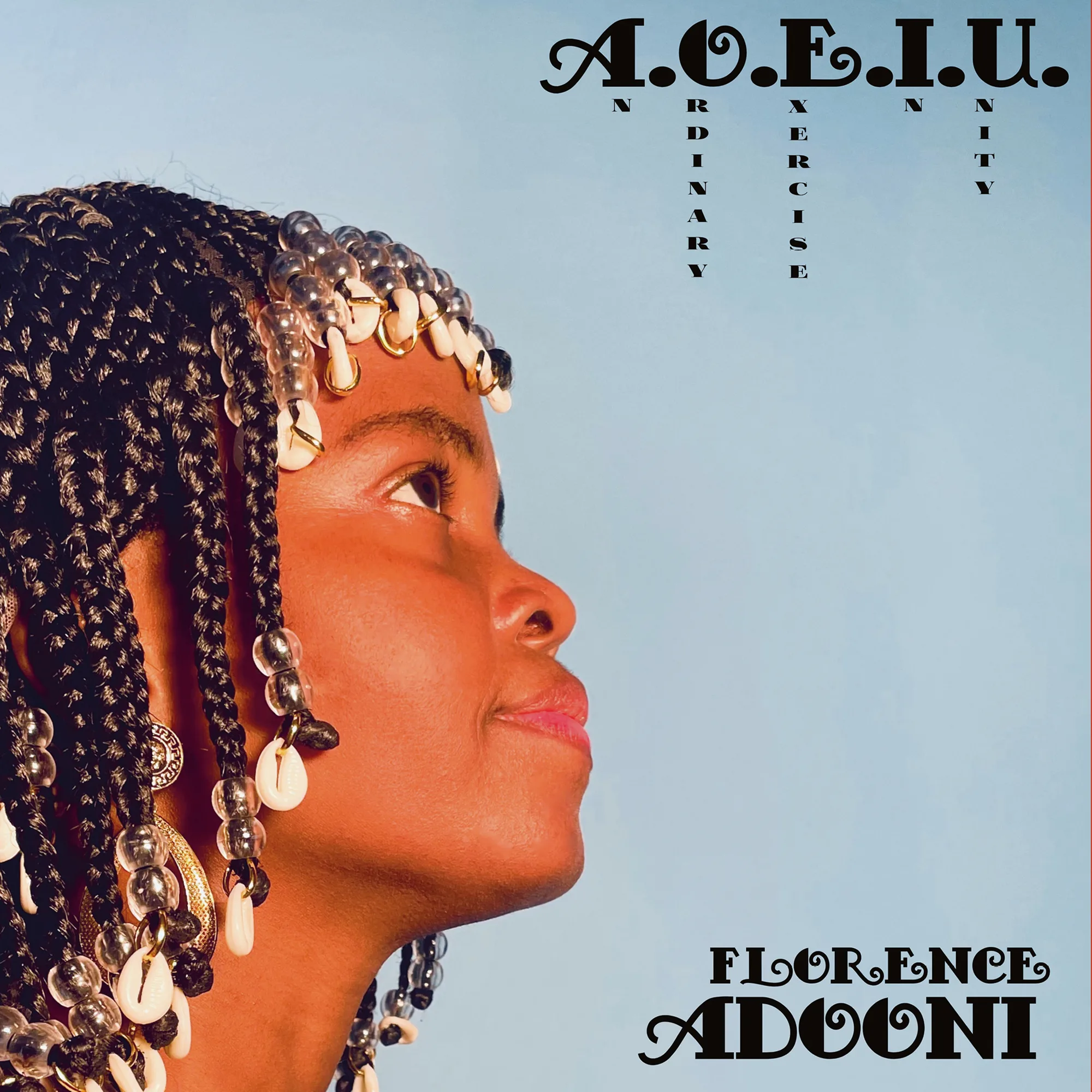
Florence Adooni is a child of two worlds. Born and raised in Kumasi, her parents hail from Frafra in Northern Ghana. As a child, they encouraged her to join the choir, and that was the beginning of a musical journey that has taken her from Kumasi to the world stage. A teacher set up her first recording session that led to her 2011 debut, Ho Sanga la Pa’aya. Her sophomore album, Day Sake, brought her to the attention of producer Max Weissenfeldt. That meeting would propel her beyond the shores of Ghana and lead to international recognition and a tour of Europe. A.O.E.I.U is a unique take on New Highlife and quite possibly the best of its kind since The Cavemen burst onto the scene. The album is a musical melange of styles with echoes of 1970s Highlife, some Afrobeat, Gospel and even Jazz.
The opening track, “Mam Pe’ela Su’ure”, is a fine example of nature and nurture shaking hands. Here, her Frafra heritage shines through a highlife medium that is synonymous with her home city of Kumasi. It’s a modern highlife reinterpretation of a Frafra congregational hymn. “Vocalize my Luv” plays freely with elements of EDM, and the title track can only be described as afro-jazz. Big shout-out to Emmanuel Arthur on the tenor sax for doing his thing.
“Otoma Da Naba” is a gospel song in Frafra and translates “the Creator has done well.” The song pulses with an electronic bass line that could probably keep you on your treadmill for an hour or more. “O Yenne Te San Tue!” is another praise song that opens with a flute solo harking back to the artist’s native Northern Ghana. “The Uh-Ah Song” is a playful song Florence wrote for her daughter and celebrates joy and innocence. The highlight of the song is a breathless guitar solo by Dickson Boakye Danso that just elevates the entire experience. The album closes with “Fo Yelle”, Florence’s take on what benediction should sound like on an African album. — Chukwuma Nwangwu

South African rapper Focalistic teams up with compatriot and fellow Pretoria native Ch’cco to bring us B.O.A.T.S (Based on a True Story), an instant Amapiano classic that will have you bopping for its entire 69 minute runtime. B.O.A.T.S is a celebration of success for two boys who backed themselves, a shout-out to the culture that birthed and nurtured them, and generally a feel-good experience. Focalistic’s rhythmic precision blends with Ch’cco’s smooth melodies in a call and response you might find yourself repeating at odd times, whether or not you know the language.
The dynamic duo pay homage to Pretoria with “Timana” and “Dzepa” with the latter delivered in S’Pitori, the street lingo of the city. “Out The Trenches” narrates their journey from the neighborhood to the top of their game, and fittingly sounds like a proper bop.
“Wena My Queen” celebrates love, and “Khekheleza” stands out for that deep, hypnotic groove that works its way into your bones and stays there. It’s the perfect song for ravers and clubgoers who want to let it all out. The songs appear to be built around the same Amapiano architecture, but the subtle differences in delivery more than make up for it. B.O.A.T.S was engineered to sound as great as it does in your car on a six-hour road trip as it will in the club. Focalistic and Ch’cco made the perfect party starter. — Chukwuma Nwangwu
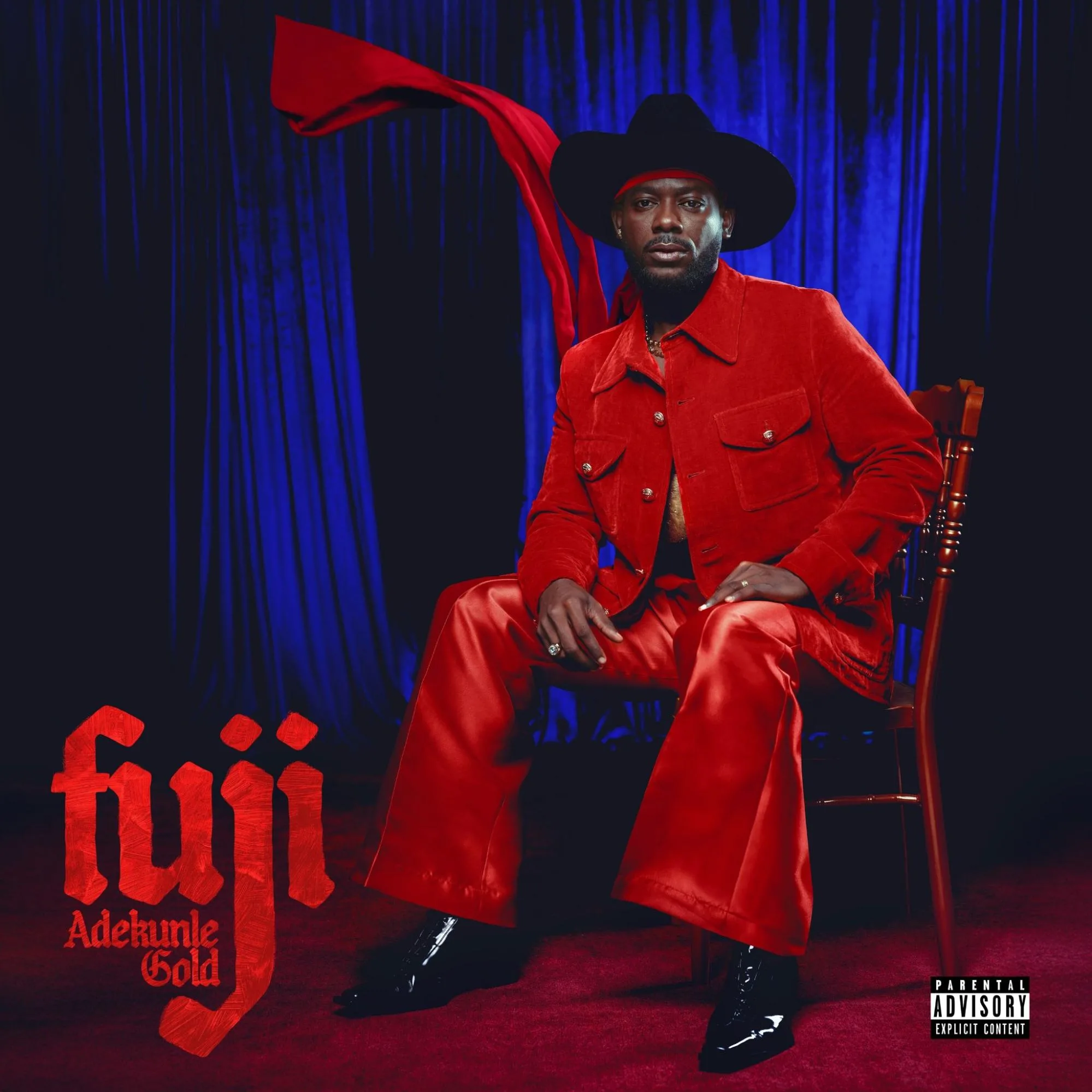
Adekunle Gold’s knack for inventiveness and his ability to constantly refine himself remains one of his strongest signatures. Before his full rebranding as a pop artist, AG entered the scene as an urban highlife act, with an adire-wearing aesthetic that mirrored his sound. On his sixth album, Fuji, Adekunle Gold returns to that traditional form, but this time he draws directly from Fuji music to craft a body of work that feels deeply immersive and richly enjoyable.
Across the album, he explores Fuji, Juju, Highlife, and Afropop, fusing in collaborations with Tungba maestro Yinka Ayefele on “Many People,” as well as Davido, Mavo, and others. Samples and interpolations stretch the project’s sonic width and expand it into something that is familiar and freshly imagined. It is the sound of a man who has grown into himself and is fully basking in that sense of artistic evolution. Lead singles “Coco Money” and “Big Fish” benefit from the aforementioned interpolations more than most records and the nostalgia shines through if the streams are anything to go by.
For the most part, AG stays in his most familiar pockets; love songs. Records like “Simile”, “Obimo” and “My Love is The Same” draw from his robust romantic multilingual vocabulary, endearing him to his biggest audience further. — Abioye Damilare Samson
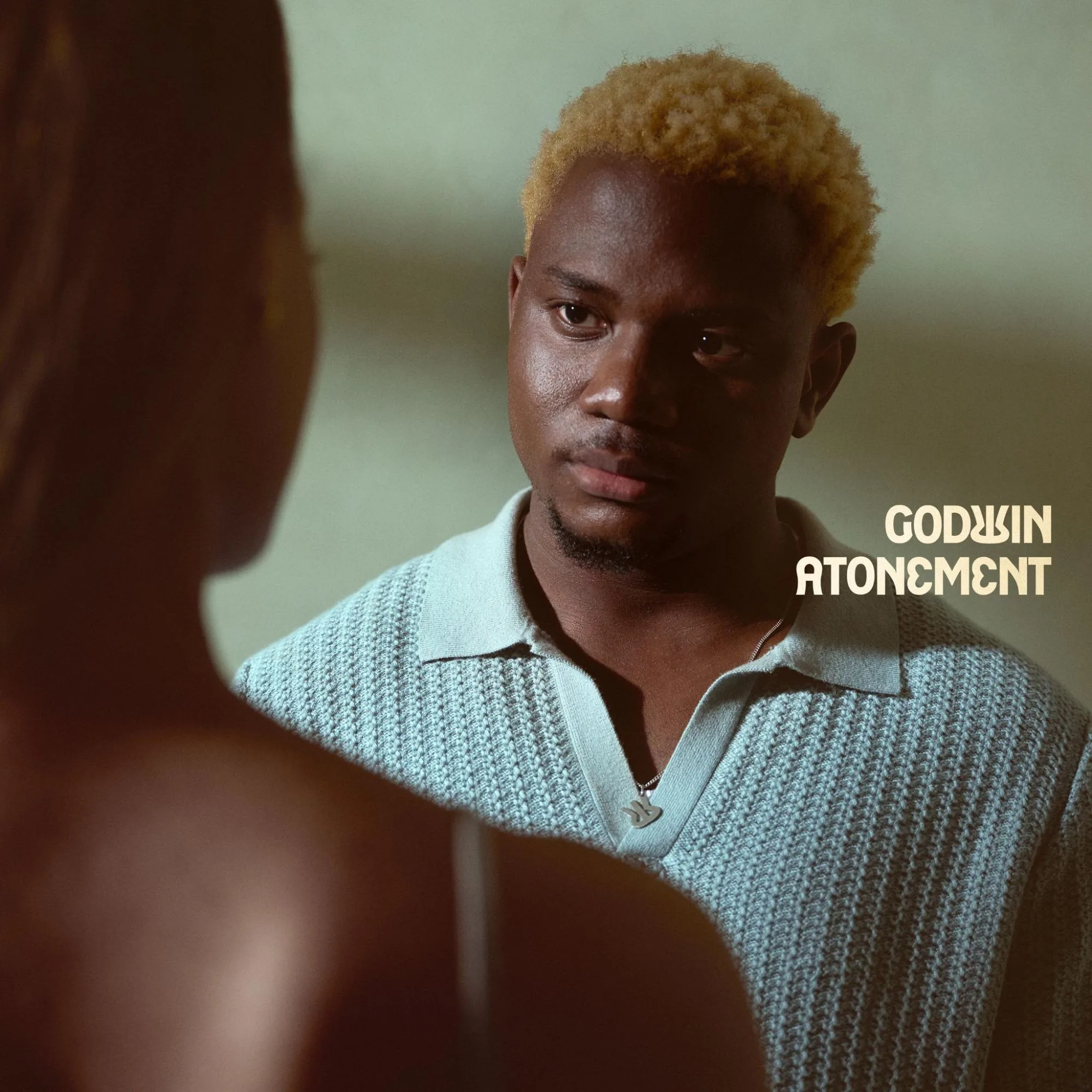
“Home is not a place but a person,” Godwin sings on the soulful ballad “Home”, reflecting on his grandmother’s enduring maxim. Still, he found no home in the one person who should have been his fortress—his father. Years earlier, on “Ile”, which means home in Yoruba, Godwin had already begun to voice that ache, yearning for his father’s return. In searching for belonging, forgiveness, and love, he created his debut album, Atonement.
Godwin’s inspiration behind the album’s love songs is rooted in these romantic sensitivities as expressed on tracks like “Fallen”, “Dilemma”, “Entwined”, “Self-Conscious”, and “Abeke”. Godwin aims these songs at anyone who has experienced the complexities of love and those who are yet to.
“Self-Conscious” is one of Atonement’s most vulnerable songs, and it holds a special place in Godwin’s heart. He wrote it from the perspective of a friend who had sabotaged his relationship by deceiving his girlfriend and shifting the blame onto her. But denial is a river and the irony isn’t lost on Godwin. Embarrassed by his friend’s actions, he rewrote the story to restore the truth, revealing that his friend was truly responsible for the heartbreak.
Just as in the track “Atonement”, the song offers dual perspectives on love and betrayal, guilt and forgiveness. It is not just about exposing his friend’s betrayal but about confronting his own discomfort with dishonesty, guilt, and forgiveness. In writing “Atonement”, “Self-Conscious”, and “Abeke” (the one promised to be loved and cherished but badly treated), Godwin uses his music as both confession and catharsis, a reflection through which he processed his pain and rediscovered empathy. “Fallen”, however, is Godwin’s reality when confronted with fleeting beauty.
Moments like this reveal Godwin’s gift to hold the grief of loss, the grace of forgiveness, and the comfort and discomfort of love. This awareness of anger and resentment, leniency and love transforms the album into an emotional assessment where vulnerability becomes the language of healing. Across the record, Godwin drifts through the fragile spot between pain and peace, pairing confessional songwriting with minimalist production that lets his voice carry the strain of his feelings. In doing so, he turns Atonement into a meditative journey through the many shades of reflection, healing, and affection. — Kolawole Michael
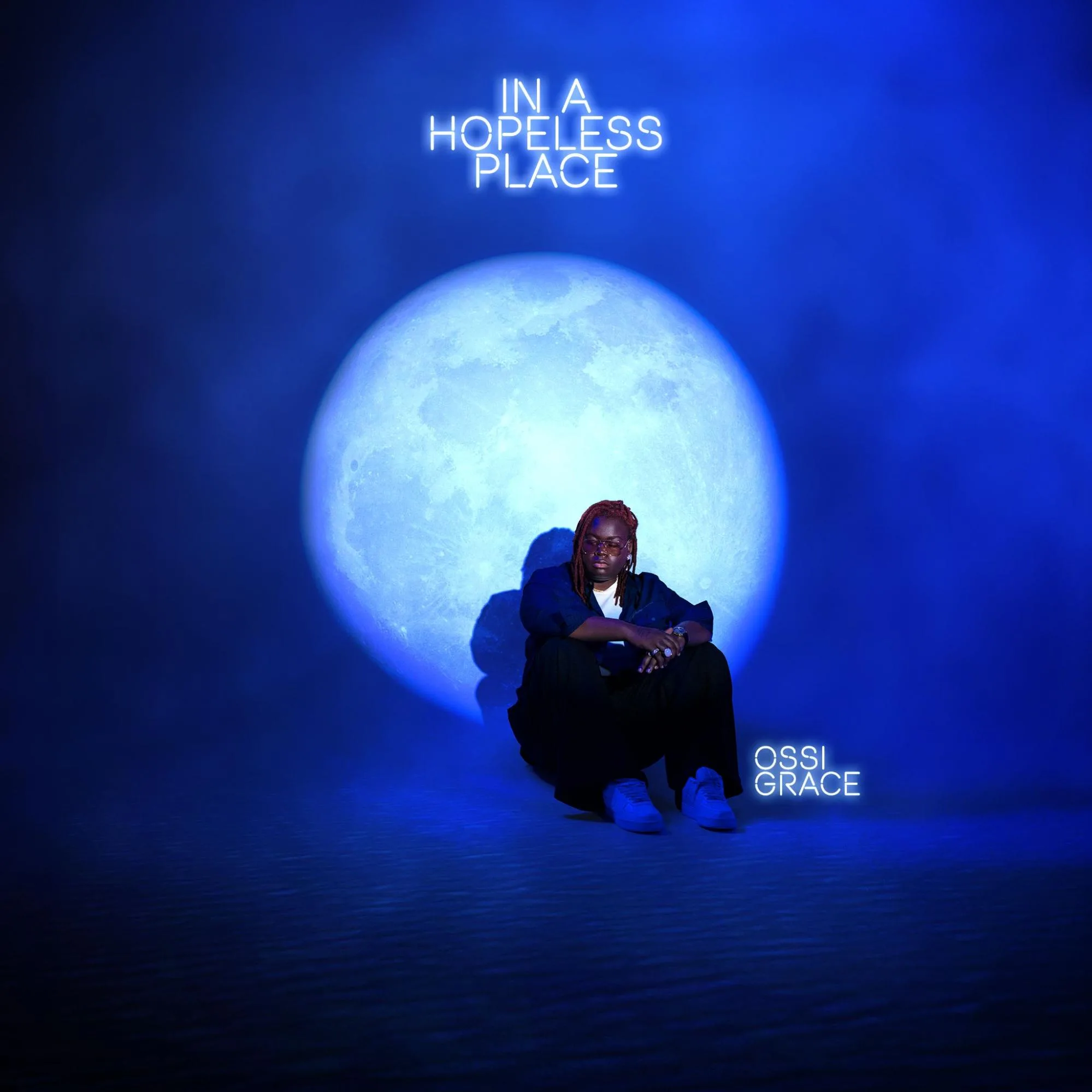
Three years after Grace Ossi made her first major industry impression on M.I Abaga’s The Guy album with “Crazy,” she steps further into her own light with In a Hopeless Place, a stirring debut album shaped by the realities and emotional complexities of living in Lagos, Nigeria as a young artist.
Soulful, sensual and deeply introspective, the project finds Grace weaving vulnerable songwriting and delivering a clinic with her velvety, assured vocal delivery. The 11-track project which she spent nearly four years creating, carries an unmistakable soulfulness on tracks like “Reason,” “FA,’’ and “Where You Belong,” previously released entries that settle seamlessly into the project’s broader emotional arc. Newer songs such as “Love Like This” and “Only You’’ deepen its intimacy, offering pristine reflections on finding light, clarity and love in difficult circumstances. — Johnson Opeisa
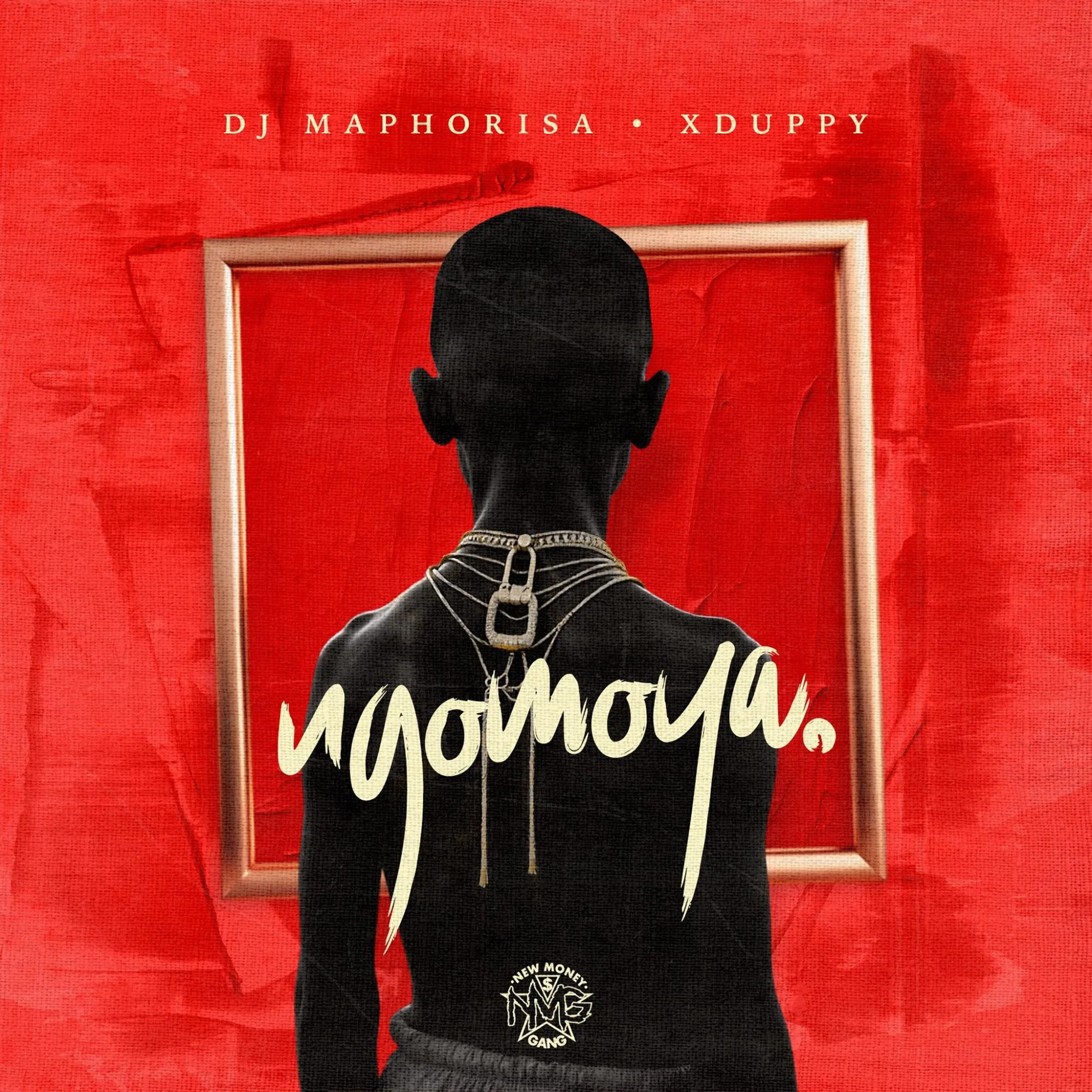
Across the world, the artist–producer partnership has become a familiar structure, with singers hopping between producers in the pursuit of fresh ideas. But every so often, two producers find a rare, symbiotic rhythm that shapes their careers and the listening culture around them. That is the dynamic between rising DJ-producer Xduppy and the country’s heavyweight architect of sound, DJ Maphorisa.
Together, they team up on an amapiano-charged full-length, NGOMOYA, a deeper excavation of the genre’s spiritual and emotive core. The album leans into groove-heavy shakers, a mesmerising use of log drums, jazzy keys, and soulful chords—textures that keep the music introspective and irresistibly danceable.
It also features a star-studded roster: Kabza De Small, Nkosazana Daughter, Thatohatsi, Tracy, Mawhoo, and many others. And while the tempo signatures may appear familiar on the surface, the project never falls flat; each of its 29 tracks is infused with subtle variations that keep the groove evolving and the listening experience richly layered. — Abioye Damilare Samson
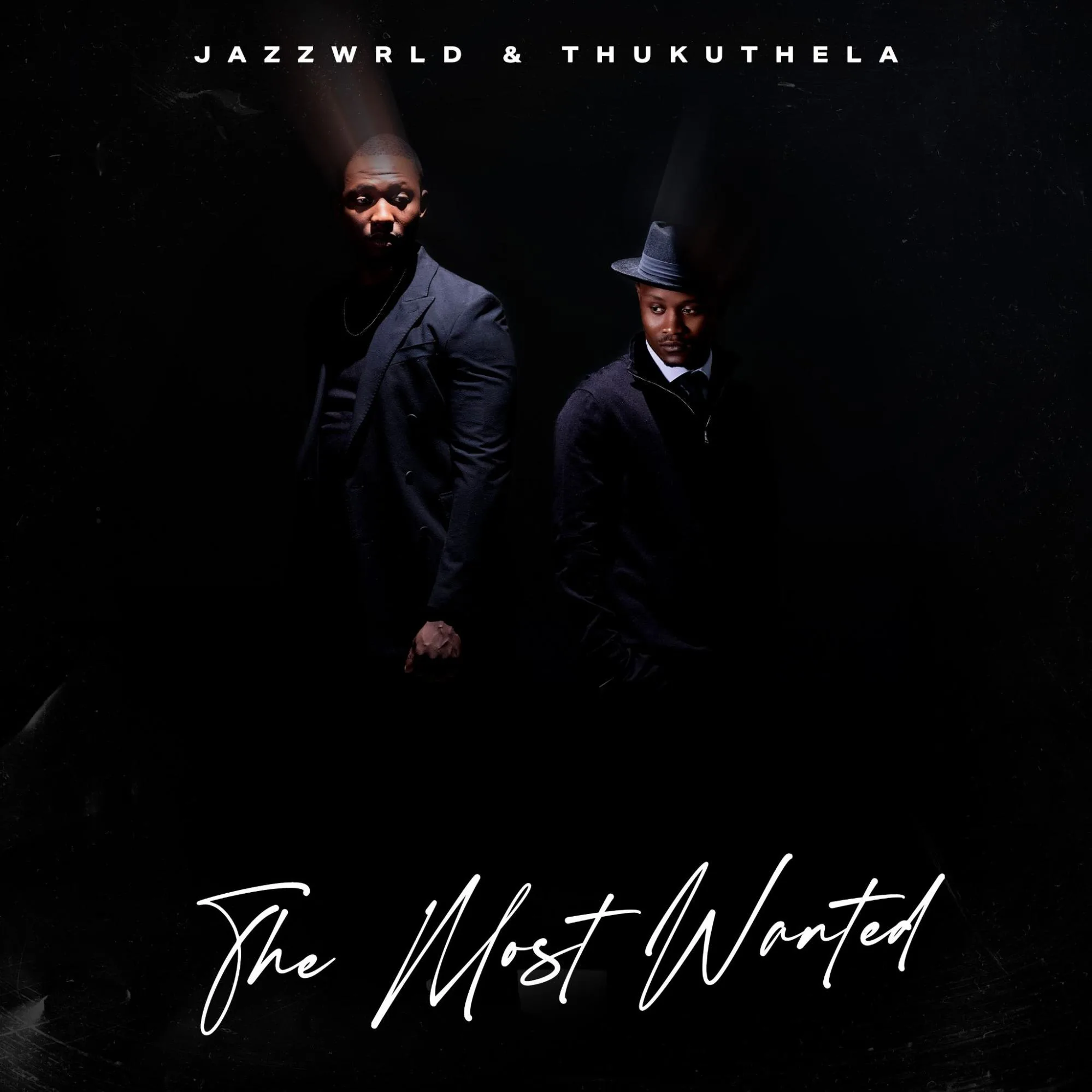
Before The Most Wanted officially dropped, a handful of tracks had already signaled JAZZWRLD and Thukuthela’s arrival at the forefront of South Africa’s 3-step scene. Songs like “Vuka,” “Uzizwa Kanjan,” “uValo,” “Tholukuthi (Clap Song),” and “uMA weNGANE” had become instant cultural markers, blending amapiano’s signature three-kick rhythm with Afro-pop, Afro-tech, and Afro-jazz inflections. These early hits hinted at the duo’s instinct for crafting music that balances emotional weight with kinetic energy, and they set the stage for an album that would consolidate that brilliance.
The Most Wanted is a demonstration of range. Collaborations with MaWhoo, Dlala Thukzin, Sykes, Major League DJz, and others create a sonic landscape where rattling percussion, claps, and layered synths coexist with sparse, intimate moments. On “iS’Babazo,” acoustic guitar and croaking percussion take center stage, offering a contrast to the synth-driven tracks that dominate the record.
Lyrically, the album navigates matters of the heart, shifting deftly between vulnerability and spiritual reflection. The production allows each voice and instrument to breathe, making space for both intricate arrangements and moments of quiet tension. The Most Wanted is a testament to JAZZWRLD and Thukuthela’s versatility, to the elasticity of 3-step, and to the ways contemporary South African music continues to expand beyond borders. Each track is carefully considered yet effortlessly exhilarating, a declaration that the duo is commanding attention while simultaneously redefining the possibilities of the genre. — Folake Ajao

After an eternity of waiting, Lojay finally dropped his sophomore album on the 10th October, 2025, and it was well worth the wait. The lyricism is brilliant, the emotions are raw, and the bedroom music is pure fire.
The album opens with “Sale”, the cry of a man frustrated by a reluctant, avoidant love interest. This is Lojay at his contemplative, vulnerable best. Then, to showcase his versatility, the artist follows up with “Tenner”, a love song for the dancefloor that will have you and somebody’s son/daughter busting out the craziest moves. Up next is the hit single “Mwah”, an earworm carried with Lojay’s amorous lyricism and vocals and buoyed by a bass line tailor-made for the other room. As collaborations go, featuring Odeal on this was the ideal choice to tone-match Lojay’s timing without bordering on tautology. Shout-out to Loudda, TSB and iO for giving us a gem.
Right after “Mwah” is the club anthem “Shiver”, a record so sonically layered that every listen presents something new. “Body” features Colombian singer and producer Feid, and fuses Lojay’s primary R&B vibe with a rumbling EDM beat that demands motion. If you’re looking for exercise (whatever that may be) motivation, you’re welcome. “Miss Mariana” is smooth sensuality; everything from the pacing and the instrumentation, especially the low end, to the vocal styling is perfect for the sweet games of seduction. “Change You Up” combines elements of Kwaito and Amapiano log drums together with that special Nigerian sauce. “Jericho” is a rhythmic love letter, and again we see the genius of African music production in how much space the song creates and how well the instrumentation paired with Lojay’s vocals complement each other.
“Wanchu”, an interlude featuring a rich man telling his girl what time it is, leads us into “Memories”, a beautiful duet featuring South African sensation Tyla. “Somebody Like You”, a song that embodies the spirit of Sade with its quiet storm vibe. ”Sawa” featuring Victony will make you sweat, and “Suru” is guaranteed to trigger a stampede toward the dancefloor. The album closes with “Alright”, a contemplative record about the price of fame and fortune. Lojay ends XOXO as it begins with the only change being the subject matter. XOXO is everything Lojay stands for — beautiful melodies, sexy hedonistic playfulness and elite production. — Chukwuma Nwangwu

The first time Joshua Baraka sang “NANA,” listeners heard a young man carrying the weight of his past in every note. The Kampala-born singer transformed his memories, his struggles, and the restless energy of Bwaise into a sound both luminous and confessional. That track marked a turning point, introducing an artist unafraid to explore the raw edges of youth. With ‘Juvie,’ Baraka expands that exploration, charting a landscape of emotions that stretch across desire, ambition, and the uneasy territory between adolescence and adulthood.
The album opens with “One of One,” a gospel-tinged reflection on individuality and belonging, setting the tone for a project that is sonically rich. On “Still Young,” Baraka captures the exuberance of youth while acknowledging the pressures that accompany it, his vocals hovering over airy, fluid production. “Morocco” examines fame, expectation, and the compromises that come with public attention, allowing Baraka to question identity while maintaining a measured vulnerability.
Joshua Baraka approaches Juvie with a clear sense that music is a continent-spanning conversation. With JAE5 at the helm as main producer, he brings in voices like Bien and Axon, blending East African sensibilities with broader Afropop and R&B textures. The album captures both introspection and emotional breadth.
By the final track, the scope of Baraka’s journey is clear. Juvie captures growth and self-exploration, translating experience into sound with a sense of intimacy that resonates across the album cementing his position as one of East Africa’s most compelling voices of 2025. — Folake Ajao
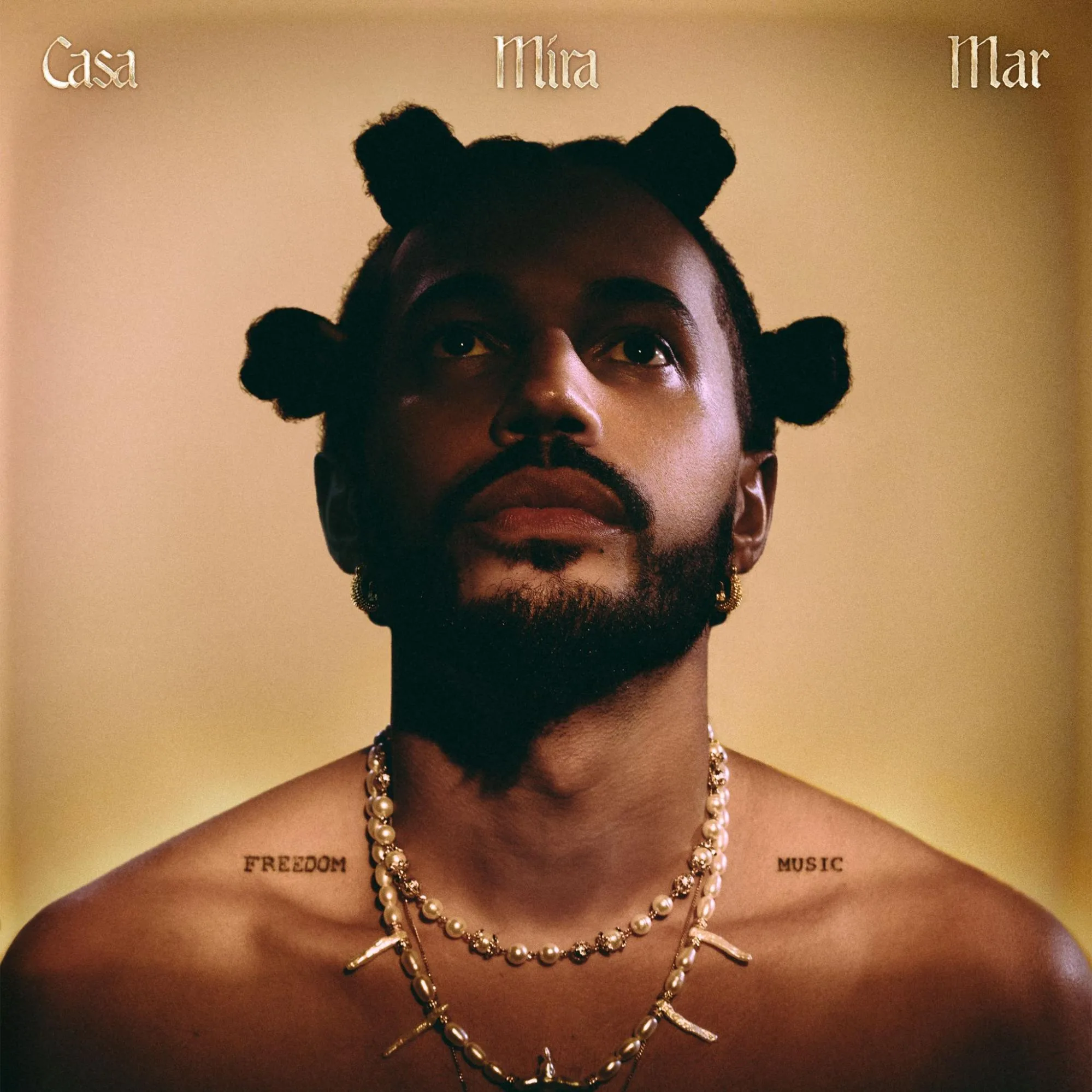
June Freedom personifies the truly global nature of Afrobeats. Born and raised in the US, June’s music draws from the rhythmic traditions that birthed Afrobeats and the unique vibrations of Cape Verde. Casa Mira Mar is his third album, and true to the saying, the third time really is the charm. This one is for all the lovers of sweet melody and dirty dancing.
The album opens with the emotional “Are you still you” and it sets the tone for the rest of the album with its combination of thought-provoking lyrics and hypnotic instrumentation. The song features Nigerian Afropop singer Cheque and he does justice to the production with his verse. Up next is “Girls like Sade” featuring the sultry, honey-smooth contralto of Ghanaian songstress Nana Fofie. Here, June Freedom flexes his multilingualism, effortlessly switching between English and Kriolu. “Bonita” is done almost entirely in Portuguese and is the kind of song that quickly earns a no-skip reputation with its blend of melodious vocals, solid percussion and soothing guitar work.
On “Oh My Lady”, June Freedom salutes the beautiful women who make going to the club a beautiful experience. He follows it with “Options” , a lovely, party-friendly duet featuring Moroccan-Algerian RnB singer SABRI. “Nha Pele” features some stellar rhythm guitar work, and, say what you want about artists overusing log drums, but here it was perfectly applied. “Leban Ku Bo” is the final song on the album, and embodies the album title (House by the Sea) perfectly. The cadence is slow like the rhythm of life at a seaside resort, and at the end of the song you can actually hear the sound of the surf. Casa Mira Mar’s 12-track, 35-minute runtime is simply too small a sample size for music this enjoyable. — Chukwuma Nwangwu
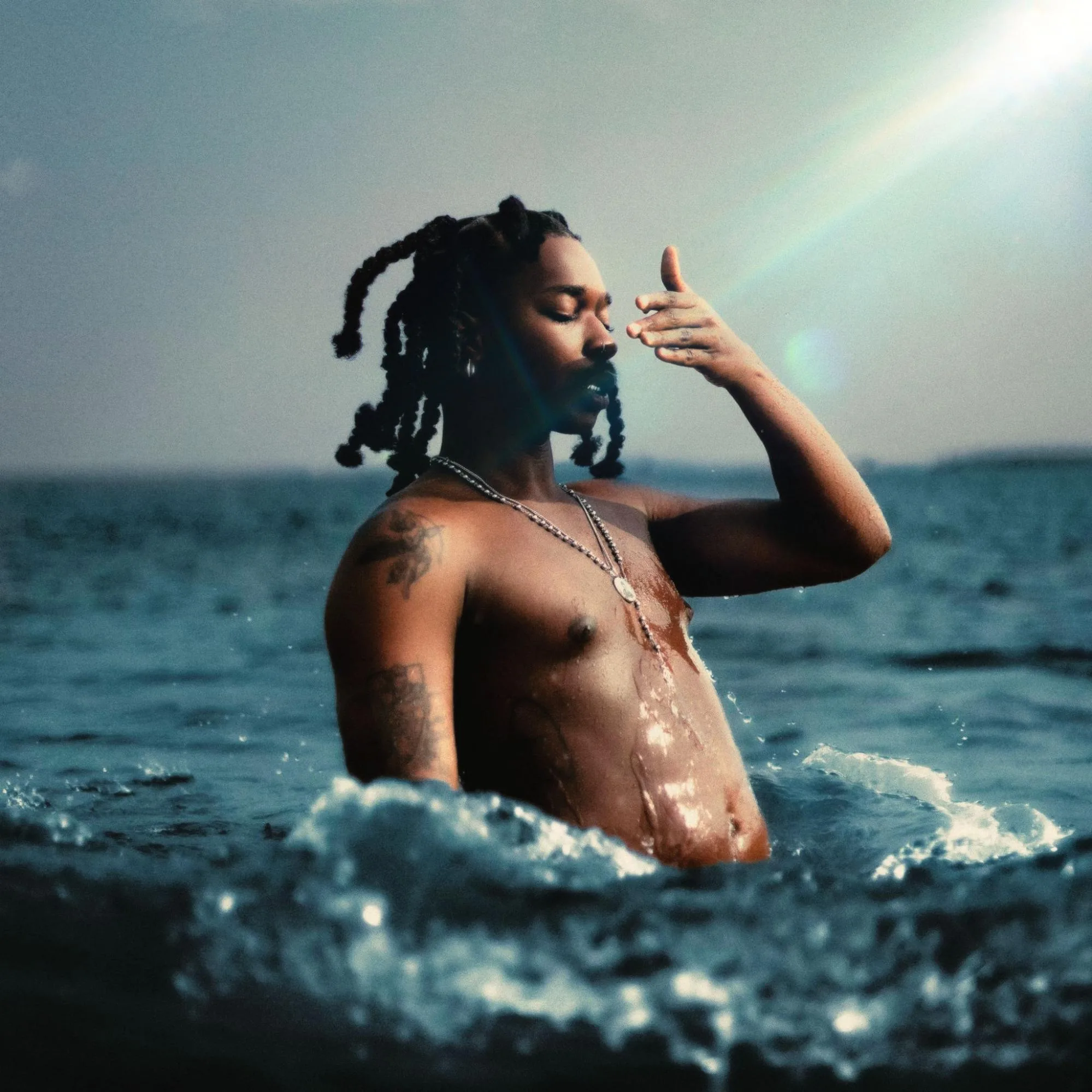
Magixx had a lot to prove on his debut album, I Dream in Colour, but his primary intention was clear: to show the world that his artistry, like colour, exists in boundless shades. That’s exactly what he accomplished across the 13-track album released in March.
The vulnerable and emotive sound that heralded his breakout with Mavin Records in 2021 remains a defining feature of his latest tape, now amplified with greater maturity and range. From the opener, “Consistency,” a chest-thumping statement of his artistry, Magixx swirls through mid-tempo melodies and introspective lyricism, blending Afrobeats and R&B influences to explore themes of love, heartbreak, and personal struggle. The commendable part of this remains his ability to sound like himself under the pressure of similarly positioned labelmates and contemporaries. On records like “Eleven” and “Bad Decisions & Foreplay”, he manages to shine his own light in a way none of the aforementioned seem to be able to capture, blending traditional R&B yearning with era-specific sensibilities.
Throughout the album, he largely stays true to his signature sonic palette; the monotony only compounded by the absence of features, barring the Jeriq-assisted gyration groove on “Vibration,” which provided a much-needed burst of energy. That takes nothing away from the cohesion of the body of work which is arguably compounded by Magixx’ ability to stick to themes a little too closely. In the realm of debut albums however, Magixx could do much worse than engendering listeners to pay attention to his inevitable sophomore. — Johnson Opeisa

Matata’s place in the landscape of Kenyan music, and by extension East African music, is deeply significant. The four Kenya-born members — Freddy Milanya (Freddy), Marcos Ojiambo (Marcus), Richie Mathu (Richie), and Festus Mwenda (Festus) — have built their music brand by staying deeply rooted in the Kenyan sound. They return with their second album, MPISHI, three years after their debut Super Morio.
Matata are back to make their mark by coalescing Gengetone’s raw street energy with polished Afropop melodies. The electric energy that has characterised them since the start of their career persists, and the group shows no hesitation in venturing into less well-trodden musical terrain.
The title, which means “kitchen” or “cooking” in Swahili, is explained by Matata as their way of cooking up fresh tunes for their audience, and nowhere is this alchemy on full display more than the titular track featuring Bien, where they ride effortlessly over a dancehall beat. Across the album’s eight tracks, Matata taps from the most potent elements of Gengetone, Afrobeat, and dancehall to create a sonically rich compendium, a concise, high-octane statement of intent that positions them as both innovators and torchbearers of Kenyan’s pop music. — Abioye Damilare Samson
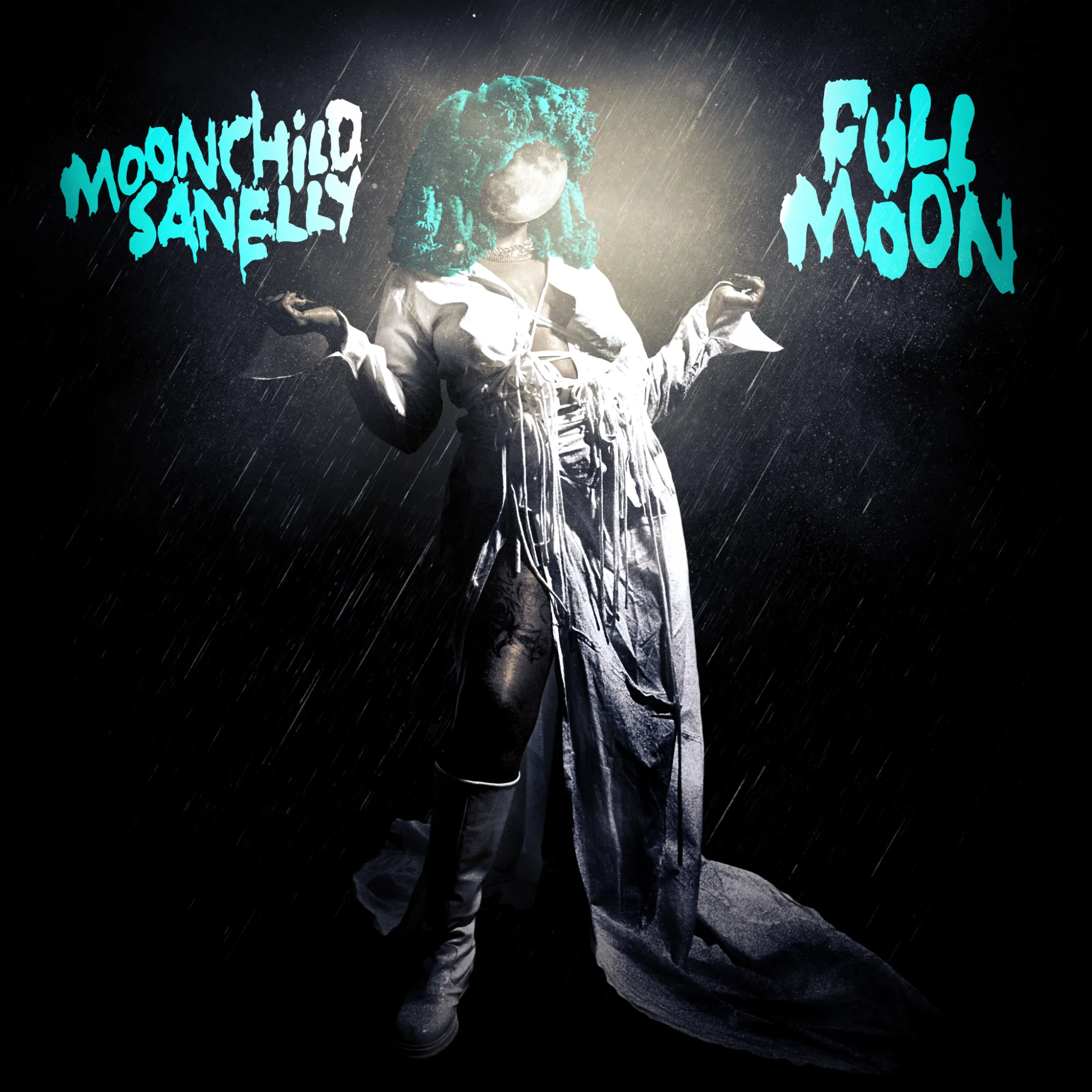
The moon was particularly bright when Moonchild Sanelly returned with ‘Full Moon,’ three years after ‘Phases’. South Africa’s self-styled “future ghetto funk” queen uses the album to stake her territory in 2025, positioning her sexual liberation at the forecenter of the project.
Moonchild Sanelly is not here to make you comfortable, and ‘Full Moon’ makes that clear from the jump. “Big Booty” celebrates her body and the freedom it represents, while “In My Kitchen” flips sexuality into a mischievous declaration of ownership.
The album also moves into deeper territory. “Falling,” “Mntanami,” and “I Was the Biggest Curse” reflects on resilience and self-reliance, a conversation with oneself before stepping out into the world, it also confronts personal and familial challenges, including absentee fathers and survival through adversity. These songs transform lived experience into storytelling that feels intimate and universally resonant.
Johan Hugo’s production is doing a lot of heavy lifting. The beats pulse and twist, keeping the energy high even when the subject matter gets heavy. By the end, you’ve been through something. Exhilarated, entertained, maybe a little exhausted, but definitely moved. — Folake Ajao
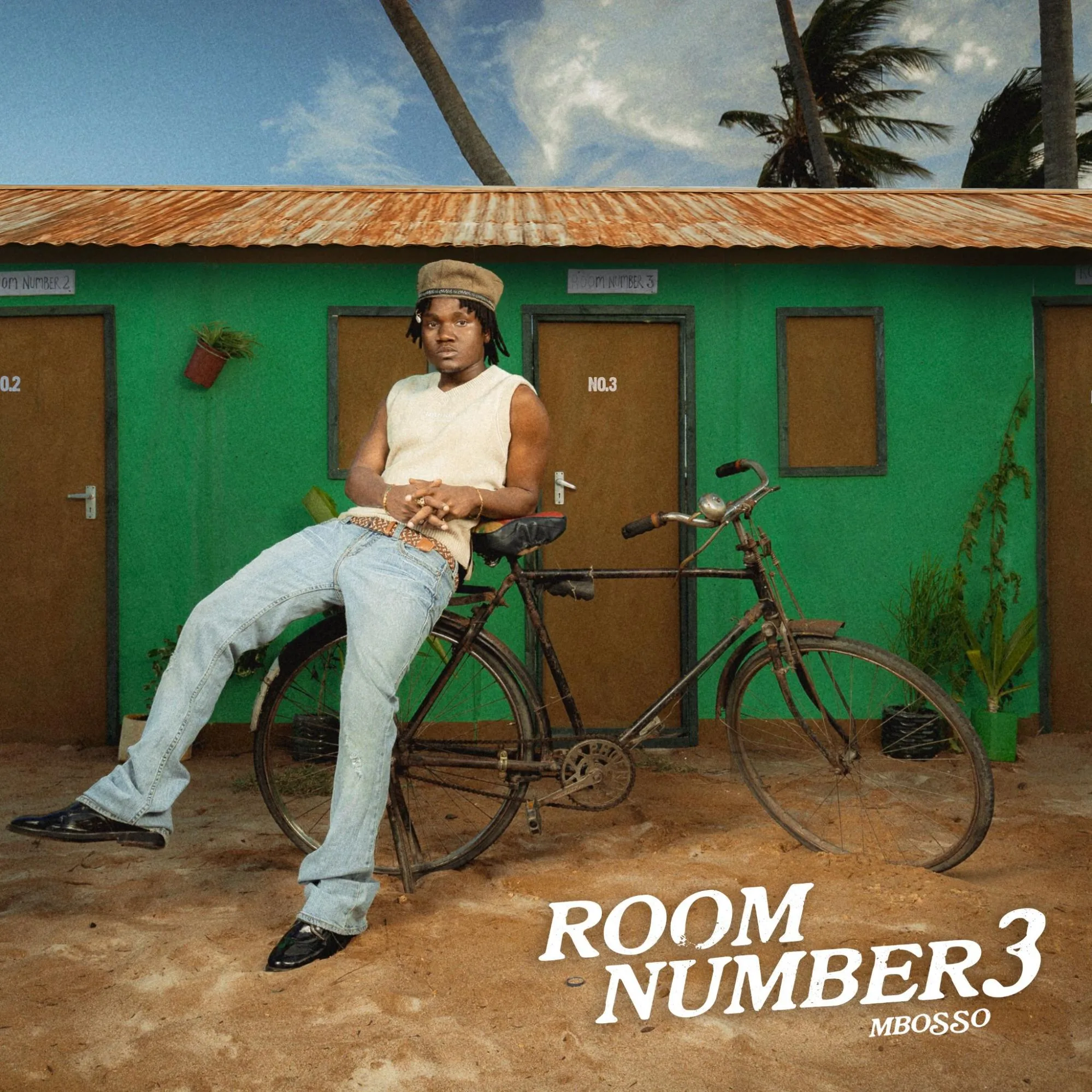
There’s something irresistibly tender about Mbosso’s voice that draws you in every time he sings. He wields the full power of that vocal instrument on Room Number 3, pouring himself into each track with heartfelt passion. The call-and-response passages, the repetitive phrasing, and the rhythmic interplay — all definitive signatures of Bongo Flava — are vividly expressed throughout the album.
But he also widens the palette: there are electric-guitar solos on “Nusu Saa,” the percussion-driven pulse of “Tena,” and an Amapiano-charged groove on “Aviola.” Widely hailed as one of the most heartfelt voices in contemporary Bongo Flava, the Tanzanian singer-songwriter leans fully into that reputation here and delivers a project that reaffirms his mastery of emotionally rich, melodically gripping ballads. On “Pawa”, the rhythm is instantaneously gripping and virtually impossible to ignore. The Middle Eastern influence in Tanzanian music is undeniable and here, his vocal inflections herald the record from verse one to the hook where a choral choir joins in.
The rich instrumentation continues throughout the project and on standout “Tena”, West African percussion takes centre stage, buoyed by Mbosso’s rich vocal carriage and cadence. On “Siko Single” he maintains his romantic stipulation with one of the more emotive breakdowns on the album. Translating in English, it means “Your heart, my heart, love each other until the end, I’m not single, tell them, you’re not single”. You would be hard pressed to find a bigger yearner on this list. The album closes out with “Aviola” and “Asumani”, two party starters tinged with Arabic lyricism and song structures. — Abioye Damilare Samson

What’s December without a Flavour N’abania album? The Nigerian superstar always times his drops to take full advantage of the festive season, and Afroculture caters to all his constituents expertly. The album opens with “Afroculture” featuring Senegalese singer Baaba Maal. The record’s thumping percussion and martial soundscape is the perfect introduction. Better described as the exultation of a true Igbo man at the peak of his powers announcing his arrival on the scene.
Catering to his primary audience, next, we’ve got “Ada Bekee” featuring Waga G, a tribute to the voluptuous beauty and sex appeal of the African woman. On a more romantic note, Flavour collaborates with Pheelz on “Bam Bam”, the cry of a finished man ready to risk it all. Next up, Flavour samples Nelly & Kelly Rowland and features teen sensation Qing Madi on “Orente”, masterfully blending nostalgia and the future into one of his most compelling love songs. “The Eagle Has Landed” is the perfect soundtrack for the standard end-of-year social gathering. Once the music begins, close your eyes and envision the dance floor at a wedding party replete with men and women dressed to the nines. “Okukuse” is a continuation of the theme of the title track but this time Flavour uses a soaring chorale to lend it an almost spiritual feel.
Up next is “War Ready”, his collaboration with the flamboyant and controversial preacher Odumeje, popularly known as Indabosky Bahoze. The latest installment in their unlikely but fruitful partnership doubles as the perfect workout song and a stirring sonic experience. Right after that is “Isabella” featuring rising star Azzy, a club banger blending smooth vocals with Amapiano elements. “Jidenna” is Flavour’s outreach to the Christian section of his audience, a promise of comfort in tough times. Interestingly, he then follows it with “Big Moves Only”, an Ogene classic that channels Flavour’s inner odogwu. The album closes out with “Ife Dị Mma”, because what’s a Flavour album without a song fit for your traditional wedding?
All in all, Afroculture is everything we’ve come to expect from Flavour — a project that caters to everyone from your grandmother to the club scene whilst maintaining replay value to put any of his contemporaries to shame. 10/10, easy. — Chukwuma Nwangwu

Njerae’s journey as a Kenyan singer-songwriter, guitarist, and producer has been quietly building since 2016, but it was her time at Sauti Academy that helped her fully realize her voice. There, she merged Western influences like Tori Kelly with Kenyan musical traditions, experimenting with Swahili lyrics and honing her songwriting. Her 2022 debut LP, ‘Unintentional,’ and subsequent singles, including 2023’s “OTD” and 2024’s “Aki Sioni,” established her as a rising figure in East African Afropop, earning her chart recognition and an Africa Choice Award nomination.
The 2025 deluxe edition of ‘Four Letter Word’ expands on the original EP, offering listeners a deeper exploration of longing and emotional complexity. Standout tracks like “Fight For You” and “Decide” return in fresh forms as remixes, giving the songs new textures while preserving their core intimacy. The EP also explored collaborations from Preston Pablo and Bensoul, a feature that was lacking in the original EP.
‘Four Letter Word (Deluxe)’ shows Njerae embracing experimentation without losing the personal clarity that defines her music. The EP confirms Njerae’s evolution as an artist unafraid to revisit her work, reimagine it, and deepen the emotional journey. — Folake Ajao
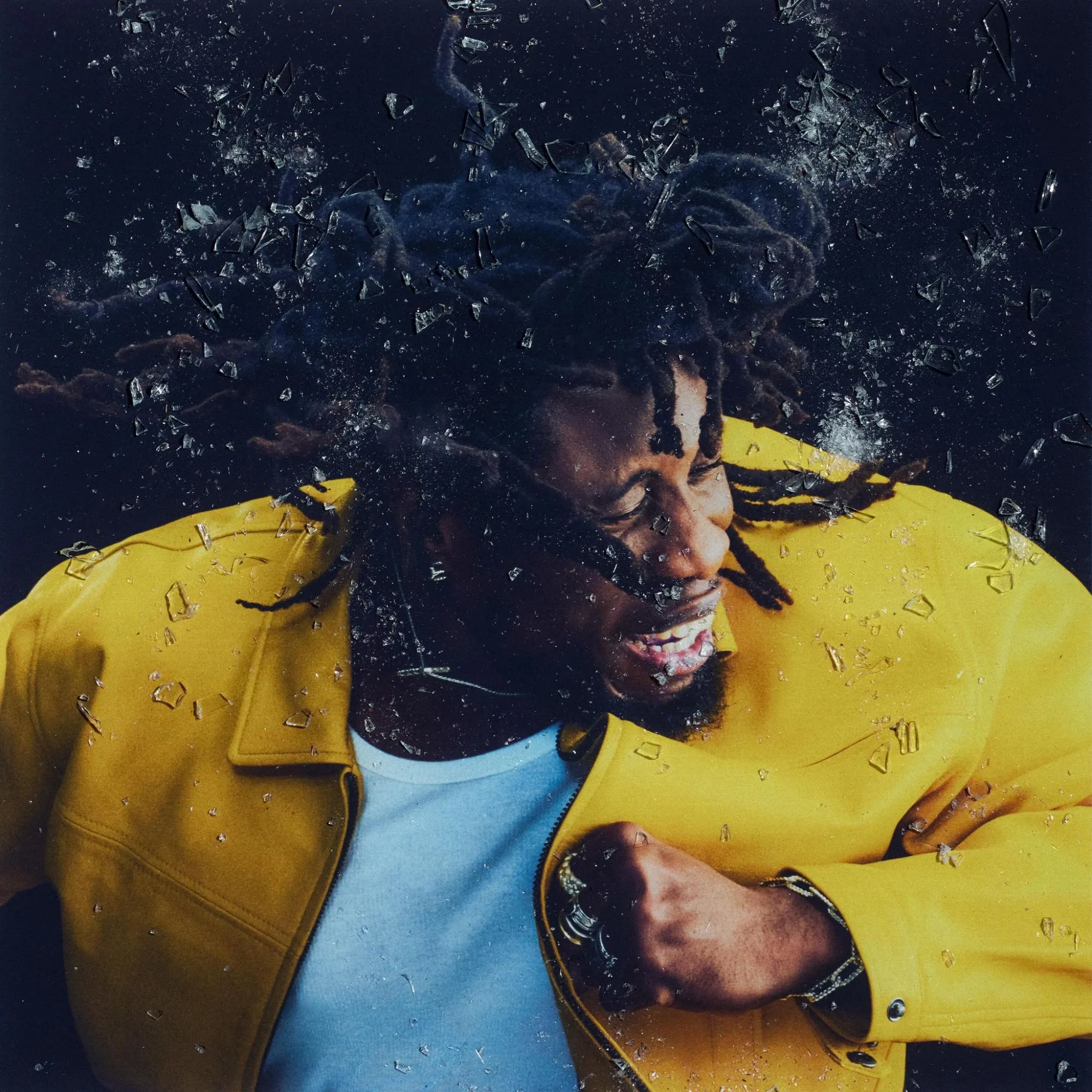
The singer, rapper and spoken word artist presents us with a genre-defying album-of-many-colours in Paradise Now. The album moves elegantly between different worlds and styles, from Alté to Afrobeats to Garage and then back to Afropop. The more impressive part is how he coaxes his voice with each transition. Paradise Now explores themes of love, betrayal, spirituality and identity against the backdrop of a compelling, ever-changing soundscape. For the heartbroken, Obongjayar opens with “It’s Time”, a song about moving on and starting over. “Life Ahead” and “Peace In Your Heart” explore toxic love while soothing your soul with mellow chords from the pianos and synths.
For the lovers, “Holy Mountain” is the song of a man who’s found love and beauty unlooked for and cannot contain his joy. If you love to dance, the tribal percussion on this one will put some energy in your waist, and the lyrics will touch something deep in your soul. “Talk Olympics” is a scathing critique of a generation of armchair analysts who talk too much and do so little. The fast-paced, percussion-driven instrumental might remind you of Fela’s JJD, and the lyrics will make you laugh if you listen close enough. Definitely worth a few replays. “Tomorrow Man” follows a similar theme, but is the sonic equivalent of an Oraimo cord applied enthusiastically and repeatedly to the neck of the procrastinator.
“Moon Eyes” is pure desire and longing, “Sweet Danger” is a loverboy who comes with a warning, and “Not In Surrender” is the artist flexing his versatility by invoking the ghosts of 80s Funk/Pop. Then, to emphasize the point even further, he follows with the defiant Grunge number, “Instant Animal”. Paradise Now doesn’t just move between genres; it straddles generations with ease; you’ll hear echoes of 70s funk and Afrobeat, 80s R&B and Rock and contemporary Afrobeats and alternative rock. If your musical tastes run to the eclectic, then this is your groove. — Chukwuma Nwangwu
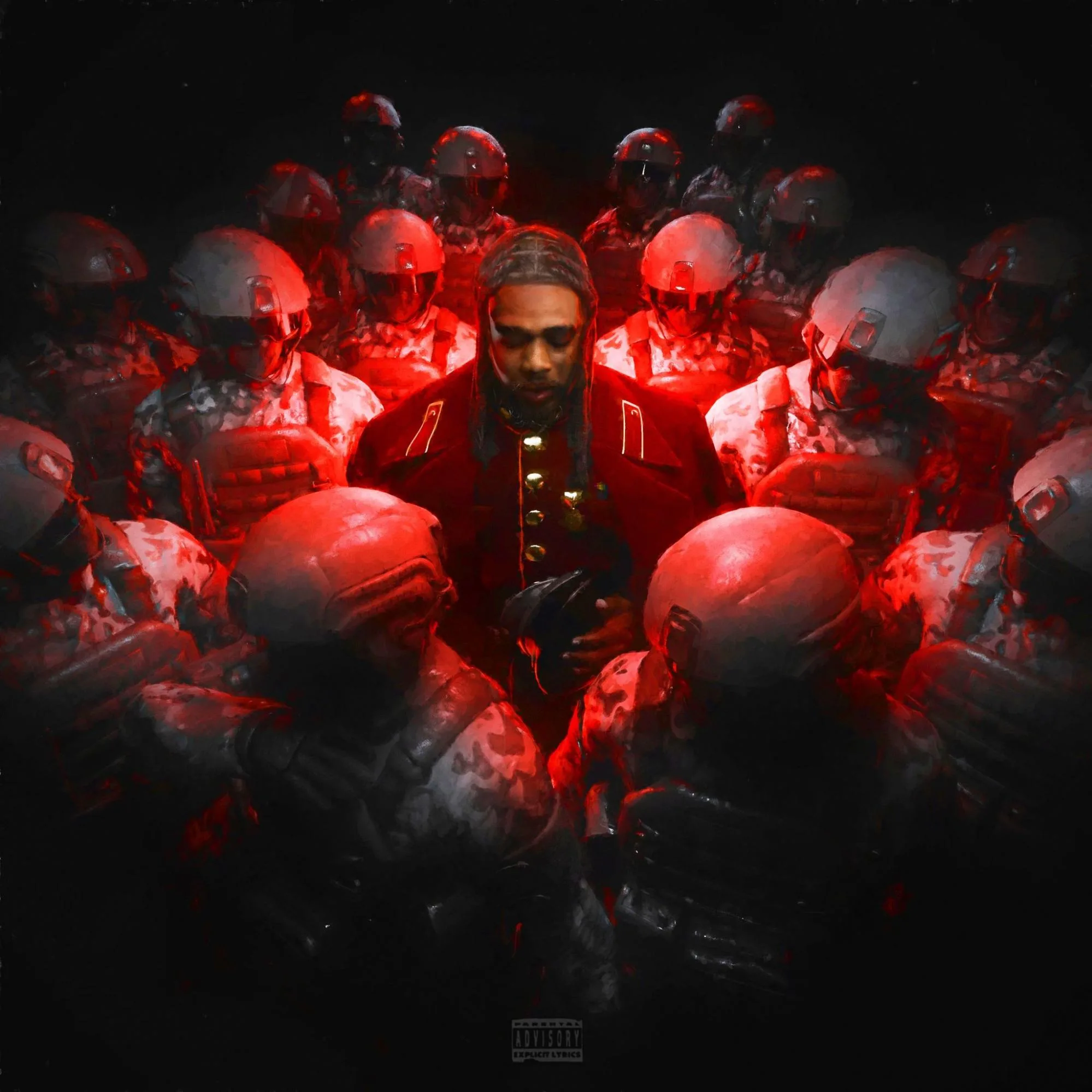
BNXN’s Captain emerges as a record about self-belief and artistic identity. Across sixteen tracks, he navigates love, confidence, reflection, and place — neither frantic nor forceful, but deliberate and consistent. Wh;at strikes across this album is the way he lets his voice sit at the centre of each song, keeping production straightforward but inviting.
The album opens with “I Alone,” where BNXN confronts solitude and ambition with sweeping melody and introspective lines. There is honesty here, quietly placed, that sets the emotional tone for much of the project. “Set Up” featuring Seyi Vibez leans into swagger and street perspective. BNXN and his collaborator trade verses that highlight presence, though the chemistry does not always land perfectly. Even so, the track captures a shared sense of musical camaraderie. On “Cutesy,” BNXN embodies romance and playful confidence. The melody carries seduction without force, and his vocal delivery hovers between vulnerability and bravado. “Jies” (short for ju idi e seyin) shifts toward energy and nightlife. It’s a club-ready number built on cheeky lyricism and rhythmic bounce.
With “Very Soon” featuring FOLA, the album finds one of its emotional highs. Warm harmonies and hopeful lines converge, revealing BNXN’s strength in crafting melodic Afropop that lingers long after the beat fades. “Eleyi” taps into Ajegunle-inspired dancehall, a nod toward heritage and nostalgia. Its pulse grounds the album in a cultural thread while offering a shift from the gentler moments. The title track, “Captain”, reflects on leadership and responsibility. BNXN delivers lines about life’s unpredictable path with confidence, revealing an artist comfortable speaking for himself without excessive ornamentation. On “Yes Sir,” he explores romantic submission and mutual affection with relaxed delivery, showing that certainty can also be tender.
“5hrs Till Nairobi” captures reflection mid-journey, literally and figuratively, adding a cinematic moment about growth and elevation. “Phenomena” continues with assertive swagger, a reminder of his place in the contemporary wave without losing his own voice.
The collaboration on “Fi Kan We Kan” with Rema delivers rhythm and chemistry, two distinct voices weaving play and electricity around a vibrant beat. Tracks like “Totori” and “Ashimolowo” explore affection and self-assurance — each ballad captures BNXN’s melodic gift, though at times repetition obscures innovation. “Cough Syrup” with Victony stands out. Here, Victony’s voice complements BNXN’s with warmth, even as the track peels back surfaces to suggest deeper emotion. The album’s closer, “In Jesus Name” featuring the Soweto Gospel Choir, brings a spiritual dimension. The choir’s presence adds resonance, tying personal belief to artistic expression. Across Captain, BNXN shows craftsmanship, even where the range feels familiar. His voice and intention remain central, and while the album seldom shocks, it offers cohesion and identity. — Kolawole Michael
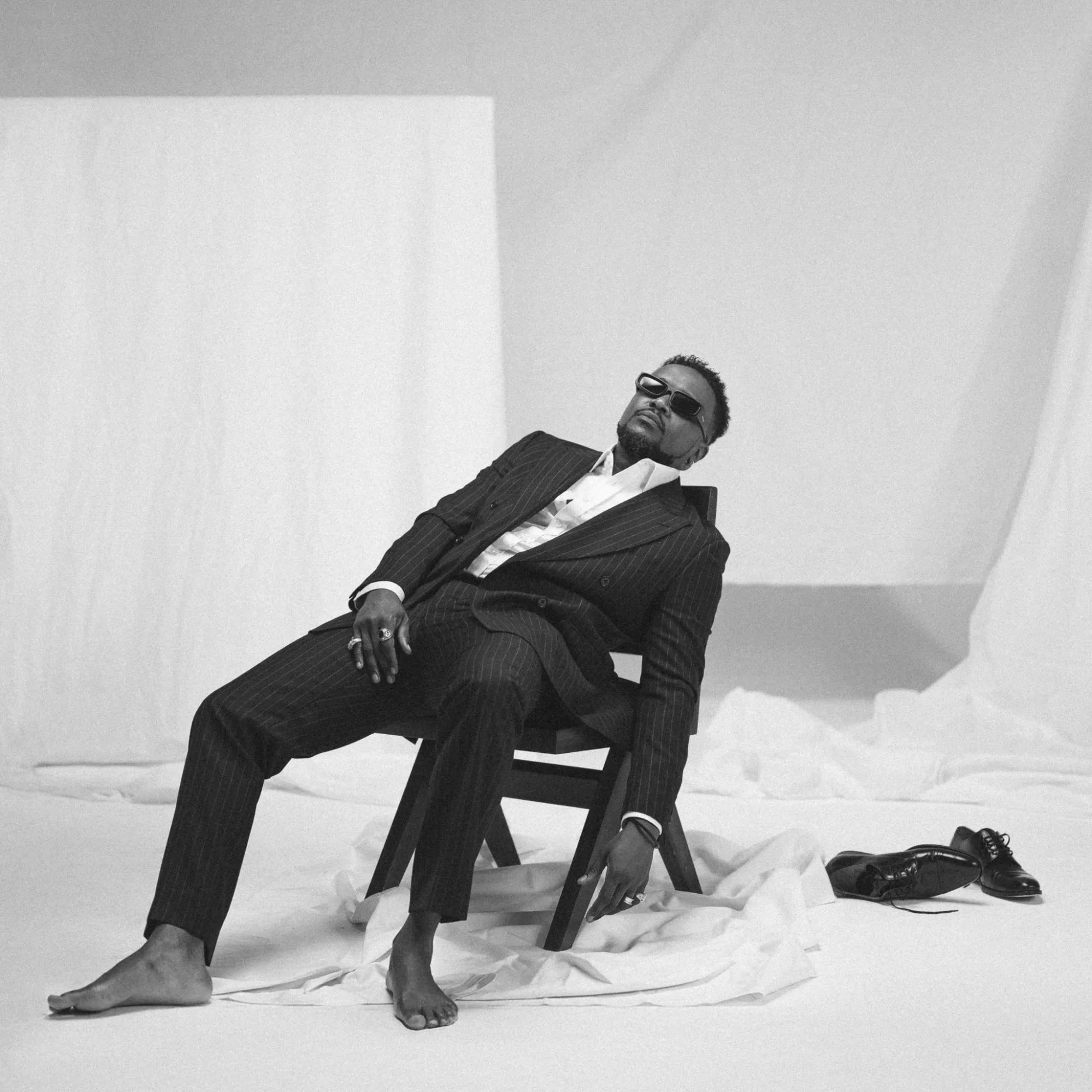
Nyashinski carries the weight of decades in music, a career that began in Nairobi with the trailblazing group Kleptomaniax. He helped shape a generation of East African hip-hop before stepping away to the United States, allowing distance to broaden his perspective and refine his craft. His 2017 return with the soulful ballad “Malaika” revealed a newfound melodic sensibility, pairing emotive vocals with the precision and dexterity that had defined his early work. ‘Yariasu,’ his sophomore solo album, builds on that foundation, reflecting a seasoned artist embracing evolution while honoring the journey that brought him here.
The album opens with “Legendary”, a track brimming with gratitude and confidence, where Nyashinski reflects on milestones and the impact of his legacy. “Grateful” follows, a warm, buoyant ode to growth and resilience, while “Dubai“ channels celebration and success over polished, infectious instrumentation. Love threads through the project with nuance, yet ‘Yariasu’ does not shy away from caution and assertion.
The album closes with “Becoming,” a reflective note on faith, perseverance, and the lessons accrued over years of artistry. Across ‘Yariasu,’ Nyashinski proves that his voice is not just one of technical skill, but of experience. The record captures both the joy of achievement and the quiet understanding of life’s complexities, marking another significant chapter in his storied career. — Folake Ajao
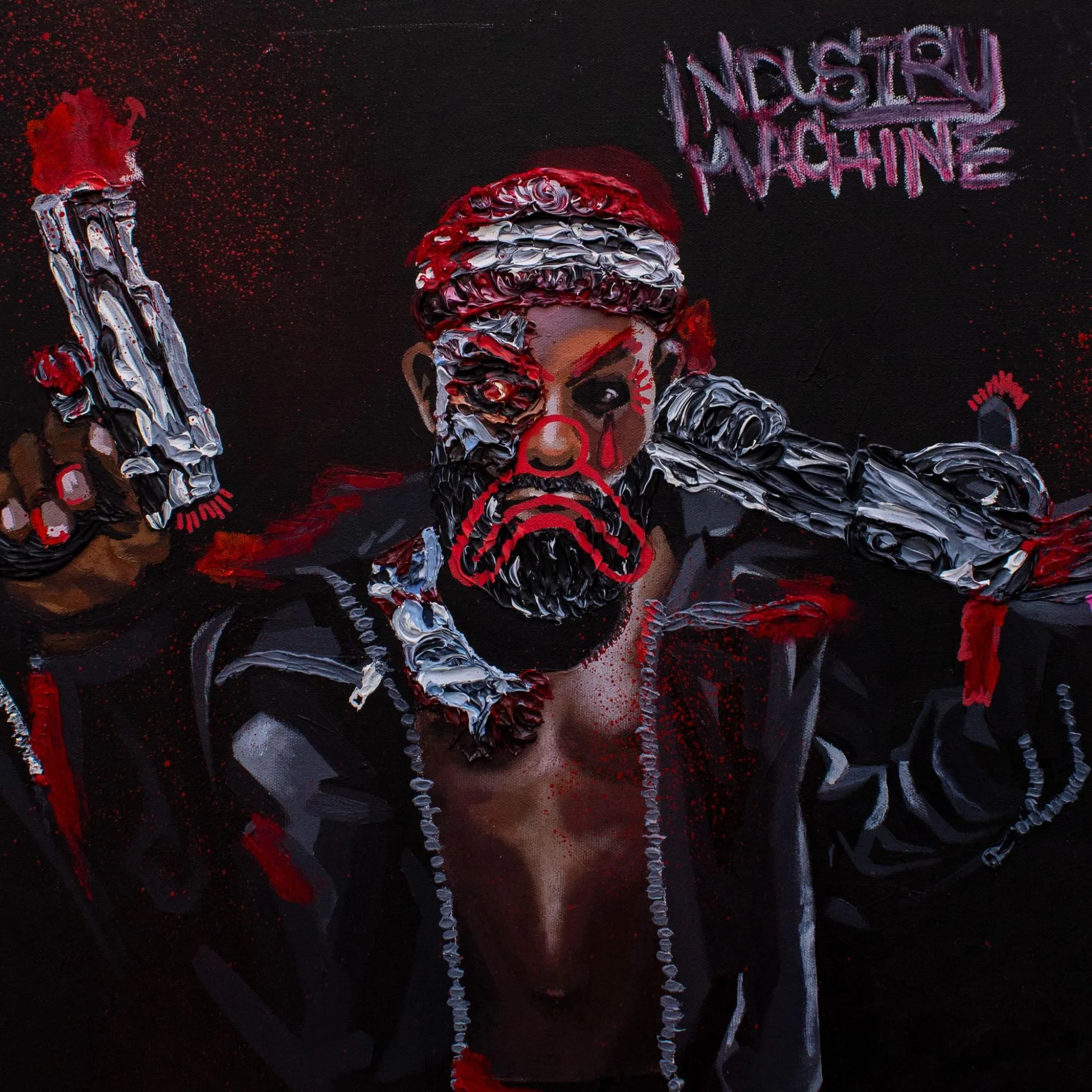
With a Slawn-designed cover art, two well-timed pump-fakes, multiple snippets promoted by some of Europe’s biggest footballers and a prelude album, ODUMODUBLVCK’s INDUSTRY MACHINE was always going to be one of the year’s standout releases. The unprecedented rollout created heightened expectations, and when the project did finally arrive in October, it delivered enough to justify the hype. Not everyone can recruit THE Fabrizio Romano for a single “here we go!” style announcement for an album. ODUMODUBLVCK is one of the few that can.
Across an expansive 23-tracks featuring 23 guests, ODUMODUBLVCK jolted Nigeria’s Hip-Hop scene, disrupting the lethargic rhythm the ecosystem has insidiously grown accustomed to. The swarm of collaborators worked both for and against the album’s cohesion, but the run still afforded the Nigerian rapper to flex his sonic versatility and personality as he intended.
The tape comes alive from its titular opener, with further melodic strides on “BABY REINDEER” and “BANZA BOY,” before the star turns from the Davido and Seun Kuti-assisted “GROOVING,” Wizkid’s “BIG TIME,” and his sharp sparring with Psycho YP on “TIFFANY”. Naturally, on a project this sprawling, the good-song-bad-song ratio is of utmost concern. You want to balance the numbers out to ensure you still have your audience paying attention to your best records and ODUMODUBLVCK does an admirable job straddling that line. Touching base with everyone from Tobi Nwigwe to Saweetie to Cash Cobain appears to be a concerted attempt at US penetration but unfortunately, some of these records fall short of the mark. The Reminisce assisted “Layi Wasabi” is a good reminder of the things ODUMO excels at; whimsical bars supplied by jarring deliveries and enough Nigerianisms to grant foreigners a visa after one listen. — Johnson Opeisa
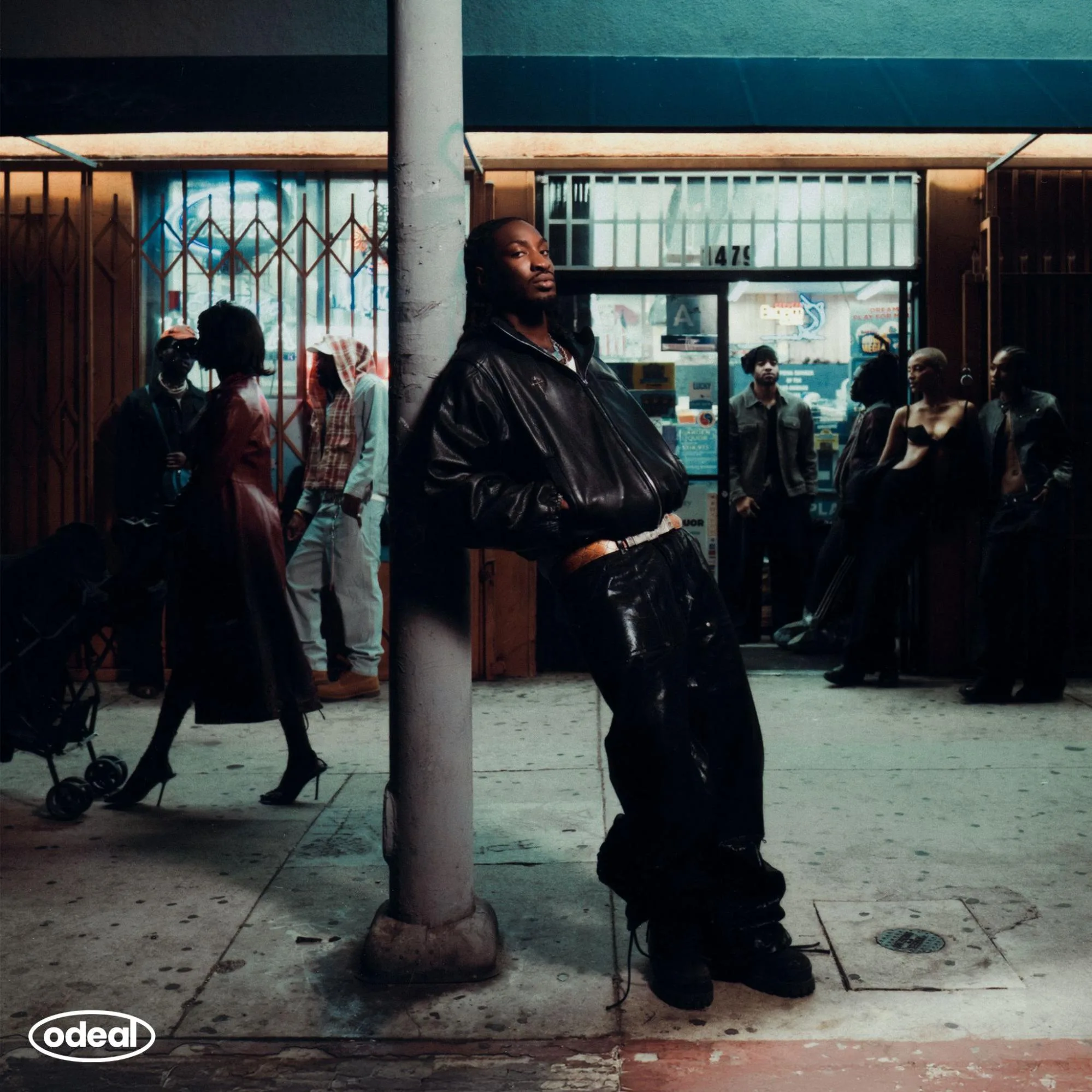
Just months after The Summer That Saved Me, Odeal returns with The Fall That Saved Us, and from the title, the album makes it clear that love, in all its intensity, refuses to be simple. This record dives straight into the aftermath of desire as expressed in the previous album, mapping the tension, and inevitable complications that follow rekindled connection. Across nine tracks, Odeal confronts longing and frustration with the precision of a storyteller who knows that emotion is rarely linear.
Odeal stayed true to his usual seductiveness on this project, the entire album carries the friction of unresolved tension. Contributions from Elijah Fox on ‘Reason’ and Afropop pioneer Wizkid on ‘Nights In The Sun’ add texture while keeping Odeal’s voice at the center. There is also something to be said for his focus on continuity with the artist maintaining a release rate of a project every six months but more importantly, exploring the same soundscape thoroughly. Wafting between traditional R&B and Afropop, he interpolates a host of elements from his travels including log drums from South Africa and Eurocentric keys and brass.
The Fall That Saved Us stands out for its balance of intensity and subtlety. In keeping with the trajectory he established post-Lustropolis, his latest effort moves through desires and the grey areas of love without offering tidy conclusions. By the final track, Odeal has created a work that is capable of leaving a lingering emotional impact. That mastery of emotional storytelling is exactly why the album earns a spot on this year’s list. — Folake Ajao
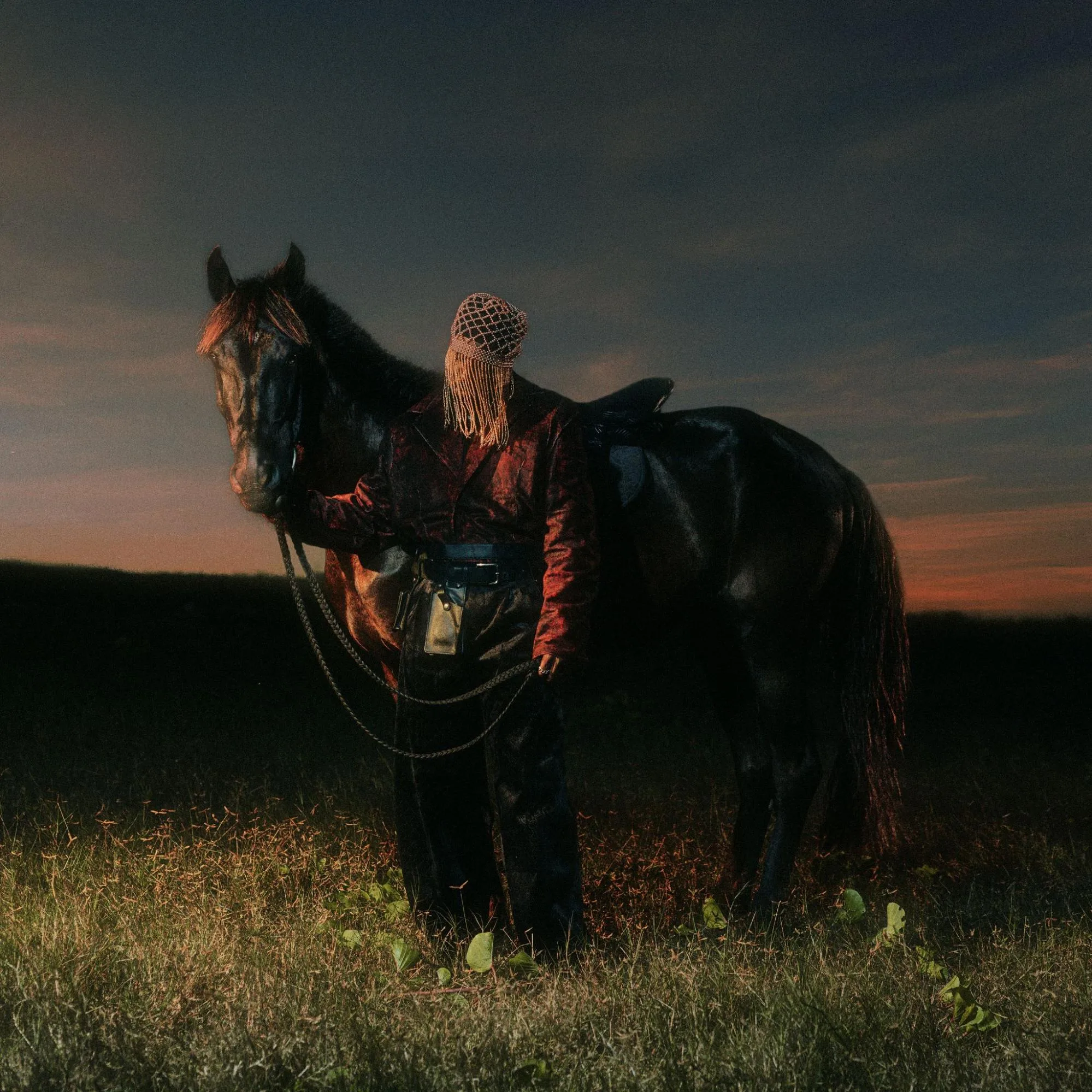
AratheJay’s The Odyssey is less an album than a passage. It moves like a young artist in motion, restless, searching, occasionally unsure of where the road leads but certain that standing still is not an option. Rather than present himself as a finished product, AratheJay frames this project as a journey through hunger, ambition, self-belief, and the emotional residue of wanting more from life than circumstance initially offers.
The Odyssey is about becoming. AratheJay sings and raps as someone shaped by displacement, desire, and persistence. His voice carries the urgency of a man negotiating survival and aspiration at the same time, trying to reconcile where he comes from with where he hopes to arrive. There is no false polish here. The album thrives on motion, in the sense that each song is another step forward, even when the path feels unstable.
The writing leans heavily into personal testimony. AratheJay documents his grind, his loneliness, his faith in destiny, and his belief that struggle is not a permanent address. He speaks openly about doubt and resilience without mythologising either. When he boasts, it feels defensive rather than arrogant; when he reflects, it feels earned rather than performative. That balance gives the album its emotional credibility.
The Odyssey’s sonic pulls from Afrobeats, hip-hop, and melodic rap, but it resists strict genre loyalty. The production is fluid and contemporary, favouring mood over maximalism. Beats glide rather than crash, giving AratheJay room to stretch his melodies and thoughts. This openness allows the album to feel cohesive even as it moves across emotional registers, from quiet introspection to moments of confidence and release. What distinguishes the project is its emotional honesty. AratheJay does not pretend that ambition is clean or noble. He acknowledges envy, exhaustion, longing, and the pressure to prove oneself in a world that rarely waits. Yet there is also hope threaded through the album, a belief that persistence carries meaning even when rewards are delayed. That tension between frustration and faith keeps the project grounded.
There are moments where the album’s ideas feel familiar, where themes of hustle, destiny, and success echo well-worn narratives within contemporary African pop. But AratheJay’s strength lies in how personally he inhabits these themes. He does not speak in slogans. He speaks from experience. His delivery often sounds like someone thinking aloud, processing life in real time rather than delivering rehearsed conclusions. The Odyssey is not without rough edges. Some songs linger longer than they need to, and not every emotional turn cuts as deeply as it intends. Still, those imperfections reinforce the album’s central idea: this is a work in progress, a snapshot of an artist mid-journey rather than at the summit.
The Odyssey succeeds because it understands itself. It does not posture as a classic or overreach in its ambition. Instead, it offers a sincere chronicle of movement, resilience, and self-definition. AratheJay presents himself as an artist still walking, still learning, still chasing clarity. And in doing so, he invites the listener not just to hear his story, but to travel alongside him.— Kolawole Michael
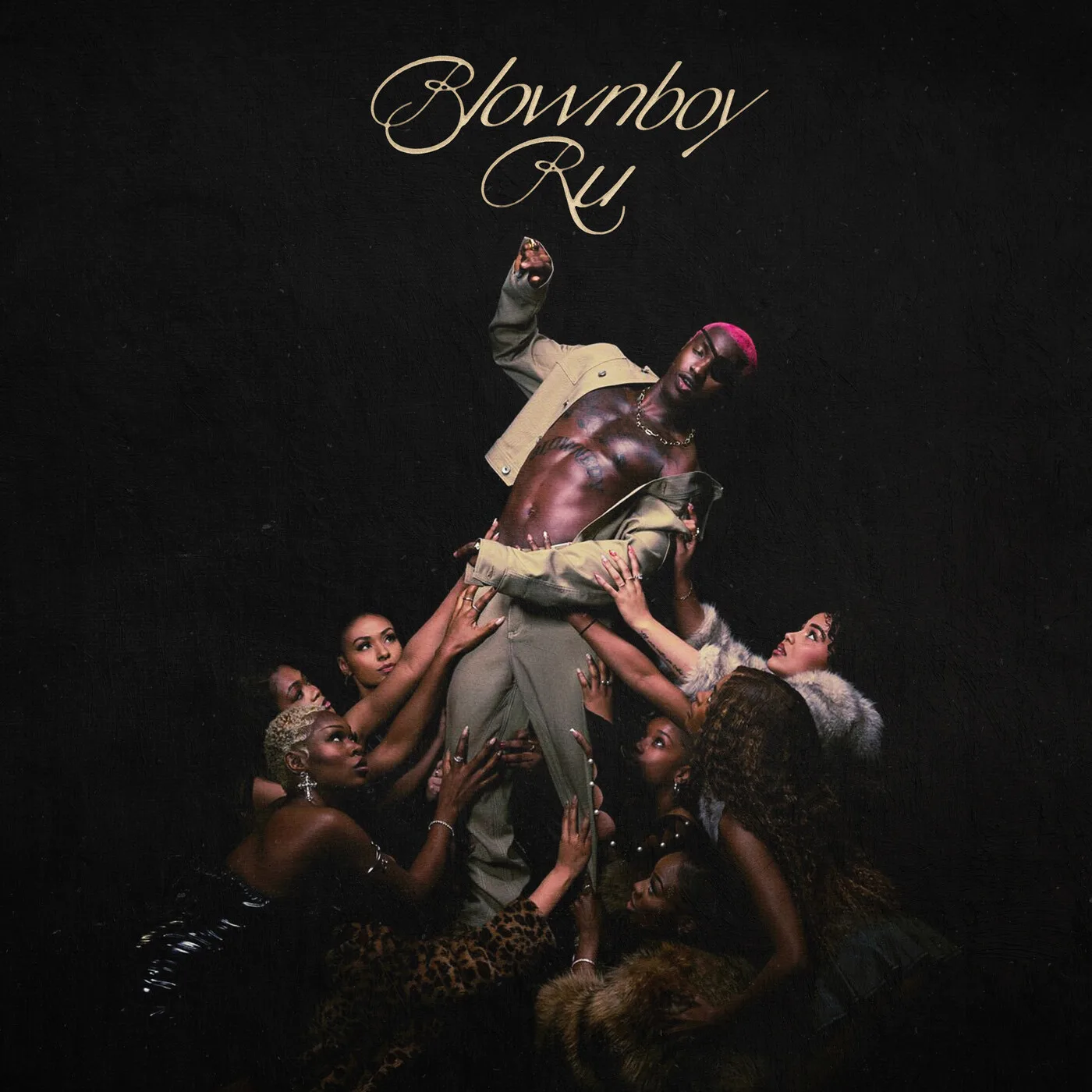
In many ways, this second album from the man with the eye patch is a triumphant shout, a celebration of a man who has arrived at the top of his game with time to spare. “Reintroduction” opens up the album and showcases all the swagger and braggadocio of a young man at his professional peak. “Giveaway” is Ruger spoiling for a fight and vowing to ‘make it by any means’, with he and Zlatan Ibile backing themselves in any confrontation with the proverbial opposition.
Tracks like “Jay Jay,” “Rub Minds,” and “Hell Cat” introduce us to “Badboy Ru” the unapologetic playboy who is perfectly willing to steal your girl and somehow gaslighting you into thinking you are better off for it. “Toma Toma” featuring Tiwa Savage celebrates the glamorous ideals of modern romance, where Ruger promises his lady love everything money can buy, and in “99” he asks a girl if she can touch her toes in his Escalade on their first date.
Then, when we start to think the playboy is all there is, Ruger lets the mask slip with “Wish you well” and “Toro”, where he explores the pain of heartbreak and missed chances. “Runaway” is an even darker continuation of that theme, and so he follows it up with the hedonistic “Hellcat” and “Blownboy Anthem” to lighten your mood. Blownboy Ru is an eclectic collection of different sounds, from guitar ballads like “Toro” to the dancehall-influenced Afrobeats of “Jay Jay” and “Rub Minds”. Like all great Afrobeats albums it’s got a little bit of everything; songs for the dancefloor, the bedroom, and the quiet moments when you just want to be left alone. The music is sweet, the vibes are immaculate, and the numbers don’t lie; the album’s title fits like the proverbial cap. — Chukwuma Nwangwu
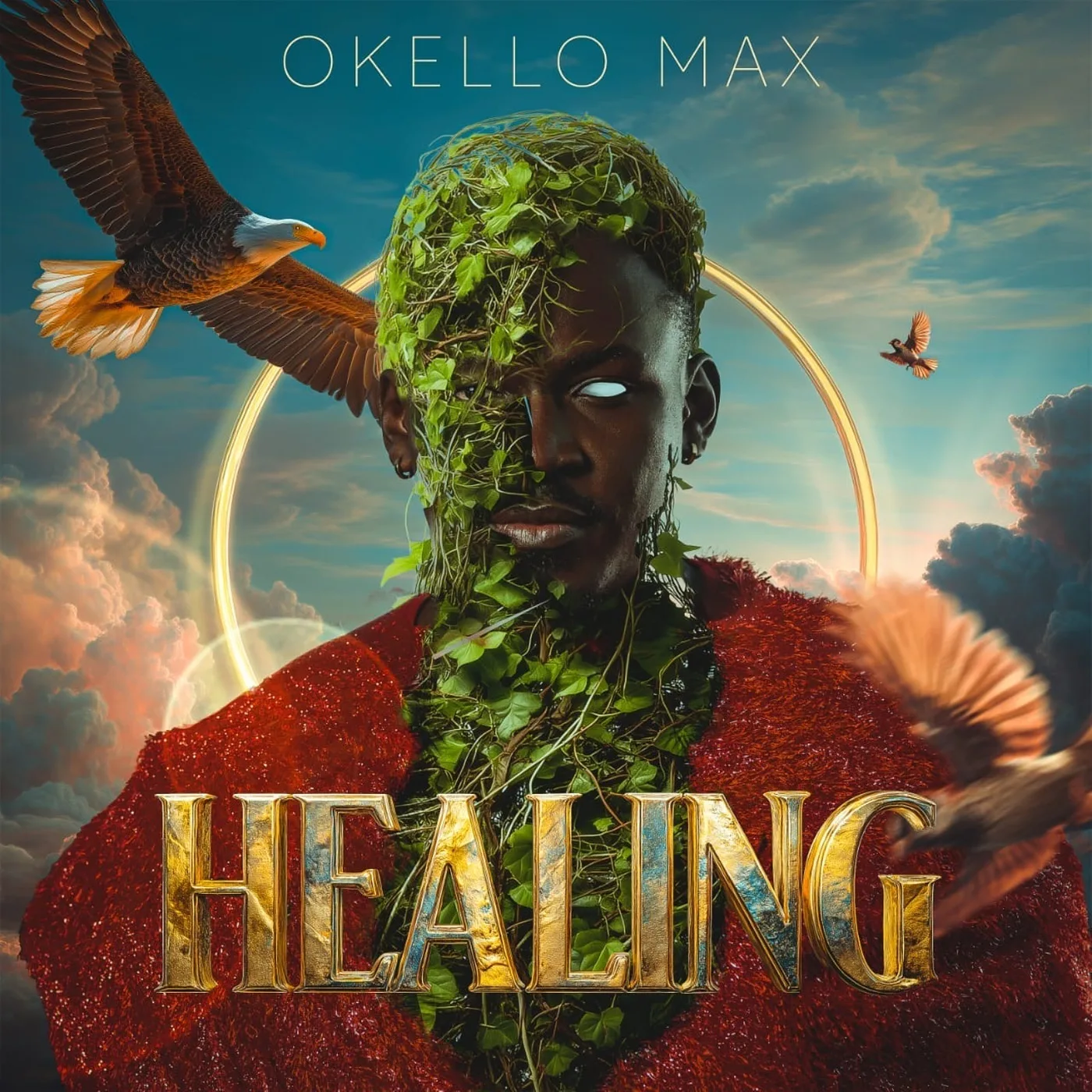
Dholuo’s music, the traditional and contemporary sound of the Luo people of western Kenya, northern Tanzania, and parts of Uganda and Sudan, doesn’t get enough attention in contemporary Afropop, which makes Healing feel like both a personal project and a cultural statement. Okello Max, also known as Julius Okello McRymboh, carries this heritage into 2025’s ‘Healing,’ blending it seamlessly with contemporary R&B, soul, and Afro-fusion.
From the opening title track, “Healing,” Max sets the tone with a voice that balances fragility and strength, anchoring the record in introspection. “Demons in My Head” digs deeper, confronting personal struggles with confessional lyricism, while “International Foreigner,” featuring Ywaya Tajiri, explores identity and the tension of belonging in a modern, globalized world.
Healing is a project that situates Dholuo music at the heart of contemporary African R&B, presenting Okello Max as an artist who transforms tradition into modern resonance, the project perfectly situates Dholuo music at the center of modern African R&B, and it does so without making a big deal about it. — Folake Ajao
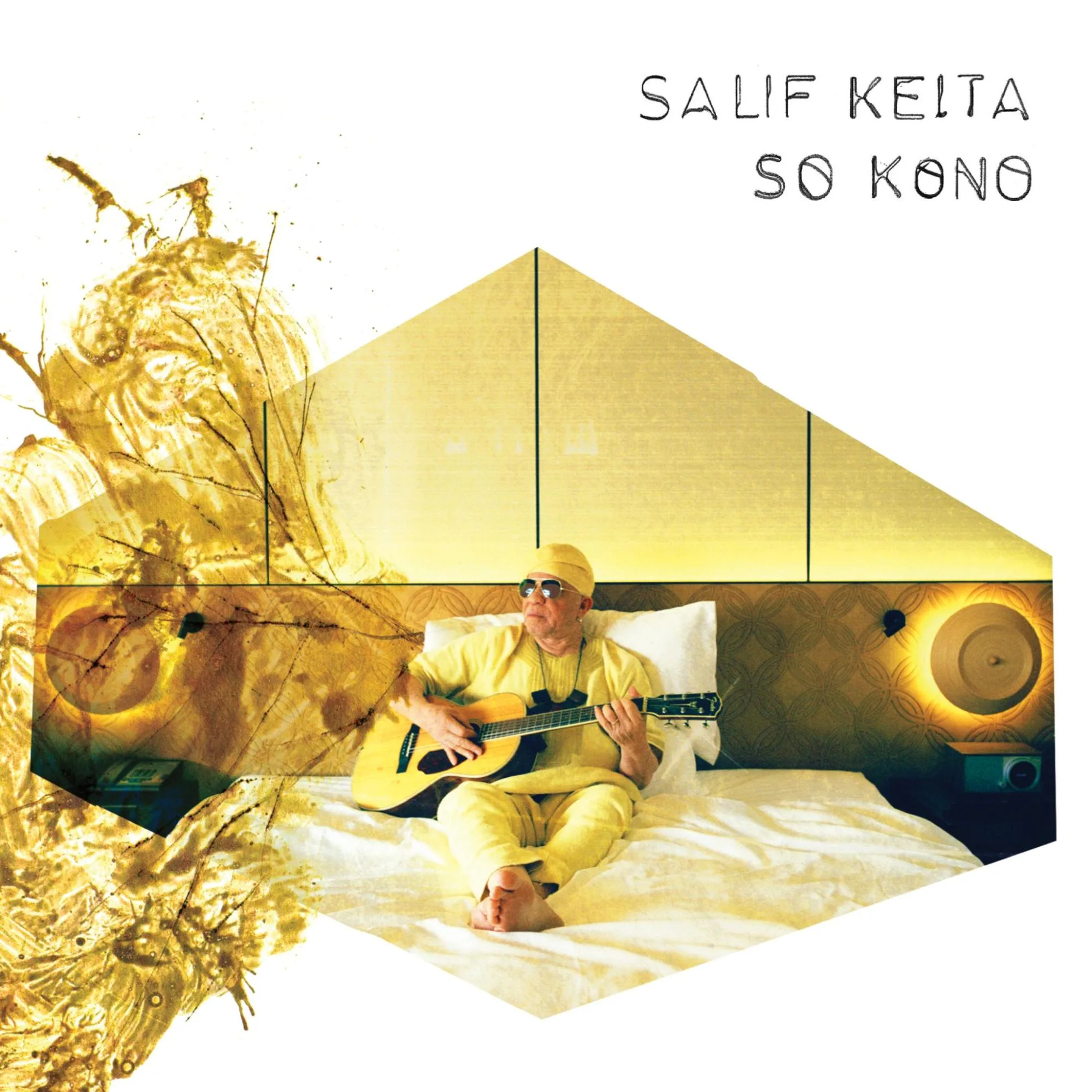
At 76, many might assume romance has faded, yet with the release of ‘So Kono,’ Salif Keita has reminded listeners why his voice continues to anchor the African love music scene decades into his career. Born into the Mandinka royal lineage, Salif Keita has been a defining voice of African music for decades, carrying the weight of Mali’s musical heritage while continually exploring new sonic territories.
The album’s twelve tracks explore the intersections of memory and heritage, giving space for each song to breathe. “Aboubakrin” opens the record with gentle instrumentation, setting a tone that is contemplative. The percussion and strings work together to provide a frame for the storytelling that follows.
In the middle of the record, “Tu vas me manquer” which directly translates to “I will miss you” captures a moment of longing and vulnerability that speaks to the core of the project. The closing moments, particularly “Proud” and “Yamore (Acoustic),” linger as invitations to reflection. Across 2025, a year that saw ambitious releases across the continent, ‘So Kono’ is a reminder of Salif Keita’s enduring presence in African music. Its blend of heritage ensures it remains a significant release in 2025. — Folake Ajao
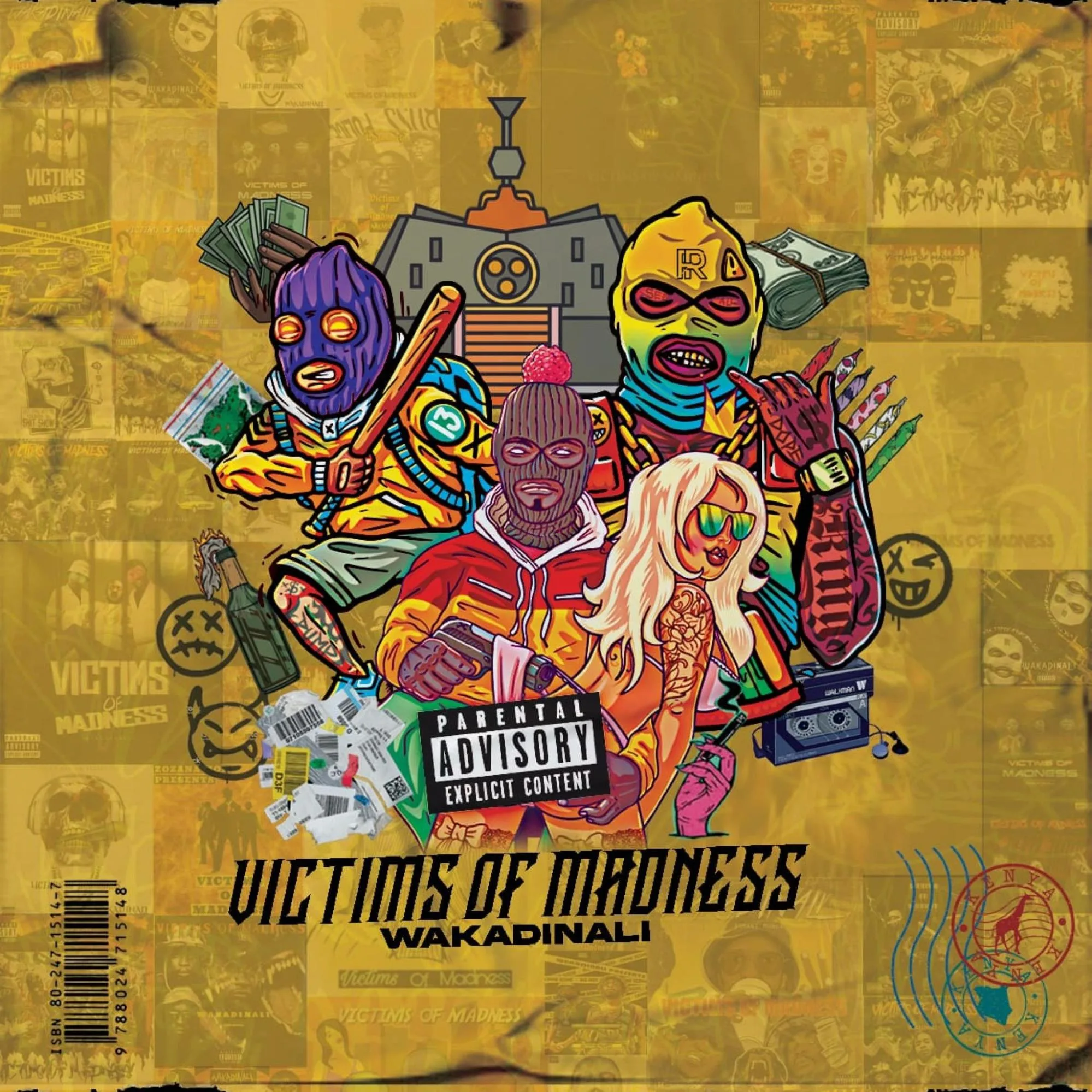
Wakadinali arrives on this list as the first throat singer ever to claim a spot, his throat singing over hip-hop and amapiano should not work. Except it does, immediately signaling that his music exists outside ordinary expectations. Hailing from Kenya, he has long experimented with the intersection of tradition and contemporary sound, and Victims of Madness 2.0, a follow-up to his 2020 Victims of Madness, is the continuation of his story.
The 22 track-pack merges the power of throat singing with contemporary hip hop, amapiano, and experimental soundscapes, creating a body of work that is authentic in itself. The album opens with “Intro (Kitu Sewer)” and “Chizi,” immediately drawing the listener into Wakadinali’s world, where rhythm and vocal force shape the narrative. On “Disco Sugar” featuring Skillo, his resonant voice sits atop percussive beats and subtle synth layers. At the heart of the album is “Kum Baba,” where Wakadinali’s throat singing threads through multiple voices, connecting ancestral expression with contemporary rhythm.
The album moves through struggle, survival, identity, community. Tracks like “Disco Sugar” and “Maproso” show his range, while “Rong Cypher 3.0” lets him flex lyrically alongside Skillo, Sudough Doss, and Katapilla. With such a long tracklist, it could have felt bloated. Instead, it feels like he needed all that space to say what he was saying. — Folake Ajao
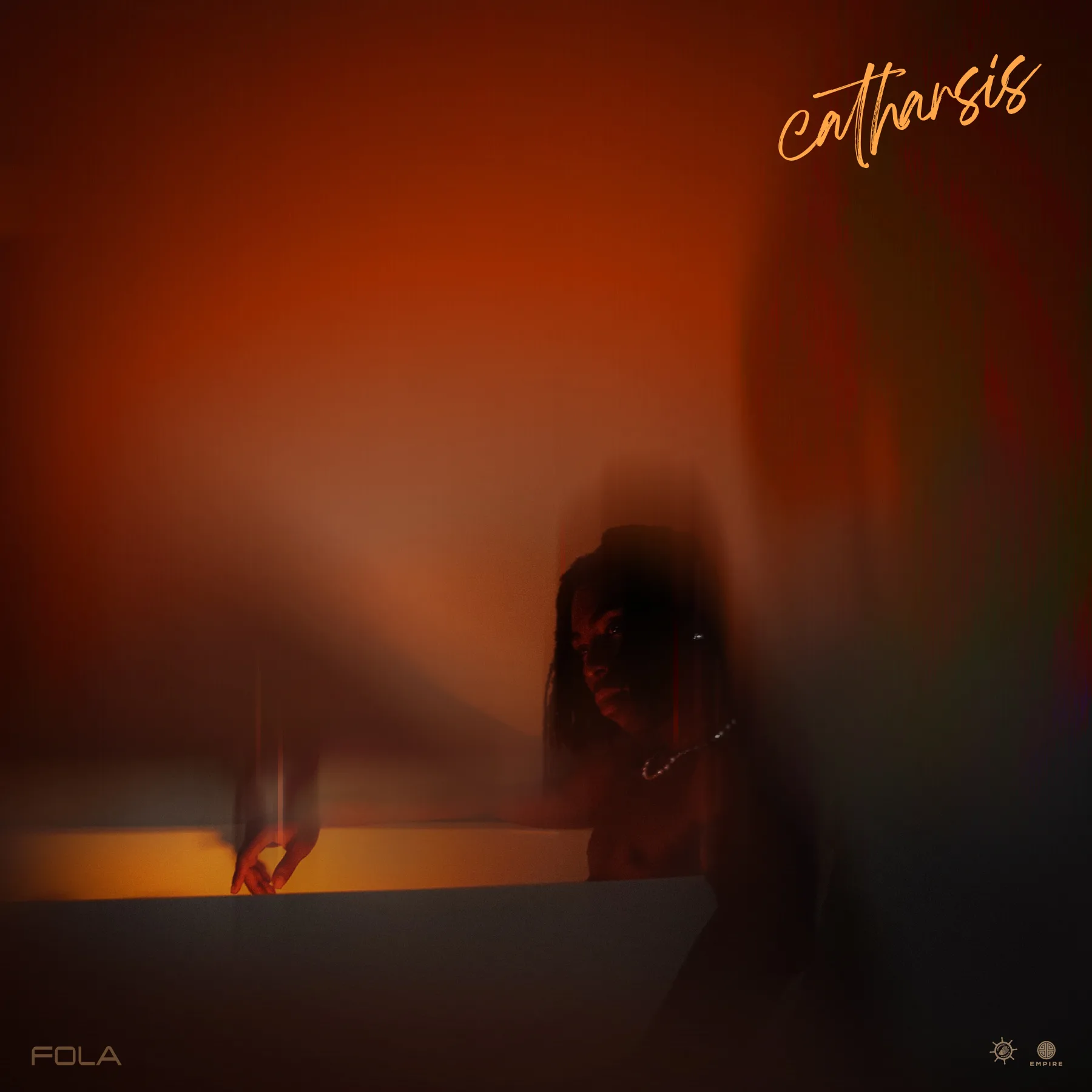
catharsis is FOLA sitting in a quiet studio, releasing feelings held on to for too long. The album carries the calm of someone learning to speak about pain without shame, joy without guilt and confusion without the need to hide. Each track behaves as a journal entry, delivered with a voice that remains steady even when the emotions inside it shift.
The album explores heartbreak, forgiveness, family ties, disappointment, spiritual longing and the quiet search for renewal. FOLA moves between regret and acceptance. His writing is unpretentious. He allows the listener into the private corners of his life. When he sings about guilt, the words feel familiar. When he sings about healing, you sense someone trying to walk carefully toward the light.
The project opens gently. FOLA’s voice arrives with a softness that stays throughout the album. He does not rush. He lets the words settle. You can hear the exhaustion of someone who has carried heavy emotions, and you can also hear the hope of someone trying to heal. The production keeps things intimate. Pianos, light strings, smooth percussion and airy synths create a space where nothing feels loud or overwhelming.
The features play small but meaningful roles. A few voices join him along the way, offering emotional support without overshadowing the album’s core mood. Whether it is a tender harmony or a calm verse, each guest seems to understand the vulnerability of the project.
The album’s pacing is slow and thoughtful. Some songs feel like confessionals while others feel like prayers whispered into the night. There are moments when the sadness deepens, but FOLA never sinks into hopelessness. He always leaves a crack of brightness in the music. In the middle section, the tone lifts slightly. You hear flashes of relief, glimmers of rebuilding, catharsis sonically stays within a warm palette. FOLA prefers subtlety over spectacle. Some listeners may wish for bolder production choices, but the consistency helps the message land. The music is soft but honest. The restraint allows the emotions to breathe clearly.
By the final quarter, FOLA sounds lighter but not cured nor fully at peace. Just lighter. The journey feels truthful, he does not pretend that healing ends tidily. Instead, he records the process as it unfolds. The album closes with gratitude, a sense of maturity and the strength of someone who has learned to sit with his emotions instead of running from them. catharsis stands as a quiet conversation between artist and listener. It offers honesty without theatrics and vulnerability without collapse. FOLA shares his truth with clarity, patience and sincerity, creating a project that lingers long after the music fades. — Kolawole Michael
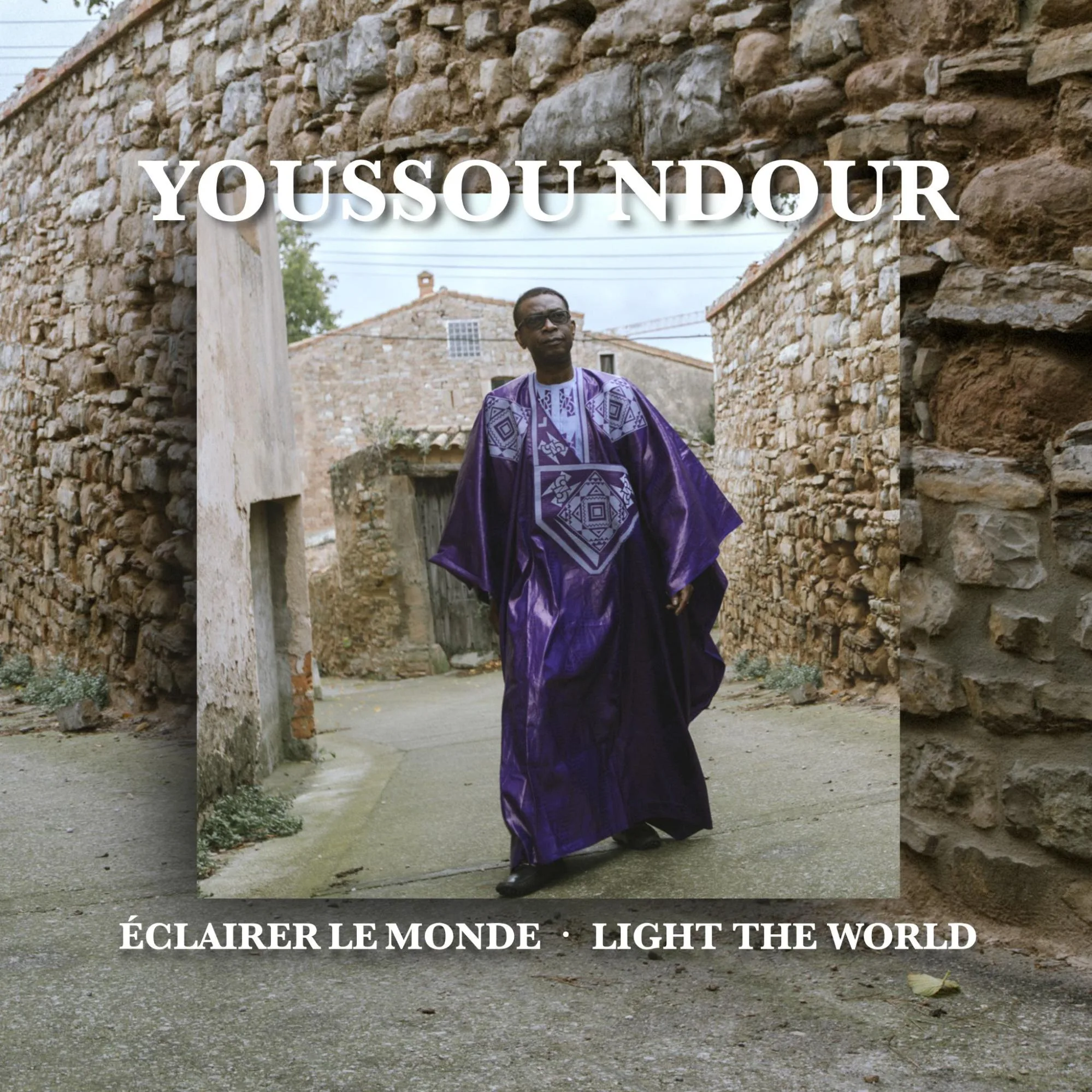
Youssou N’Dour has been an active musician longer than most of us have been alive and if his latest project is proof of anything, it’s that he isn’t going anywhere soon. The album received a 2026 Grammy nomination for Best World Music album and listening to it instantly reveals why. Monsieur N’Dour collaborated with producers Michael League of Snarky Puppy and Weedie Braimah to create Eclairer Le Monde, and together they’ve birthed a cross-cultural project that is Senegalese as its progenitor.
The album opens with “Tout Pour Briller” or “Everything to Shine”, a celebration in the finest traditions of the Wolof with its powerful, pulsing percussion undergirded by the ethereal harmonies and elegant bass line that signify Michael League’s influence. ‘Tout Pour Briller’ tells us that everything we require to shine bright is already within us.
Up next is the hard-hitting “Sa Ma Habibi”, a powerful ode to friendship in Youssou’s trademark Mbalax style. Right after that comes the more sedate, romantic number “Tell Me What You Want”, where Monsieur N’Dour switches between the mesmerizing percussion of his homeland and the mellow harmonics of 1990s R&B. It feels somewhat like those rainy nights when the weather oscillates between a roaring thunderstorm and a mellow drizzle.
“Buul ma laj”, Wolof for “don’t ask me”, is again a percussion-heavy number featuring the lovely vocal chorus that pervades the entire album. The sonic highlight, however, is the flute solo near the end of the song that sparks absolute chills. “Noflaay” shows us Youssou’s contemplative, emotional side with a stirring vocal performance and a godly acoustic guitar solo. “Yeksil” is a folk song in Wolof that deals with the topic of remembrance of friends, of family and of lovers.
“On l’a fait” is all about hope. It is written mostly in English and features the signature percussion and lovely background vocals that make this album such an enjoyable listen. “Sam Fall” is a lovely guitar number that will get you in your feelings whether or not you understand the language. “Machalla” follows right after and features more impressive guitar work from Mustapha Gaye. It is Youssou’s tribute to those selfless unsung heroes who are the glue that holds us all together. “Mbëgeėl Dole” and “Say Thank You” are also songs of homage. The former celebrates Orchestra Baobab, a group Youssou has close ties with, and the latter is addressed to his mother and all mothers with a fast-paced, guitar-driven performance that will get your grandmother on her feet. The final track is “Amadou Bamba” an eulogy Youssou wrote to the founder of his Sufi brotherhood, the Mouride.
Eclairer Le Monde is one of those albums whose sound is undeniable and breaks down the language barrier by reaching straight into your soul. After five decades of excellence, this masterpiece is Youssou N’Dour at his finest; an absolute delight of musical skill and beautiful emotions. — Chukwuma Nwangwu
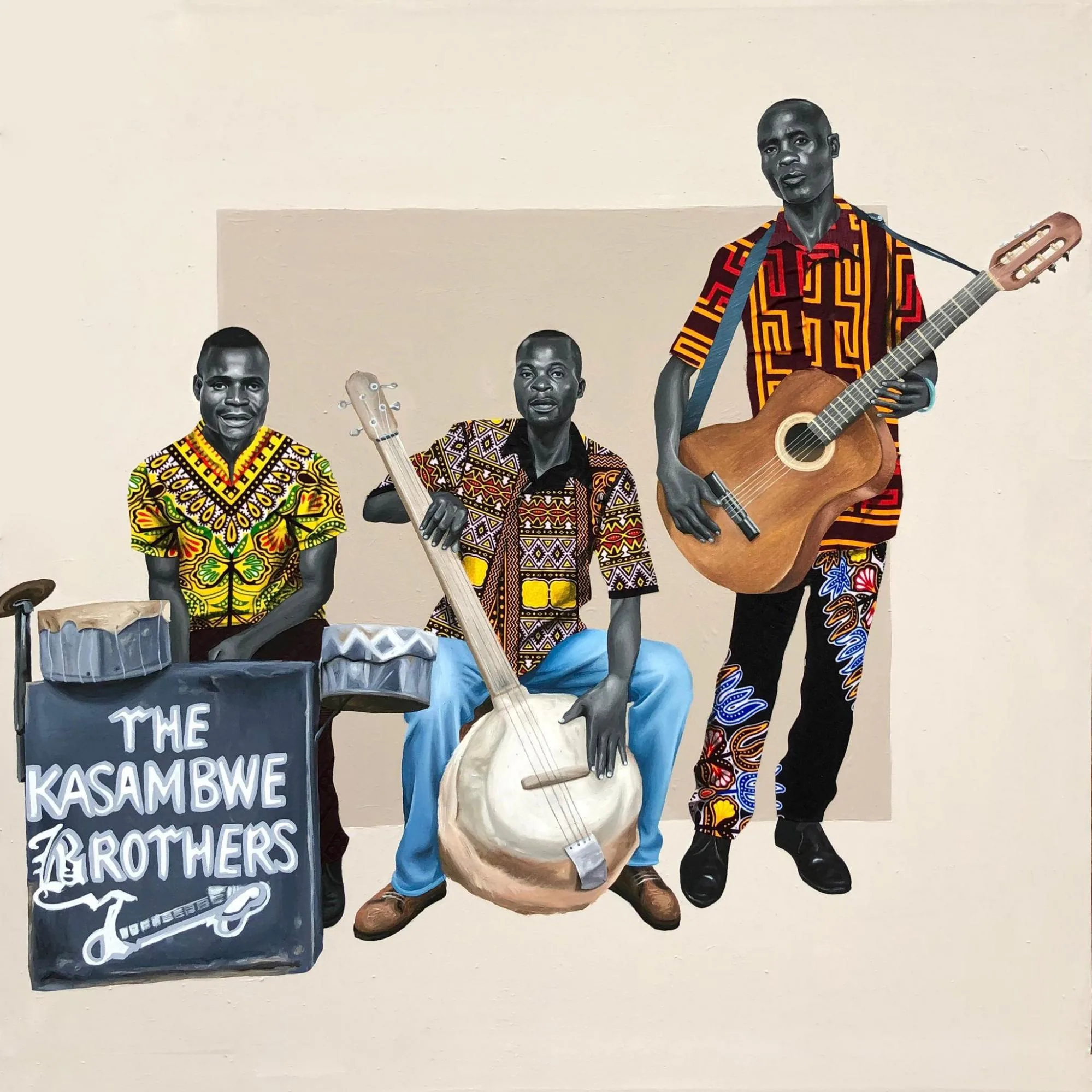
The story of the Kasambwe Brothers is what makes their self-titled debut studio album so special. The band started in 1987 with two brothers Isaac & Frank Chiwata, both precociously talented preteens. They were later joined by their cousin Kennedy Nagopa who was just nine years old at the time. There was no money for instruments, so they improvised their instruments from household objects. They played in markets and bars and local festivals and even got their records on the radio, but beyond Malawi they remained largely unknown. However, despite never hitting it big, the Kasambwe Brothers never gave up and even expanded to include younger relatives. After 37 years in the figurative wilderness, the band was invited in 2024 to a residency at the Massachusetts Museum of Contemporary Art. This album is the fruit of that life-changing breakout opportunity. It is a testament to resilience and to the power of family but also speaks to Africa’s need to build better systems for young creatives to thrive.
The album features nine tracks, runs for about 50 minutes and fills the listener with nostalgia for an almost-forgotten past. This is the sound of our grandparents’ generation, a time when we weren’t in such a hurry, when life was simpler. There are love songs like “Mtima Wanga” (My Heart), and “Getu” (Gertrude), songs full of love and longing and in the case of “Getu”, praise for the beloved lady’s good qualities. “Ahedi” is a protest against a wicked headteacher with lecherous, wandering hands, and “Timkonde” means “We should love her,” urging us to love and protect our womenfolk.
“Langizani Mwakichondi” reminds us to be kind even while we chastise our loved ones, and “Kungade” encourages us to hold on to hope “Even in a Dark Place”. The sound is vintage, the storytelling is charming, and the backstory of the album just ties everything together in the best way possible. Ladies and gentlemen, the Kasambwe Brothers! — Chukwuma Nwangwu

Over the past five years, Vigro Deep has mapped the evolving terrain of Amapiano by interlacing the genre’s many strands, from 3-Step and Afro-Tech to House-inflected grooves and electro textures into a signature sound that feels experimental and, as well, foundational. Baby Boy V, the fifth instalment in his celebrated Baby Boy series that began in 2019, extends that legacy with a sprawling 20-track soundscape of hypnotic, instrumental-led compositions, where airy, dreamlike synths collide with infectious rhythms and impeccably clean production.
Tracks like “Never”, featuring Moonchild Sanelly, Mellow & Sleazy, and DJ Biza, lean into his techno instincts, with pounding kicks, pulsating basslines, and stuttering synths. Meanwhile, “Ole” dazzles with cascading log drums, rolling effects, and vibrating textures that create a hypnotic momentum that is expansive and intimate. Each track on the album brims with deliberate sound design, out-of-the-box presets, and textures clearly engineered for the rave scene.
By pulling in heavyweights like DJ Maphorisa, Mellow & Sleazy, Kabza De Small, and many others, Vigro Deep situates Baby Boy V as a continuation of a long-running series. In doing so, he also proves he’s a visionary producer, a masterful DJ, and a tireless champion of Amapiano in its most locally cherished forms. — Abioye Damilare Samson
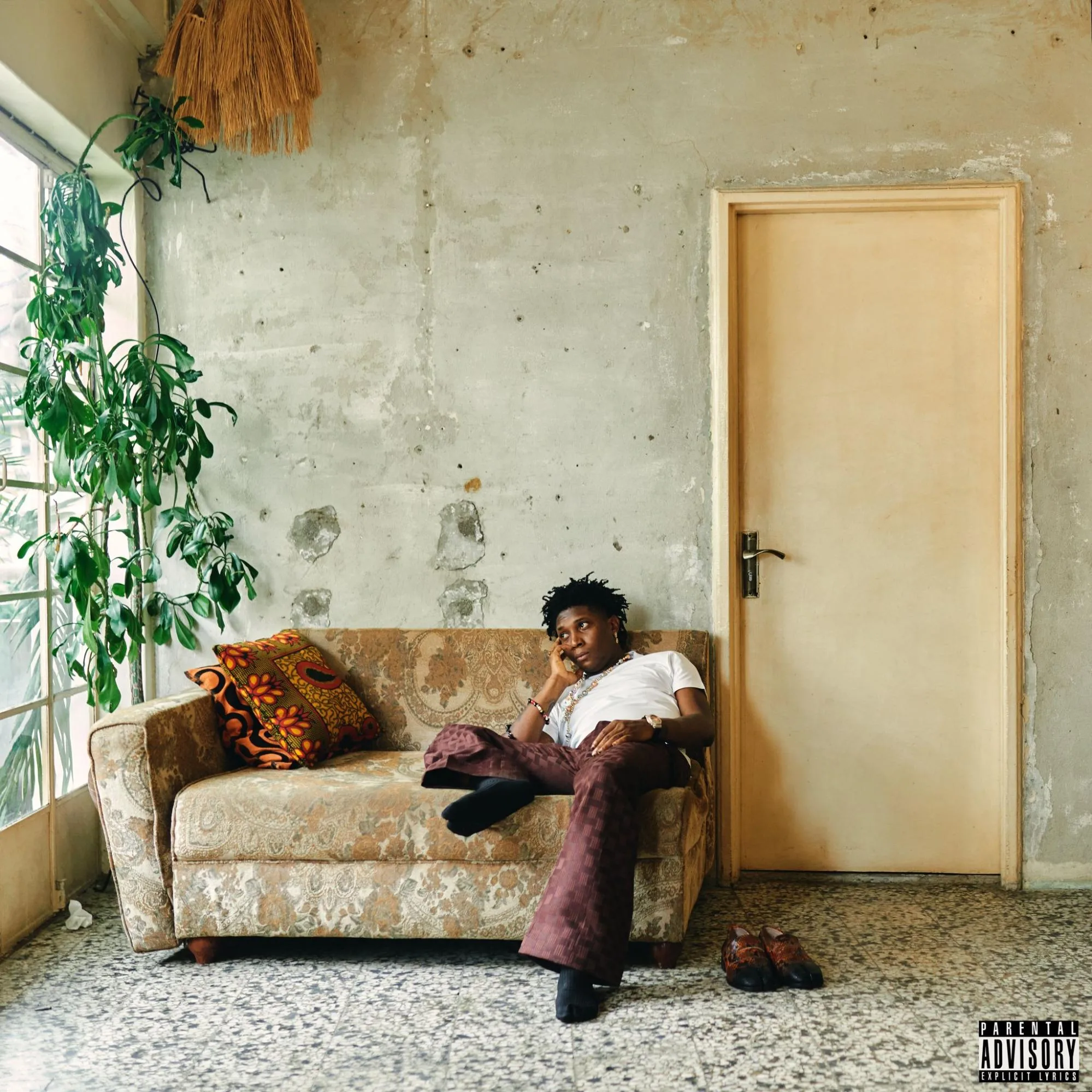
Bella Shmurda’s Sanity plays like a man caught in a whirlwind of chaos stopping to ask himself who he is becoming. The project carries the energy of a man who has tasted fame, felt its pressure and is now looking for balance. The tone shifts between clarity and confusion, joy and worry, ambition and fatigue. The honesty in his voice pulls you in immediately. Sanity explores survival, childhood memories, relationships, spiritual protection and the unpredictable nature of success. Bella lets you into the experiences that shaped him. When he sings about his neighbourhood, the images feel real. When he sings about emotional exhaustion, the words feel sincere. When he sings about gratitude, you sense the relief of someone who has avoided destruction more than once.
From the opening track “Appraisal”, Bella sounds reflective. His voice keeps its familiar rasp, but there is a deeper calm beneath it. He sings as though he is sorting through memories. You hear the vulnerability of someone who has tried to stay strong while contemplating moments that nearly broke him. The production supports this mood with gentle drums, bright chords, muted guitars and soft backing vocals that create a warm cushion for his storytelling.
Some songs carry the rawness of confession. Others offer upbeat grooves that remind listeners of Bella’s playful, street pop instincts. Even in these lighter moments, there is an undertone of caution, as though he is trying to stop himself from getting lost in the noise again. The project feels like a man re-aligning himself after seasons of turbulence. The collaborations enrich the album without taking away from Bella’s presence. Guests appear with intention. Their contributions help shape the emotional arc, whether through soft harmonies or verses that echo his struggles. The features feel like friends who know his journey well.
Sanity blends street-pop influences with soft Afro-fusion and mellow rhythms. The production seldom rises above a controlled volume, as if the music is trying to protect Bella from the frenzy he often sings about. Some listeners may want bigger moments, but the restraint gives the album focus. It keeps the emotions clear. Bella’s writing shows maturity. He speaks plainly about personal mistakes, the loss of people he loved, the weight of public scrutiny and the effort to stay grounded. These reflections give Sanity a sense of depth that stays with you.
The album stands as one of Bella’s most thoughtful works. It offers transparency, warmth and a strong sense of self. It shows a man committed to finding his voice again, slowly, carefully, and with true emotion. — Kolawole Michael
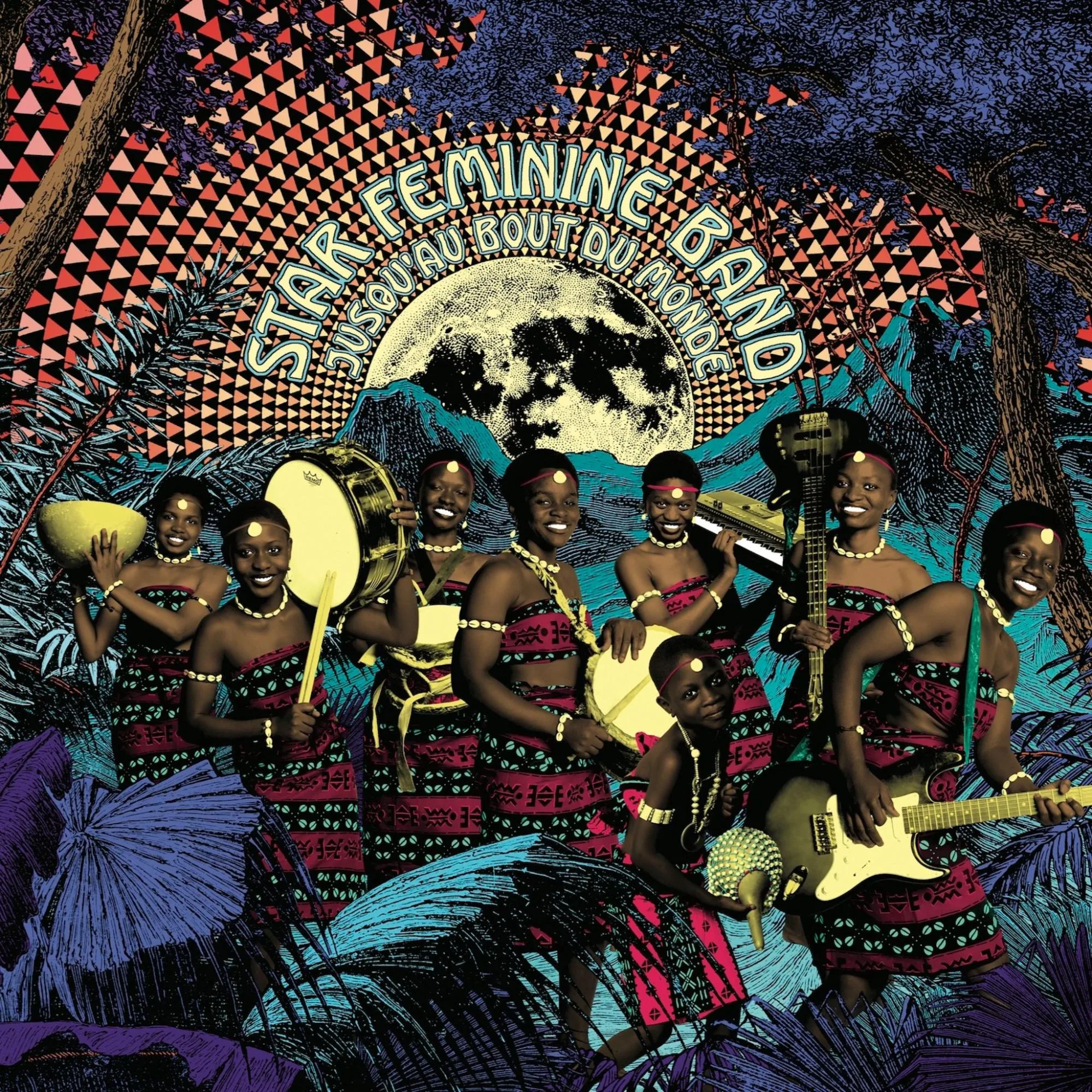
It’s deeply impressive when you think about how the music of Star Feminine Band — made up of Urrice, Sandrine, Julienne, Marguerite, Grace, Bénie, and Anne — sounds so startlingly assured in its expression, with themes that feel even more strikingly deepened, especially considering that they were between 10 and 17 years old when they first emerged in 2020 with their self-titled debut.
The consistency of what they stand for and preach, an unflinching, clear-voiced feminism, has been the steady backbone of their artistry. Much of Jusqu’au bout du monde, their third album, is powered by that same defiant spirit, like when they demand dignity for women on the groovy, talking-drum–driven “Bowo Fun Obirin” or the highlife-charged “Women Rights.”
Across the album’s 12 tracks, they meld Yoruba, French, Béninoise and English into a radiant multilingual soundscape, backed by a tight, road-tested band that colours each song with supple basslines and lively interpretations of local genres — Highlife, Rhumba, Rock, and even a sun-soaked touch of Reggae on “Unis pour toujours.” Jusqu’au bout du monde is a sublime album, steeped in culture and tradition, and it firmly positions Star Feminine Band as a conscious, clear-eyed collective with something urgent and vital to say. — Abioye Damilare Samson

Joeboy shifts tone with Viva Lavida. No longer the heartbreak rookie singing teenage heartbreak songs, he delivers a mature reflection on love, life, freedom, and selfhood. The album’s title, “Long Live Life”, signals intent. Across 13 tracks, Joeboy trades sheer infatuation for well-assembled emotionality. The production gives room to the album’s breezy Afropop, soft R&B, nostalgic Highlife, and occasional Dancehall pulses. The result is a mood that shifts with him, sometimes dreamy, sometimes sobering, often hopeful.
Viva Lavida is remarkable for the balance between vulnerability and dignity. On the one hand, he bears the wounds of his love on tracks like “Streets Are Lonely” and “Taxi Driver”. On the other hand, there’s resilience: “I’ll Be Okay” closes the album not with a plea, but with quiet strength.
Guests are used sparingly but purposefully. When they appear, like on “Free of Charge” featuring Olamide, on “Sunset,” in collaboration with Elana Dara, or “Adenuga” with Qing Madi, they inject contrast, a different energy, sometimes playful, sometimes haunting. It keeps the album from settling into a single emotional lane. What Viva Lavida does best is humanise love’s many shades: first blush, betrayal, heartbreak, and maybe recuperation. It’s definitely persistence with the black and white aspect of love. It’s not the pressure-cooker Afropop designed for clubs or charts. Rather, it’s an intimate dusk-til-dawn conversation between a singer and his scars, hopes, and dreams. This album introduces an artist evolving, trying new things, and unafraid to embrace the diversity and complexity of Afrobeats. — Kolawole Michael
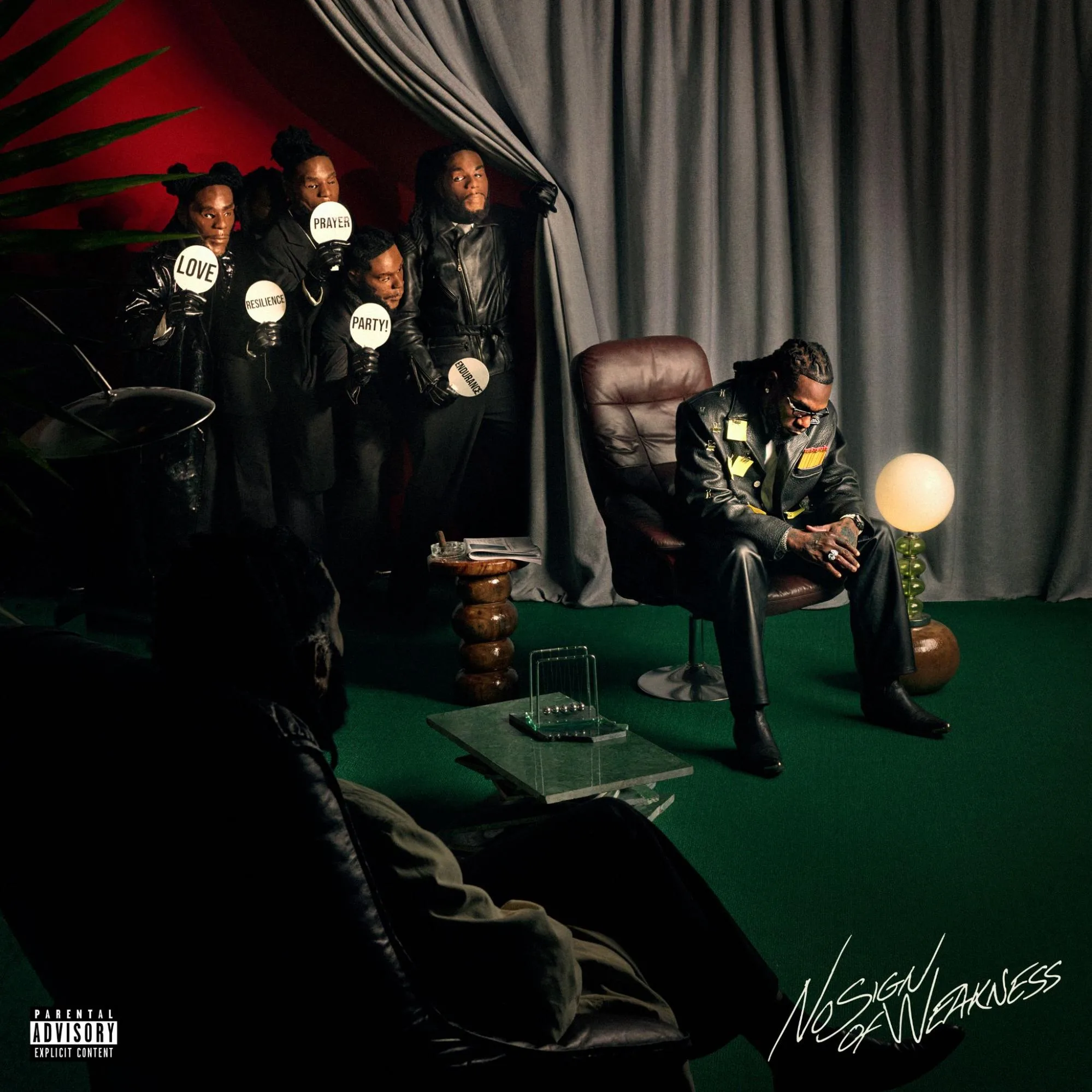
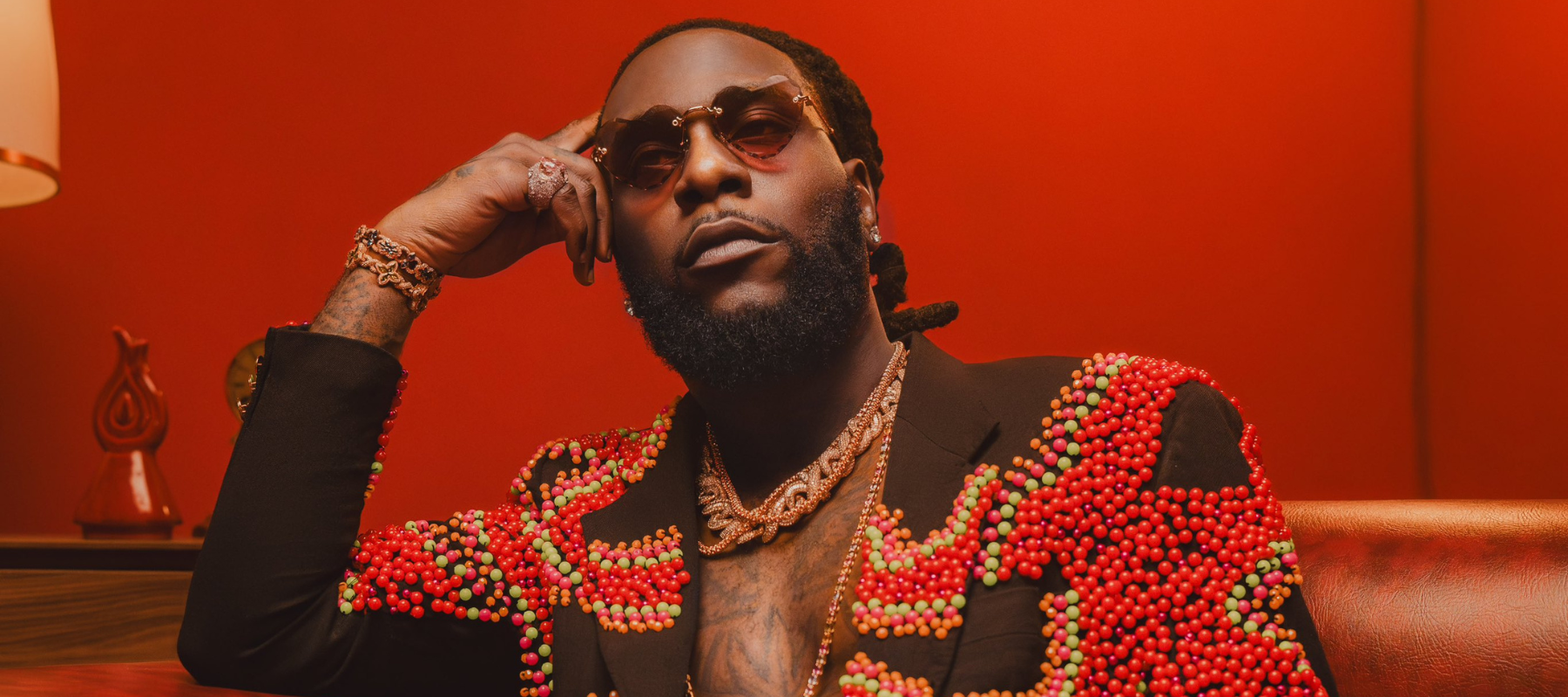
No Sign of Weakness opens with Burna Boy in full armour. On “Update,” one of the album’s early signals, he declares his energy untouchable, a boast delivered with the confidence of someone long accustomed to scrutiny. That posture hardens on “No Panic,” where he steps into the record breathing fire. His voice cuts through the beat with venom and clarity, daring anyone watching to keep up. Wealth, access, and influence become tools for mockery as he takes sharp, often funny shots at detractors, reducing their grievances to background noise. It is Burna Boy at his most defiant, matching lyrical sharpness with menacing sonics.
That aggression carries cleanly into the title track, “No Sign of Weakness.” A distorted voice warns that weakness grows wherever comfort replaces challenge, and Burna takes that cue as a manifesto. He presents himself as someone wired for confrontation, advising critics to keep quiet because hotheads do not suddenly grow cautious. The song reinforces the album’s central stance; composure as dominance, confidence as defence. Once those boundaries are drawn, Burna begins to turn inward. He reflects on life, love, and desire, though even these moments remain tightly controlled. Vulnerability never arrives naked; it bows before composure. On the highlife-leaning “Buy You Life,” he meditates on wealth, mortality, and the certainty of death. Lines like “Life na be careful” land with the calm of someone who has stared long enough at impermanence to stop flinching.
That contemplation deepens the sombre gravity of empty Chairs,” featuring Mick Jagger. Here, Burna weighs fame against solitude, resilience against gossip. The song moves deliberately, its pacing careful, Jagger’s chorus and the choir adding a somber gravity that frames success as a lonely seat at a crowded table. As is often the case with Burna Boy, the album also makes room for levity. “Tatata” with Travis Scott leans into playful sensuality, light on substance but buoyed by rhythm and sound. On “Dem Dey,” he repurposes Lagbaja’s familiar chorus to ridicule critics who followed his very public personal drama. The Fuji-inflected melody and his vocal phrasing turn mockery into performance, later echoed when he crowns himself on the EDM-tinged “Kabiyesi.”
Yet Burna Boy’s most convincing moments arrive when he loosens his grip. Love brings out his clearest writing. On “Sweet Love,” a lovers’ rock ballad, he promises protection and companionship, wishing the stars would cooperate enough to bring him home each night. The song recalls the tenderness of classic reggae, its guitar lines warm, his delivery bruised but hopeful. It suggests a man who has been hurt but still believes affection can mend something. That softness quickly gives way to desire on “Come Gimme,” a sensual track that complements devotion with appetite. Still, the album remains firmly male in voice and outlook. With no female guest artists to balance its perspective, many songs circle the same emotional territory, sometimes slipping into self-indulgence.
Burna Boy has long excelled at blending social commentary with inherited sounds. Here, that fire flickers rather than roars. Unlike the outward-looking ambition of African Giant or Twice As Tall, No Sign of Weakness turns inward. It is personal, often compelling, but less purposeful. In the end, it stands as his most restrained statement in years, confident in tone, uneven in focus, and reflective of an artist choosing self-preservation over expansion.
— Kolawole Michael
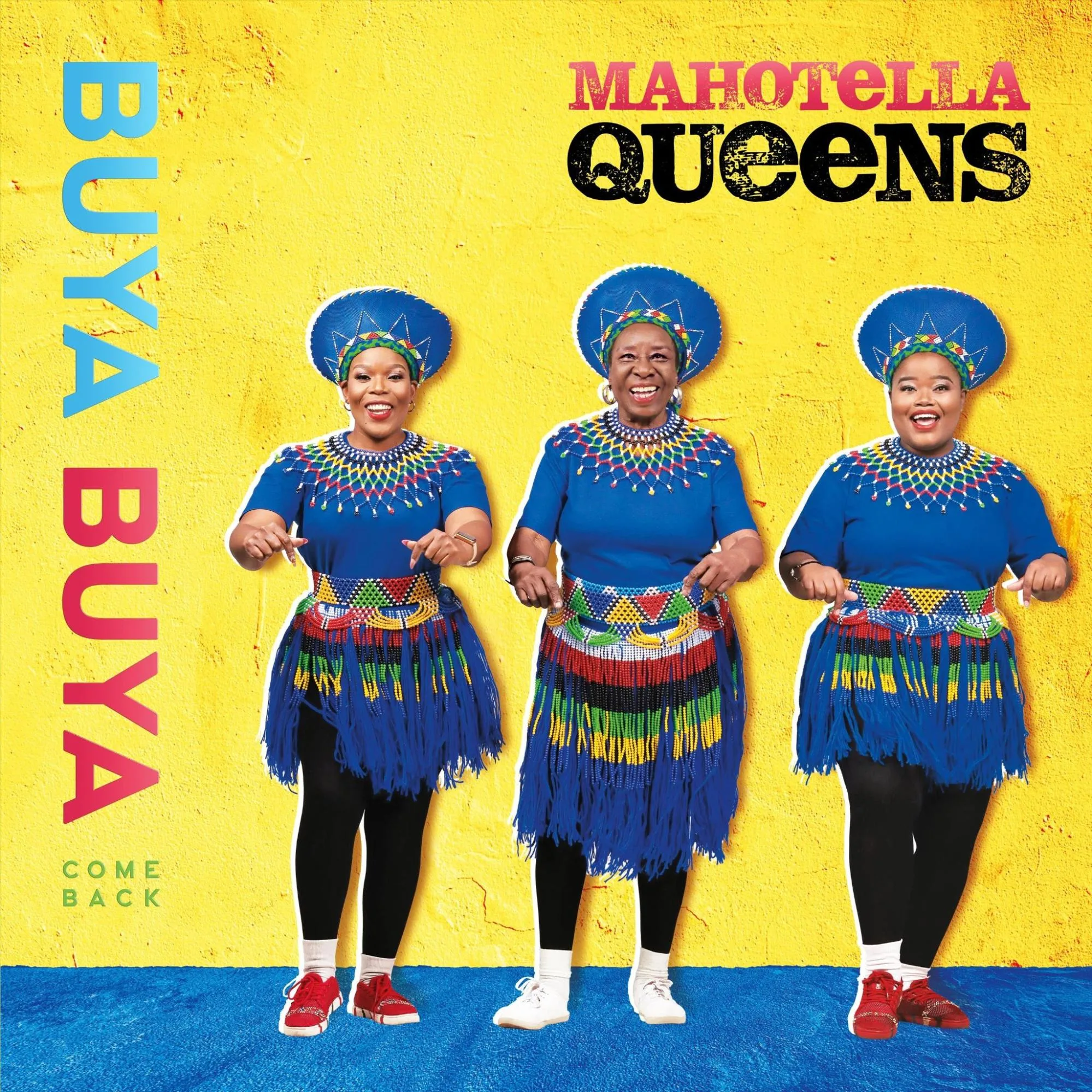
It’s been nearly 20 years since the Mahotella Queens last released an album with entirely new songs, as their previous studio album arrived in 2007. The iconic group—originally comprising lead singer Hilda Tloubatla, Mildred Mangxola, and the late Nobesuthu Shawe—was formed in 1964 under the direction of producer Rupert Bopape of the Mavuthela music company.
Over the decades, they remained anchored in their Zulu heritage, performing in radiant traditional attire and showcasing a performance style that embodied the spirited everyday energy of indigenous Zulu dance and movement. Their influence has long since cemented them as one of South Africa’s most legendary musical institutions.
On their new album, Buya Buya, it is still the ever-resonant vocals of Hilda Tloubatla that lead the charge, supported by a new generation of Queens in Amanda Nkosi and Nonku Maseko, as well as the retired Mildred Mangxola, whose voice shines beautifully across select tracks. The project is a pure return to mbaqanga, also known as simanje-manje, anchored by their infectious harmonies and richly textured vocal arrangements. There is even a remake of one of their 1960s hits on the seventh track, “Thoko, Ujola Nobani?”
It takes a whole lot of unyielding spirit for 82-year-old Hilda Tloubatla to still command the mic with such presence, but Buya Buya never loses the core of their artistry, even as time passes. — Abioye Damilare Samson
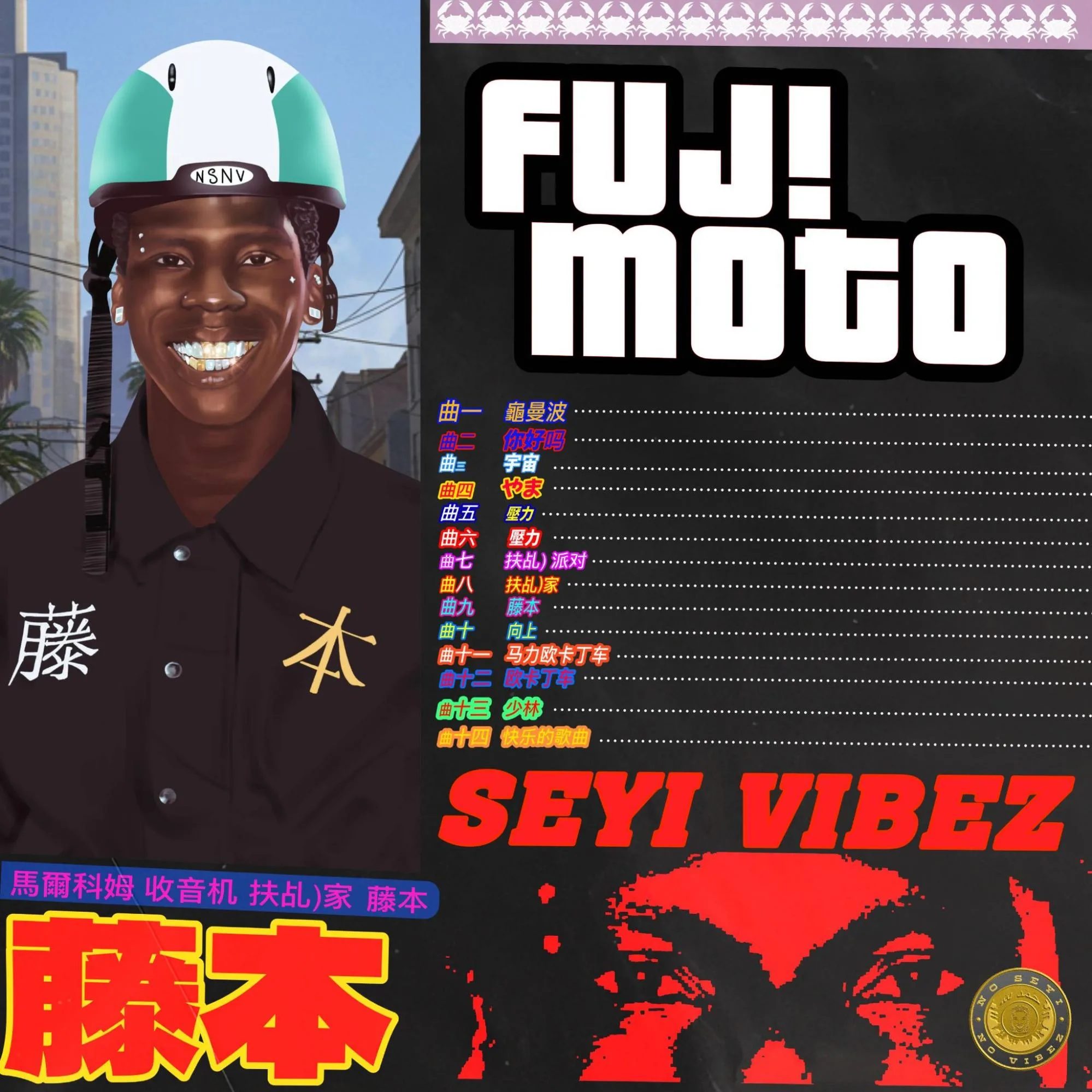
Fuji Moto is Seyi Vibez reaching into the past, the present and the streets that shaped him, then gathering everything into one restless body of work. The album tells you exactly where its heart lies. The percussion carries the flavour of Afrobeats and merges it with Pop, Soul, and Hip-hop. The melodies stretch between prayer, longing, hustle and celebration. It is a project that lives in two worlds at once, the world of tradition and the world of fast city rhythms.
Seyi Vibez has always been a storyteller, and on this album he sounds determined to honour the music that raised him. Fuji forms the backbone of the project. The drums, the hurried vocal runs, the raw delivery, the chants, the rhythm patterns that never sit still. To this foundation, he adds the modern spark of Afrobeats, the bounce of street pop and collaborations with artists who carry global influence. The result is a sound that feels familiar to home yet curious about the wider world.
“Fuji Party” brings Olamide into the mix, and the chemistry comes naturally. You hear two artists who understand the same spiritual and cultural soil. Other songs like “How Are You”, “AMA” and “Universe” open the emotional space further. Here, Seyi Vibez sings about heartbreak, fear, gratitude, family and dreams. These songs reveal a softness that hides beneath his rougher vocal edges. They feel personal, like pages taken from a private notebook.
The international features add a different spark. Trippie Redd, NLE Choppa and French Montana bring their own worlds into Seyi’s world. These collaborations do not always feel flawless, but they show a young artist unafraid to stretch himself. Some listeners may feel the album pulls in many directions at once. However, that tension feels true to Seyi Vibez’s artistic identity. His music has always come from the clash of many emotions, many stories and many musical influences.
Fuji Moto sometimes feels crowded with ideas, but that chaos suits the album’s spirit. Seyi Vibez does not present himself as polished or distant. He sounds like a young man trying to gather the full width of his life into one project. Street wisdom sits beside youthful impatience. Gratitude sits beside frustration. Joy sits beside sorrow. Nothing is neatly separated. Everything spills into everything else. By the end of the album, you feel the urgency of a man who wants to honour his roots while claiming space in a global conversation. Fuji Moto moves with the rhythm of a bustling neighbourhood, full of noise, stories, movement and heart. Seyi Vibez’ refusal to hide his origin or slow his ascent for anyone are clear thematic touchpoints throughout. The project is lively, rough, tender and deeply connected to the soil that shaped him. — Kolawole Michael

then 1t g0t crazy is a modern relic in the underground alternative rap scene. This is not only because of Zaylevelten’s meteoric indie rise, but also because of how puzzlingly unique his creativity is on his solo debut album. Garnering a considerable fanbase organically or otherwise in today’s music business landscape is nothing to be scoffed at. Doing so while arguably pioneering a nascent variant of Nigerian Hip-hop is even m[ore commendable but Tenski seems to require no special praise for these feats.
Throughout the album, listeners continually question what exactly they are listening to. Zaylevelten blends the dark aura of Playboi Carti, street slang bars from both the 2010s and the modern era, and the mercurial production of his alter ego. The result is an Internet born-and-raised composite of every style since Soulja Boy to Shallipopi that caters not only to his Gen Alpha direct audience but surprisingly to fans of the aforementioned acts as well.
Drawing some flak for the perceived lack of substance in his music seems to be doing him more favours than his critics would prefer, in the era of anti-intellectualism, state sponsored dumbing-down programs and virality-at-any-cost creation models, Zaylevelten is not a simply a symptom of the times, he is an aggregator. His fanbase loosely refer to themselves as an offshoot of Playboi Carti’s Opium community characterised by hypnotising, bouncy, and overstimulating music that no African parent would want to catch kids singing.
Perhaps the most comprehensive of a budding class of Nigerian entertainer, Zaylevelten makes a case for his purported dominance simply off skill and a fleshed-out catalog. The album opens up with “Wenski”, a cute play on words and a declaration of his manifesto on which he embraces the zesty accusations while proclaiming his position as leader of the pack. The first arc of the album follows similar sentiments on records like “Gbona”, “Zanku”, “Idanski” and lead single “Maye”. The second half of the album brings in the features with cohorts Fimiguerrero, Mavo and ODUMODUBLVCK supporting on “SHOW ME LUV”, “Wuse Tu” and “Idansk1 tw0” respectively. They play their roles within reason but Zaylevelten’s presence is never missed. — Favour Overo
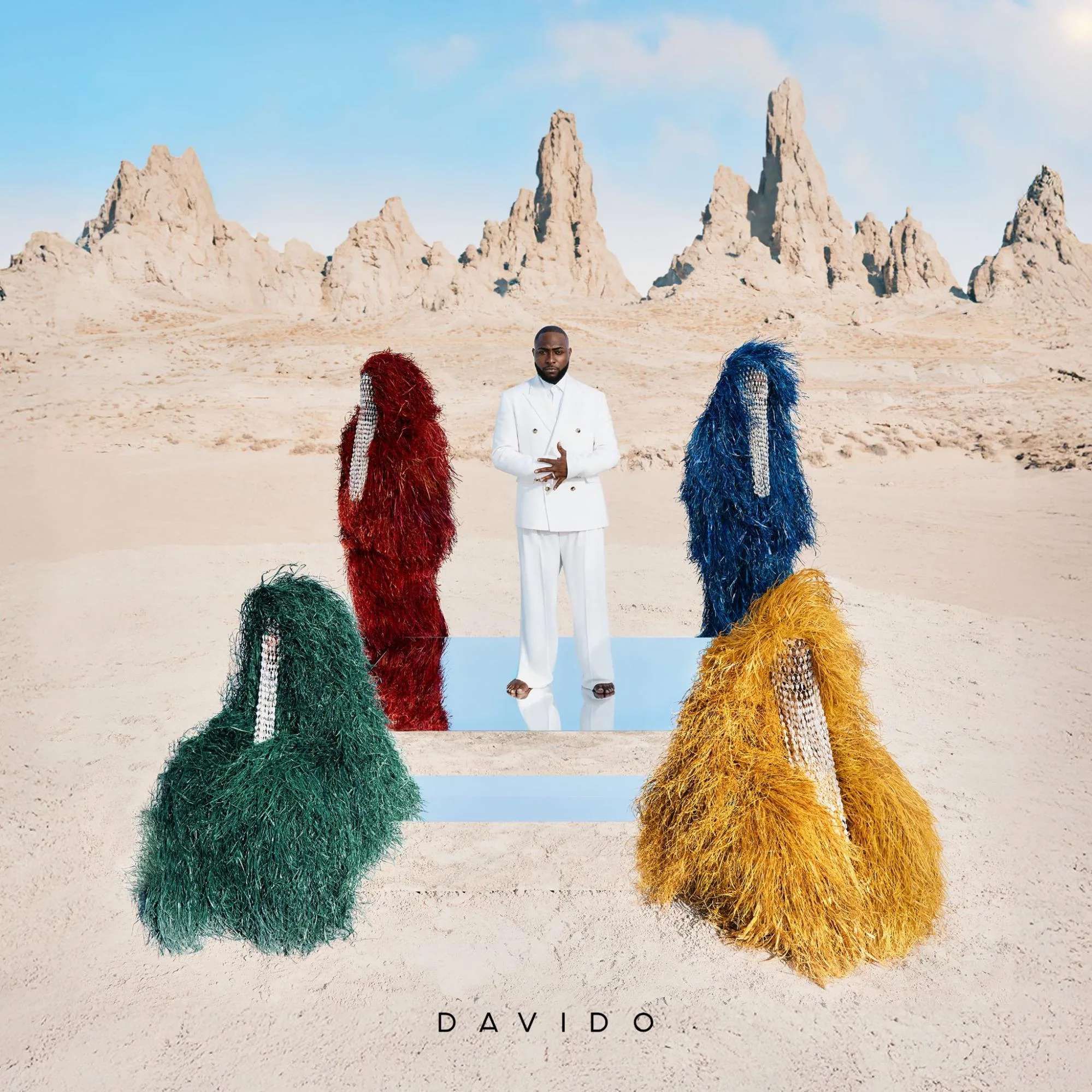
When we discuss a Davido project, the stakes always feel high. With 5ive, released on the 18th, April 2025, he delivers an album with a wide-ranging musical scope, exploring growth, ambition, and global Afropop resonance.
Seventeen tracks deep, 5ive traverses borders, musically and emotionally. Davido threads together Afropop, amapiano-tinged grooves, R&B softness, and dancefloor-ready bangers, creating an album that belongs as much on Lagos streets as on global playlists. The album is a journey, from celebratory singles such as “Awuke” and “Be There Still” to introspective moments where vulnerability peeks through. Guests like Omah Lay, Chike, and even international names like Victoria Monét, Shenseea, and Chris Brown create a bridge between local authenticity and a pan-global sound.
What stands out is Davido’s confidence, that effortless swagger layered over carefully curated production. Where past works might have leaned heavily on club appeal or radio-ready melodies alone, here there’s depth: songs that linger at night (“With You”), that reveal pain (“Anything”), hope (“Lately”), longing (“Lover Boy”). Regardless, he never sacrifices that characteristic exuberance.
For listeners, 5ive offers dual pleasures: the dancefloor and the headphone moments. You find yourself swaying to rhythmic Afropop, then hours later replaying a soft bridge that cuts deeper than expected. It’s an album that refuses to be one-dimensional and that is its strength. — Kolawole Michael
Olamide’s self-titled album is like a long, unfiltered breath from an artist who has seen every corner of the industry and now chooses stillness over noise. Calm and confident, Olamidé looks back at the highs and lows of his journey and speaks plainly, without pressure and rush.
Across the project, themes of legacy, family, gratitude, weariness and renewal rise gently. When he sings about the past, he does it with a quiet smile, the kind that comes from surviving storms. When he sings about ambition, he sounds measured. He no longer runs toward success. He moves at his own pace. That shift in energy forms the soul of the album. The man who once carried the hunger of these Lagos streets now carries a different kind of drive, one shaped primarily by experience.
The songs shift between playful moments, introspective corners and affectionate tributes. The collaborations are chosen with care. Younger artists appear without overwhelming the tone, and older voices blend in smoothly. Olamide acts as a guide, allowing each guest to shine while keeping the emotional centre of the project firmly in his hands.
There is no frantic chase for trends here. No desperate attempt to match the streaming wave. Instead, the music explores a quiet gathering of everything Olamide has become. The beats sway between soft percussion, gentle synths, breezy guitars and subtle drum patterns. The mood holds steady from beginning to end. Some listeners may want more intensity, but the stillness is intentional. This is a man comfortable in his own shadow.
By the time the final track fades, you feel like you have spent time with someone older, wiser and ready to let the future unfold without force. Olamide uses this album to honour his journey, his roots and his place in the culture. The songs speak softly, yet they stay with you. The project reflects the peace of an artist who no longer fights for recognition. He already earned it. What he offers now is clarity, patience and a strong sense of self.
By going the eponymous route this deep into his discography, Olamide refuses to complicate the creative process, and sometimes, music like that carries its own kind of power. Olamidé chooses simplicity, and sometimes, music like that carries its own kind of power. — Kolawole Michael
Love, in Tems’ hands, has never been tidy. It has always arrived in fragments: longing, withdrawal, devotion, suspicion, return. On Love Is A Kingdom, she gathers those fragments into a single idea. On this album, love goes beyond just emotion but becomes a territory protected with care and fear. It is something she builds deliberately, protects fiercely, and opens only to those who understand its rules.
Love Is A Kingdom continues that trajectory of love and lovelessness peculiar to Tems’ music but with a crucial shift in posture. Tems no longer sings as someone circling the gates but instead as someone already inside. The project opens with “First,” a quiet declaration of self-rule. Before romance, before compromise, she asserts autonomy. This is not bravado; it is self-renewal. She rejects rivalry, external validation, and emotional dependence. Love, here, must arrive to meet her, not rescue her. As an opener, “First” establishes the EP’s governing principle: affection is welcome, but only within boundaries she has drawn herself.
That clarity, however, does not translate into ease. On the next stretch of the record, Tems admits that knowing one’s worth does not automatically teach one how to express desire. She hesitates, asks for honesty, and insists that affection must be spoken plainly. Love, for her, remains unfamiliar terrain, even as she claims ownership over it. “Big Daddy” sharpens the tone. It is a clean severance from a lover whose ambition never matched his entitlement. Tems does not dramatise the exit; she dismisses him with surgical precision, calling out stagnation and emotional manipulation without pleading or rage. The song reinforces the EP’s central tension: power in love is not domination, but discernment.
With that chapter closed, Love Is A Kingdom opens itself to tenderness. “Lagos Love” carries a warmth that recalls earlier romantic moments in her catalogue, but with firmer footing. Tems asks for reassurance without shrinking herself. She wants clarity, consistency, and presence. The desire here is active, not passive. She is no longer waiting to be chosen; she is choosing. That assurance deepens on “Mine,” where possession is framed not as control but as commitment. Tems offers steadiness, patience, and emotional shelter. It is one of the EP’s most direct expressions of devotion, sung without irony or fear.
Still, certainty does not hold forever. On “What You Need,” doubt re-enters the kingdom. Tems questions her capacity for love, pulls inward, and momentarily rejects support. The writing here captures an internal contradiction: wanting intimacy while mistrusting its permanence. Love does not vanish, but it becomes something she struggles to recognise. The project closes with “Is There A Reason,” a song that balances gratitude with quiet inquiry. Tems asks why she is loved so generously, why she is held so gently even after retreating. It is not suspicion as much as wonder, an acknowledgement that love has endured her hesitation.
Sonically, Love Is A Kingdom leans into restrained, R&B traditions; soft grooves, measured harmonies, unhurried arrangements. The calm is intentional, but it comes at a cost. R&B demands lyrical tension, and while the themes here are clear, they rarely surprise. The writing glides where it could pierce. This does not diminish Tems’ stature. She remains singular in voice and presence. Love Is A Kingdom reads less as a definitive statement and more as a pause, a reflective moment between larger chapters. A kingdom, yes—but one still being expanded. — Kolawole Michael

After releasing the impressive Stubborn last year, Victony returns to double down and tell us that he is indeed, Very Stubborn. Picking up loose threads from Stubborn—pain and depression, love and triumph over life’s challenges—Victony creates a raw and honest album. There’s grit in his voice now. On “Way Home,” he sings about his humble beginnings from the Lagos suburb, Okokomaiko. Coupled with the disbelief of attaining purchase on stages he once saw only in daydreams. On “Tanko” with Terry G, the energy pulses between defiance, restlessness and proof of life. And on “Skido” featuring Olamide, there’s swagger laced with something incendiary, perhaps the tension of memories that success hasn’t erased.
What comes through is resolve. The project doesn’t chase chart numbers, instead it demands honesty of self, of body and of choices. It doesn’t shy away from darkness or doubt. Instead, it uses those spaces to show that survival and self-worth don’t always shine, sometimes they bruise first and need to heal. Other songs like “Ordinary Things”, “Gangsta Cry”, and “Amen” go quietly. They unwrap vulnerability like perseverance and hope. Victony doesn’t always wrap it prettily, he lets it sit: awkward, bruised, and real. Very Stubborn does not celebrate fame and success. It contemplates it, revealing that the rich and famous also cry. Victony endeared himself to his audience by presenting unfiltered presentations of worlds beyond this one, sometimes more coherently than others. That iterative and messy process never quite produced anything as compelling as this. — Kolawole Michael

Afrika Magik bears the spirit of old Nollywood and is stitched together by memories, laughter, and old scars. It also shows the restless creativity that has kept Show Dem Camp relevant for more than a decade. The project is an adventure told by two friends who have travelled far and seen things that shaped their souls. They invite you into that journey with open hands.
Drawing from Highlife, Soul, Palmwine guitars, Afro-fusion grooves and the storytelling traditions that travel from Lagos to Accra to Nairobi and beyond, Afrika Magik weaves a brilliant web of connectivity through styles and cultures. Every song feels anchored in a sense of place. Sometimes the place is physical, other times it is emotional. The duo paint pictures of friendships, romance, broken trust, long nights in city corners.
The features open the album’s windows. Singers float in with gentle hooks, poets speak in soft tones and producers weave drums that feel handmade. These voices do not distract. They add colour and movement, like people joining a bonfire and sharing their own stories. The album carries a relaxed mood. There is joy, but it is not loud. There is sorrow, but it does not swallow the room. The balance gives the project a natural rhythm.
The writing stands out more than usual on Afrika Magik. SDC has always cared about detail, and Afrika Magik proves it again. Their lines move between witty commentary, social reflection and personal confession. One moment they are teasing each other, the next spent telling you just how life has brushed against them. Sandra Lake once said “with age, comes wisdom, with travel, comes understanding.” Show Dem Camp embodies the author’s sentiment precisely. They sound older, clearer, and more comfortable on their most recent effort.
If the album has a unifying thread, it is connection; a connection to history, sound, and community. Even when the songs explore painful memories, they never lose their sense of warmth. The music is Nollywoodesque in all the best ways and borrows from African creativity in all form factors. Afrika Magik is SDC reminding the listener that Africa’s stories continue to evolve, and they still have many to tell. — Kolawole Micheal