




Tune in to listen
Bounce FM

For many Nigerians, the hike will come as an unpleasant shock.
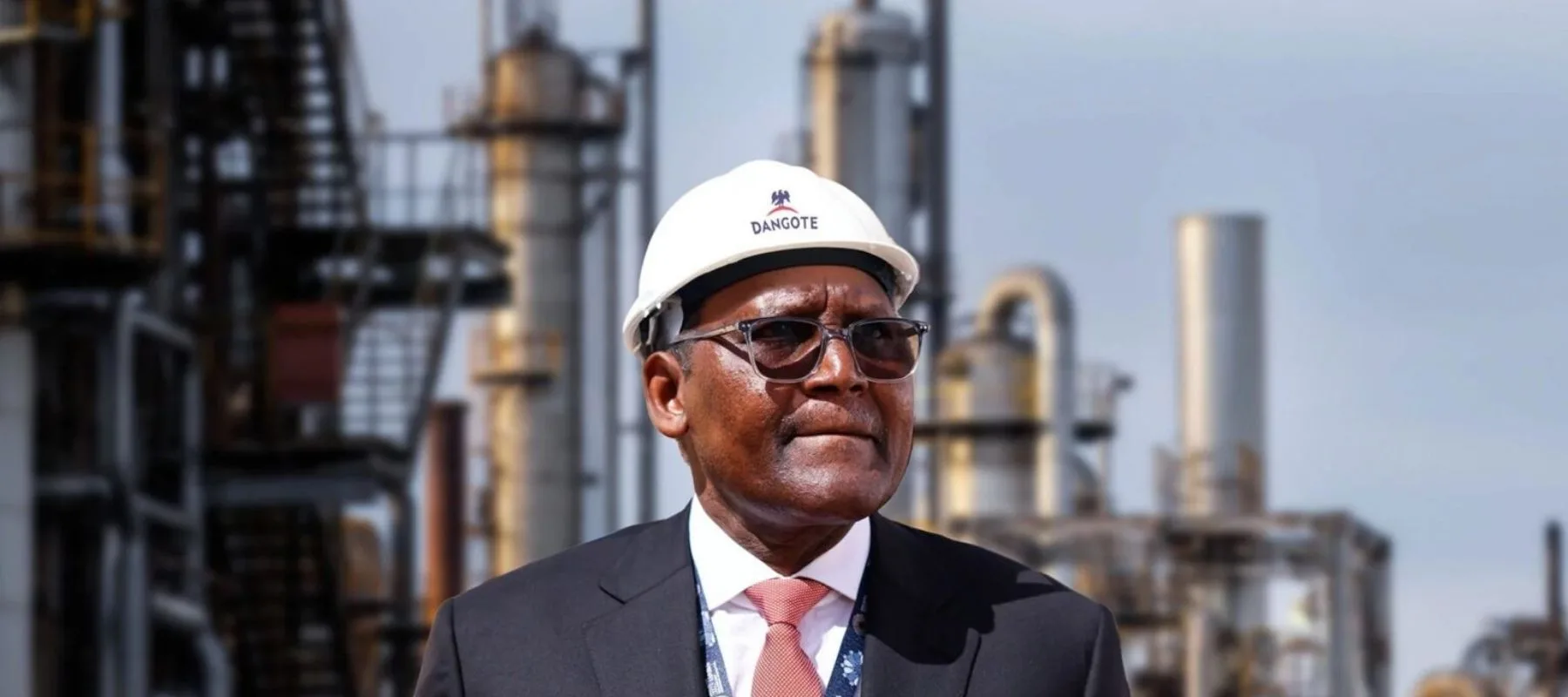
The Dangote Petroleum Refinery has jolted Nigerians with a ₦100 increase in the price of premium motor spirit (PMS), commonly known as petrol, a little over one month after announcing a major price cut that brought temporary relief to consumers.
Under the new pricing regime, the refinery raised its gantry price from ₦699 per litre to ₦799 per litre, with petrol now selling at ₦839 per litre at MRS Oil Nigeria Plc filling stations nationwide. The adjustment effectively ends the brief respite enjoyed by motorists who had been buying petrol at ₦739 per litre following the refinery’s December 21, 2025, price announcement.
For many Nigerians, the hike will come as an unpleasant shock. After weeks of relative relief at the pump, motorists who had grown accustomed to paying ₦739 per litre at MRS stations woke up to ₦839 on Tuesday, January 27, underscoring the fragile nature of price stability in the deregulated fuel market.
The December price reduction had a wider impact on the downstream petroleum sector, forcing other marketers to slash their prices in order to survive in an increasingly fierce and competitive market. Industry observers warn that the latest hike by the Dangote Refinery may once again influence the broader market, potentially triggering fresh price increases by other marketers.
If that happens, Nigerians may soon find themselves spending significantly more at the pump after enjoying only a brief period of relief.
In explaining the adjustment in a statement on Monday evening, January 26, the refinery said the earlier price cut was a deliberate and temporary intervention during the festive season to cushion households at a time of heightened spending. With the festive period concluded, prices were “modestly realigned to sustainable levels” to support long-term market stability and affordability.
The refinery has maintained that it continues to supply the domestic market with approximately 50 million litres of PMS daily, adding that nationwide evacuation and distribution remain normal. It also said its design flexibility allows it to process a wide range of crude and intermediate feedstocks, ensuring uninterrupted supply even during planned maintenance activities.
The latest development highlights the realities of Nigeria’s post-subsidy fuel regime. Since President Bola Tinubu declared an end to the fuel subsidy regime in his inaugural address on May 29, 2023, petrol prices have been largely determined by market forces. That policy shift triggered an almost 500 per cent spike in fuel prices, leaving petrol significantly more costly and highly unstable.
While the Dangote Refinery has positioned itself as a stabilising force in Nigeria’s downstream sector, the ₦100 petrol hike underscores the continuing tension between affordability, competition, and sustainability in the country’s evolving oil politics.