



Tune in to listen
Bounce FM

Music works differently to other art forms… By the time you remember the man or woman behind the music, the song has already done its work.
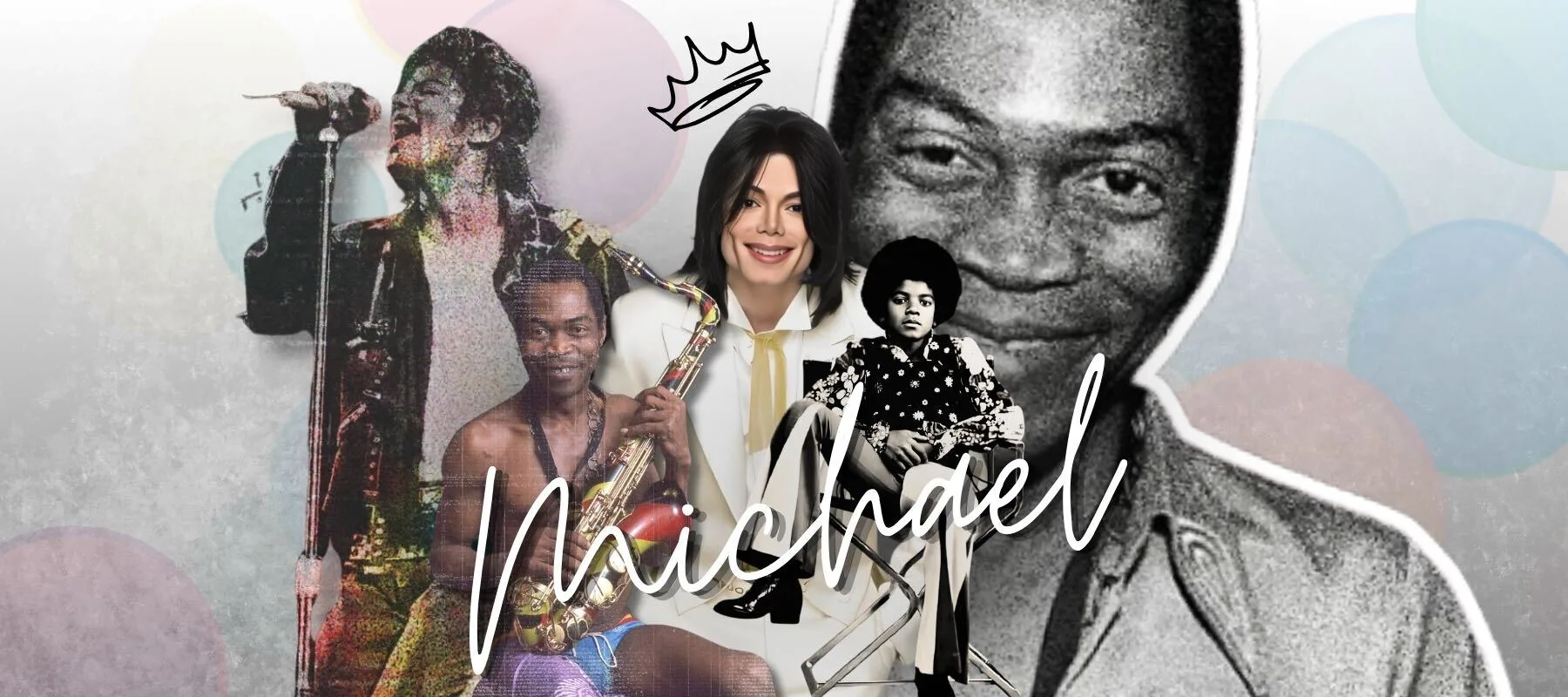
The numbers do not lie. Michael, the long-awaited biopic of Michael Jackson, universally regarded as the the King of Pop, opened last weekend to the biggest box office debut in the history of music biopics: $97 million domestically and $217 million worldwide in a single weekend. Fans danced in cinema aisles. Some wept. The people loved what they saw.
cried the whole movie. i’m in shambles. i need a minute #MichaelMovie pic.twitter.com/cU83WI2KTx
— ken 🫦 (@_kendramonet) April 26, 2026
Outside the theatres, however, not everyone was impressed.
Critics have been brutal, handing the film a 38% score on Rotten Tomatoes while dismissing it as a whitewashed portrayal of one of history’s most fascinating and complicated public figures. Their central complaint: the film makes no mention of the child sexual abuse allegations that followed Jackson for much of his adult life. Scenes that originally addressed the accusations were cut due to legal concerns. For critics, that omission disqualifies the film from being taken seriously as a biography. “Failing the honesty test, Michael fails the ‘portrait of the artist’ test as well,” one critic, who scored the film 0/4,wrote. Another critic, who scored the biopic 1.5/5, said: “This look at the King of Pop purports to go ‘beyond the music,’ but it never ventures past safe, officially sanctioned lines.”
But here is what the critics may be missing. The film covers Jackson’s life only from the 1960s to 1988, and its director has already hinted at the possibility of a sequel that may deal with later, more controversial chapters. The criticism assumes a complete portrait, but this is only part one of a larger story. Judging part one for what it did not cover in part two is a stretch, even by critical standards.
Still, if we are being honest, none of that really matters to the people buying tickets. More than 10,000 audience members gave the film a 97% score on Rotten Tomatoes For most of them, the question of what the film included or excluded was never the point. The music was. It always is.
This is not new behaviour. It is practically a tradition.
Afrobeat pioneer Fela Anikulapo-Kuti did not live a popular lifestyle when considering Nigeria’s conservative society, famously marrying 27 women simultaneously. But none of his personal messes dimmed the reverence Nigerians hold for him. His music became political language, which made it harder to discard the man without discarding the message. Felabration fills the New Afrika Shrine every October. His catalogue still generates significant income decades after his death. His family has received offers to sell his music catalogue and refused, because the demand remains that powerful. What has protected Fela’s legacy is not a clean personal record, it is “Zombie,” “Expensive Shit,” “Suffering and Smiling.” The music did what the man could not.
The same logic plays out wherever great artists and personal controversy collide. Bob Marley’s biopic, Bob Marley: One Love, carries a 42% critic score and a 93% audience score. Bohemian Rhapsody, the Freddie Mercury film critics called a dramatised concert programme, earned over a billion dollars. Audiences did not show up despite the messiness of those lives. They showed up because the music made them feel something that the controversy, however real, simply could not take away.
After the premiere of “Michael,” something extraordinary happened fans didn’t want to leave. Instead, they lingered, joining their voices to sing “Heal the World” and sharing heartfelt embraces.
It was a moving reminder that his legacy continues to unite people through peace,… pic.twitter.com/Ezkwa1cT4C
— HELEN JOE (@Style_Byhelen) April 28, 2026
Why does this keep happening? Because music works differently to other art forms. It does not ask for your permission. It arrives in your body before your brain has a chance to process it. Before your brain catches up, your body is already moving to “Thriller.” Same goes for “No Woman No Cry” and “Water No Get Enemy.” By the time you remember the man or woman behind the music, the song has already done its work.
Critics are right that complicated artists deserve complicated stories. But fans are also right that a great song belongs to everyone who has ever felt it regardless of who made it, and regardless of what that person did next or before. These two things are both true. But only one of them gets to be right at the box office.