



Tune in to listen
Bounce FM

While the government stalls, the effects of having no accurate population data are showing up in places that matter most to ordinary Nigerians.
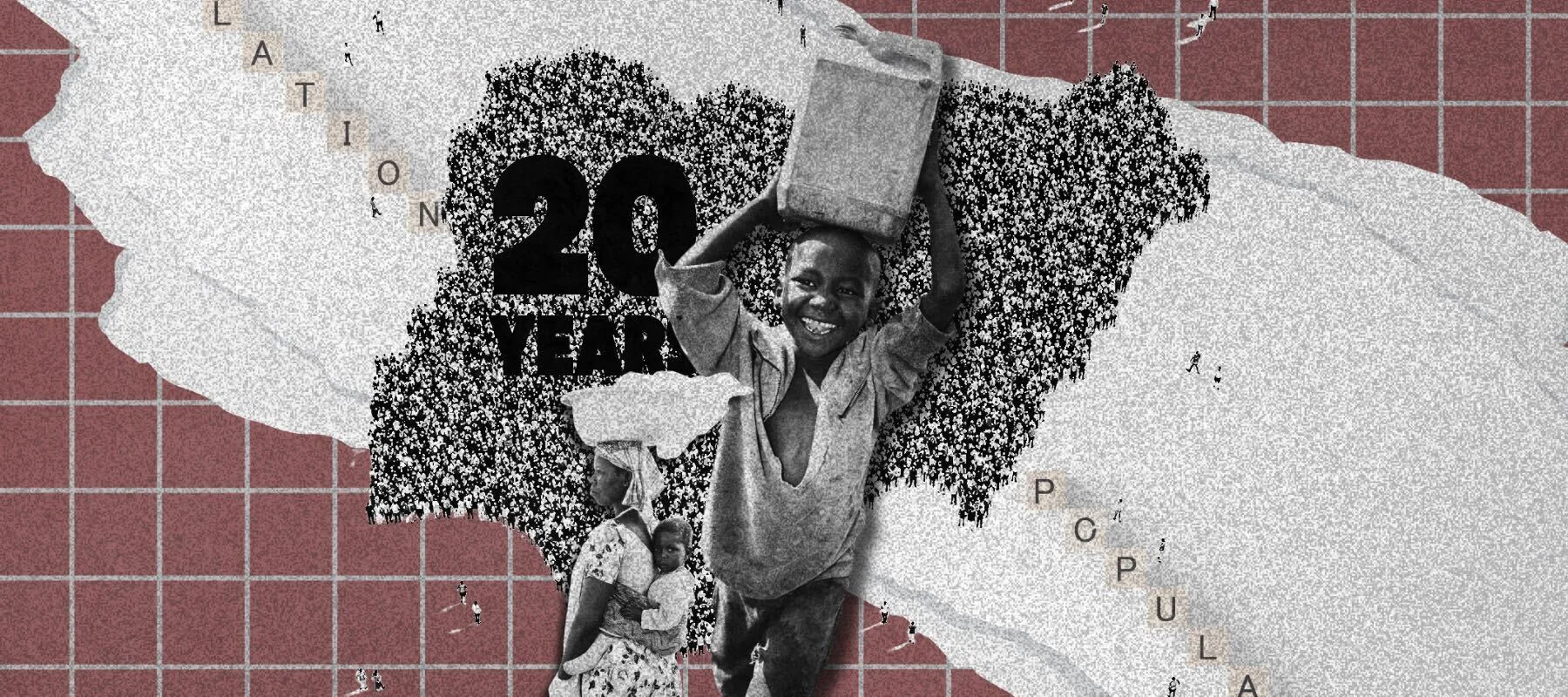
The last time Nigeria counted its people was March 2006. That exercise recorded a population of 140 million. Today, estimates put that figure somewhere between 220 million and 270 million — nobody actually knows. That gap is a governance failure that affects your school, your hospital, your road, your electricity supply, and your state’s monthly allocation.
Here is how we got here.
A census is ideally held every ten years. Nigeria missed 2016. It is about to miss 2026, making it two consecutive failures. The closest attempt since 2006 came in 2023, designed as the country’s first digital census, with 760,000 tablets procured and N224 billion spent. Days before it was due to begin, former President Buhari postponed it indefinitely, handing the problem to whoever came next.
President Tinubu inherited it, made the right noises, and then did very little. On April 16, 2025, he inaugurated a Presidential Committee on Population and Housing Census, giving it a three-week deadline to submit an interim report. That deadline expired on May 7, 2025. More than a year later, nothing has been heard from that committee. No report. No date. No proclamation.
Today, President Tinubu officially inaugurated a high-level Committee on the upcoming Population and Housing Census at the State House, Abuja. The Committee is tasked with ensuring that the next census is timely, credible, and aligned with the country’s financial realities. pic.twitter.com/Xahn86OGkA
— National Population Commission (@natpopcom) April 16, 2025
Meanwhile, those 760,000 tablets continue to gather dust in Central Bank of Nigeria vaults across the country, their batteries slowly dying.
And while the government stalls, the effects of having no accurate population data are showing up in places that matter most to ordinary Nigerians.
Economic development experts have said the government cannot plan for people properly when it does not know how many of them live somewhere. According to development economist, Dr Aliyu Ilias, the majority of decisions to develop and provide facilities for a country, states, or local government are based on the number of people using it.
“If we don’t have a census, we will be providing facilities where it is not needed, while people that need it, suffer,” he said.
"Everyone is talking about !n$3curity in Nigeria but the real truth is you can't secure a country you can't count. For almost 20 years Nigeria has been running bl! nd. There has not been a fresh census, no real number and no reliable data. We're f!&ht!ng insecurity with outdated… pic.twitter.com/161EFi4sBK
— 𝐀𝐬𝐚𝐤𝐲𝐆𝐑𝐍 (@AsakyGRN) November 26, 2025
Federal allocations shared monthly through the Federation Account Allocation Committee (FAAC) — the pool that funds everything from salaries to infrastructure — are distributed partly based on population. Those population figures are from 2006 or unreliable estimates. That means fast-growing areas are being systematically underfunded. Stagnant ones may be getting more than their share. Nobody can say for certain, because the numbers have not been updated in two decades.
Health planning depends entirely on knowing who lives where. How many pregnant women are in a local government? How many children under five need vaccines? How many elderly residents need primary care? Without a census, the answers are guesses.
For Lagos alone — a city that is believed to have added millions of residents since 2006 — the mismatch between available health infrastructure and actual population is visible in public hospitals who often lack enough bedspaces for patients. That overcrowding is partly a census problem. The state government does not have accurate data of the number of people in the state and cannot properly plan for their health. The same goes for the rest of the states in the country.
The number of classrooms needed, teachers to deploy, and out-of-school children to track all require knowing how many children exist and where they live. Nigeria already has one of the largest out-of-school children populations in the world. Without accurate census data, any intervention to fix that is a stab in the dark.
With the crisis raging on, Professor John Laah, a demography scholar at Ahmadu Bello University, Zaria, says the current government “needs a census more than any other government” but the administration does not seem to have a census as one of its priorities. “We don’t have the statistics to plan. The census must be regular to make it useful and appropriate for the government to plan for the deliveries of dividends of democracy,” Laah said.
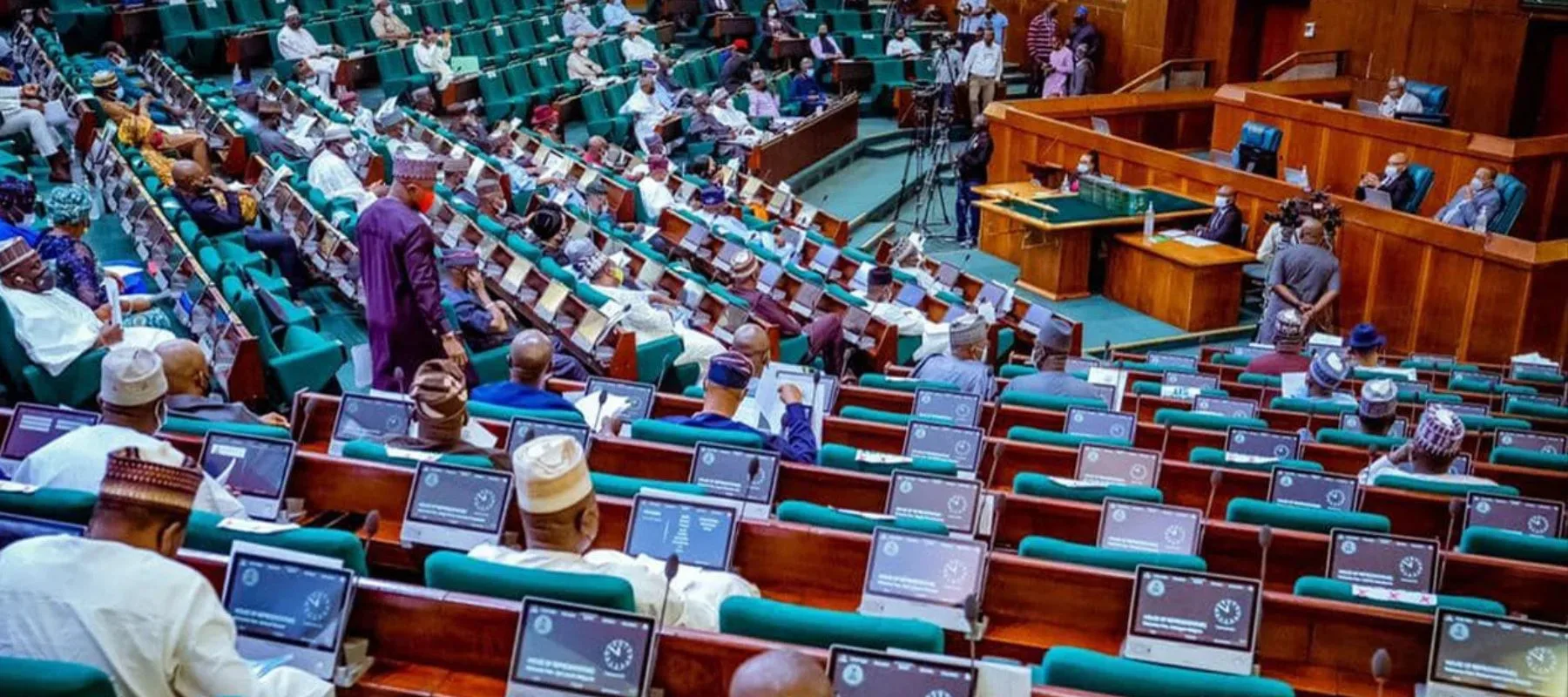
Electoral boundaries and legislative seats are tied to population data. That means census determines the number of House of Representatives seats assigned to your state and House of Assembly seats assigned to your local government. But constituencies across the country are still drawn on 2006 figures.
Two Decades, No Census: Open Alliance Urges FG, NASS to Conduct Population Census Ahead of 2027 Elections#GetInvolved #AskQuestions
PRESS STATEMENT
Thread! pic.twitter.com/EKxapfNbGS
— BudgIT Nigeria (@BudgITng) February 16, 2026
That means rapidly growing urban centres — Lagos, Abuja, Port Harcourt, Ibadan — are underrepresented in the National Assembly relative to their actual populations. So, the people who live there have proportionally less political power than they should. In a democracy, numbers are power. Outdated numbers are practically stolen power.
In May 2025, Senate President Godswill Akpabio called the situation “a national embarrassment.” “Sometimes you will go to some places, and they will say 250 million Nigerians. At another place, they will say you people are over 270 million. Some African countries think we are over 300 million,” Akpabio said, acknowledging the confusion that comes with the guesswork that Nigeria currently relies on.
Senator Abdul Ningi of Bauchi central went further, calling it “a national disgrace.” But these strong words have not yet moved anyone to set a date a year later.
Nigeria has entered the 2027 election cycle still using 2006 population data. A census is not an exercise to fulfill all righteousness. It is how a country sees itself clearly enough to function. Nigeria has been squinting for twenty years and flying blind. That needs to change fast.