



Tune in to listen
Bounce FM

Here is what week two looked like for the 10 African contingents at the 2026 World Cup.
If there is anyone who thought the expanded 2026 FIFA World Cup would be a case of quantity over quality, the conclusion of the second week proved them wrong. With less than 20 per cent of the 48 participating nations already guaranteed passage into the knockout stages after two rounds of games, there remains plenty at stake.
This World Cup has been, and will be, many unprecedented things, but it has not fallen short of what a global football festival ought to deliver on the pitch. It has coalesced generational talent into the same arenas, exposed the fading legs of legends still chasing one last chapter, brought coaches’ credentials under scrutiny, and held failing football federations to account. As we approach the separation of the toddlers from the boys in the final round of the group stage, here is what week two looked like for the 10 African contingents at the 2026 World Cup.
South Africa opened action in the second week by coming from a goal down to hold Czechia to a 1-1 draw, maintaining the flicker of qualifying for the knockout stage, while Morocco made a statement in their second outing, beating Scotland 1-0 in Boston courtesy of Ismael Saibari, who recorded the fastest goal of the tournament so far and Morocco’s fastest-ever at a World Cup. The victory took the Atlas Lions’ total World Cup wins to six, level with Ghana and Nigeria, and moved them level on points with Brazil in Group C, ahead of a date against Haiti for a place in the round of 32.
View this post on Instagram
Having secured the continent’s first win of the tournament, Côte d’Ivoire were left to lament missed chances in their 2-1 defeat to Germany in Toronto. The Elephants took an early lead through Franck Kessié and seemed poised for a famous result, before a late German fightback turned the game on its head. Emerse Faé’s side now need a positive result against Curaçao in their final group game to keep their knockout ambitions alive.
Tunisia became one of the early casualties of the tournament in the second round of games, following a bruising 4-0 defeat to Japan. The loss was also Hervé Renard’s first match in charge, having been appointed just days after Sabri Lamouchi’s dismissal. Meanwhile, Egypt produced one of the moments of the World Cup so far, registering their first-ever victory in the history of the tournament with a 3-1 win over New Zealand. Cape Verde continued to defy expectations, holding two-time champions Uruguay to an entertaining 2-2 draw in Miami, keeping alive what would be a historic qualification for the tournament debutants.
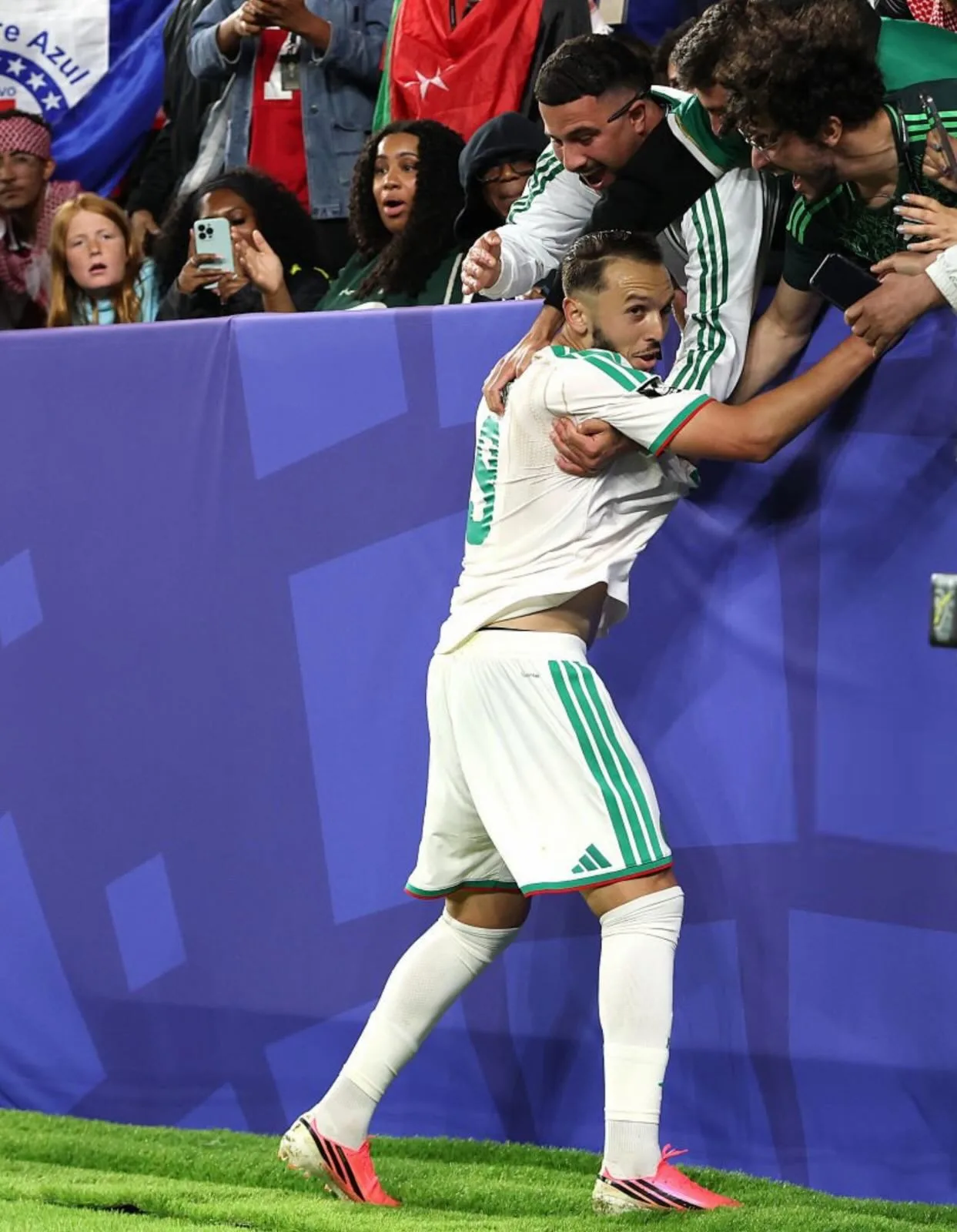
Elsewhere in Group I, the Teranga Lions of Senegal continued to confound expectations, falling 3-2 to Norway in Toronto in a second successive defeat that has left them facing elimination. Algeria, meanwhile, bounced back from Lionel Messi’s Argentina’s drubbing to beat Jordan 2-1 and set themselves up nicely for a place in the round of 32, should they get the right result in their final group game.
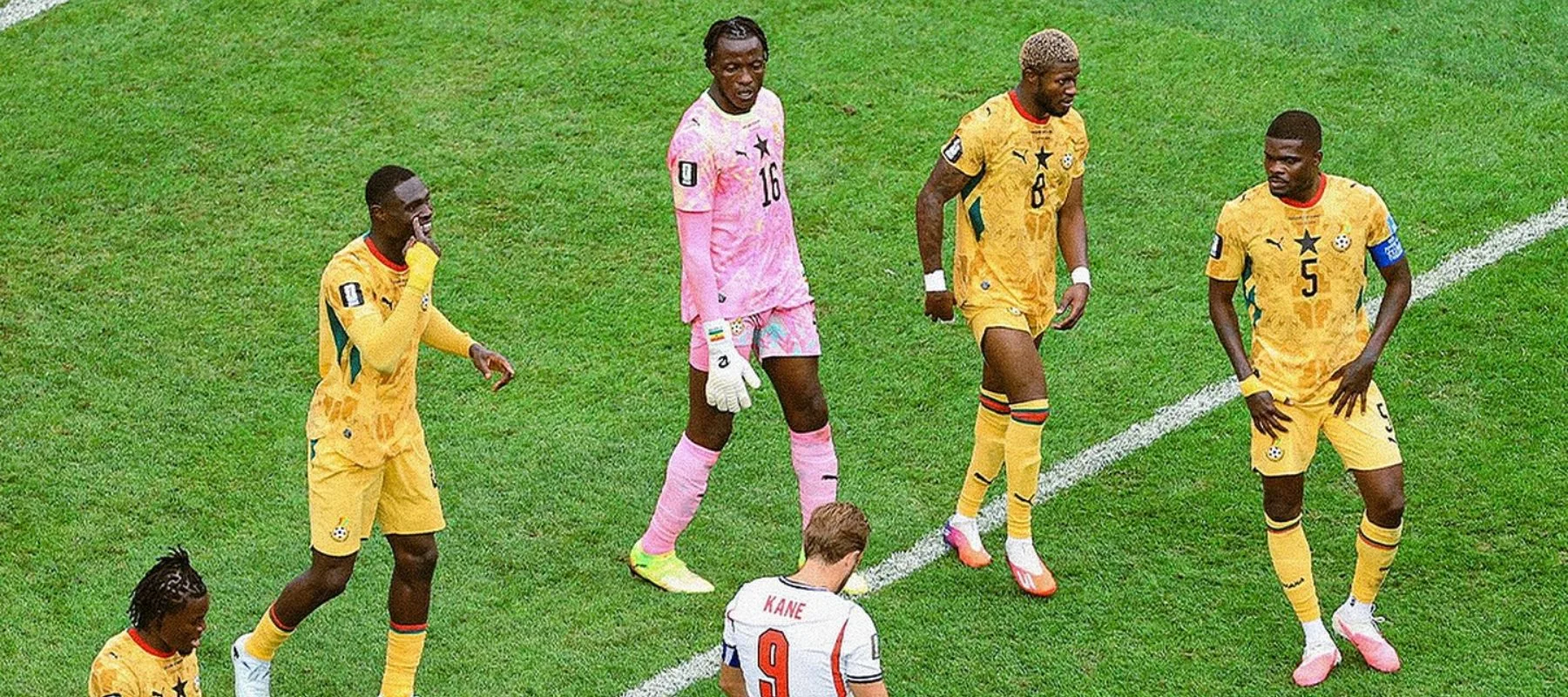
Similarly, Ghana defied expectations to hold England to a goalless draw in Boston in one of the most compelling and controversial matches of the second round. Carlos Queiroz’s side, bolstered by Thomas Partey’s return to the fray, were organised and disciplined to the point of obstinacy, absorbed wave after wave of English pressure, and left Gillette Stadium with a point that puts them joint top of Group L alongside England.
In Group K, DR Congo fell 1-0 to Colombia in Guadalajara, as Daniel Muñoz’s 76th-minute strike proved the difference in a hard-fought encounter. The Leopards remain on one point in the group and will need a result against Uzbekistan in their final game to stay alive.
View this post on Instagram
It was a mixed week beyond the pitch for Africa.
The arrival of Michel Nkuka Mboladinga, better known as Lumumba Vea, was one of the more uplifting stories of the tournament. The DR Congo superfan, who came to prominence at AFCON 2025 for standing completely still throughout entire matches dressed as a tribute to Patrice Lumumba, had been absent from the Leopards’ opening draw against Portugal because of health and travel complications tied to Ebola protocols in DR Congo, which led to a 21-day isolation period and delayed his entry into the United States. He made it in time for the Colombia game in Guadalajara, maintaining his statue pose throughout as the Leopards fell to defeat.
Elsewhere, the Senegal camp was roiled by reports of unpaid salaries and bonuses owed to players, as well as the revelation that head coach Pape Thiaw had been leading the national team without a contract since February and had gone five months without pay. It is a recurring affliction that has undermined African teams at major tournaments for decades, and it arrived again at the worst possible moment for a Teranga Lions side already under pressure. Thiaw eventually broke his silence ahead of the Norway game, insisting the matter had been resolved and that it was “never about money” but rather “a matter of principle and respect.” His side lost 3-2 regardless.
Morocco’s preparations for their second group game against Scotland were also overshadowed by off-pitch developments, after a French appeals court confirmed on the morning of the match that captain Achraf Hakimi would stand trial on a rape charge. The case dates back to February 2023, when a 24-year-old woman alleged that Hakimi had assaulted her at his home in a Paris suburb. The Versailles appeals court rejected Hakimi’s appeal against an earlier ruling, clearing the way for a full criminal trial, though a date has yet to be announced. Hakimi, who denies any wrongdoing, responded on social media, saying he felt he had “become an easy target” and that a story that was not his was being told “at the expense of my family, my life, and above all, the truth.” Morocco coach Mohamed Ouahbi opted to close ranks, saying the team were fully behind their captain. Should Morocco advance to the knockout stages and be scheduled to play in Canada, Hakimi could face entry complications similar to those that prevented Ghana’s Thomas Partey and Côte d’Ivoire’s Elye Wahi from entering the North American country with the rest of their teammates.