




Tune in to listen
Bounce FM

To make sense of what Uber’s exit means, The Grid looks at some of the questions the decision has raised, the answers we have, and what remains unclear.
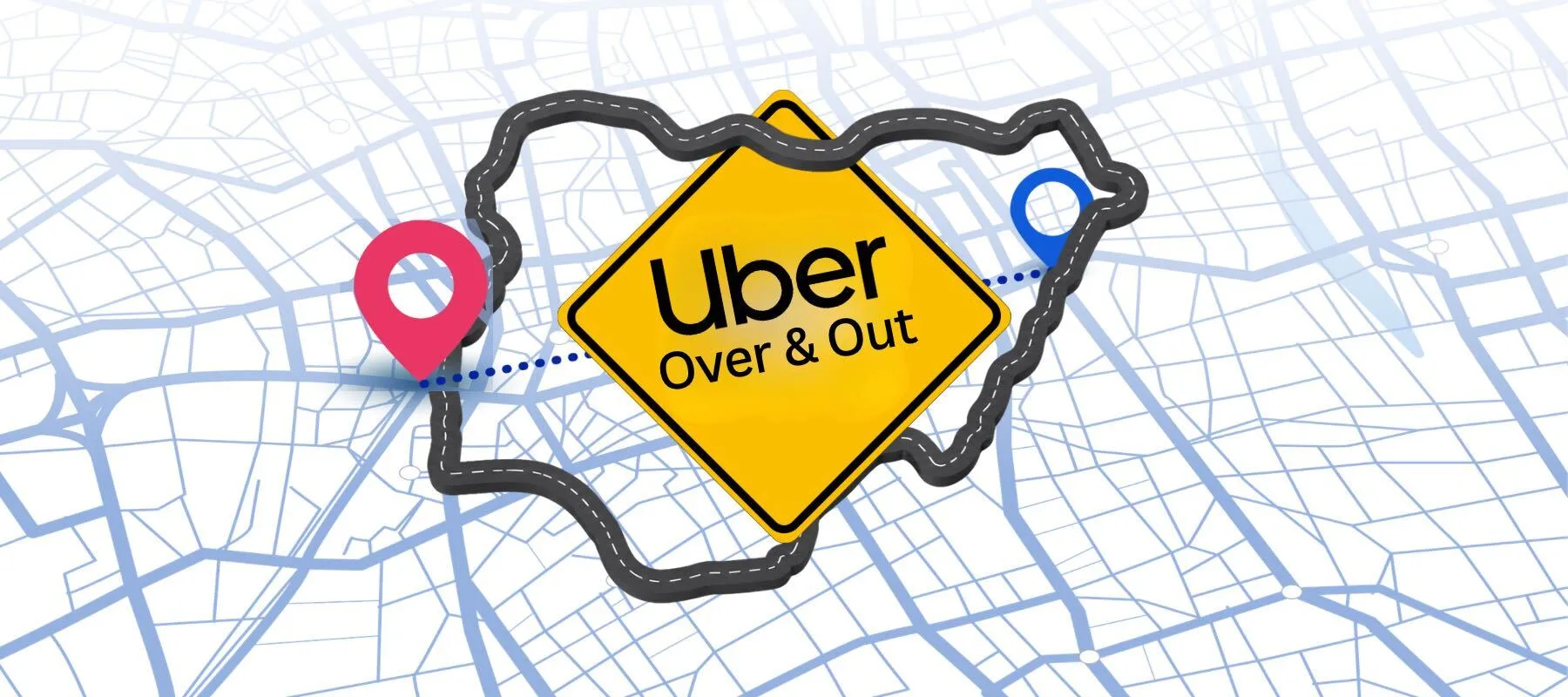
Like a bolt out of the blue, US-based ride-hailing company Uber effectively shut down its operations in Nigeria on Wednesday, September 2, bringing an end to a 12-year run in the country.
It was part of a larger restructuring decision that reduced its global workforce by 10%, even as the ride-hailing giant exited Uganda that same day. Uber’s restructuring now leaves it with operations in just four African countries — South Africa, Egypt, Ghana and Kenya — after earlier withdrawals from Tanzania and Côte d’Ivoire.
“After a thorough review, we have taken the difficult decision to wind down operations in Nigeria and Uganda, effective September 2, 2026,” Uber’s statement reads. “Our immediate priority is supporting drivers, riders, and local team members throughout this transition.”
Over the past 48 hours, Uber’s abrupt exit from Nigeria has sparked concerns over the future of transport and mobility in the country, with diverse reactions from commercial bodies, its competitors, and users. To make sense of what Uber’s exit means, The Grid looks at some of the questions the decision has raised, the answers we have, and what remains unclear.
For a company that has held such an essential place in the everyday mobility of many Nigerians over the past 12 years, one would imagine that the winding down of such an infrastructure would include some form of prelude or notice to its drivers and customers, and not a sudden closure of its operations in the middle of the day. Yet, that’s exactly how Uber’s exit played out in Nigeria.
According to multiple accounts observed on social media and TechCabal’s reporting, several drivers and riders were mid-trip when they first heard of the decision, while some customers only became aware after the shutdown had already taken effect.
While further reports suggest that the US-based mobility company has offered its drivers a one-off discretionary goodwill payment as they transition from the platform, one can only imagine the level of uncertainty many drivers have been thrust into with the sudden exit of one, if not their biggest, platform for earning a living.
As one of the pioneers of ride-hailing in Nigeria, Uber’s exit from Nigeria would undoubtedly leave a void, which begs the question of whether the platforms still in the market will be able to fill it squarely.
While players like Bolt have reiterated their commitment to the Nigerian market, it remains to be seen how much of that void they will be able to fill.
After all, this is a market where over 2,500 ride-hailing companies have reportedly attempted to compete, only to fail, since Uber entered the country in 2014.
There’s no such thing as a shock exit or shutdown of a business in Nigeria, where the realities of sustaining operations for many businesses have worsened in recent years, courtesy of currency volatility, inflation, recession, and a middle class that has shrunk into an almost non-existent consumer base.
For context, of the 13 businesses that shut down in H1 2026 for varying reasons, Nigeria leads the list with three, the most of any country, per the State of Africa report by TechCabal Insights. While these figures don’t exactly offer a supporting case to the claim, the recent exits of food-tech companies like FoodCourt and GoLemon, which reportedly shut down due to an increasingly difficult operating environment in Nigeria, are another indication of the country’s challenging market atmosphere.
However, Uber didn’t provide an exact reason, though it’s anyone’s guess what it is that made the most populous country on the continent dispensable after 12 years.