




Tune in to listen
Bounce FM

The release of hostages and prisoners is only the first phase of the peace plan, as the US and Israel want Hamas to relinquish its arms.
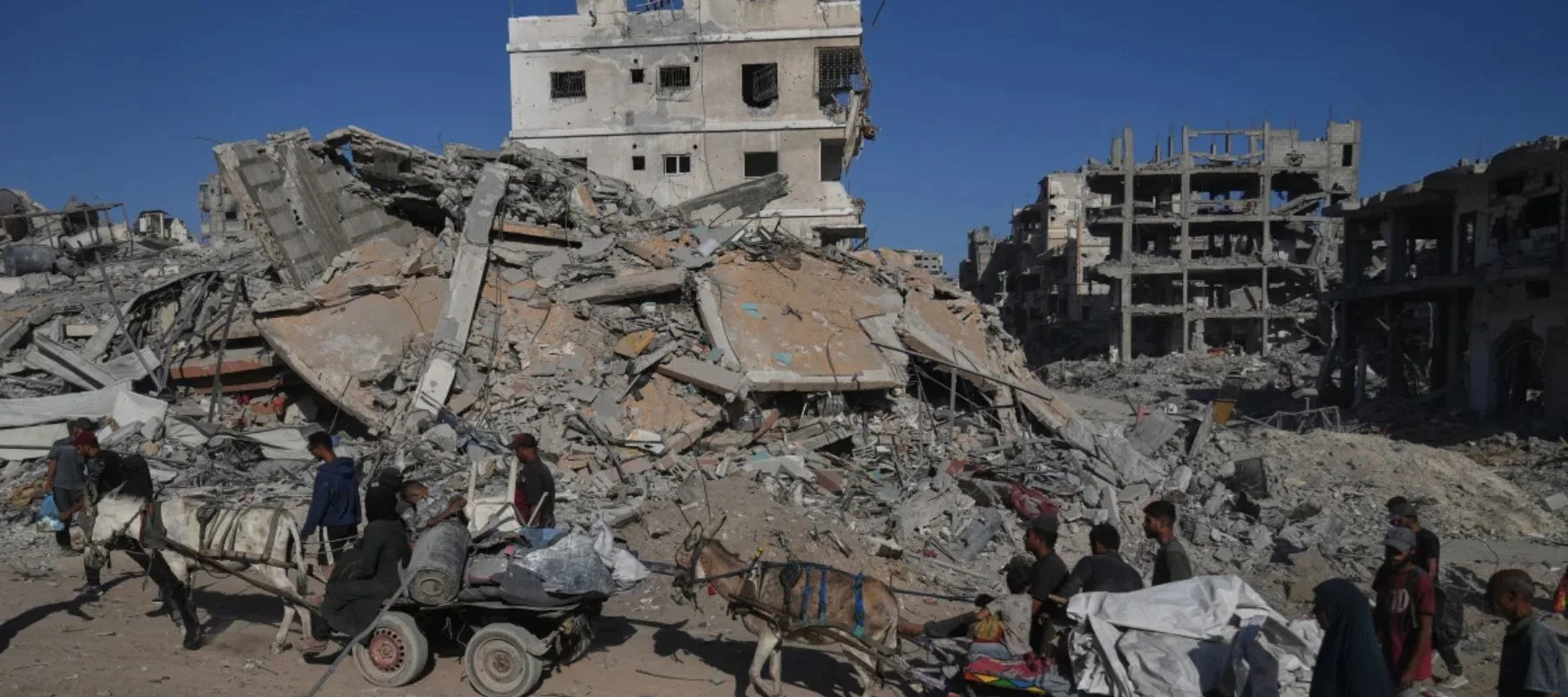
Today, Monday, October 13, 2025, there was renewed hope for peace in the Middle East for the first time in two years after Israel and the Palestinian resistance group Hamas exchanged hostages and prisoners following a brutal war that led to tens of thousands of deaths in Israel and Gaza.
An Israeli onslaught on Gaza and other Palestinian territories was launched on October 8, 2023, after an attack by Hamas fighters on October 7, 2023, at a concert in Israel killed 1,139 people and led to about 200 being taken captive. The Israeli offensive since October 2023 killed at least 67,000 people and wounded 170,105 in Gaza, leading to accusations of genocide by critics across the globe — charges which Israel repeatedly denied.
The conflict came to an end last Friday, October 10, 2025, after Israel and Hamas agreed to the first phase of a ceasefire plan brokered by United States (US) President Donald Trump that would see the release of all hostages and a withdrawal of Israeli troops to a mutually agreed line in Gaza.
The first phase was executed today as 20 remaining living Israeli hostages were released by Hamas, while Israel released 250 Palestinians serving time in its prisons and 1,700 detained in Gaza.
When Hamas attacked innocent Israeli concertgoers and residents in their homes on October 7, 2023, many countries and people across the world expressed outrage over the bloodshed and stood in solidarity with Israel. But as Israel responded with constant bombardment of Gaza and other cities in Palestine and an aid blockade, it gradually lost global support.
After international pressure mounted, Israel allowed humanitarian aid to resume entering Gaza in May, primarily through the controversial US-backed Gaza Humanitarian Foundation (GHF). But aid organisations that had worked inside Gaza during and before the war said GHF did not have the experience to operate effectively inside the conflict zone and that more aid was needed.
As if to confirm these criticisms, humanitarian aid distributions by GHF were often chaotic and deadly. In July, at least 20 people were killed in a crush at an aid distribution centre in southern Gaza, according to the organisation and a local hospital. Eyewitnesses also reported how aid points in Gaza became “death traps” for Palestinians, including children, seeking assistance. Doctors Without Borders/Médecins Sans Frontières (MSF), an international medical humanitarian organisation, also revealed that its staff at two clinics in Gaza regularly received mass influxes of casualties following violence at sites run by GHF, describing the aid distribution points as sites of orchestrated killing.
How the Ceasefire Deal Came Together
On September 29, the US released a 20-point peace plan — which Israel agreed to — to end the war in Gaza and warned Hamas to accept it or face destruction. Qatar, Egypt, and Turkey subsequently urged Hamas to give a positive response to Trump’s proposal for bringing the war to an end.
Last Wednesday, October 8, after negotiations between US representatives and Hamas officials, the latter agreed to release all Israeli hostages, prompting the US president to announce that both warring parties had agreed to halt hostilities.
"I am very proud to announce that Israel and Hamas have both signed off on the first Phase of our Peace Plan… BLESSED ARE THE PEACEMAKERS!" – President Donald J. Trump pic.twitter.com/lAUxi1UPYh
— The White House (@WhiteHouse) October 8, 2025
The announcement kick-started a timeline that led to Israeli forces withdrawing to an agreed line, ceasing all fighting, and releasing Hamas prisoners on Monday as the Palestinian resistance group also freed the hostages in its captivity, leading to new hopes of a lasting peace.
Notably, this is not the first time both sides have ceased fire. Just before Trump began his second term in office, an agreement reached in January failed in March as Israel and Hamas accused each other of violating the terms of the ceasefire deal, leading to the resumption of hostilities that caused thousands more deaths in Gaza. Still, Trump has expressed hope that the latest agreement would mark “eternal peace” in the Middle East.
The release of hostages and prisoners is only the first phase of the peace plan, as the US and Israel want Hamas to relinquish its arms. Trump travelled to Egypt on Monday to meet with at least 20 other world leaders to discuss what comes next in the region to ensure stability and prevent the resumption of hostilities. Part of the U.S. president’s peace proposal includes his plan to chair a transitional “Board of Peace” that would govern Gaza, with the aim of eventually transferring governance to Palestinian technocrats.
But Hamas leaders have pushed back on this plan, saying only Gazans should govern Gaza. The talks in Egypt are expected to determine the future of the conflict — whether it restarts soon or ushers in an enduring peace.