



Tune in to listen
Bounce FM

The timeline of terror in the state tells a story of escalating violence.
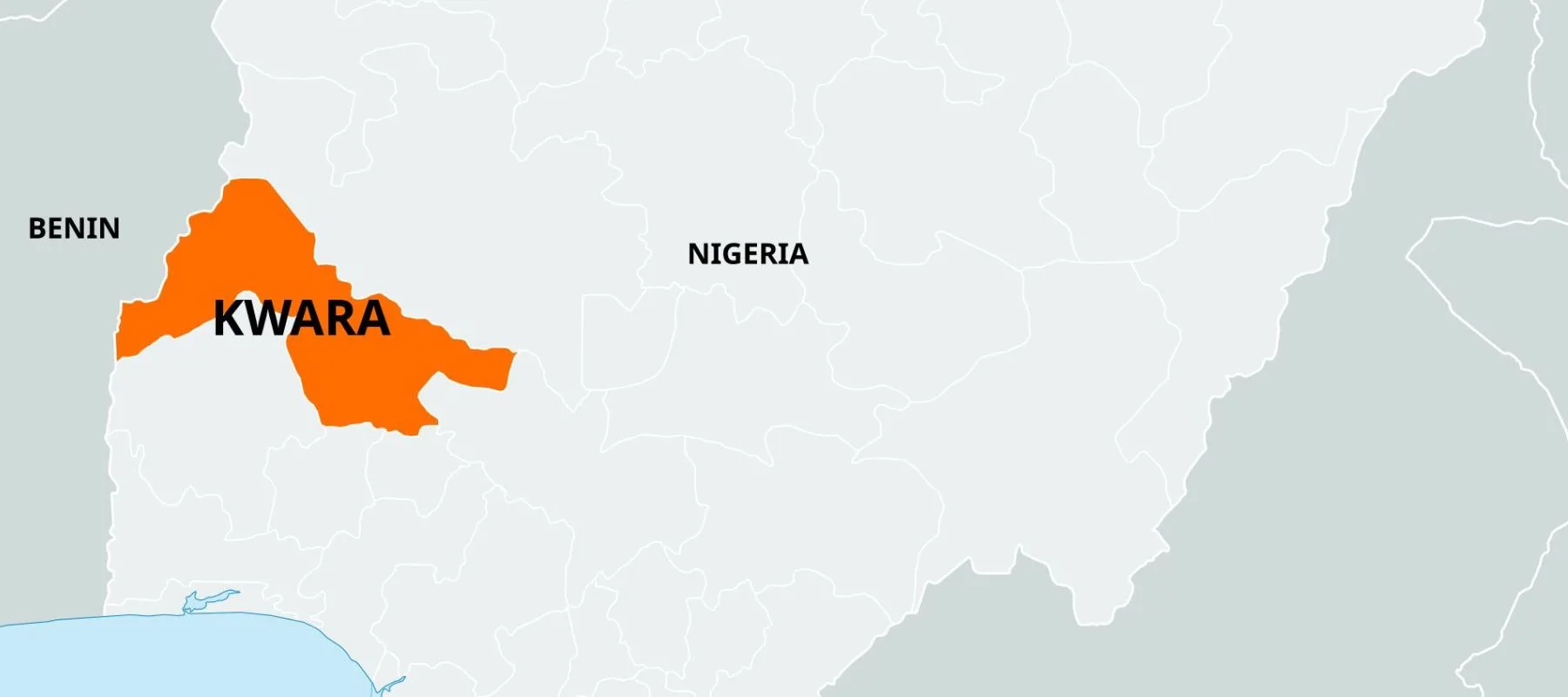
For more than a decade, most Nigerians outside the North-Eastern and North-Western parts of the country only heard or read about terrorist attacks in those regions. It often felt distant, almost unreal. That is no longer the case. In recent years and months, these terrorists have expanded into areas that were once considered out of reach, especially the North-Central, including states like Benue and, more recently, Kogi and Kwara.
Of all these states, Kwara’s case is the most concerning at the moment. Once known as the “State of Harmony,” Kwara was relatively peaceful until last year. The past year, however, has revealed a brutal pattern of persistent terrorist attacks that has transformed the state into one of Nigeria’s newest security flashpoints.
The timeline of terror in Kwara tells a story of escalating violence. In January 2025, residents in Igbaja and other villages in the southern part of the state were victims of multiple terrorist attacks, turning the once-peaceful communities into a hub of violence. April 2025, the Mahmuda terrorist group, a Boko Haram splinter faction, attacked Duruma village. On June 30, 2025, a deadly confrontation between terrorists and security forces in Gada Woro, along Patigi Road near Gbugbu town in the Edu Local Government Area of the state left three vigilantes dead and several security operatives injured. By August, more than 200 militants stormed Babanla, overran the Divisional Police Headquarters, killed five people, including a police officer, and forced more than 3,000 residents to flee. In September, bandits killed 11 forest guards and a community head. October brought an ominous development when Jama’a Nusrat ul-Islam wa al-Muslimin (JNIM) — an Al-Qaeda affiliate from the Sahel — claimed its first attack in Nigeria, killing a soldier in Kwara State. In November, terrorists attacked a church in Eruku, Kwara South, killing two worshippers and abducting 38 others, including the pastor. Barely a week later, Isapa, a neighbouring community in Ekiti Local Government Area, suffered an attack, in which at least 11 residents, including a pregnant woman, nursing mothers, and several children, were captured.
Then came the massacre that shocked the country and beyond. On Tuesday, February 3, 2026, gunmen stormed Woro and Nuku villages in Kaiama Local Government Area of Kwara State. At least 162 people were reportedly killed. Victims were tied up and shot execution-style, according to eyewitnesses. Chief Umar Bio Salihu, the local head of Woro in Kwara State, recounted how his two sons were killed in front of his house, while his wife and three daughters were taken into the bush. The attack lasted for hours without any security intervention.
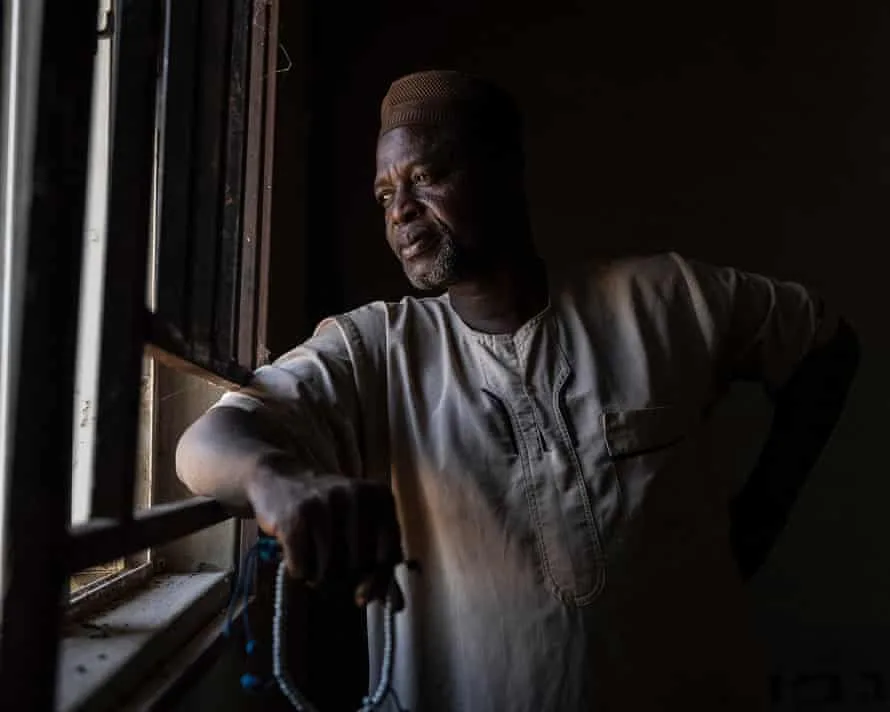
What makes the massacre particularly vexing is that it was likely preventable. Residents had raised the alarm for months. Community members consistently alerted traditional authorities, local government officials, and the state government about armed strangers occupying nearby forests. No meaningful action was taken.
“Before these attacks happened, our youths went to the traditional ruler many times to report that strange people were gathering inside the forest close to our villages,” one resident said. “They did not only stop there. They also informed the local government council and the state government. Everybody knew, but nobody came to protect us.”
Following the massacre, the response from the presidency and the police came with an urgency that might have saved lives had it arrived months earlier. President Bola Tinubu ordered the deployment of an army battalion and approved “Operation Savannah Shield.”
Nigerian troops have been deployed to Kaiama, Kwara State, following the directive of President Bola Ahmed Tinubu, GCFR, to protect lives, restore peace, and safeguard communities. Military authorities are working closely with local leaders to ensure security, rebuild confidence,… pic.twitter.com/ENikPp1ANd
— Presidency Nigeria (@NGRPresident) February 6, 2026
Similarly, in a statement on Thursday, February 5, the Inspector-General of Police, Kayode Egbetokun, announced the deployment of tactical and intelligence assets to Kaiama.
IGP EGBETOKUN ORDERS IMMEDIATE DEPLOYMENT OF TACTICAL AND INTELLIGENCE ASSETS TO KAIAMA, KWARA STATE
⁃Assures that perpetrators will be apprehendedThe Nigeria Police Force strongly condemns the violent attack that occurred on Tuesday, 3rd February, 2026, in Kaiama Local… pic.twitter.com/HdXkv6CH5f
— Nigeria Police Force (@PoliceNG) February 5, 2026
All of this came too late. Soldiers arrived after at least 162 people had been killed. The promises came after the attackers had melted back into forests they had occupied for months.
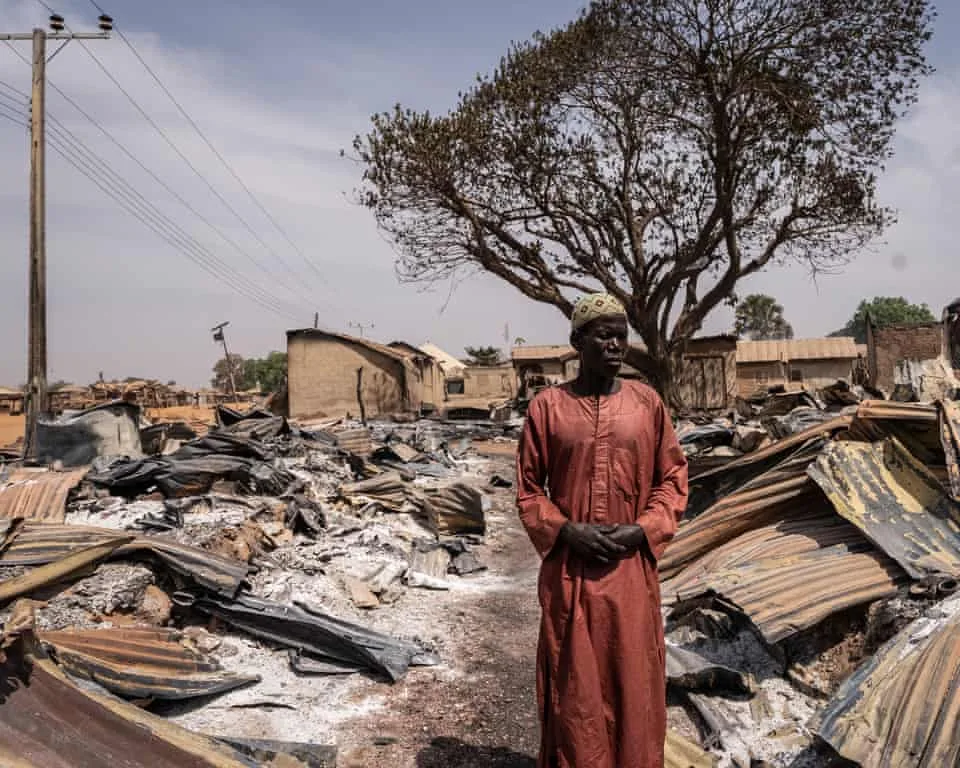
The expansion of terrorist activities into Kwara carries profound implications for Nigeria’s national security. Many states today may still feel far removed from these attacks, just as Kwara did only two years ago. But Kwara’s proximity to the South-West makes this trend especially alarming. If that sounds exaggerated, consider what happened in neighbouring Oyo State in January.
On January 6, about 12 armed assailants killed five forest guards of the National Park Service at Oloka Village. Governor Seyi Makinde confirmed that it was a cross-border attack carried out by bandits. Then, on January 25, gunmen attacked a police patrol team at the Budo Masalasi Border Post, killing Inspector Aliu Oluwole and seizing his AK-47 rifle. Governor Makinde himself raised the alarm that bandits from the North-West were fleeing into Oyo State due to military pressure, relocating southwards. With Oyo so close to Lagos and Osun, this dangerous trend cannot be taken lightly. Terrorists are moving, expanding, and testing new territories. What feels far today could be devastatingly close tomorrow.
Terrorist groups — including Boko Haram splinter factions, Islamic State affiliates, and Al-Qaeda-linked organisations — are no longer confined to the North-East and North-West. They have established a presence in the North-Central and are now probing the defences of the South-West. Security agencies must step up efforts to reverse this troubling trend. But “stepping up” cannot mean responding only after massacres have occurred. It cannot mean deploying soldiers after entire villages have been wiped out.
What is required is proactive intelligence gathering, swift response to community warnings, sustained military presence in vulnerable areas, and coordination between state and federal security agencies that does not wait for body counts before taking action. The people of Woro warned authorities for months. They were ignored, and at least 162 of them paid with their lives. The lesson from Kwara is that no Nigerian state is out of reach of terrorists. The real question is whether Nigeria’s security architecture will learn this lesson before the next massacre — or after.