



Tune in to listen
Bounce FM

His success, if any, will depend heavily on his ability to navigate the treacherous political scene.
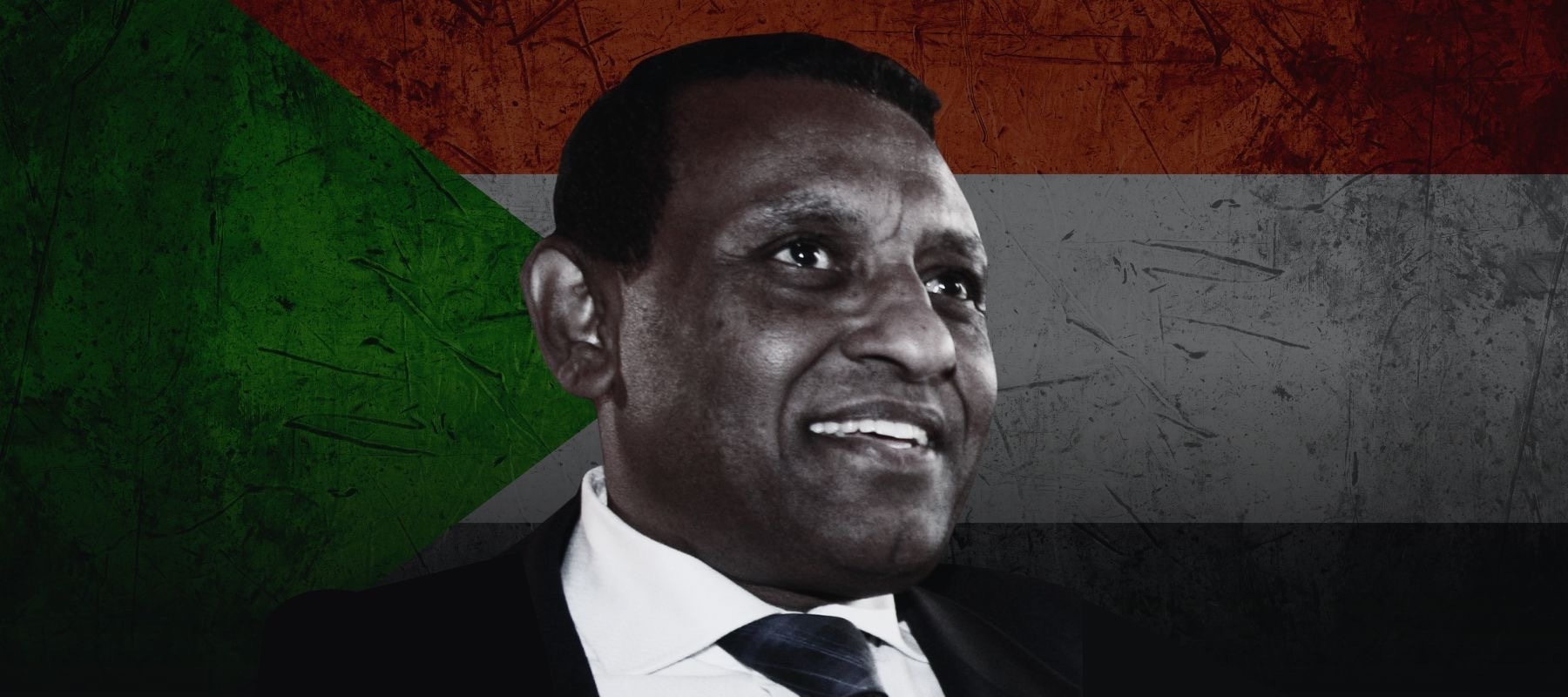
Sudan’s de facto military government has appointed former United Nations official and career diplomat Kamil al-Taib Idris as the country’s new Prime Minister. This appointment comes over two years into a brutal civil war that has ravaged the nation, displaced millions, and pushed it to the brink of humanitarian catastrophe. The decision by Army chief and head of the Transitional Sovereignty Council, General Abdel Fattah al-Burhan, marks the first time Sudan has had a prime minister since the 2021 coup that derailed a democratic transition and plunged the country into its current conflict.
The context of Idris’s appointment is deeply rooted in the escalating and increasingly complex war between the Sudanese Armed Forces (SAF) under al-Burhan and the paramilitary Rapid Support Forces (RSF) led by Mohamed Hamdan Dagalo, known as Hemedti. This conflict, which erupted in April 2023, has transformed Sudan into a battlefield, with tens of thousands killed and nearly 13 million people forced to flee their homes, making it one of the world’s worst humanitarian crises. Famine has been declared in some areas, and the health system is on the verge of collapse.
Recent happenings in the war have seen a shifting dynamic. For much of the conflict, the RSF held the upper hand, particularly in the capital Khartoum. However, the SAF has recently made notable gains. In March 2025, the army declared that it had retaken control of Khartoum, including key government buildings like the presidential palace and the airport, a significant symbolic and strategic victory. This offensive by the SAF, which began in late 2024, has pushed the RSF into a more defensive position in central Sudan, disrupting their supply lines and breaking sieges on several army bases.
Despite these recent military successes for the SAF, the war is far from over. The RSF continues to control large parts of the western Darfur region and some areas in the south, and has responded to the SAF’s advances with a new phase of warfare, including drone attacks on the strategic port city of Port Sudan, which serves as the administrative center for the military-led government and a crucial lifeline for aid. The RSF has also announced the formation of a rival administration, further solidifying the fears of a permanent partition of the country.
It is against this grim backdrop that Kamil al-Taib Idris, a seasoned diplomat who previously served as director-general of the UN World Intellectual Property Organization and held various roles in Sudan’s Ministry of Foreign Affairs, steps into the role of Prime Minister. His appointment is largely seen as an attempt by the military government to bolster its credibility, both domestically and internationally, and to signal a move towards a technocratic wartime government. Al-Burhan has expressed an intention to form such a government to achieve military objectives and ultimately transition to civilian rule.
However, the real power and authority Idris will wield remain highly uncertain. The military clearly dominates the government, and the appointment could be perceived as a veneer of civilian governance over a military-controlled state. While some observers believe Idris’s lack of strong political affiliations might make him more acceptable to various Sudanese communities, even those with sympathy for the RSF, the paramilitary group’s declaration of a rival administration demonstrates the deep fragmentation of the country and the formidable challenges facing any attempt at national unity or a comprehensive peace process.
The Chairperson of the African Union Commission @ymahmoudali Welcomes Appointment of Civilian Prime Minister in #Sudan.
The Chairperson of the African Union Commission, H.E. Mahmoud Ali Youssouf, takes note of the appointment of H.E. Dr. Kamil al-Tayeb Idris as Prime Minister… pic.twitter.com/fhGlP7gnID
— African Union (@_AfricanUnion) May 20, 2025
The international community, including the African Union and the UN Secretary-General, has welcomed the appointment, cautiously expressing hope that it will serve as a step towards inclusive consultations, the formation of a broad-based technocratic government, and finally, the restoration of constitutional order and democratic governance in Sudan. But with the guns still blazing and the humanitarian crisis deepening, Idris’s task is unenviable, operating within a deeply entrenched conflict where political will for genuine compromise remains elusive. His success, if any, will depend heavily on his ability to navigate the treacherous political scene and, critically, on the willingness of the warring factions to prioritize peace over power.