



Tune in to listen
Bounce FM

Over 170 convicted criminals were granted state pardons and clemency by President Bola Tinubu in October 2025.
In November 2017, the Nigerian Police charged Maryam Sanda with homicide and pressed for the death penalty for stabbing her husband, Bilyaminu Bello, to death. According to reports, Sanda, a mother of two, attacked Bello with a broken bottle, inflicting fatal wounds to his neck, chest, and genitals after accusing him of infidelity on November 19, 2017. The case became a high-profile and protracted trial, amid scrutiny from both influential families. The victim, Bello, was the nephew of Haliru Bello, a former National Chairman of the Peoples Democratic Party (PDP), while the accused, Sanda, was the daughter of Maimuna Aliyu, a former Aso Savings and Loans executive who became an accomplice to the crime by attempting to cover it up.
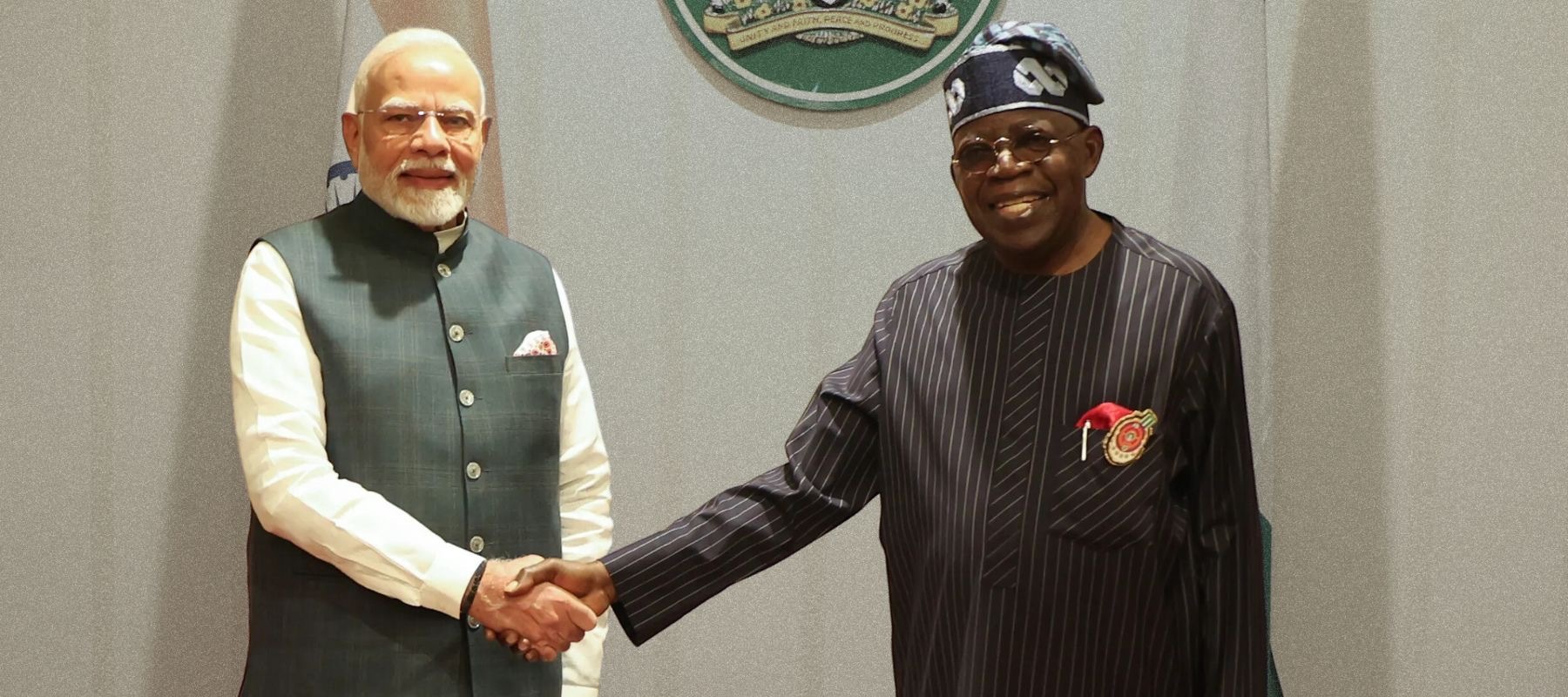
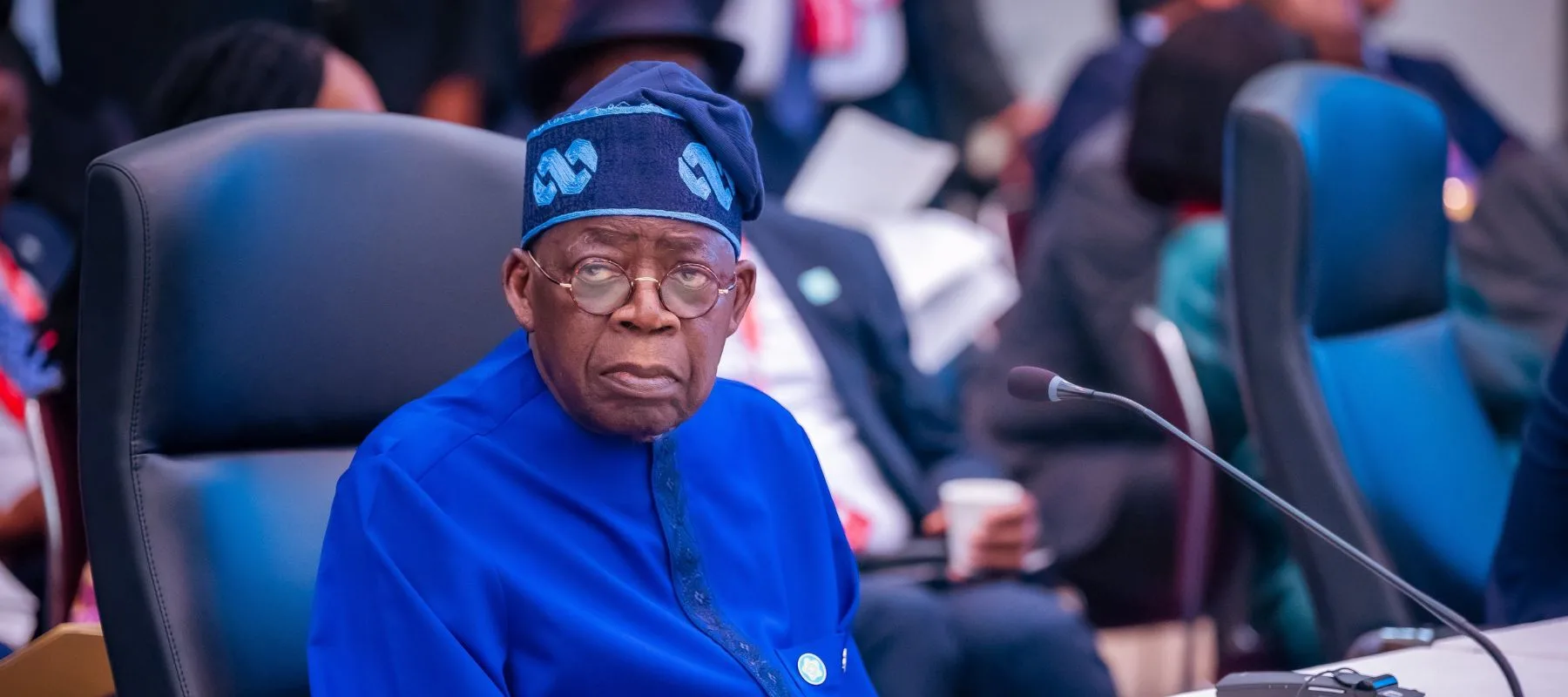
After over two years of judicial drama, stalled by Sanda’s deceitful escape from police custody for a few weeks under false claims of pregnancy, Justice Yusuf Halil eventually sentenced her to death by hanging on January 27, 2020. But the arms of justice would only be upheld for a little over four years. Early on in October 2025, President Bola Tinubu exonerated the 37-year-old of the premeditated murder on the recommendation of the Presidential Advisory Committee on the Prerogative of Mercy, chaired by the Attorney-General and Minister of Justice, Prince Lateef Olasunkanmi Fagbemi. The committee took into account her good conduct, remorsefulness, and an appeal based on the welfare of her two children.
In addition, over 170 convicted criminals were granted state pardons and clemency in President Tinubu’s October 2025 exercise, much to the dismay of the public. While the posthumous pardons granted to nationalist Sir Herbert Macaulay, Ken Saro-Wiwa, and the other Ogoni Eight were largely welcomed as long overdue, the larger chunk of the pardons has drawn criticism from citizens and opposition political parties alike. And rightly so.
For context, Kelvin Ibruvwe, a notorious kidnap kingpin who, according to Parallel Facts, was responsible for the 2013 kidnapping of lawyer Mike Ozekhome (SAN) and the murder of Chude Nwike, former Deputy Governor of Anambra State, was among those pardoned. Similarly, Alabi Akubo, a former Nigerian soldier tried around 2008 at a military court for stealing weapons worth ₦100 million from the Nigerian Army and selling them to terrorists, was another major beneficiary. One of Akubo’s many arms deals was linked to Sunny Okah, the brother of Henry and Charles Okah. Per Al Jazeera, Charles and Henry masterminded the 2010 Independence Day car bombing that killed 12 people and injured several others in the FCT. Henry was convicted by a South African court of conspiracy to commit terrorism and detonation of explosives.
The gravity of Akubo’s offences earned him a life imprisonment sentence at the Katsina Custodial Centre, but the president’s clemency commuted that sentence to 20 years under the claims of good conduct and remorsefulness.
At its core, the presidential pardon is a vital executive power that allows the incumbent to grant mercy for federal crimes. Section 175 of the Nigerian Constitution affirms this prerogative, provided it is exercised in consultation with the Council of State. However, because the power is largely unfettered and boundless, it often yields outcomes misaligned with public interest or the national good just as President Goodluck Jonathan did with the controversial pardon of the late Diepreye Alamieyeseigha.
Diepreye, the first civilian governor of Bayelsa State, was serving his second term when his impeachment, prosecution, and conviction paved the way for Jonathan, his deputy, to emerge as governor. Entangled in corruption and embezzlement charges in Nigeria, the United States, and the United Kingdom, Alamieyeseigha remained a felon until March 2013 when President Jonathan granted him a state pardon on the advice of the Council.
“We must begin to respect and honour our institutions. I don’t need to defend the action that has been taken,” Jonathan was quoted by Premium Times as saying. “It is not all the decisions parents take that are palatable for their kids. But with time, they will realise that their parents are right.”
In many ways, President Tinubu’s recent pardon strikes a familiar chord, given the magnitude of crimes perpetrated by the beneficiaries. According to data firm StatiSense, of the 175 granted presidential pardons in October 2025, 29.2 per cent were convicted of drug-related crimes, followed by illegal mining offences at 24% and homicide at 13.5%. Fraud and corruption cases made up 12.3%, while hijacking and other offences accounted for about 5.8% each.
While the presidential pardon remains the president’s constitutional right to exercise at discretion, Nigeria’s weak judicial framework and prevailing security situation make such leniency difficult to justify. Whatever trust remains in the enforcement agencies, courts, and correctional centres has been severely eroded by their age-old reputation for selective prosecution, frequent misfires, and sluggish processes. For instance, the Economic and Financial Crimes Commission (EFCC) has, despite its aggressive and controversial operational methods, recorded a worryingly low rate of conviction in the last five years.
More to the foregoing, the legal process involved in convicting or acquitting an accused is abominable. This was recently highlighted in the case of late Christiana Idowu, whose father recently cried out over the lack of progress and relevant updates in the prosecution of her accused killer, Ayomide Adeleye, a full year after the incident.
It is little wonder, then, that the country has become a hotbed for criminal activities across the board. Over the years, Nigeria’s ranking on the Global Peace Index has consistently reflected an unsafe environment for its inhabitants. The West African giant ranked 146th out of 163 countries in 2021 and still holds that position in the 2025 rankings. The Global Terrorism Index also ranked Nigeria as the sixth most terrorism-plagued nation globally.
Nigeria’s fractured justice system has, in many ways, entrenched a culture of impunity. By approving large-scale pardons for convicted criminals of this nature, President Tinubu will only deepen an already troubling precedent that is bound to worsen the country’s crime profile in every conceivable form.