



Tune in to listen
Bounce FM

Here are three consequences the Super Eagles’ absence at the 2026 World Cup poses for the nation, both as a footballing powerhouse and as a people.

The ship has sailed, and whatever hopes Nigerians had of their senior men’s team, the Super Eagles, participating at the 2026 World Cup have gone with the tides. The ticket, however arduous, was there for the taking, but the three-time African champions listlessly handed it to the Democratic Republic of Congo after losing 4 – 3 on penalties in the final of the African playoffs in Rabat on Sunday.
As a Nigerian football fan, the final proceedings at the Prince Moulay El Hassan Stadium still feel blurry, particularly the moment Leopards captain Chancel Mbemba fired his kick past Nwabali after Semi Ajayi missed the sixth round opener. It is all the more disappointing considering that Nigeria only reached this altar of national heartbreak after failing to secure one of Africa’s nine automatic qualification slots, a route that closed with South Africa edging them out for the group’s lone ticket.
As a result, the Super Eagles will miss the next World Cup tournament in North America in mid-2026, the second consecutive time following the heartbreak of missing the Qatar 2022 edition. Nigerians are justifiably livid, the players and coaches are no doubt still shaken and perhaps rueing a job that could have been done better, fellow African countries are trolling, and the Nigeria Football Federation —whose primary duty is to avoid such pitfalls — has characteristically sprung into its reactionary performances, just as it did in 2022. Whether Nigeria will fare better in the 2030 qualifiers is anyone’s guess. For now, though, here are three consequences this absence poses for the nation, both as a footballing powerhouse and as a people.
Missed Career-Leap Window for Players
While national prestige lost in situations like this can be recovered in time for any willing country, the impact on the players will linger. The World Cup, regardless of a player’s club pedigree or continental achievements, remains the biggest stage in football.
With most of the current crop of Eagles in the prime of their careers, a World Cup appearance is one of the few short-window platforms capable of elevating global reputation and perception. No current Super Eagles player (not even senior figures like William Troost-Ekong, Wilfred Ndidi and Alex Iwobi who featured at Russia 2018) is beyond the World Cup’s glamour and visibility.
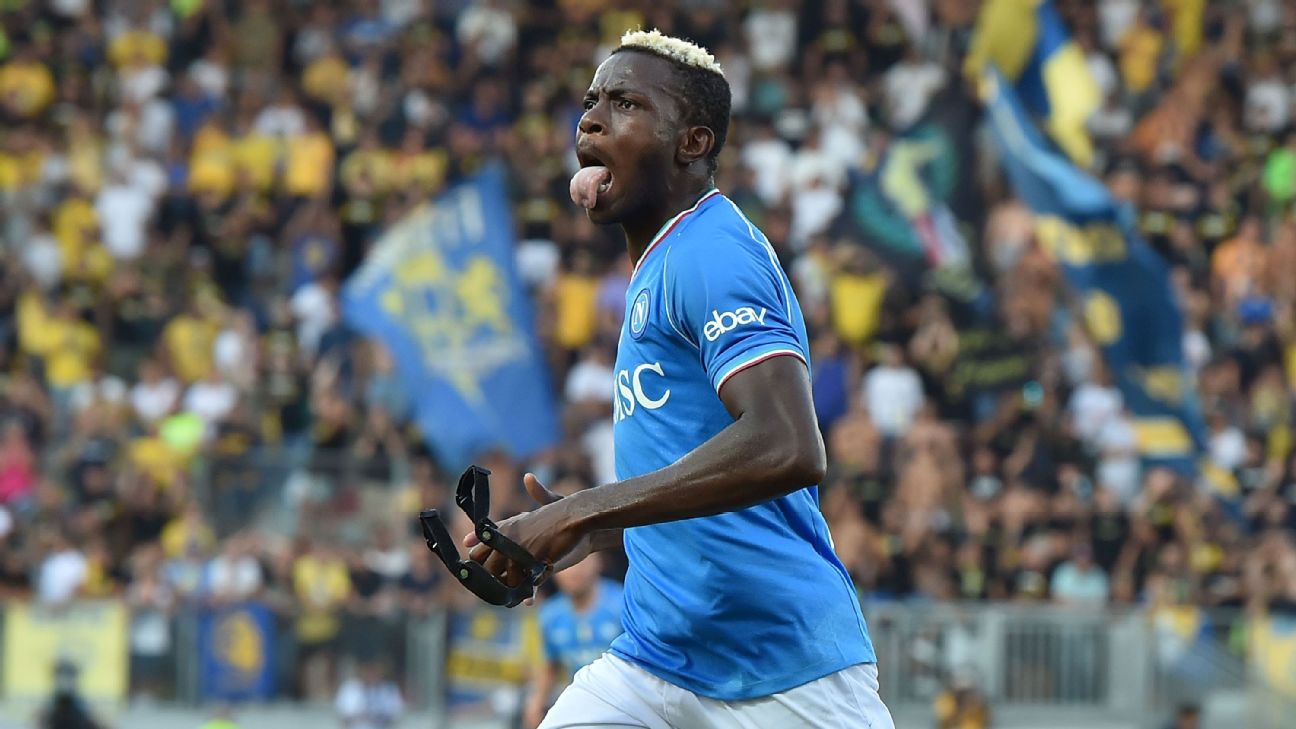
Their biggest star by every metric, Victor Osimhen, despite his global prominence, still lacks the traditional big European club credential. With many of these players set to be in the north of their thirties by the next Mundial in 2030, they would have lost a valuable individual window they may never recover from if nothing changes.
Revenue Loss
Per reports, all 48 teams that will compete at the 2026 World Cup in North America are promised a minimum participation fee of nine million dollars. The fee, which will be paid by FIFA to all qualified nations, is approximately 12.99 billion naira, a sum that will elude Nigeria and other countries that didn’t qualify. With the financial disbursements set to rise significantly as teams advance through the knockout rounds, the federation has lost a significant economic opportunity for the running of its flagship team. For a team that recently boycotted training over unpaid wages dating back to 2019, one can only imagine the financial mess the team is currently exposed to and how the World Cup qualification funds would have helped if used judiciously.
Another Blow to Diaspora Businesses
At the Qatar 2022 World Cup, where the Super Eagles were conspicuously absent, about 12,000 in the Middle East country, some of whom are business tycoons, media experts, restaurateurs, travel agencies and real estate players, were significantly affected, according to Al Jazeera. Nigeria’s participation would have provided a major boost for these established diasporans, but the late collapse to Ghana, sources told Al Jazeera, was a serious setback.
For next year’s edition, the business implications are even more pronounced since Nigeria has the largest African diaspora in the United States, one of the tournament’s primary hosts. While the planned ventures can still proceed by tapping into other qualified African markets as they did in 2022, it is known that no African community turns out quite like Nigerians.