



Tune in to listen
Bounce FM

According to Balmoral’s Adamu, the Portable-Carter Efe bout generated nearly one billion views globally across streaming and social media platforms.
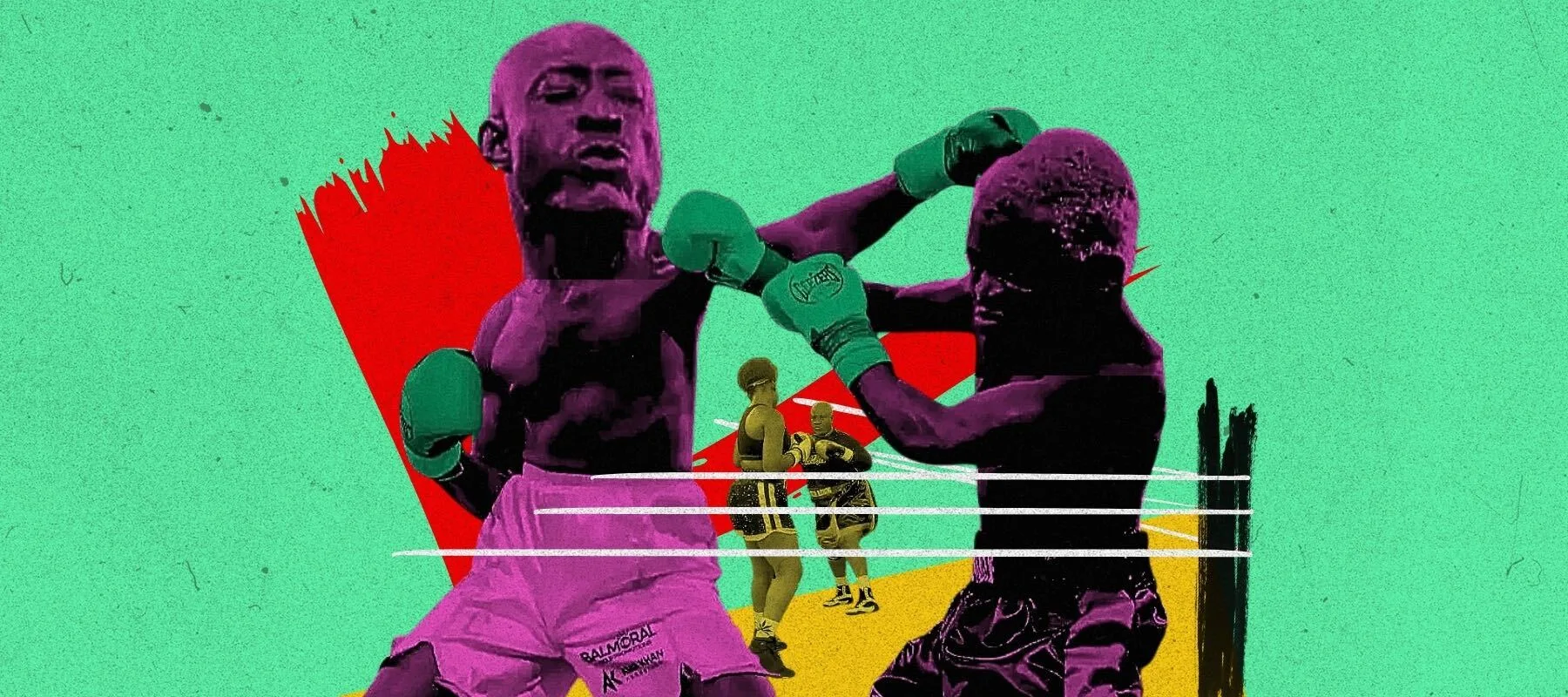
The ever-recurring conflicts between the Ijaw and Itsekiri ethnic groups in Delta State are as tangled a web as they come, but when two of the country’s top-ranked cruiserweights from either side of the Niger Delta, Ezra Arenyeka and Godday “Zodsolo” Appah, were billed to meet in a WBO Africa cruiserweight title “Peace Fight,” it ought to have renewed much-needed interest in the lingering tensions in the Warri region.
A boxing ring is an unlikely place to put decades-old ethnic conflict to rest, but the 10-round contest at the Balmoral Hall in Lagos on May 1 between Appah (of Ijaw ancestry) and Arenyeka (Itsekiri) was much about just that. For years before these professional boxers were even born, and long before Nigeria’s independence, these communities, including their neighbouring Urhobo, have been at odds over various issues, including aboriginal disputes, political representation and oil resources, amongst others. It’s against this backdrop that Balmoral Group Promotions pitted professional boxers from either side of the divide, as part of a nine-bout card “Chaos in the Ring” that also featured a celebrity fixture.
Appah won the 10-round contest by split decision, and the new Niger Delta Peace Ambassador struck a poignant note in his victory speech: “We’re one, we don’t have to fight. We don’t have to go to the creeks or bush for fights. We need to grow out of no more fights. We’ve settled the beef here today. Let’s be great people.”
View this post on Instagram
You might be excused for thinking the symbolism of the fight, which was touted as the headline fight, would hold a considerable significance from the build-up to the event and thereafter, but much of the buzz around the Balmoral Group’s event predictably revolved around the celebrity clash involving street musician Portable and streamer Carter Efe on the card. And maybe rightly so, but that was just the beginning of what’s turning out to be a viable market.
Three months later, Habeeb “Portable” Okikiola faced another celebrity bout with Charles Okocha, the Nigerian actor he had beaten in their first meeting last year. More recently, on October 1, Efe was back in the ring, this time against popular internet personality Speed Darlington in an Independence Day special of the Chaos in the Ring series that also featured the first female celebrity bout involving reality show star Phyna and actress Nkechi Blessing.
𝐅𝐈𝐆𝐇𝐓 𝐃𝐀𝐘 𝐈𝐍 𝐋𝐀𝐆𝐎𝐒 🇳🇬
Carter Efe and Habeeb ‘Portable’ Badmus settle their long-standing feud 🥶
Britain’s Michael McKinson and Joe Laws also star on the show! 🤩
#EfePortable | May 1 | Live on DAZN 🔊 https://t.co/yG55MF2QVZ
— DAZN Boxing (@DAZNBoxing) May 1, 2026
Clearly, the movement is offering solid traction, and Balmoral Group, led by Ezekiel Adamu, in partnership with Amir Khan Productions, seem to be going full throttle on it. But against the backdrop of the general state of boxing in the country, how much does the model actually offer the sport?
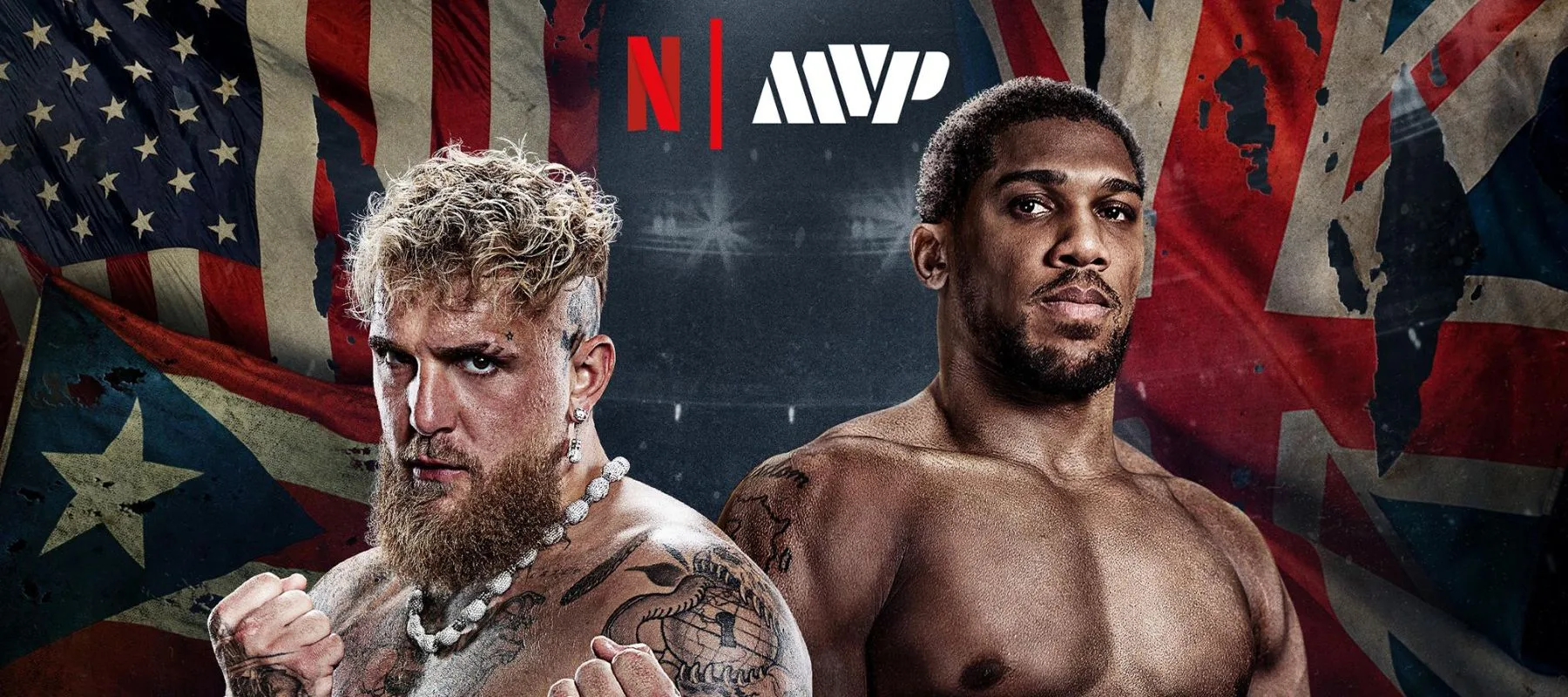
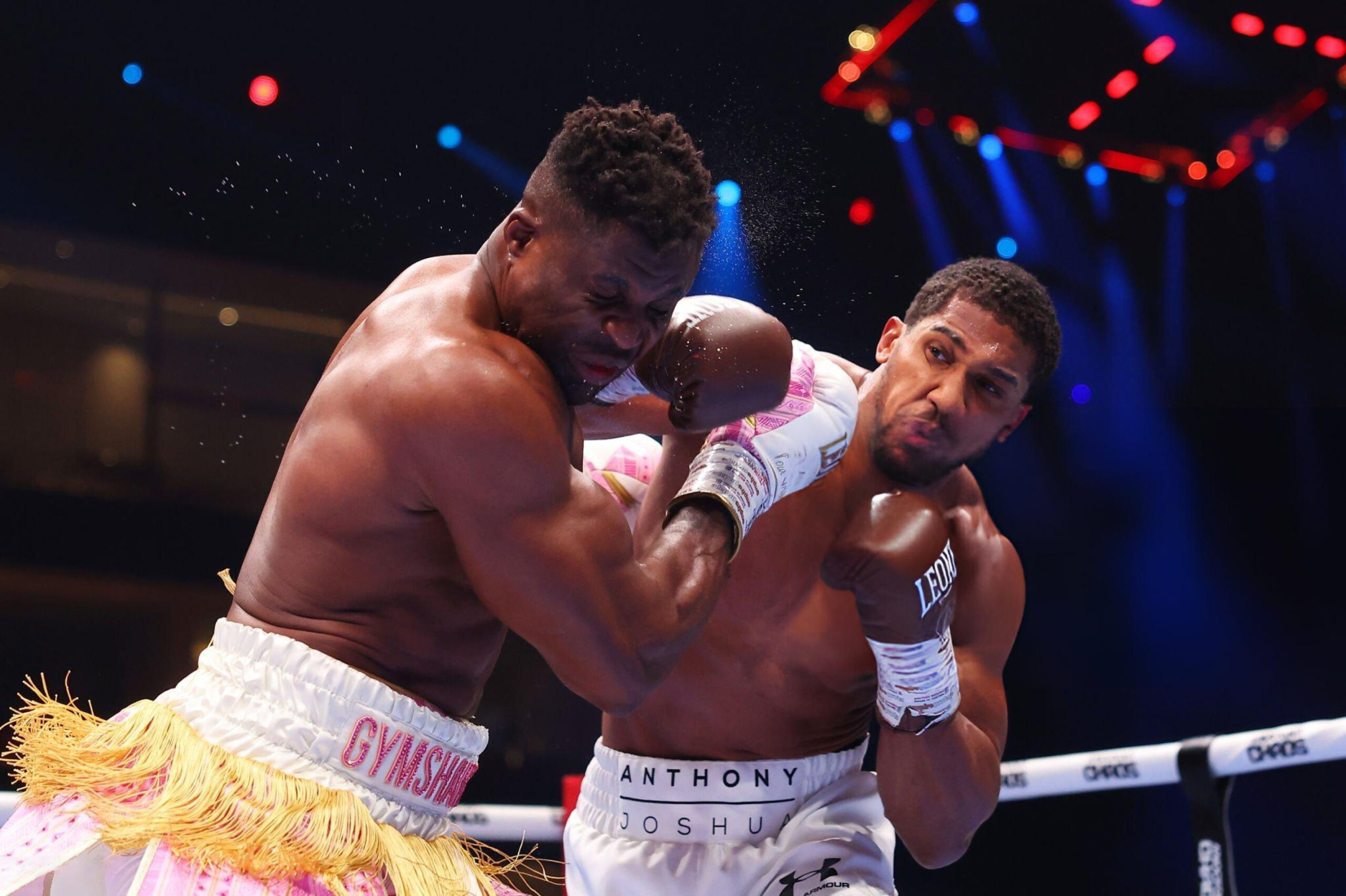
Celebrity bouts, or the internet personality-to-pseudo-athlete pipeline, have long been a global phenomenon, even outside boxing. But certainly, boxing was the earliest iteration, looking as far back as 2018 when British internet personality Olajide “KSI” Olatunji took on American counterpart Logan Paul in a bout that garnered significant attention. Since then, we’ve seen similar arrangements globally, and the model has perhaps gained its biggest expression with Jake Paul, a YouTuber who has ridden the wave to the point where he has shared the ring with one of the generation’s best fighters, Anthony Joshua.
In Nigeria, celebrity bouts predate the trendsetting Portable vs Carter Efe in May, with the former himself a fixture in no less than 2 such arrangements. The renewed interest from Nigerian promoters strongly suggests the model works, and it’s not hard to see why: these celebrities, on their own, command significant attention and audiences. Put together, when they have one or two (genuine or rather engineered) bones to pick with each other, all leading to the ring, then the resulting fight stands to be commercially enticing.
Now, building a venture around it, with the celebrity fights serving as the hook for the professional bouts, seems like a workable formula, if not the best a clime with little to no existing structure and commercial value can make do with.
“There’s more than one way to look at it because until now boxing in Nigeria was largely devoid of visibility and quality promoters,” said Soliu Rasheed, a boxing enthusiast. “We can now all see how the celebrity matches have stimulated the interest of many Nigerians, so we now have filled venues and decent streams.”
According to Balmoral’s Adamu, the Portable-Carter Efe bout generated nearly one billion views globally across streaming and social media platforms.
For an ecosystem that clearly reflects the Nigerian reality, this is a good number. But at what cost?
“It’s not sustainable,” said Pelumi Soyinka, a sports aficionado. “It seems to me like we’re making a mockery of the sport. Boxing isn’t a comic relief. Even if its main purpose is entertainment, it’s a way of life to some people, and it should be treated as such.
“I have nothing against the celebrity wave. It has brought some visibility, but it could also blur the foundational structure the sport is lacking. We really need to invest in boxing from the grassroots level to the top to actually revitalise the sport.”
As ever, it’s cliché to weep over the state of any sport in Nigeria; this is not necessarily an indictment of the celebrity wave in the combat ecosystem. If anything, the attention it has generated presents an opportunity for a sport that has struggled to command it. It does, however, raise the question of what happens when the spectacle settles.
If celebrity bouts can fill venues, attract streaming audiences and bring commercial interest to boxing, there is a case for them having a place in the ecosystem. But their value, at least from a sporting standpoint, ultimately depends on how deep the impact endures.