


Tune in to listen
Bounce FM

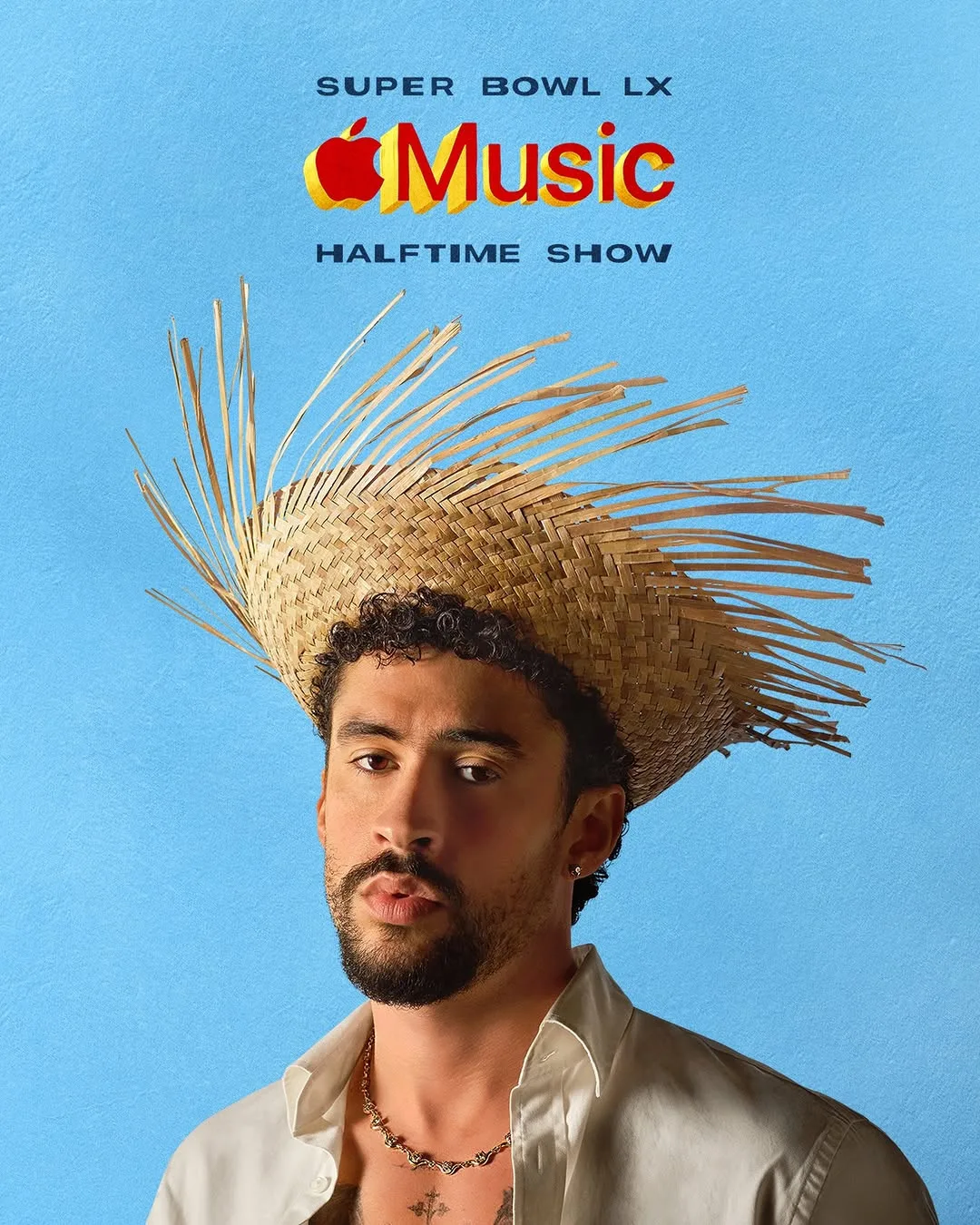
With Super Bowl LX Halftime show featuring Bad Bunny as headliner, this year promises to be more historic than ever.

When Benito Antonio Martinez Ocasio was announced as the headliner for the Super Bowl LX Halftime show, it underscored one thing: Bad Bunny is arguably the biggest artist in the world. After securing the biggest award, Album of The Year at the 2026 Grammy Awards on Sunday, February 1st, 2026, for his album, Debí Tirar Más Fotos, the doubts were clear. Bad Bunny is indeed the biggest artist in the world.
Super Bowl LX.
Bay Area.
February 2026.#AppleMusicHalftime@NFL @AppleMusic @RocNation @SNFonNBC @nbc @peacock pic.twitter.com/XEWpAldrlS— Benito Antonio (@sanbenito) September 29, 2025
The Super Bowl has never been about American football alone. For America and the world at large, it’s bigger than sports. It is one of the quintessential moments where music and pop culture interplay with sports. And with the Super Bowl LX Halftime show featuring Bad Bunny as headliner, this year promises to be more historic than ever.
On February 8, 2026, between 8:00 and 8:15 p.m. ET at the Levi’s Stadium in Santa Clara, California, the Latin act will make history as the first non-English act to headline the Halftime performance show. While this unprecedented moment has sparked clashes across social media, especially in the U.S., given Bad Bunny’s nationality and his speech against ICE at the Grammys, the halftime show is expected to attract an average of 127.7 million viewers across TV and streaming platforms in the U.S.
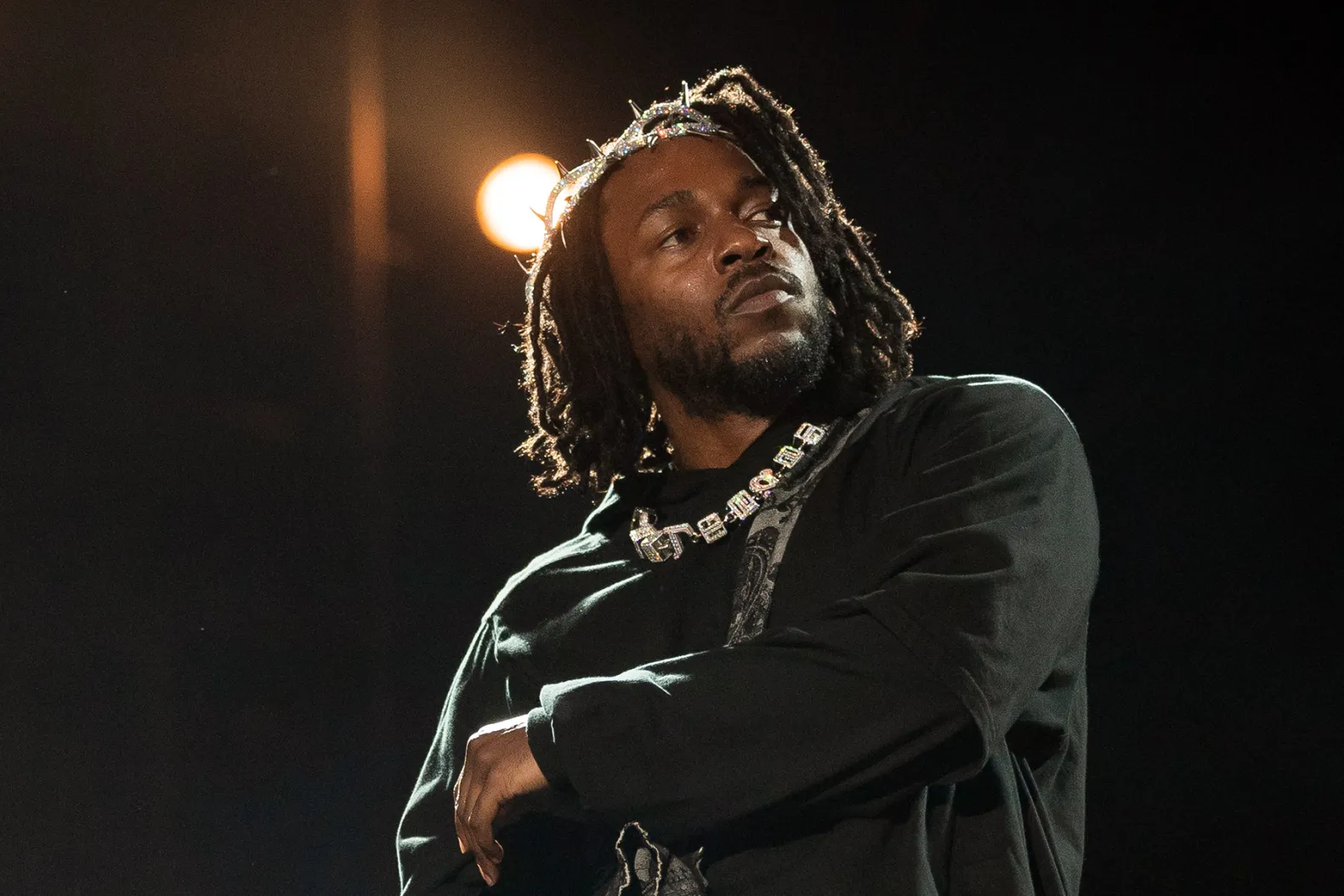
This follows a trend of record-breaking audiences in 2024 and 2025. The 2025 halftime show, featuring Kendrick Lamar, set a record with 133.5 million viewers.
When Bad Bunny steps onto the Super Bowl LX halftime stage tomorrow, it won’t just be another musical performance; it will be a cultural landmark where one of the most influential artists in the last decade makes a global statement.
Over the past decade, Bad Bunny’s influence has grown beyond Latin America (He currently ranks as the top artist in China). With six studio albums under his belt, including X 100pre, YHLQMDLG, El Último Tour Del Mundo, Un Verano Sin Ti, and his latest Debí Tirar Más Fotos (DtMF), the Puerto Rican-born has repeatedly broken new ground for Latin music globally. And tomorrow’s performance is the culmination of his journey.
Born and raised in Vega Baja, Puerto Rico, the 31-year-old has helped make Latin Trap and Reggaeton a global pop sound, from early hits like “Diles” and “Soy Peor” to global anthems like“DtMF.”
He cemented this impact by winning Album of the Year at the 2026 Grammys for Debí Tirar Más Fotos. This marked the first Spanish-language album to ever take home the Recording Academy’s highest honour in its 68th year of history.
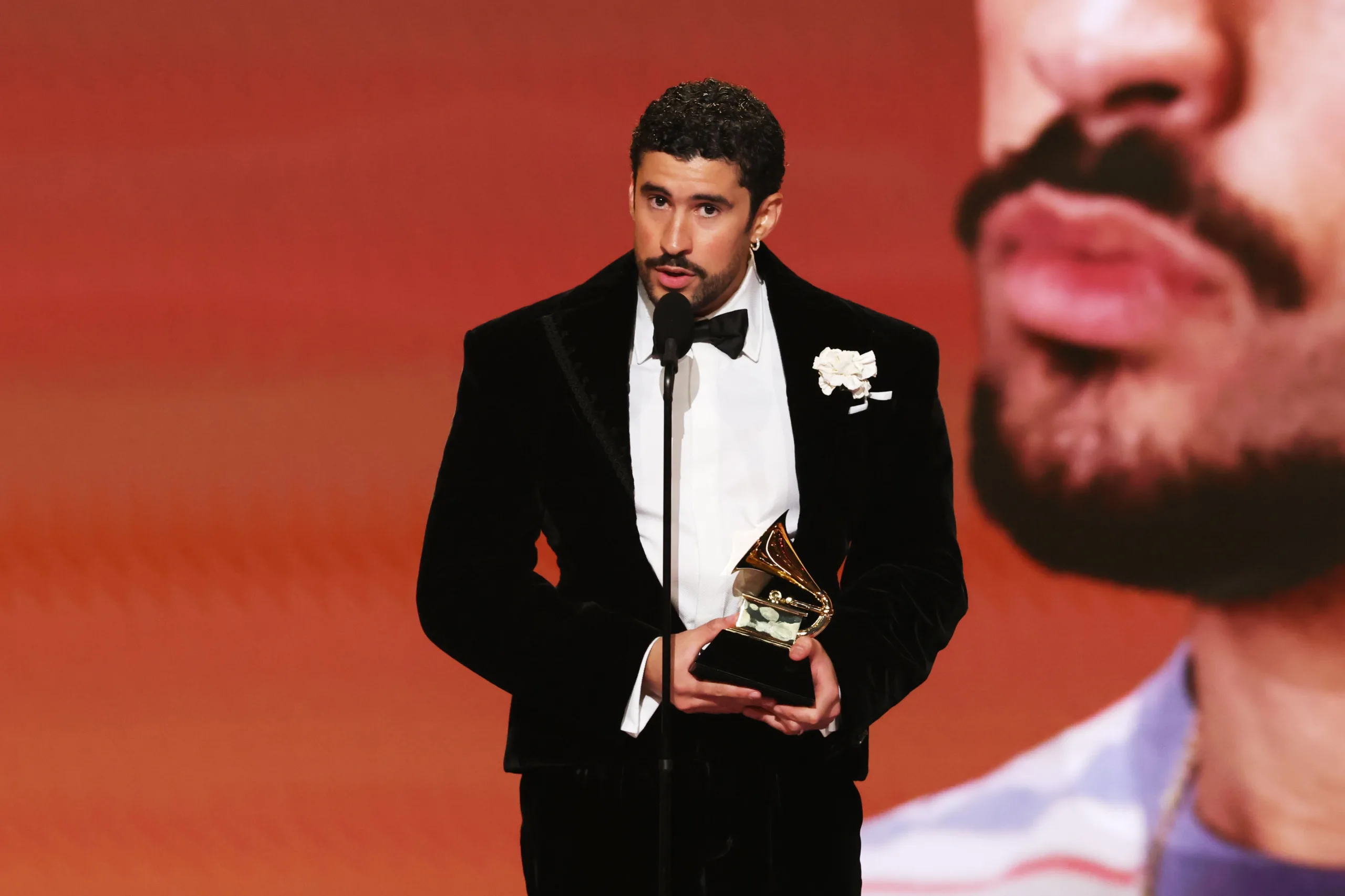
But the award wasn’t just about recognition; it was a cultural milestone for Puerto Ricans. He also received nominations in the Grammy’s three major categories, such as the Album, Record, and Song of the Year. A feat no Spanish-language artist had ever achieved.
As one vocal about politics, especially connected to the Latin community, his Grammy acceptance speech, in which he openly criticized ICE (U.S. immigration enforcement agency), is a laudable moment despite the mixed reactions on social media. In his speech, he paid tribute to Puerto Rico and immigrant communities worldwide, calling for humanity and unity in a deeply divided political moment.
This isn’t the first time he has openly involved himself in politics. In response to the nationwide ICE raids, he cancelled his U.S tour dates last year. Yet, the speech at the Grammys indicates a glimpse of what to expect at the halftime show: a performance beyond entertainment. These cultural moments are what make the Super Bowl LX Half-time the most anticipated performance in the world.
Amidst the divisive debates raging on social media, being named the headliner of the Super Bowl halftime show is a testament to Bad Bunny’s global reach. He becomes the first solo Latino and Spanish-language artist to occupy this stage in his own right, even after his previous guest appearances (including a 2020 feature with Shakira and Jennifer Lopez).
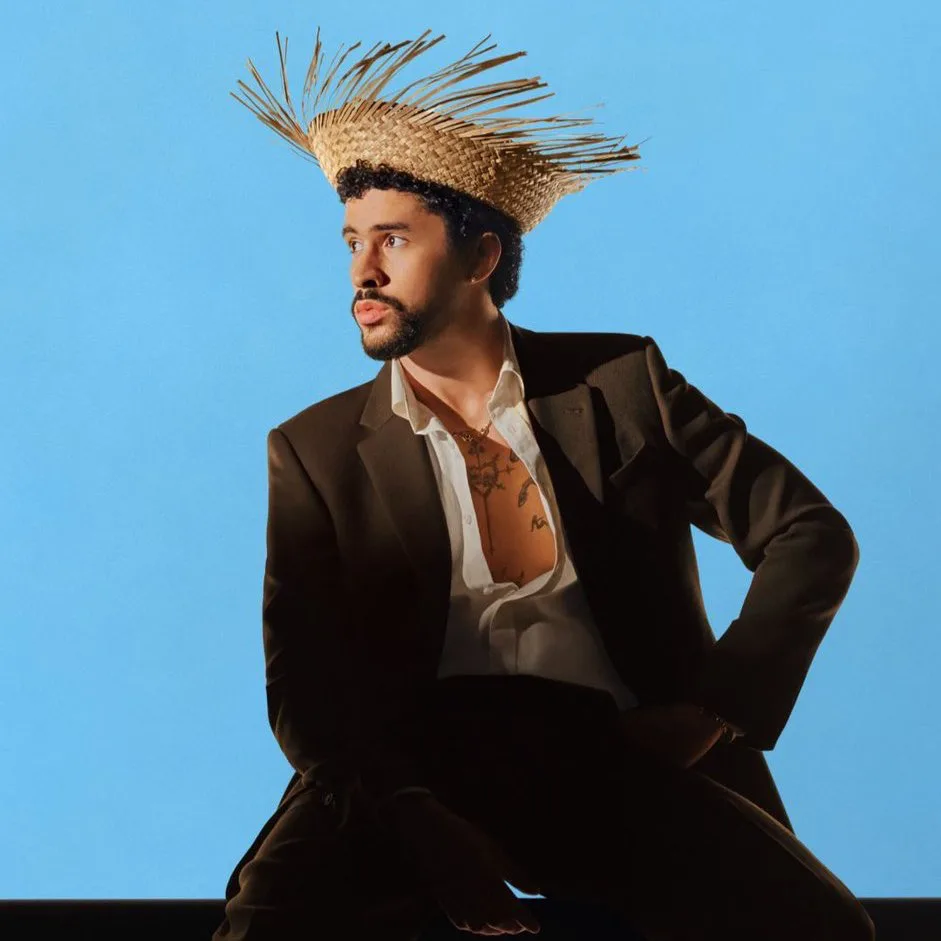
While arguments can be made about the Super Bowl using the hottest artists as headliners, this moment is more than popularity. It signals a shift in what mainstream America considers representative of its cultural output. Although previous halftime performers have included Hispanic stars like Shakira, Bad Bunny’s set is likely to be entirely rooted in Spanish-language performance and Puerto Rican identity. And Bad Bunny has never been a minimalist when it comes to performance, as viewers can expect a deeper celebration of Latin culture’s permanence in global pop.
It’s impossible to talk about Bad Bunny’s Super Bowl moment without addressing the cultural backlash that followed since his announcement in September 2026. Critics, including politicians have framed his Spanish-dominant setlist and political stances as “divisive,” tapping into broader anxieties about language and identity on American stages.
Some conservative audiences, such as Turning Point USA, have organized alternative halftime events to protest what they see as cultural imposition, arguing that an American institution should instead highlight performers aligned with traditional U.S. pop norms. While Bad Bunny’s Super Bowl halftime performance is underway, U.S. rock artist Kid Rock will also lead The All-American Halftime Show as the headline performer. A moment many have also criticised as a political boycott against Bad Bunny’s Super Bowl performance.
Yet in honour of Bad Bunny’s Super Bowl performance, the Governor of California, Gavin Newsom has declared Sunday, February 8, 2026 as Bad Bunny’s Day.
All these underscore what Bad Bunny’s performance resonates with: a moment in history when the definition of mainstream is expanding to unapologetically include voices once marginalized.
Although “DtMF” has attained global stardom, Bad Bunny’s success is tied to the unapologetic embrace of his identity. Despite being a U.S. citizen by virtue of Puerto Rico’s political status, he identifies strongly with the island’s cultural and colonial reality. He explored this theme in his Grammy-winning album, Debí Tirar Más Fotos, which blends traditional Puerto Rican rhythms like salsa, bomba, and plena with modern reggaeton and urban sounds.
While Americans may draw the line at his performance as headliner, his representation of Puerto Rican culture at the Super Bowl isn’t just symbolic; it’s deeply rooted in community pride. Back home, locals and fellow artists, including Daddy Yankee, are celebrating his rise as the Super Bowl LX headliner.
While there’s a high chance he’ll handle the 12-15-minute performance completely solo, looking at his catalogue, filled with 100 songs that have hit the Billboard Charts. There’s also the chance he might surprise viewers with guest appearances that tie into his history.
Although Bad Bunny has refused to give spoilers, speculation has swirled around potential surprise artists, such as Cardi B and J Balvin, for their global hit “I Like It.” And since Cardi B will reportedly be at the stadium supporting her partner, NFL star Stefon Diggs, viewers can expect an explosive performance of the hit record.
¿Quién podría acompañar a @sanbenito el domingo? 👀 #AppleMusicHalftime #SBLX
Who could be joining Bad Bunny on Sunday? 👀 #AppleMusicHalftime #SBLX pic.twitter.com/Yi4RjWPtf1
— Apple Music (@AppleMusic) February 5, 2026
Even if such appearances don’t materialize, Bad Bunny’s set, produced by Jay Z’s Roc Nation, is expected to be a bold, vibrant, and colourful celebration of Latinx music and heritage. The official set list is usually kept secret, but fans can expect a lineup of hits, including “Tití Me Preguntó,” “Baile Inolvidable,” and “DtMF,” to round out the performance.
The Super Bowl Halftime has always been a cultural moment like Kendrick Lamar’s performance in 2025. Yet for Bad Bunny, this matters on several levels. It represents one of the most historic moments where a Latin Trap and Reggaeton artist delivers a full Spanish-language set on one of the biggest global stages.
After winning the historic Grammy award, Bad Bunny now carries that momentum to a platform seen by hundreds of millions. Regardless of the several backlashes, his unapologetic embrace of culture, language, and politics offers visibility to an audience of listeners who have long been sidelined. Perhaps this is the most historical moment in the global music industry.