


Tune in to listen
Bounce FM

Exploring the relevance of radio in Nigerian music with insights from Radio OG, Moet Abebe.
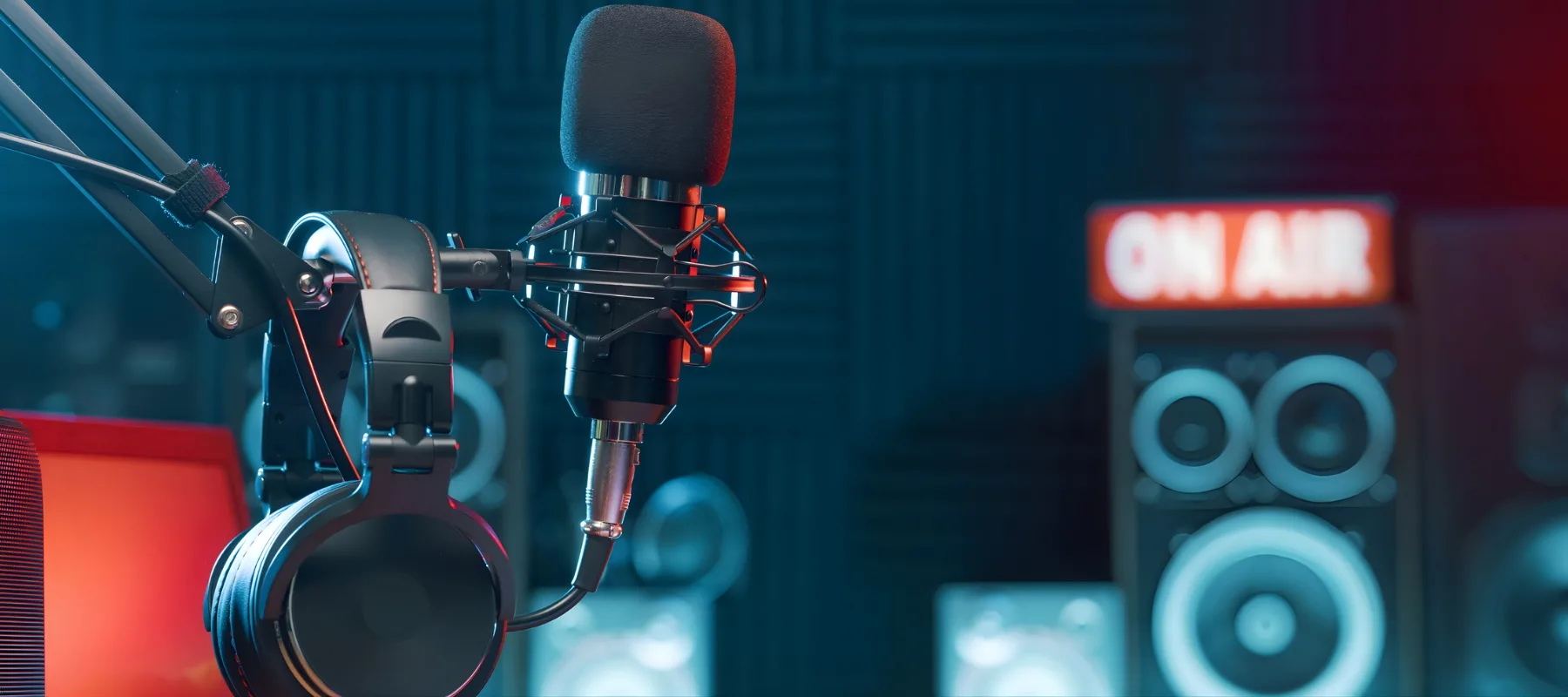
Streaming platforms and social media are the biggest catalysts of Nigerian music and pop culture today, but the historic dominance of radio cannot be understated.
Before rollout strategies permeated social media, radio was the first hop. At the time when the Alaba market was the first entry for music marketing, radio became the Spotify and Apple Music. From DJ sets, interviews, and pop culture conversations, radio stations emerged as gatekeepers and amplifiers of Nigerian music and entertainment.
Given the country’s uneven digital access, radio lowered the barriers to entertainment consumption. Tuning into your favourite 4 PM and 8 PM shows was tradition, song requests were unrivalled, and artistes’ shout-outs felt closer to meets-and-greets. Before artistes configured personal branding on social media, radio revealed untold stories to fans across. It also opened the door to discovering new music before YouTube, Spotify, and TikTok decided what success looks like.
Fast forward to today: YouTube and streaming dominance, TikTok virality, and podcast growth have become the new dictators of entertainment consumption. Radio no longer serves as the primary gatekeeper of Nigerian music, but it remains a powerful cultural amplifier.
Before Obasanjo’s regime increased the widespread use of the internet, radio had been playing a pivotal role in promoting indigenous Nigerian music. Although radio stations were not entirely unbridled due to the military government rule, old-generation Nigerian musicians like Majek Fashek, King Sunny Ade (KSA), and Ebenezer Obey received massive airplays for their music, which shaped cultural identity and launched them into stardom.
Following the early 2000s, Radio served as the original tastemaker, playing a pivotal role in breaking artistes like 2Baba (formerly 2Face), D’banj, and P-Square. And as the early wave of Afrobeats began to gain ground, urban radio stations emerged as cultural voices. Alongside TV and Nightlife Magazines, Radio was part of the showbiz, deciding what mainstream was. OAPs were seen as influencers before social media, and radio tours were an essential PR strategy.
The evolution of digital technology cannot be hindered. As the years went by, technological advances led to the explosion of streaming and social media platforms. In Nigeria, this drastically changed the course of music consumption from 2015. In an increasingly digital age, many young Nigerians are more glued to their phones than ever. Not to tune into radio shows, but immersing themselves in what Apple, Spotify, and YouTube Music could offer. On-demand listening spiralled, hit releases and discovery became algorithm-driven. And playlist culture started to replace radio rotation.
Being the World Radio Day, we decided to explore the nuances behind this discourse with radio icon, podcaster and presenter at Bounce 89.1 FM, Moet Abebe. The radio goddess maintained her stance on the relevance of radio in Nigeria’s pop culture despite the disruption of digital technology.
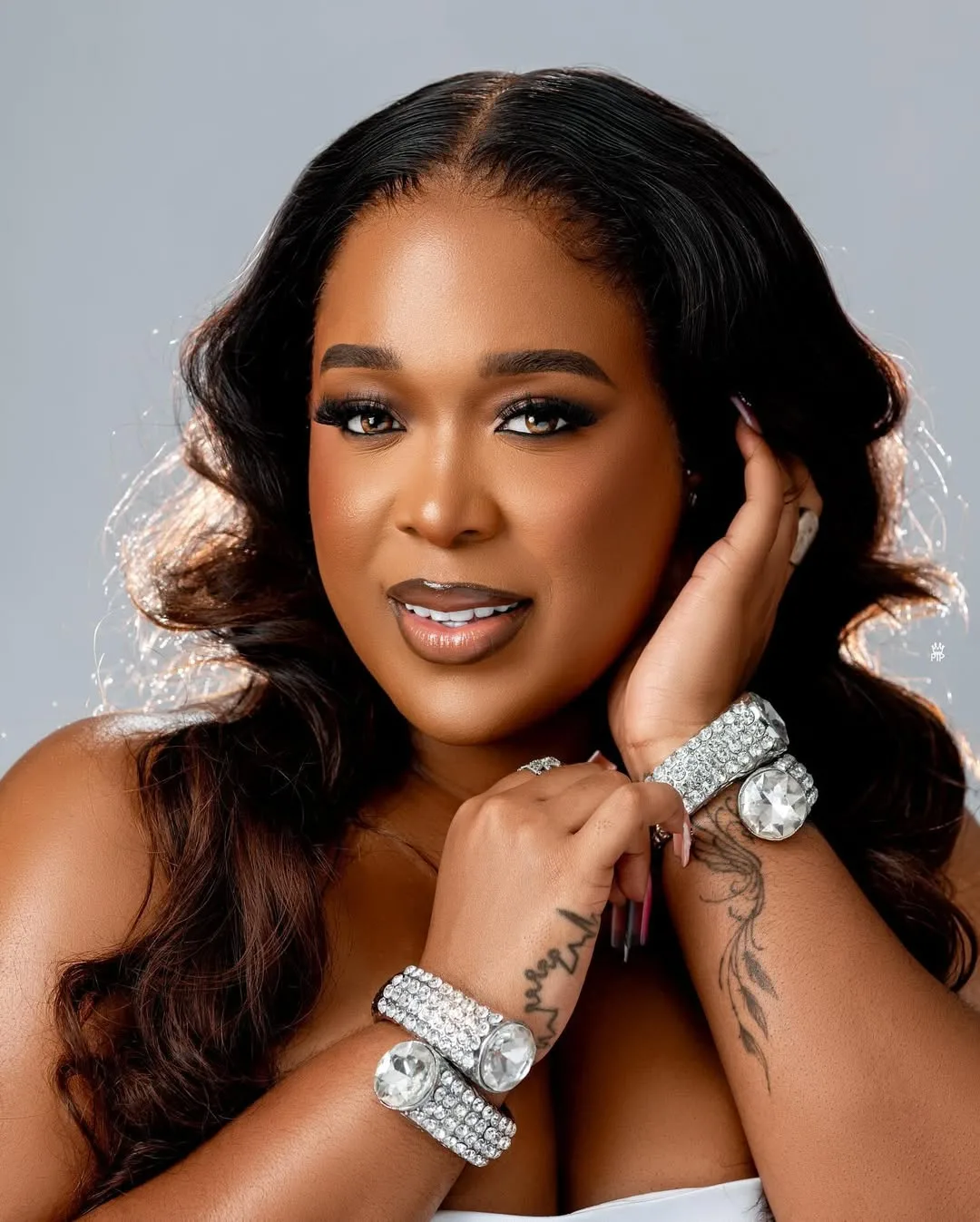
“I genuinely believe radio is relevant in Nigeria’s pop culture landscape. It is still used as a medium to touch the masses, and with a population like Nigeria, it is the best way to educate and inform a large population,” she tells BSide. Also, companies, organizations, and brands still need a medium to place adverts that can reach a large number of people.”
Yet, one cannot overlook the effects of TikTok and social media in changing the course of music consumption. Viral songs permeated the trend table before radio airplay, while short-form content shaped music success. Then podcasts surfaced as “The New Radio,” shaping long-form conversations, celebrity gossip, and interviews. In the past, this level of authority was accessed through years of experience and education in broadcasting.
But this shift decentralised broadcasting, lowered the barriers to independent commentary platforms, and led to a pandemic of podcast channels. As long as you have a microphone, you will have an audience. While the relevance of radio in Nigeria hasn’t been erased, the arrival of advanced tech shifted the gatekeeping power from radio stations to platforms.
Yet Moet Abebe believes podcasts aren’t a competition with radio but instead an extension of it.
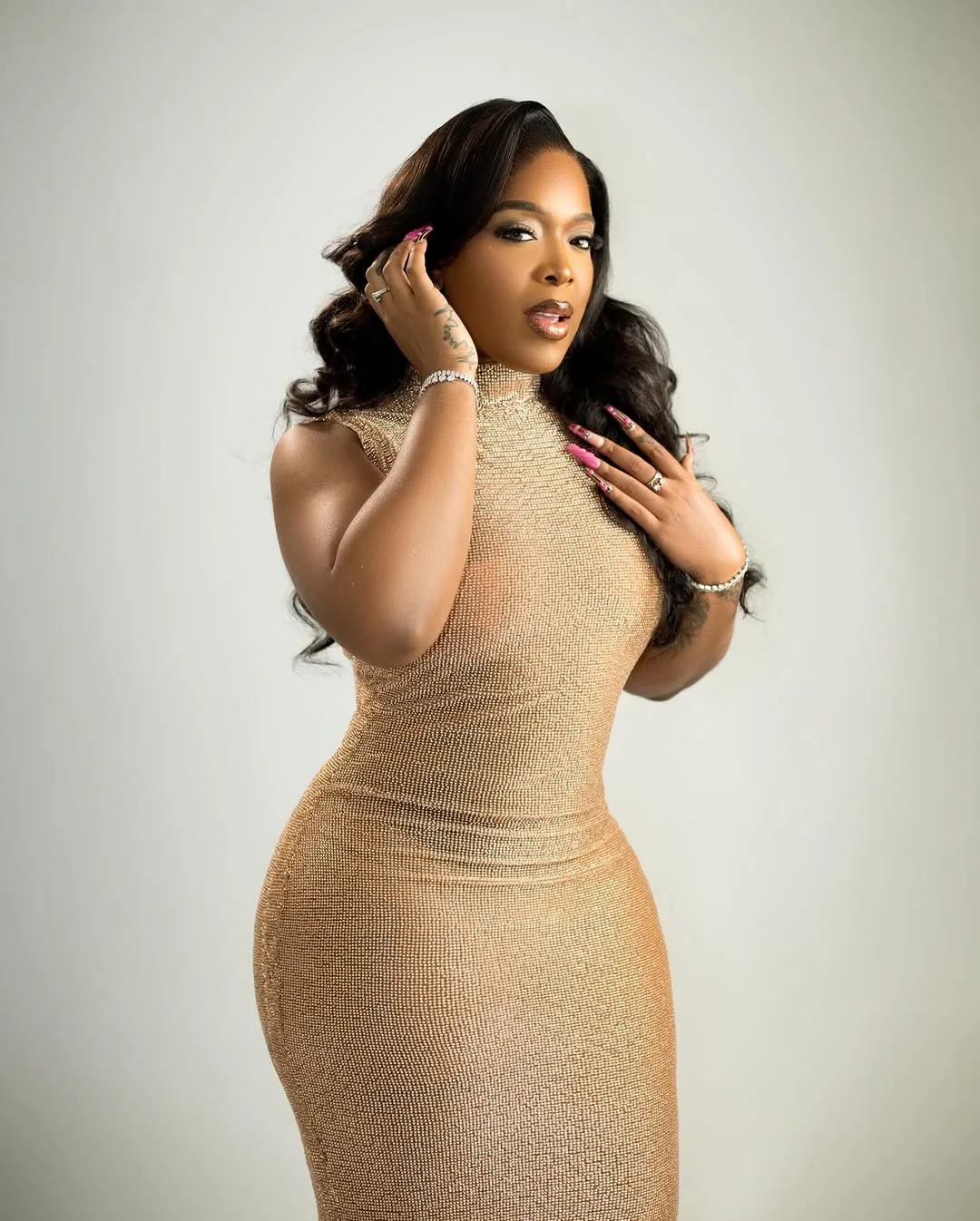
“Podcasts are an evolved style of talk radio where real people share real stories and experiences that are relatable to listeners. To me, that is pretty much the same format talk radio follows.”
Despite the success of streaming platforms and social media in catalyzing Nigerian music, the “radio is dead” narrative still remains debatable. In a country with over 200 million people, the sad reality of accessibility and infrastructure is alarming. Internet access is still expensive, and uneven broadband penetration remains unsolved.
On the other hand, radio access is as free as air. The mass reach leaves room for rural and urban listenership, and a cross-class accessibility that the internet doesn’t necessarily give. Besides, car and commuter culture have eased radio access. Lagos traffic, for instance, has notably helped radio stations capture audiences, as commercial drivers and passengers rely on them for news updates and stress-inducing music.
Many young Nigerians may be caught in the social media wave, yet the community feeling radio offers cannot be disputed. The concept of live shows, call-ins, and real-time reactions has become a cultural fixture more than a marketing strategy.
Yet radio still has its place in album rollouts. Media tours will continue to include radio stops. What better way to make a cultural impact than to be close to the streets? Only radio offers such credibility, where airplays can validate a song beyond social media hype. While radio may not break every hit, it still legitimises and amplifies them.
But with the rapid and substantial adoption of streaming platforms and social media by younger Nigerians, it’s not erroneous to say radio is losing ground. With consumer behaviour tethered to Gen Z’s preference for on-demand listening, the gap radio bridges between audiences and artistes has gradually widened.
While many users pay for ad-free social media content, radio makes money through ad-heavy blocks. With radio tours becoming expensive, streaming allows bypassing traditional media.
But more than that, the decline of personality-driven influence has spanned. Today’s social media influencers now rival OAPs’ cultural impact. One can argue that podcasts have replaced radio interviews as a medium for in-depth conversations. Arguably, radio’s cultural dominance has weakened, especially among the younger generation.
Radio may no longer be king, but we cannot erase its effect on Nigerian music and its listeners. Perhaps Nigeria’s continued lag in digital technology offers a silver lining for radio culture. This leaves room for radio stations like Bounce Radio 89.1FM to stream online, while embracing social media integration. With options like podcast-style segments, radio stations can fill the vacuum by embracing multimedia expansion.
In many years to come, as digital technology undergoes substantial evolution, radio culture will remain ingrained in our daily lives. But by then, will radio evolve fast enough to remain culturally central? Perhaps that’s a question worth pondering. For now, tune into Bounce 89.1FM for the Global Radio Show.