



Tune in to listen
Bounce FM

Here is what Bounce Sports makes of the African Kits at the 2026 World Cup upon closer examination.
Football kits have come a long way, now sitting at the intersection of commercialisation and fashion, with design, culture, politics and history all informing what a uniform means. Like all tournaments, World Cup kits are part of the visual identity that makes the franchise what it is, and they remain about the only thing withstanding the homogenisation ravaging the grandest sports festival.
A nation’s kit is a reflection of its colours, history, symbols and cultural identity; these emblems of nationhood aren’t easily stripped away, not even by FIFA’s exhaustive uniform criteria. Nowhere is this more evident than at the World Cup, particularly among African nations, many of whom have stories to tell, identities to protect and traditions to celebrate. Global sportswear brand Puma was responsible for kitting five of Africa’s representatives at the 2026 World Cup, including Ghana, Senegal, Côte d’Ivoire, Morocco and Egypt, while Adidas came through for South Africa and Algeria. Tunisia, DR Congo and Cape Verde’s kits were respectively designed by Kappa, Umbro and Capelli Sport.
Here is what Bounce Sports makes of these kits, upon closer examination of the aesthetics of each, from colour palettes and patterns to cultural references and historical symbolism. All rankings are based on the home kits and presented in descending order.
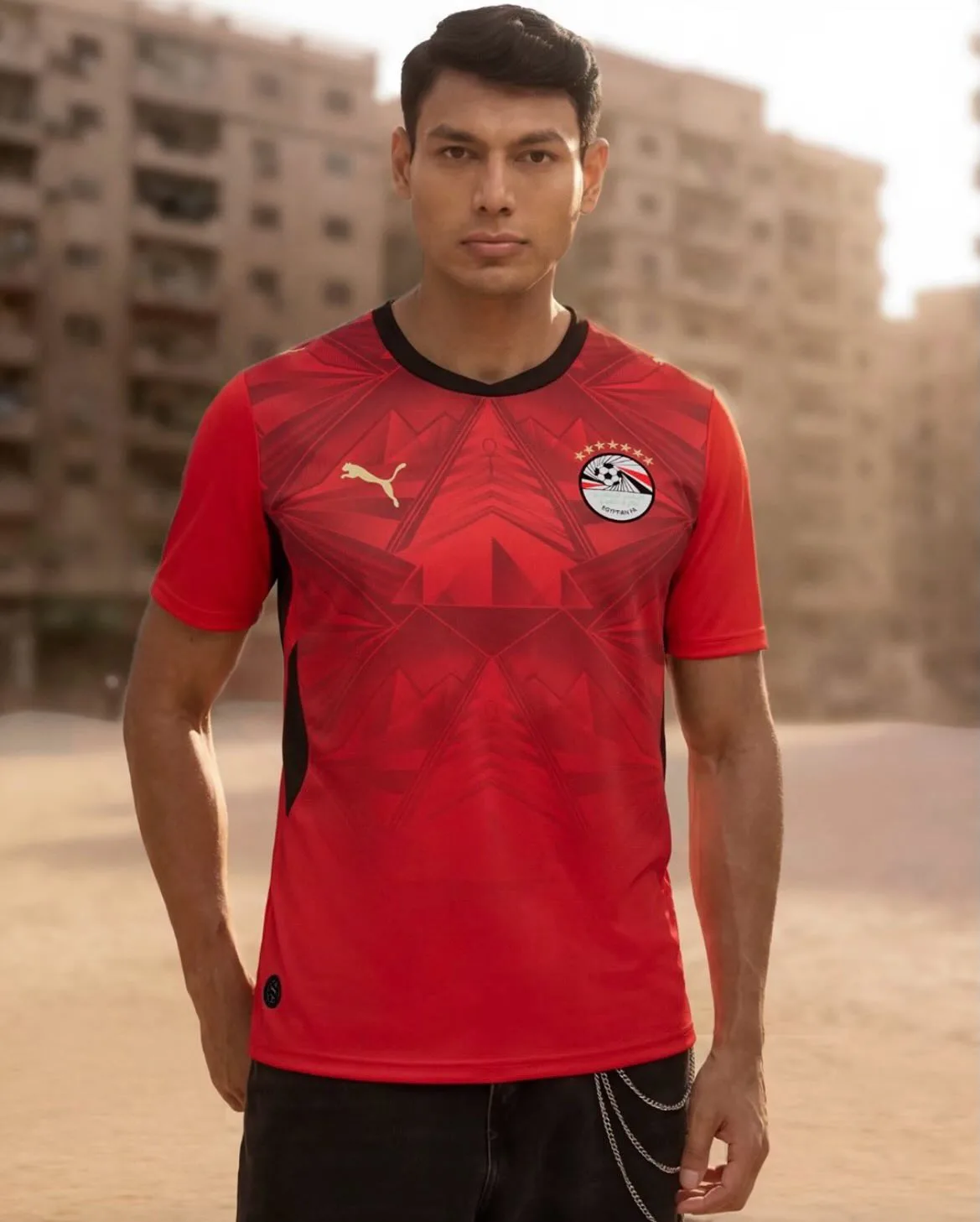
As far as regal colour goes, the Pharaohs of Egypt’s red is quite the statement, with black and gold accents reinforcing the prestige of the seven-time African champions. Puma’s incorporation of Egyptian cultural symbolism, the pyramid allusion across the chest, is a spirited effort that does not necessarily add to the overall perception and makes it all the more difficult to rank higher.
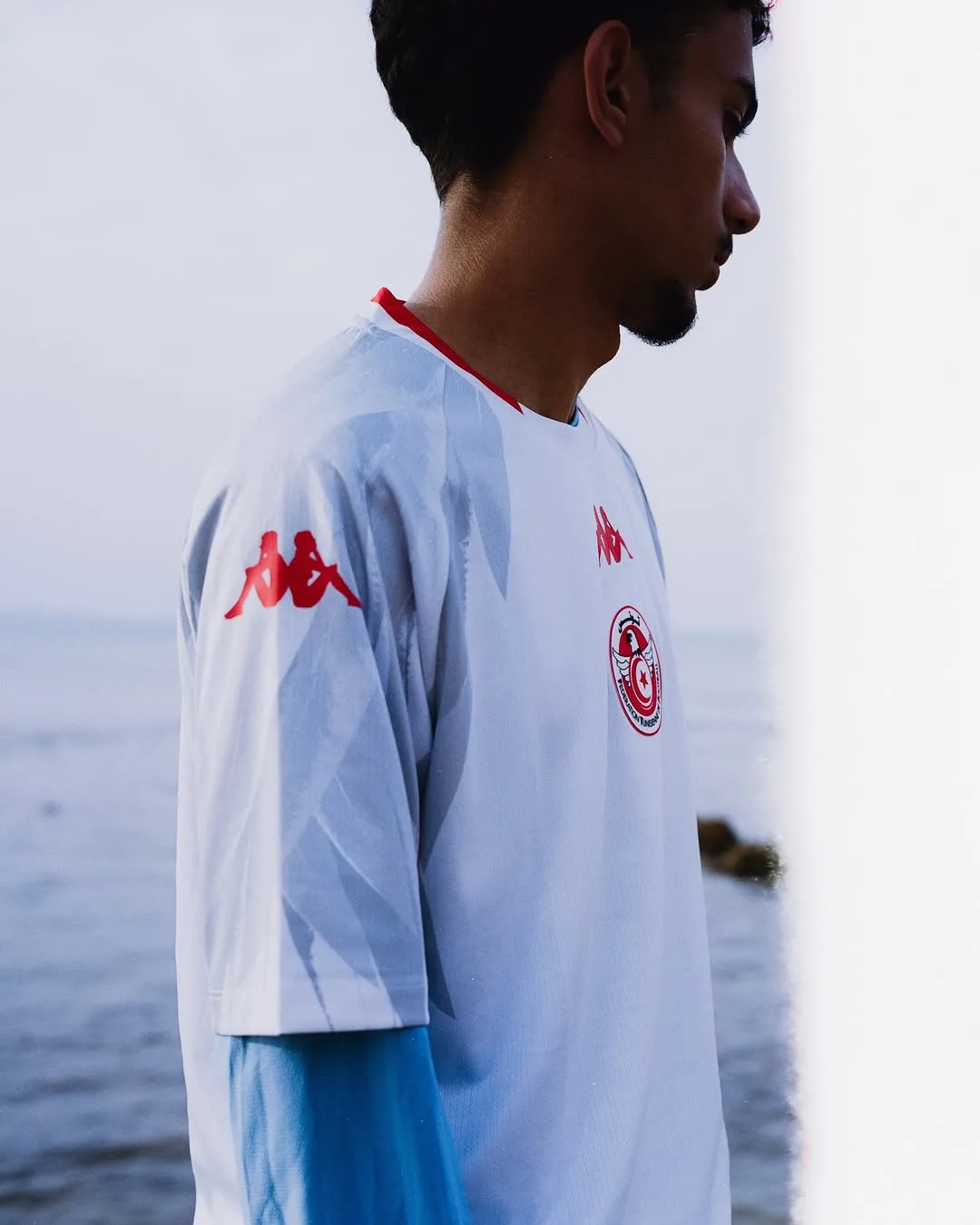
One word that better describes Kappa’s effort for Tunisia is: boring. The Italian manufacturer does earn some credit for the subtle feather motif across the shoulders and sleeves, a reference to the Eagle of Carthage, the enduring symbol from which the Tunisian national team derives its nickname. That said, it is difficult to award more to the kit when the other major highlights are Kappa’s Omni logo and the Tunisia national team crest. All together, it’s an unadventurous effort that looks rushed.
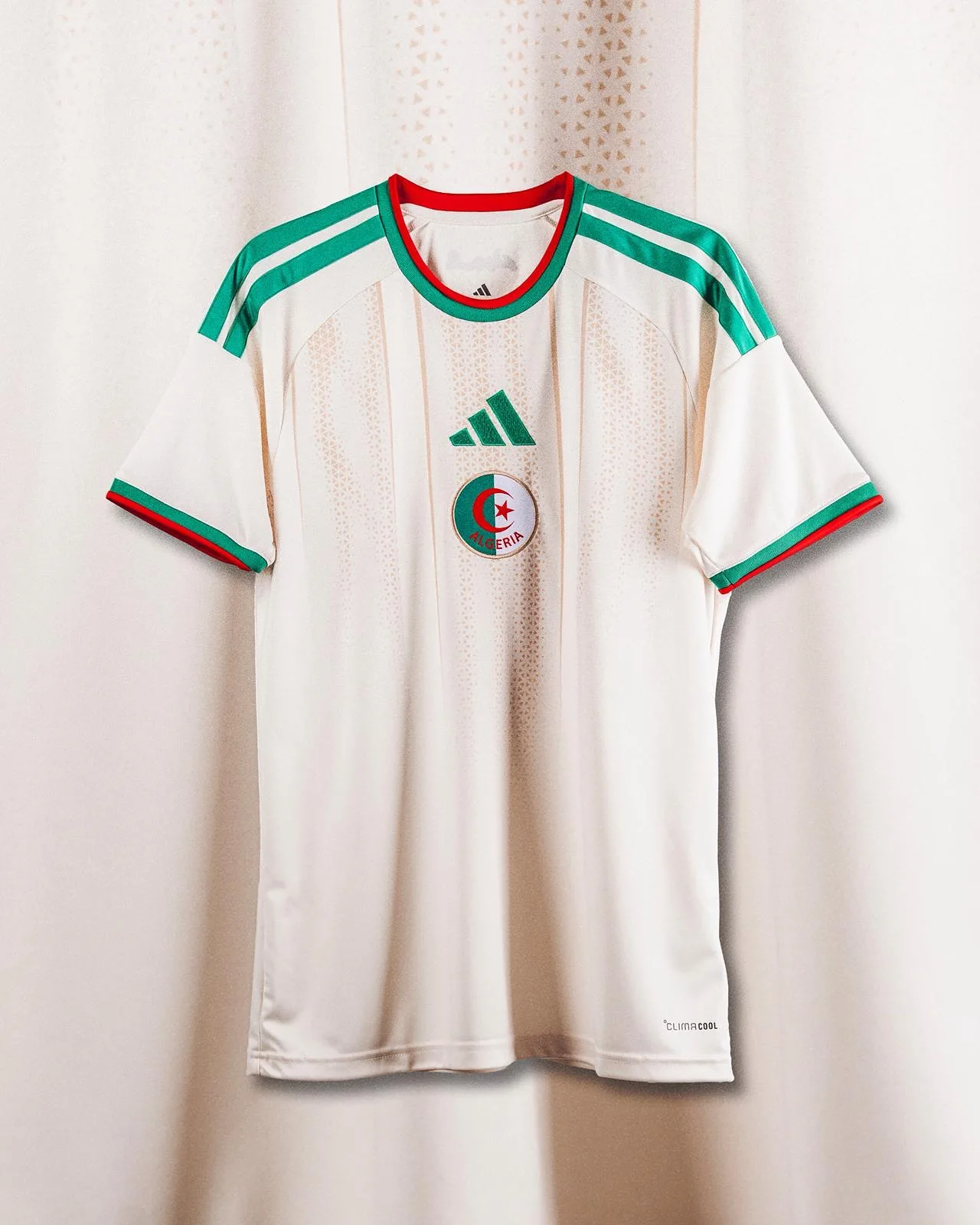
Algeria’s World Cup kit carries Adidas’ subtle references to Algeria’s landscape – mountains, deserts and the Sahara dunes. The colour combination of white and green is well represented and distributed, with retro touches that make for a cool uniform. The fairest assessment is that it is a decidedly average design.
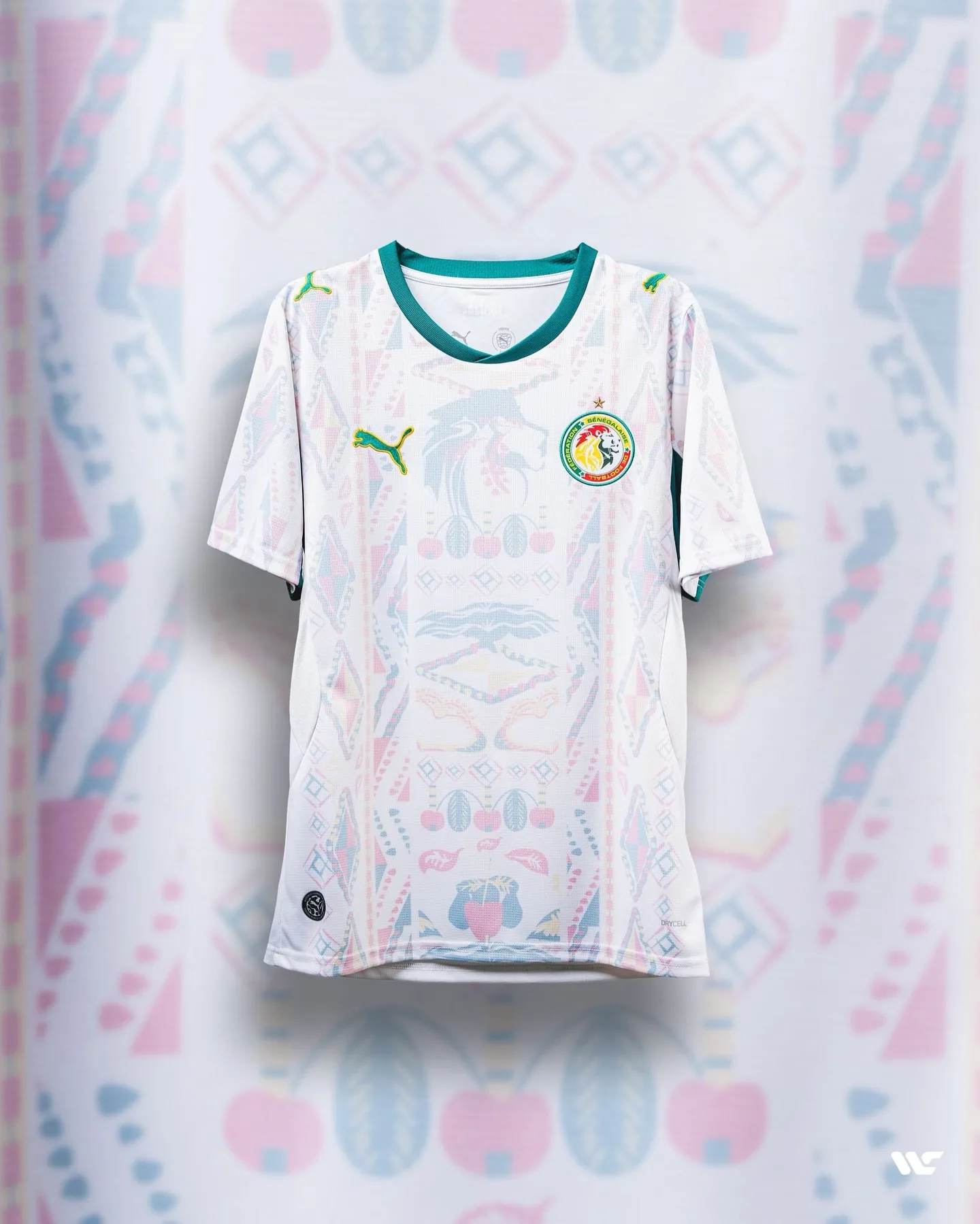
Puma went all out to nod to Dakar’s painted Car Rapide buses, and it worked a treat, with a washed-down version of the capital’s mural energy. Puma abandoned the solid white and green, along with the subtle yellow and red, consistent with the Teranga Lions’ home kit, and perhaps it is that break in tradition that makes the uniform so fondly received.

One thing you can credit DR Congo’s Umbro kit for, in their first World Cup showing in over 50 years, is that it grabs your attention without fail. What it does with that attention upon closer examination is where it gets subjective: the vibrant and luminous blue and the grey-shaded leopard-print texture running along the lower half are striking on one hand; the detailing of the Umbro logo, the sublimated DR Congo flag, and the FECOFA crest sit awkwardly on the other. It’s a kit that doesn’t quite agree with itself, yet somehow still works.
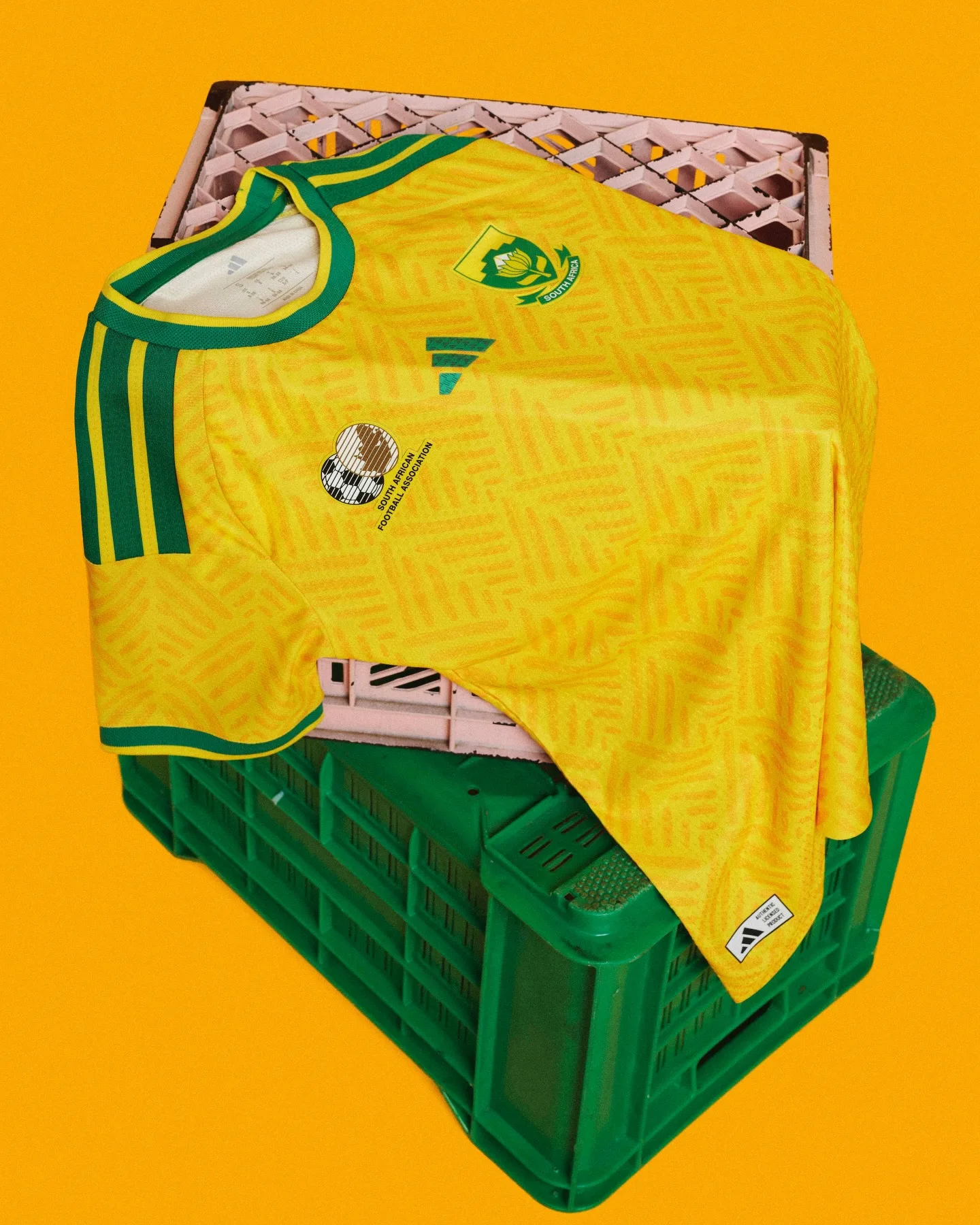
Adidas’ first World Cup rendition for Bafana Bafana since the 2010 mundial was always going to carry weight. They leaned into the nostalgia of 2010, and wisely so, retaining the classic yellow and green colour scheme while weaving in a tonal all-over pattern that speaks to South Africa’s diversity. The shirt pays tribute to the country’s 12 official languages, worked subtly into the fabric, and the result is a kit that earns its significance visually and politically.
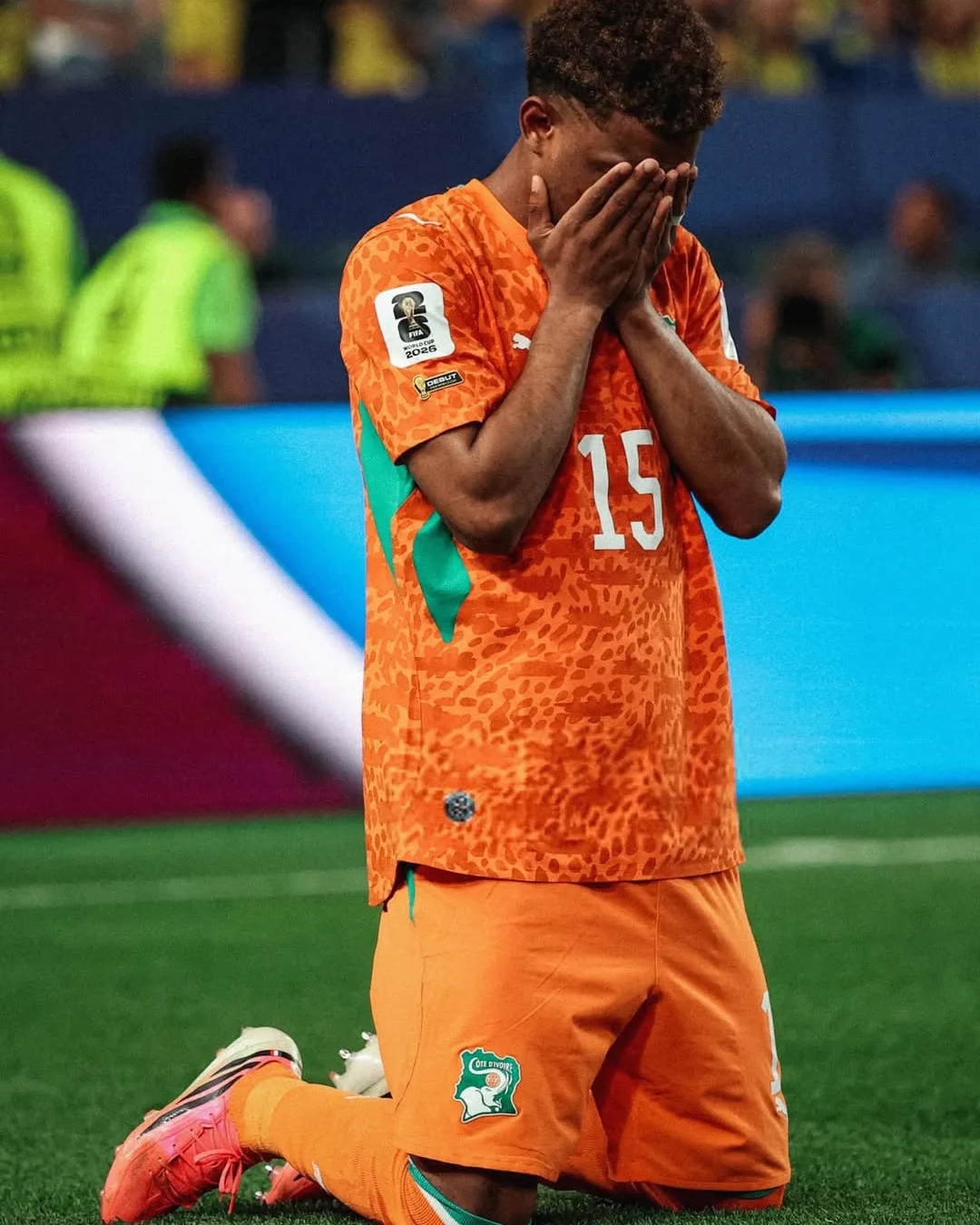
Puma used the colour advantage to good effect for the Elephants. The traditional bright orange, paired with green side panels, already makes the kit stunning, with the tonal all-over graphic across the orange base and the animated pattern adding depth without overcomplicating things. It’s a balanced kit that counts for a great deal.
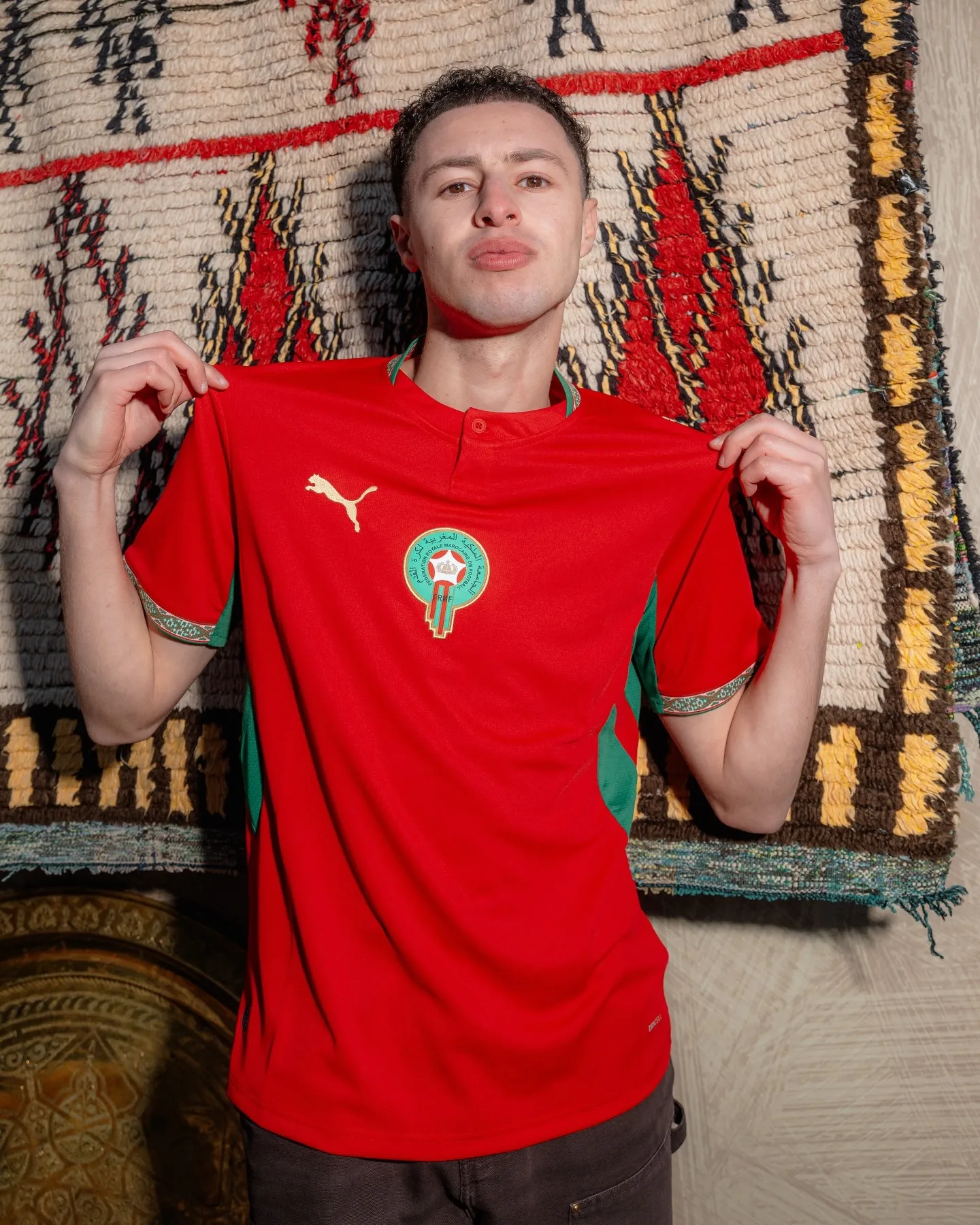
The Atlas Lions’ home kit is one of the finest in the entire tournament, not just among African sides. Puma drew from Moroccan craftsmanship and Amazigh heritage, producing a deep red base with greenside panels that echo the flag’s star, finished with collar and sleeve cuffs featuring intricate geometric patterns reminiscent of zellige tilework. The mandarin-style collar and subtle button detail make it a distinctly tailored uniform with a timeless quality.
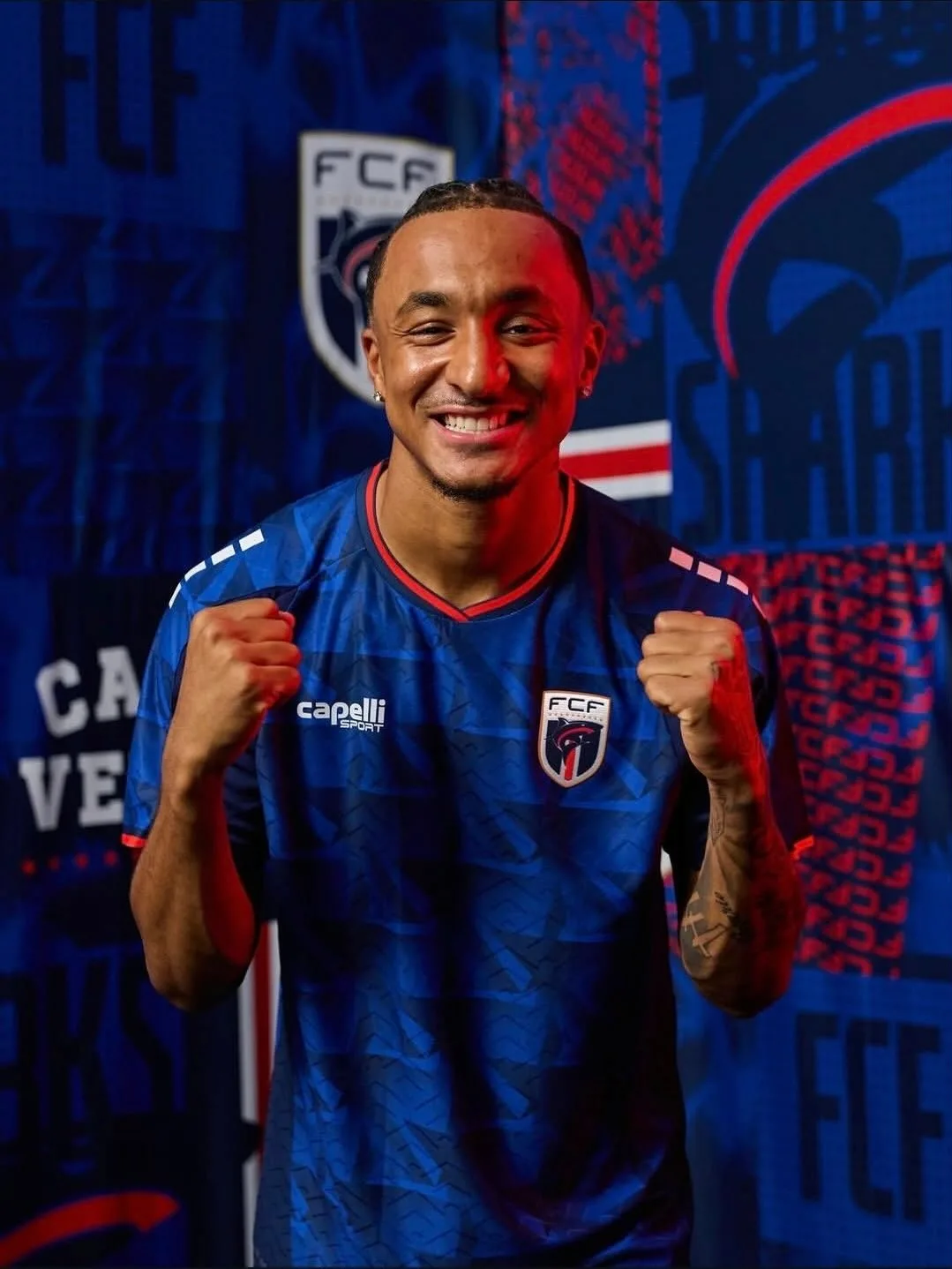
It is a rare combination when a kit smartly evokes the culture and tradition it represents while maintaining an aesthetically pleasing appeal. Capelli Sport’s design for the Blue Sharks, with its all-over geometric print inspired by the flight routes connecting the country’s ten islands, achieves exactly that. It is referential without being heavy-handed, and unchaotically distinct. Considering it’s still an early partnership between New York-based Capelli and Cape Verde, we’re quite impressed and are maintaining higher expectations for future products.
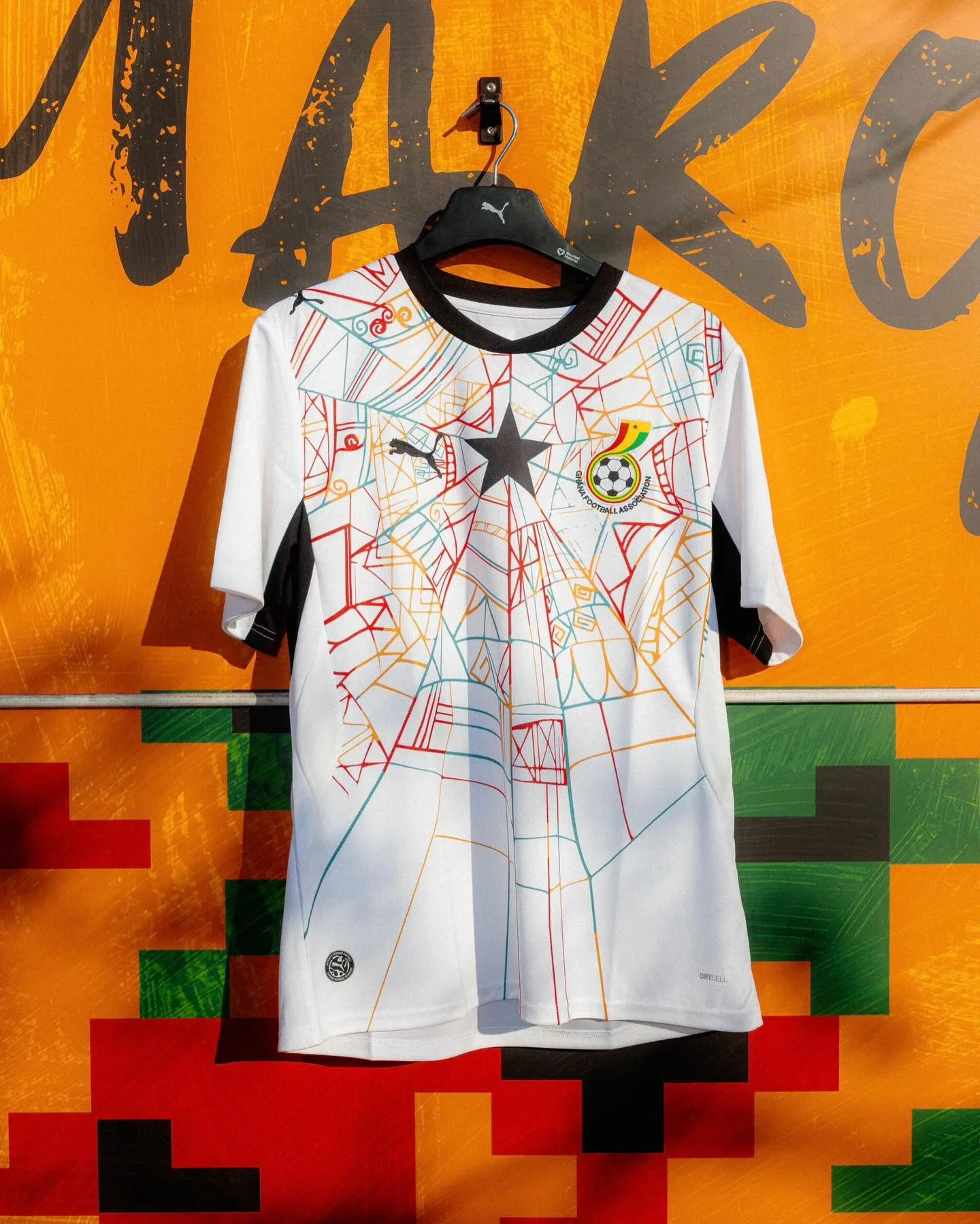
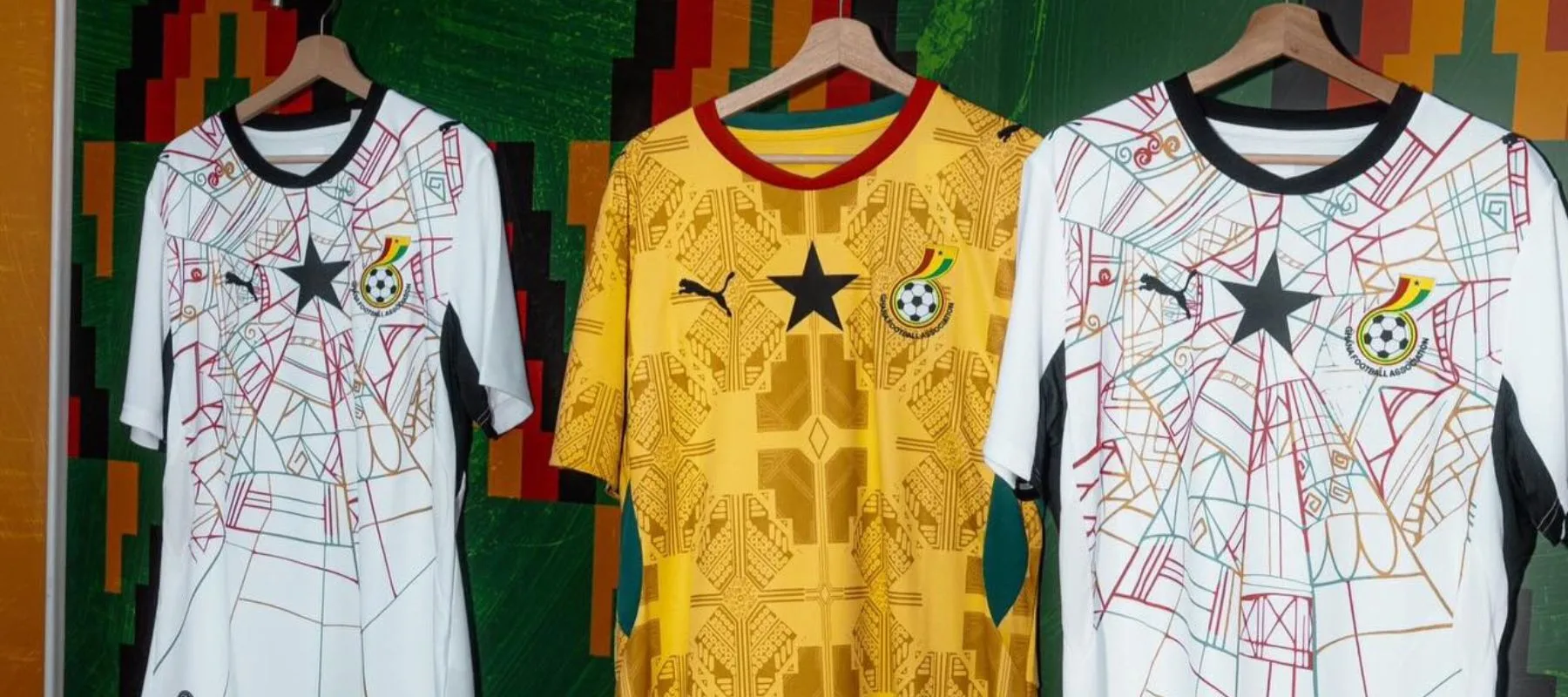
Puma reached into Akan folklore for the Black Stars, anchoring the home kit design in the Anansi figure, with the spider-web motif running across the white base in bold, geometric lines. The central Black Star holds the design together, while layered lines and colour accents translate heritage into a modern visual language. It is a bold swing, and it didn’t miss. It’s unarguably Puma’s best design for this year’s World Cup, and the best African kit at the 2026 World Cup.