


Tune in to listen
Bounce FM

Many of these books deal directly with African and diasporic experiences, while others offer frameworks for thinking critically about beauty, gender, sexuality, memory and language.

To understand the world today, especially from the position of Black and African people, it is necessary to read politically and historically. The world we live in is layered with systems of power. White supremacy sits at the centre, upheld by colonialism, imperialism, and capitalism. Patriarchy moves through it, showing up in everyday violences: lookism, misogyny, queerphobia. These systems shape education, religion, media, family, and the ways we’re taught to see ourselves and others. They decide whose lives are protected, and whose are not.
Radicalism is being made into something dangerous so people stop thinking deeply. But it can’t be allowed to disappear. We need it. It’s through radical thinking that we start to see what’s really happening around us. Radical analysis shows how power works, and that clarity makes it possible to stop turning harm inward or onto others.
These texts do not all speak from the same discipline or political perspective, but they share a concern with the mechanisms of domination. Many of these books deal directly with African and diasporic experiences, while others offer frameworks for thinking critically about beauty, gender, sexuality, memory and language. You don’t have to agree with the political arguments treated in them. That’s not the point. What matters is that they force you to think more deeply, more honestly, and more critically about the world you live in.
Black Skin, White Masks – Frantz Fanon
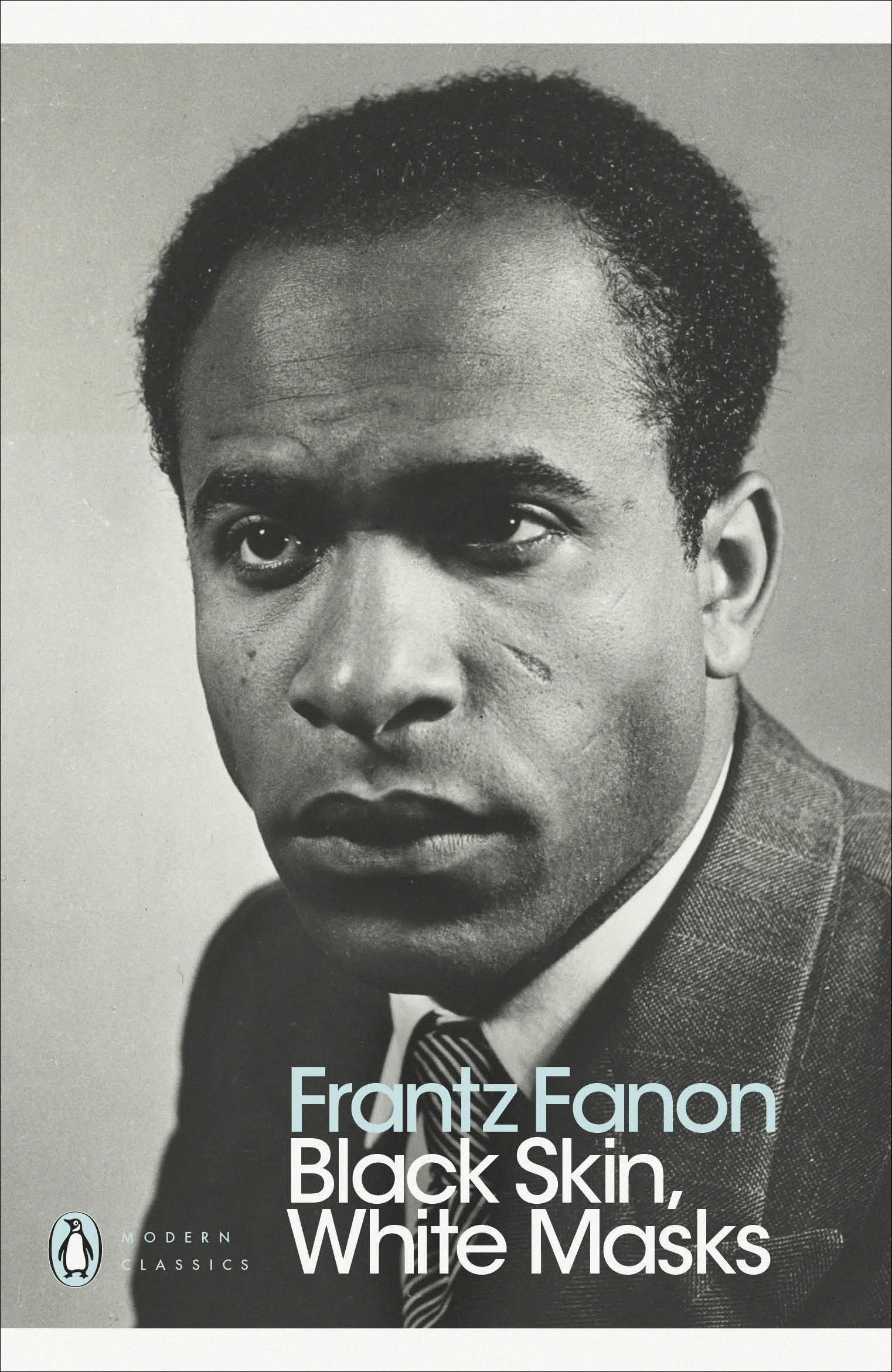
A foundational text in postcolonial studies, Fanon’s Black Skin, White Masks is an unrelenting examination of the psychological violence of colonialism. Writing from lived experience as a Martinican psychiatrist in France, Fanon details how colonised Black people internalise anti-Black racism. He unpacks language, desire, inferiority, and the fractured Black identity under white supremacy. “The colonised is elevated above his jungle status in proportion to his adoption of the mother country’s cultural standards,” he writes. Fanon’s call is clear: decolonisation is a rupture, and it begins in the mind.
Hopes and Impediments – Chinua Achebe
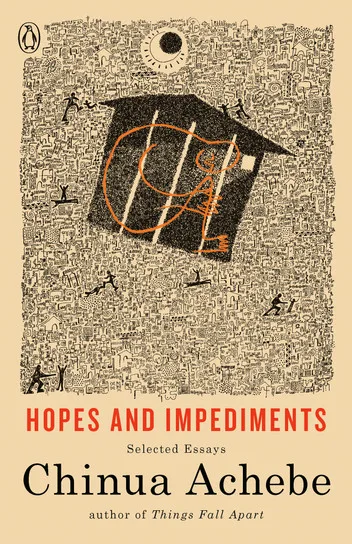
This collection of essays by the Nigerian novelist reflects on African identity, literature, and the legacy of colonialism. Achebe critiques the Western gaze on Africa and defends the power of African storytelling to resist misrepresentation. In one of the book’s most cited essays, he calls Joseph Conrad “a thoroughgoing racist” for Heart of Darkness. Achebe’s sharp cultural and literary analysis demands that Africans not only reclaim their narratives, but also dismantle the ideologies embedded in “universal” literature.
The Politics of Ugliness – Sara Rodrigues and Ela Przybylo (editors)
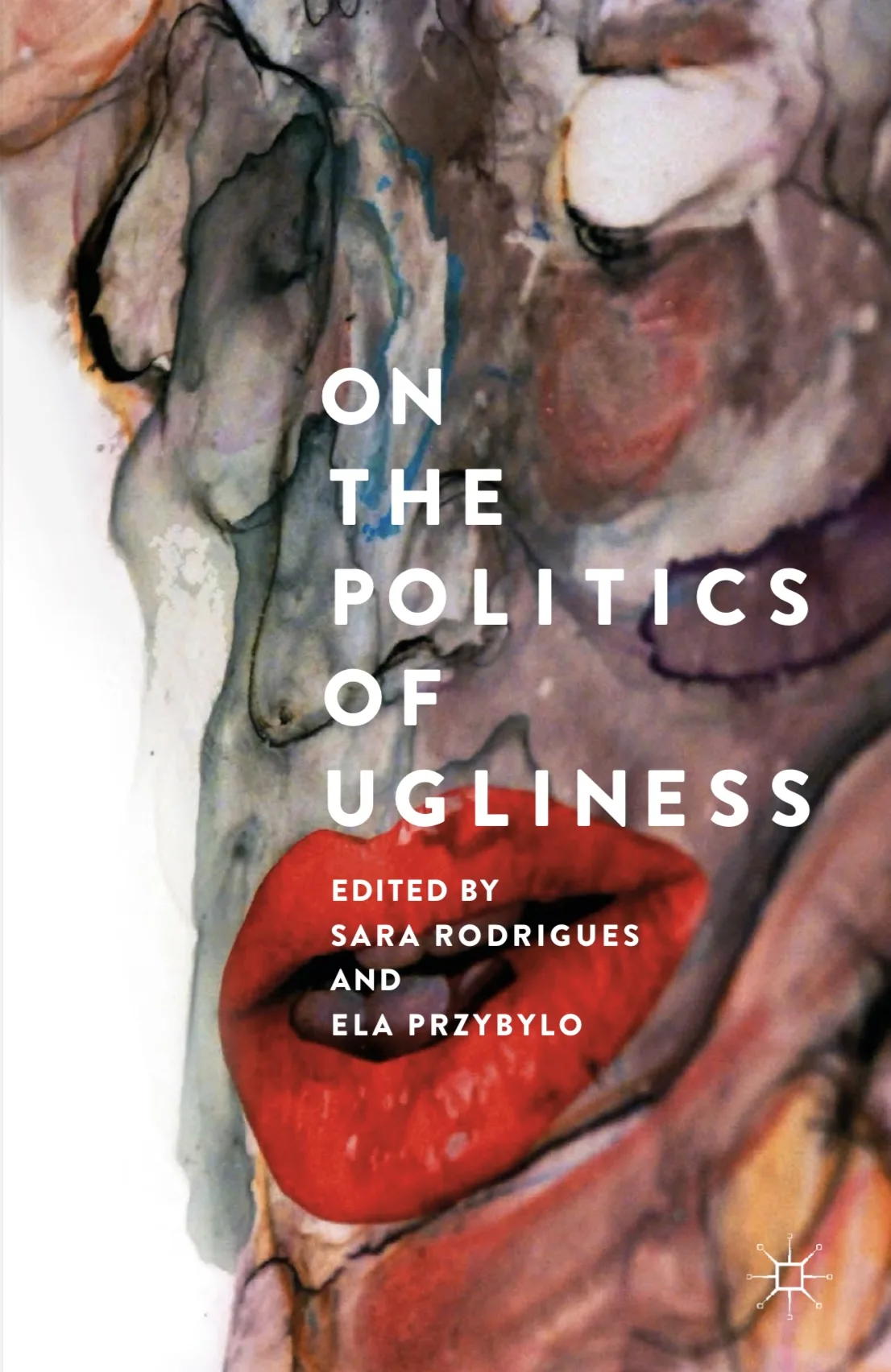
This edited volume asks a powerful question: what makes a body or face “ugly,” and who decides? Through essays grounded in disability studies, queer theory, fat studies and critical race theory, the contributors examine how race, gender, fatness, queerness and disability are used to police beauty and justify exclusion. Ugliness, they argue, is not a neutral aesthetic judgement; it is a political tool that enforces hierarchy and reproduces violence. This is one of my favourite books because it takes seriously the often-overlooked reality that beauty operates as both currency and capital. People rarely understand how deeply lookism wounds, how it informs access, safety, dignity and even life chances. The Politics of Ugliness is a radical intervention into the ways we value bodies and a call to dismantle beauty as a weapon of power.
We Real Cool: Black Men and Masculinity – bell hooks
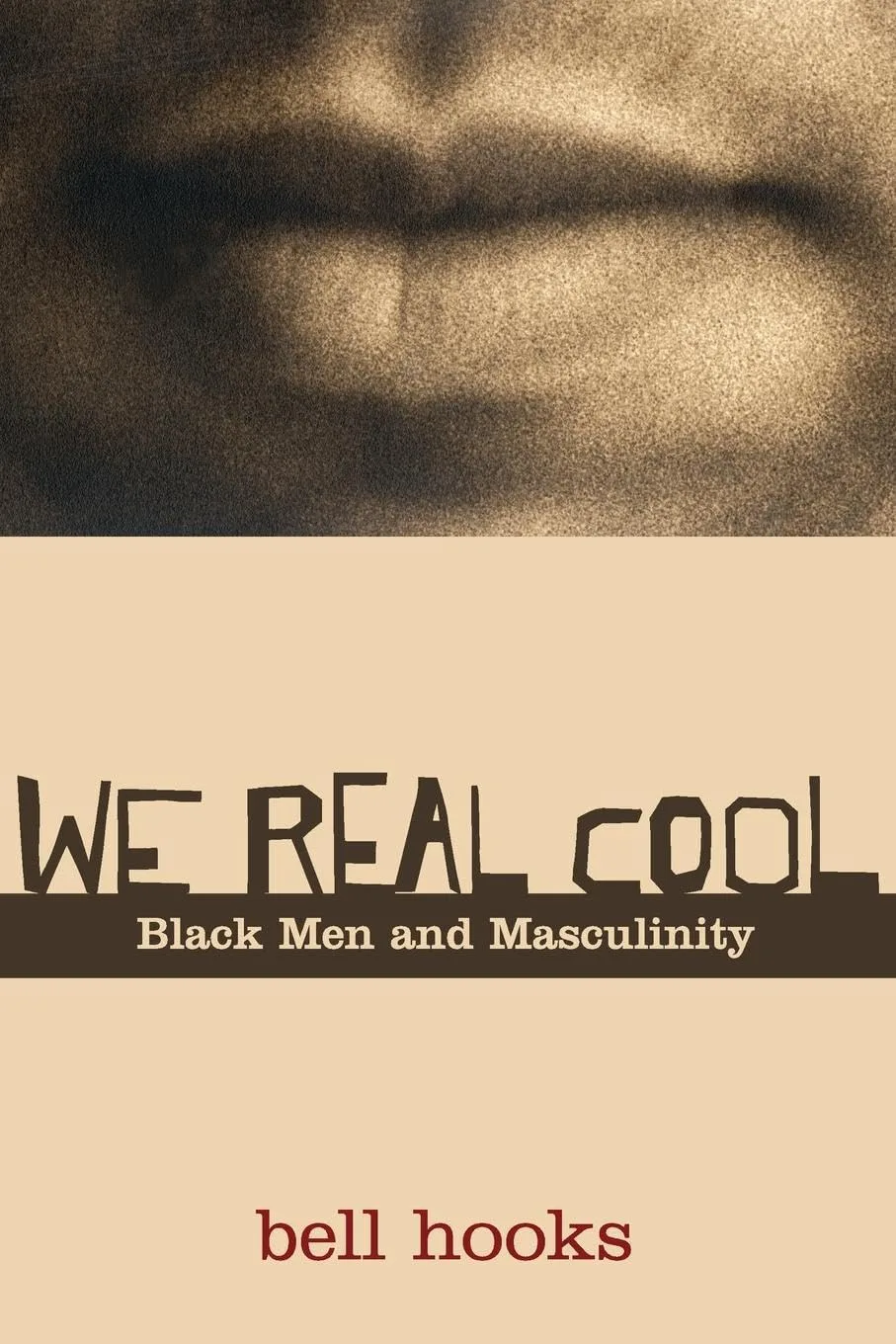
bell hooks confronts the toxic myths around Black masculinity in this searing text. She explores how racism and patriarchy distort Black male identity, pushing many into destructive performance of manhood. She argues that dominant constructions of manhood, centred on control, emotional suppression, and violence, are not innate but imposed, often as a response to systemic dehumanisation. hooks does not excuse harm but contextualises it, insisting that accountability must be paired with structural analysis. The book challenges both the criminalisation and romanticisation of Black men, calling instead for a model of masculinity grounded in care, honesty, and self-reflection. Through close cultural critique and social commentary, We Real Cool offers a sustained argument for why rethinking masculinity is necessary for any serious project of Black liberation.
South Africa: Rape, A South African Nightmare – Pumla Dineo Gqola
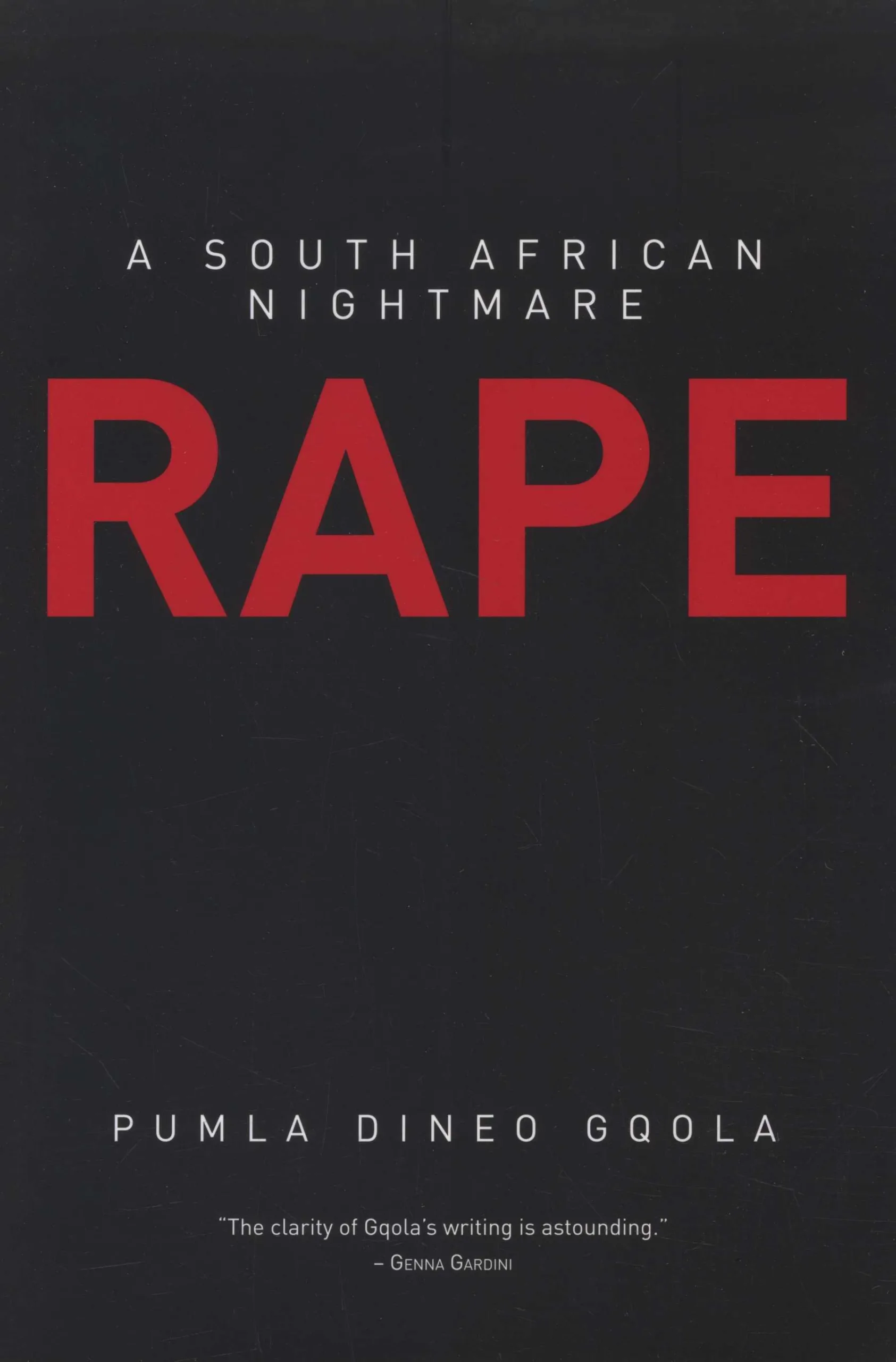
South African academic Pumla Dineo Gqola examines rape culture as a continuation of colonial and apartheid violence. She analyses public trials, national scandals, and historical silences to show how patriarchal power thrives through impunity. Gqola challenges ideas of rape as isolated incidents, revealing instead a society built on gendered domination. The book is heavy but necessary, forcing readers to confront violence not as anomaly but as structure.
Left of Karl Marx: The Political Life of Black Communist Claudia Jones – Carole Boyce Davies
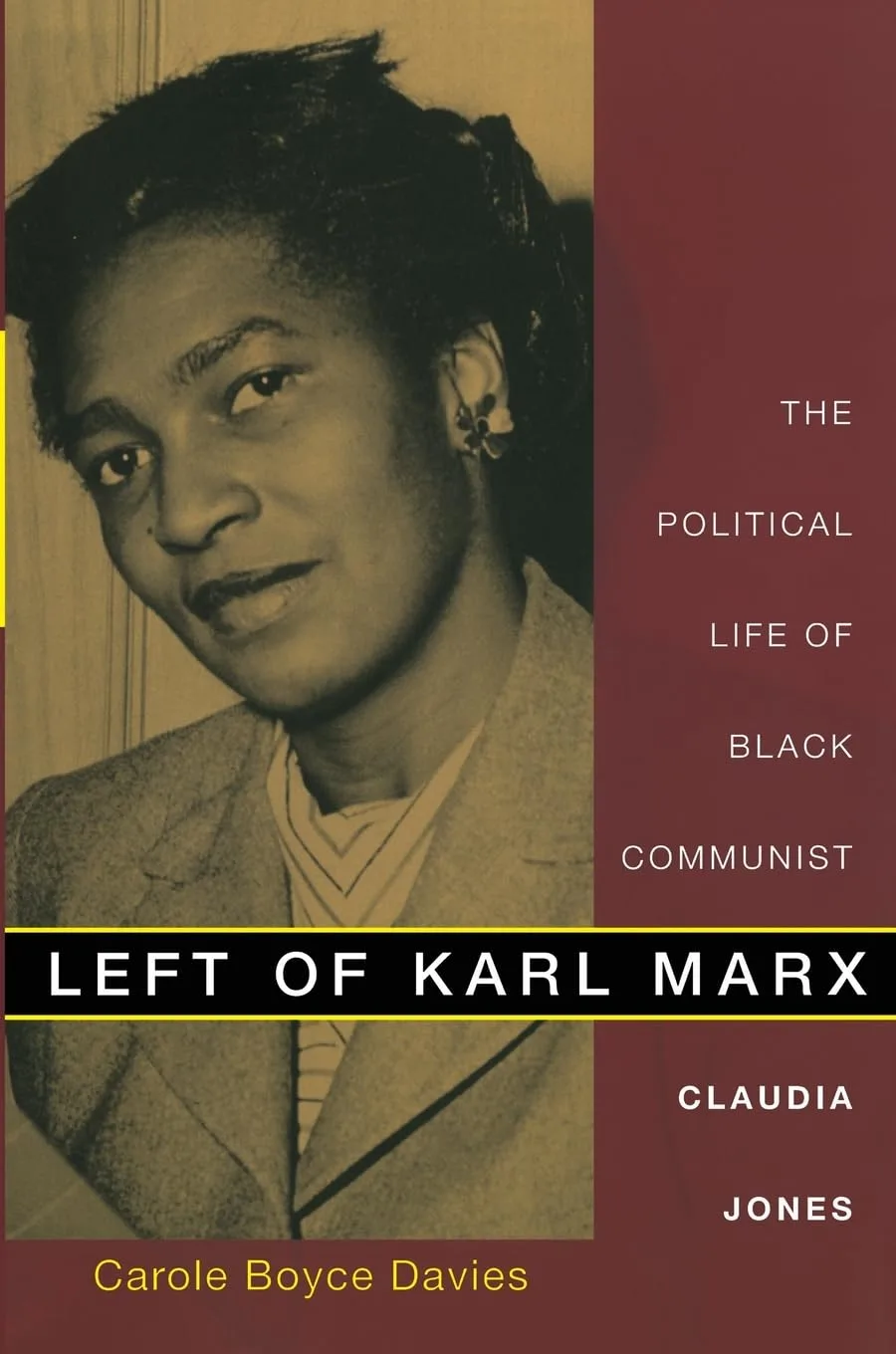
This political biography tells the story of Claudia Jones, a Trinidad-born Black feminist, Communist and intellectual who was deported from the US in the 1950s. Davies shows how Jones’s work predated what would later be called intersectionality. She challenged racism in Communist circles and class-blindness in Black movements. Her writing, including her famous essay “An End to the Neglect of the Problems of the Negro Woman!”, insisted that any radical politics must include race, class and gender.
Oil, Politics and Violence: Nigeria’s Military Coup Culture (1966–1976) – Max Siollun
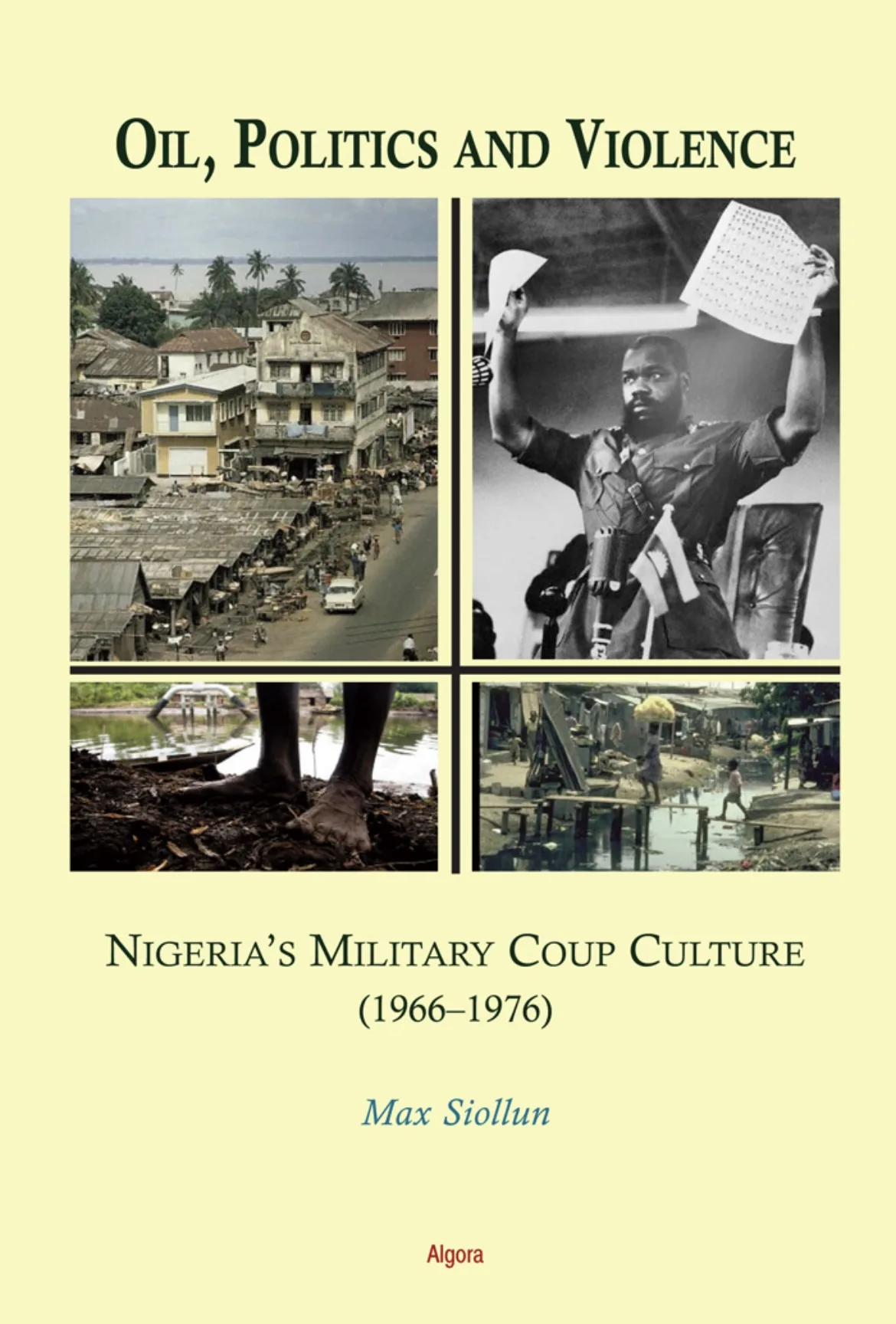
Max Siollun’s detailed historical account traces Nigeria’s descent into military rule, political instability, and corruption in the post-independence decade. Focusing on coups and the role of oil wealth, he reveals how colonial legacies combined with elite competition to produce cycles of authoritarianism. Siollun’s work forces Nigerian readers in particular to reckon with the internal contradictions of independence and the geopolitics of natural resources.
Politics of Reality: Essays in Feminist Theory – Marilyn Frye
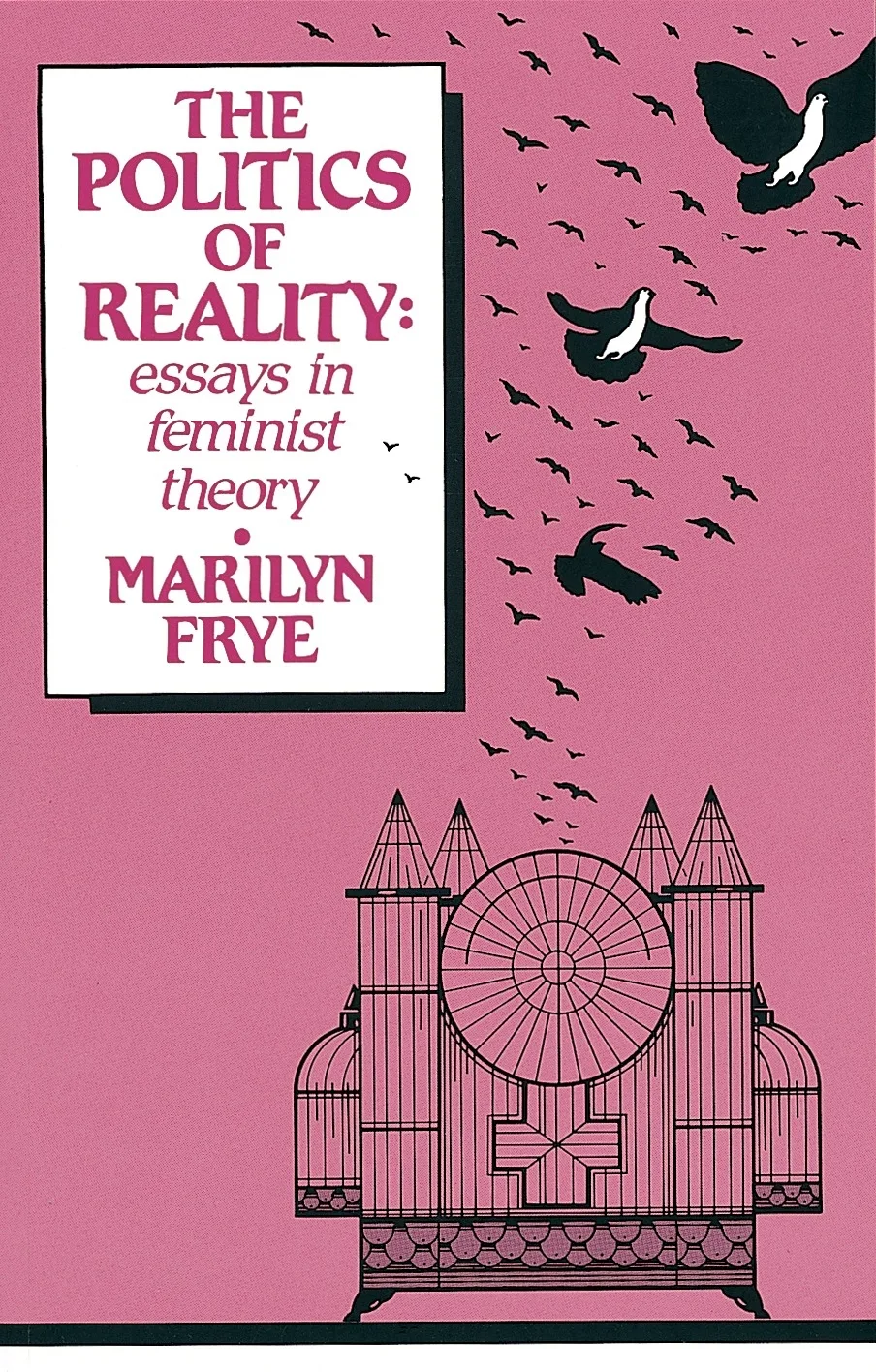
This classic feminist text explores systemic oppression with clarity and precision. In her famous essay “Oppression”, Frye uses the metaphor of a birdcage to explain how seemingly small barriers compound into total confinement. She critiques male privilege, compulsory heterosexuality, and gendered expectations. Radical in its simplicity, this book offers a sharp feminist framework for power and resistance.
The Black Jacobins – C.L.R. James
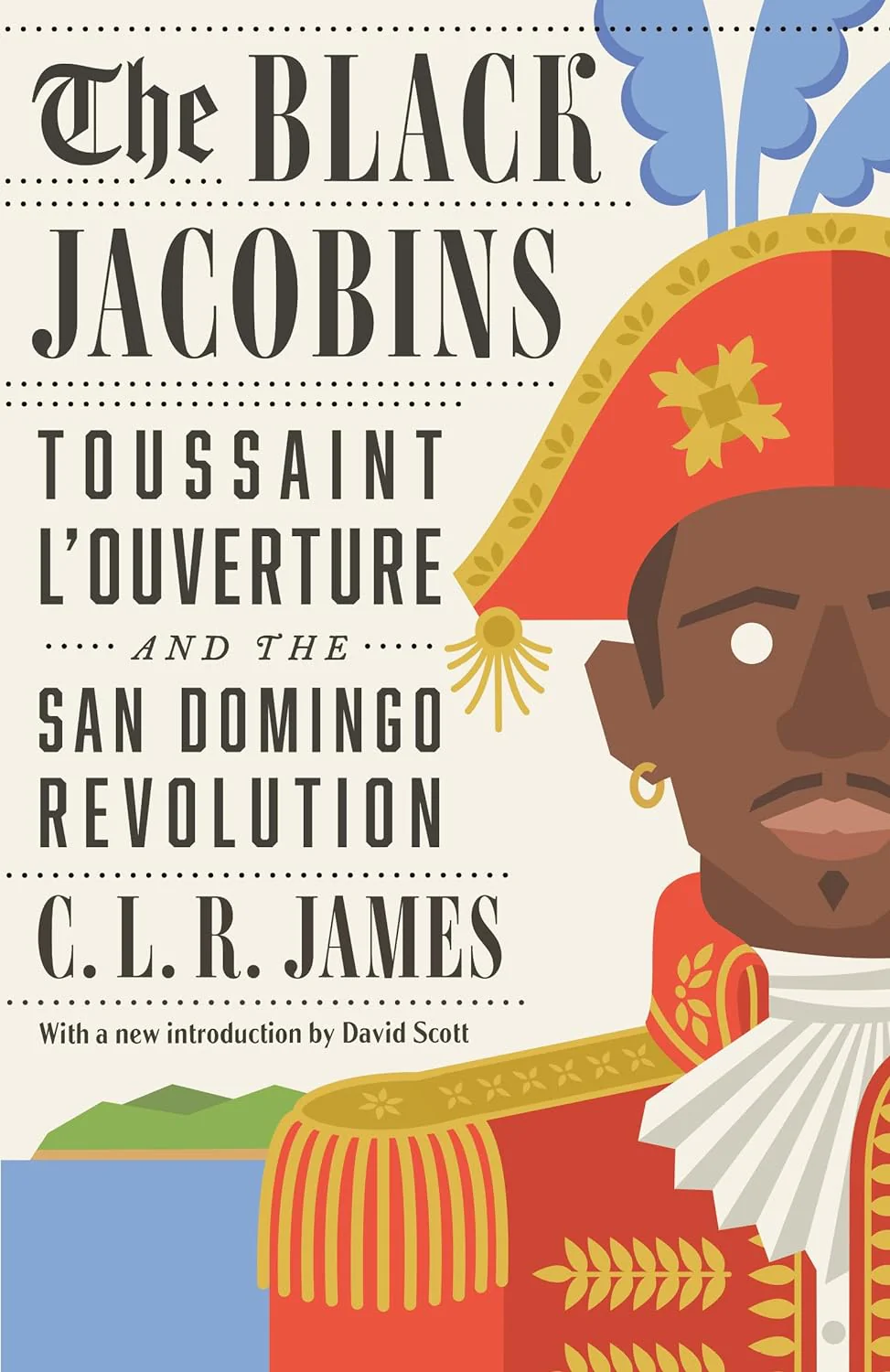
This historical study of the Haitian Revolution by Trinidadian intellectual C.L.R. James is a landmark of radical historiography. James argues that the uprising led by Toussaint L’Ouverture was not only a successful slave revolt but a world-changing event that challenged European imperial powers. Linking Black liberation with class struggle and revolutionary action, The Black Jacobins insists that history is not neutral, and the oppressed are not passive.
Decolonising the Mind – Ngũgĩ wa Thiong’o
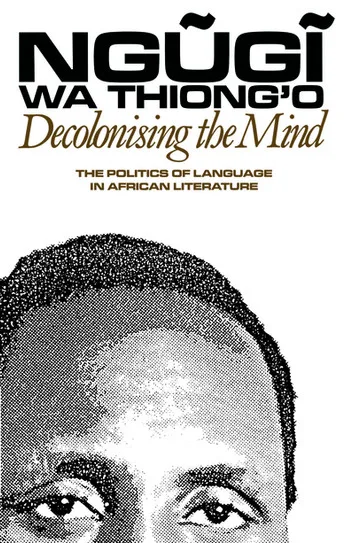
In this seminal work, Kenyan writer Ngũgĩ wa Thiong’o argues that colonialism’s most dangerous weapon is language. By privileging English and marginalising African languages, colonisers controlled thought, culture and imagination. Ngũgĩ calls for African writers to write in their mother tongues and reject the cultural imperialism embedded in education systems.
Women and the Nigeria-Biafra War: Reframing Gender and Conflict in Africa – Gloria Chuku and Sussie U. Aham-Okoro (editors)
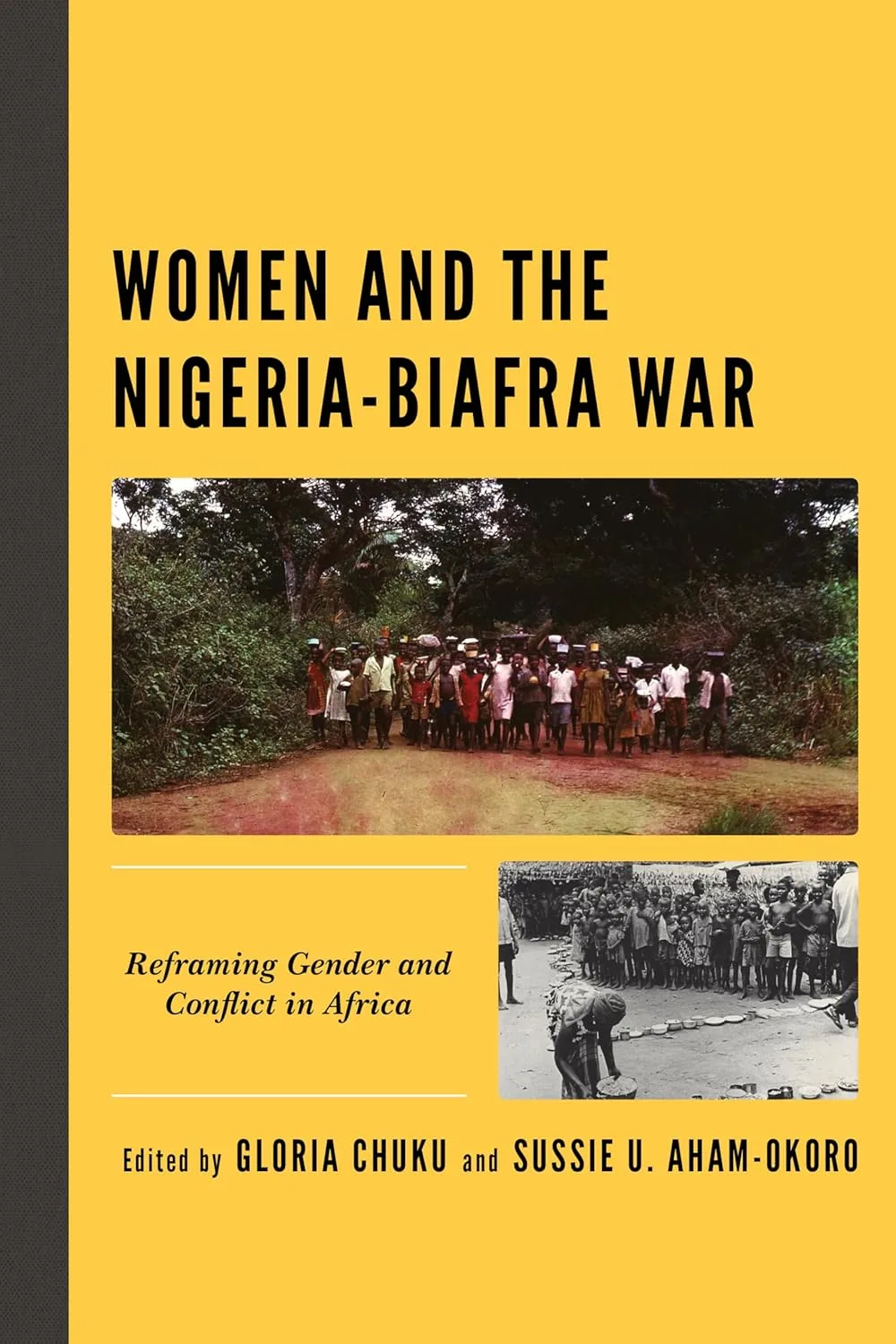
This volume re-centres women’s experiences in the Nigeria-Biafra War, which are often excluded from mainstream war histories. The contributors examine how women served not only as victims or nurses, but as soldiers, activists, and narrators of memory. Using oral histories, literature and critical analysis, the book exposes how war reshapes gender and how gender reshapes war. It challenges dominant national narratives and insists on the complexity of women’s roles in conflict.
Sissy Insurgencies: A Racial Anatomy of Unfit Manliness – Marlon B. Ross
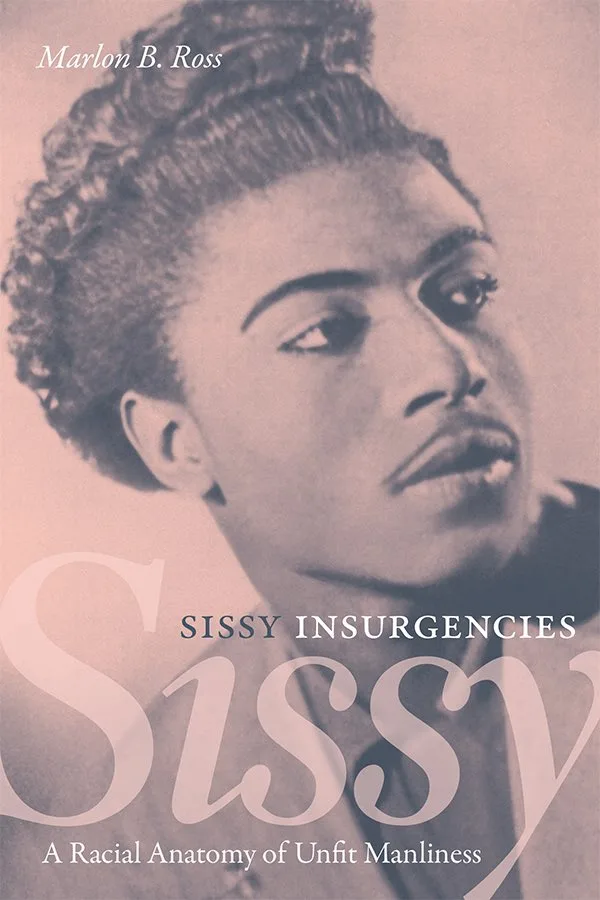
Marlon B. Ross delivers a critical rethinking of masculinity through the lens of race, queerness and colonial history. By centering the figure of the “sissy” (a bigoted term) Ross reveals how Black queer men have long challenged the state’s violent demands for masculine control, heterosexuality and dominance. He positions “sissiness” as a political threat to the entire stature of patriarchal, white supremacist society. In refusing conformity, the sissy becomes insurgent. “Unfit” manhood, Ross argues, exposes the fragility of masculinity itself and makes space for alternative ways of being, desiring and resisting.
Boy-Wives and Female-Husbands: Studies in African Homosexualities – Stephen O. Murray and Will Roscoe (editors)
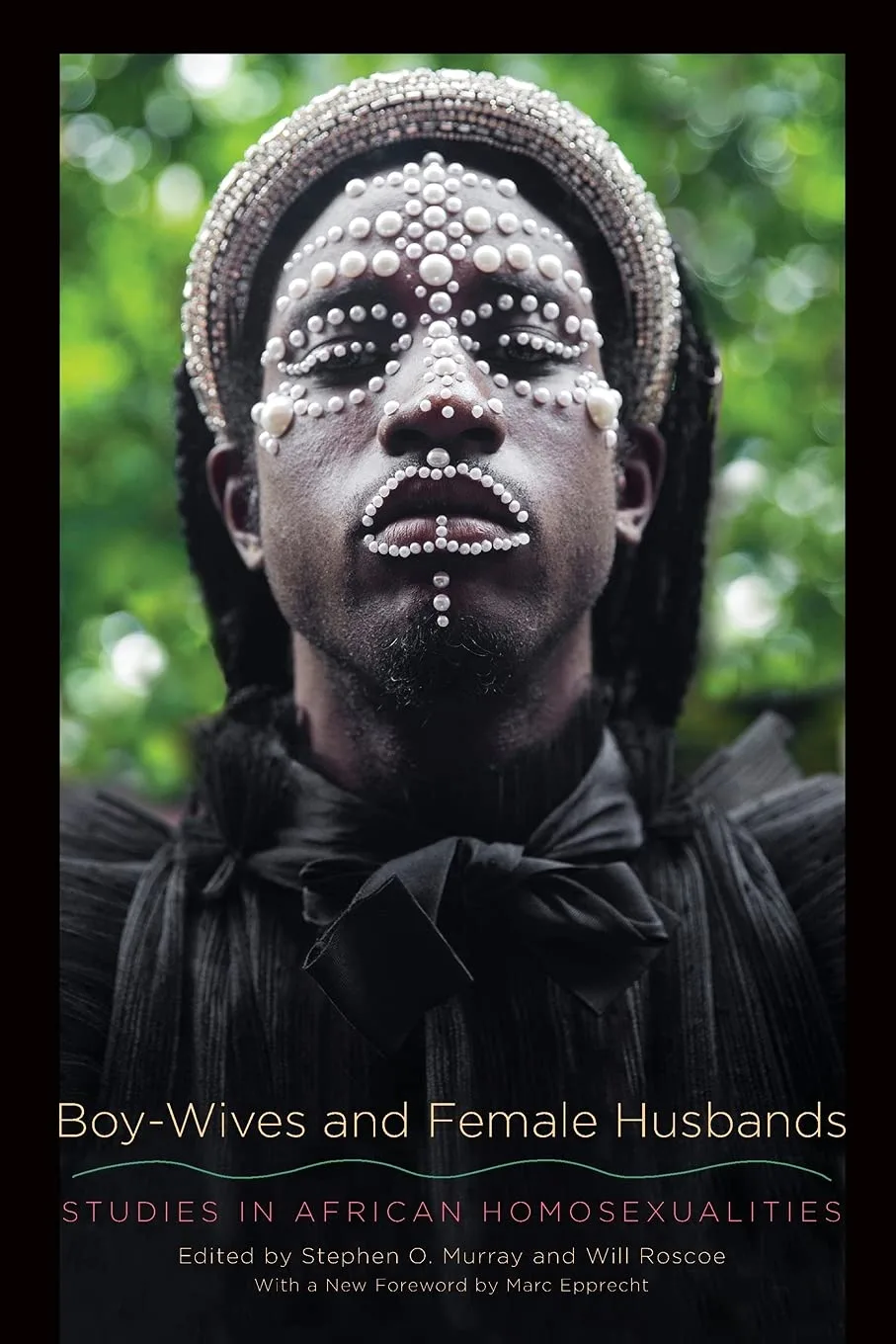
This groundbreaking volume dismantles the colonial myth that queerness is foreign to Africa; that being queer is “un-African.” Through rigorous historical and anthropological research, the book documents same-sex relationships, gender fluidity and queer social structures that existed across precolonial African societies. From male-male military partnerships among the Azande to woman-woman marriages among the Kikuyu and Igbo, the text reveals how African cultures once recognised and institutionalised non-heteronormative roles. Colonial rule violently erased these practices through Christianity, law and medicalised homophobia.
A Problem from Hell: America and the Age of Genocide – Samantha Power
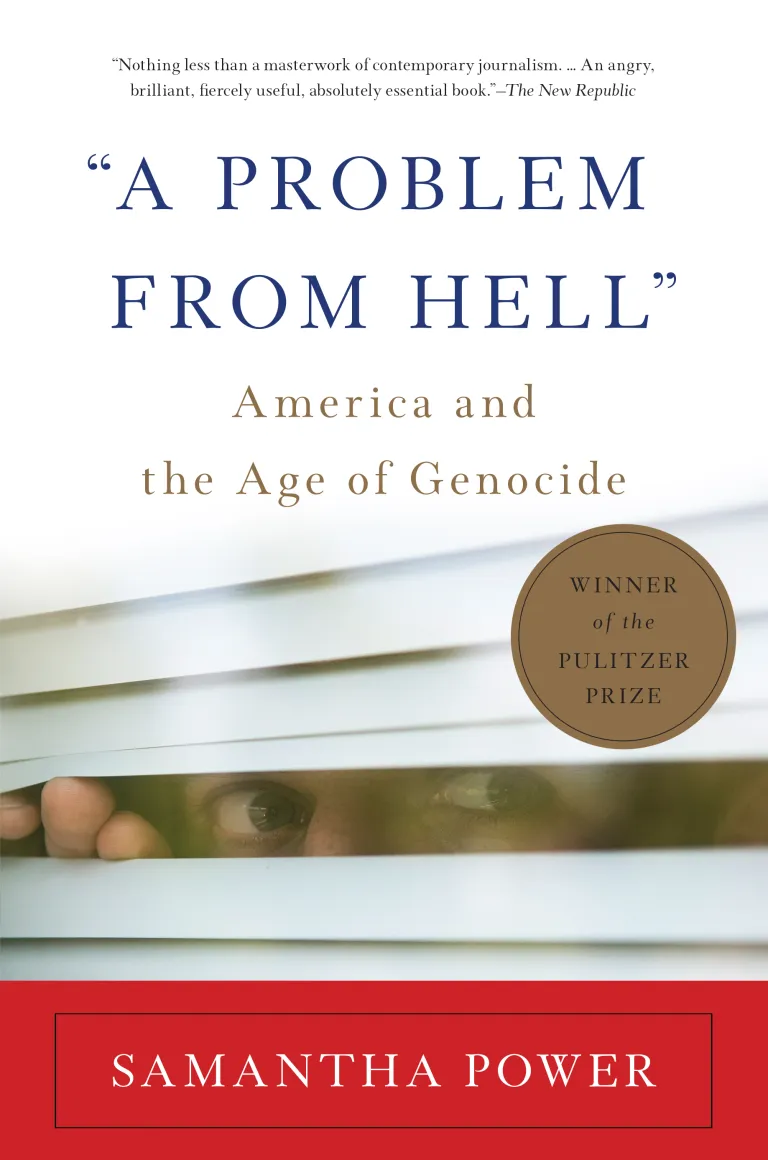
In this Pulitzer Prize-winning work, Samantha Power investigates the United States’ repeated failure to prevent or intervene in genocides throughout the 20th century — from Armenia and the Holocaust to Rwanda and Bosnia. Drawing on archival research, government records, and firsthand accounts, Power argues that U.S. inaction was rarely due to lack of information, but rather to political calculation and institutional unwillingness. The book explores how legal frameworks, such as the Genocide Convention, have been undermined by selective enforcement and strategic silence. Through detailed case studies, Power critiques the gap between moral rhetoric and political action, exposing how global power often depends on what violence is ignored.
The Body Is Not an Apology: The Power of Radical Self-Love – Sonya Renee Taylor
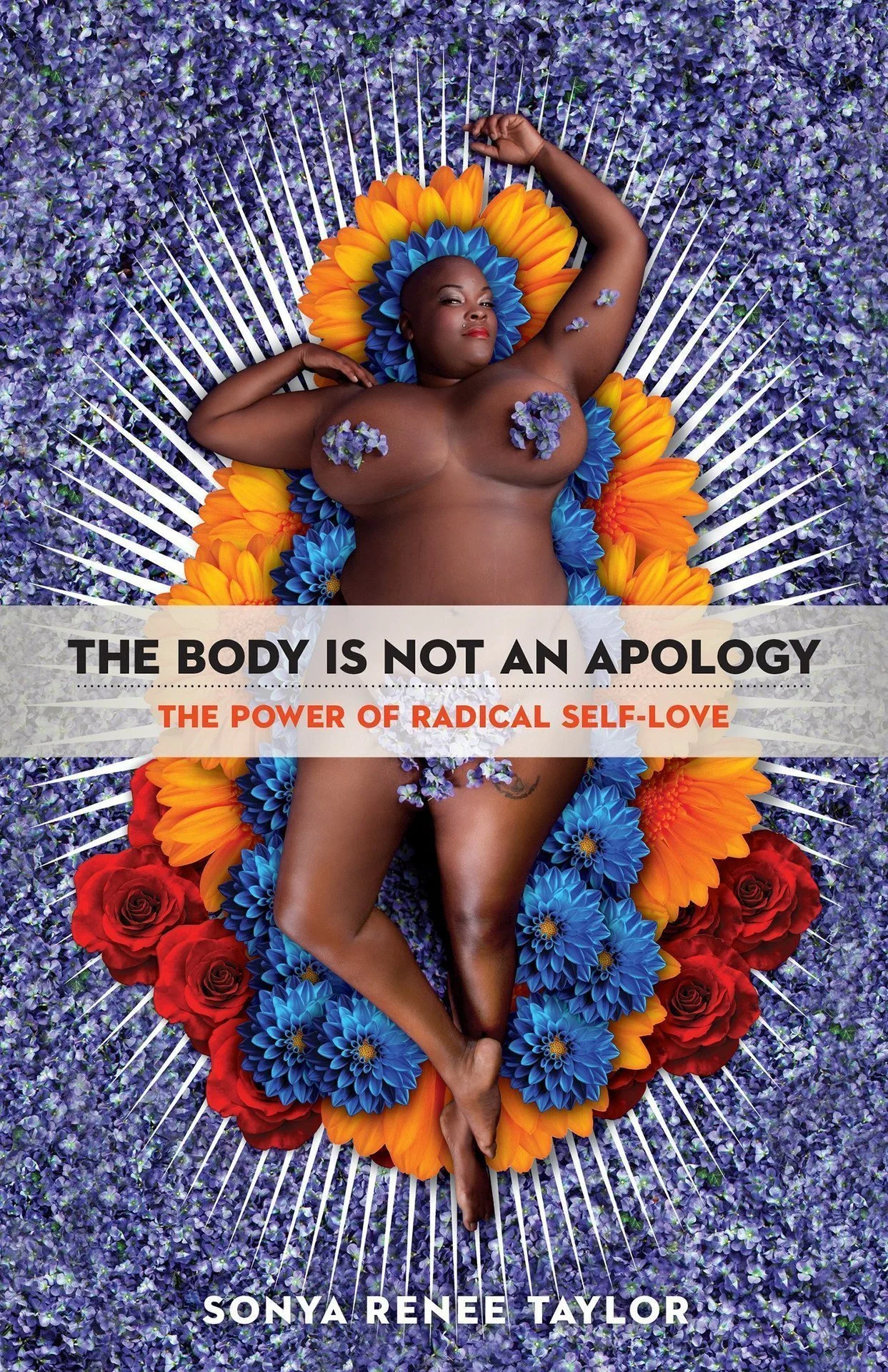
In this urgent and deeply personal manifesto, poet and activist Sonya Renee Taylor argues that systems of oppression — racism, fatphobia, ableism, transphobia and capitalism — depend on body shame to function. Taylor names radical self-love as political resistance. She challenges the notion that our bodies are problems to fix and instead insists that they are sites of power, memory and liberation. Taylor’s work repositions the body as a battleground and a birthplace for freedom.