


Tune in to listen
Bounce FM

Sometimes, piracy fills a gap that the original rights holders have simply abandoned.
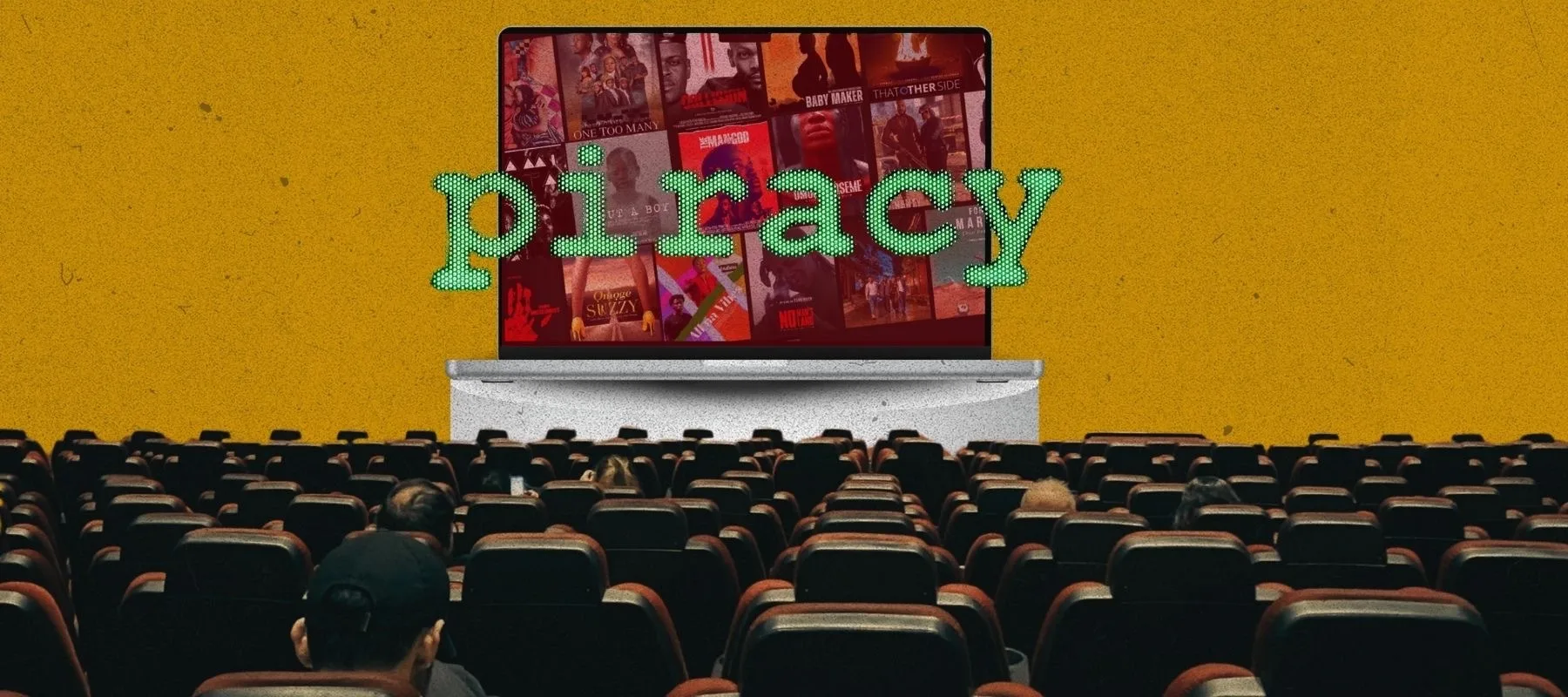
Everyone agrees piracy is wrong. Yet millions of Nigerians still watch pirated films, download leaked albums, and read PDFs of books they never paid for. The question is no longer whether piracy is illegal. The real question is: why does it remain one of the most reliable ways people access culture?
To honestly answer that question, we need to look at the holes it fills. Privacy thrives because it tends to emerge where access is limited, distribution systems are incomplete, or pricing pushes cultural products out of reach for large parts of the population.
Piracy conversation in a third world country pic.twitter.com/a7et8lzBwH
— Rigby (@rigby_exe__) March 3, 2026
In Nollywood, for example, the economics are impossible to ignore. Less than ten years ago, a cinema ticket cost only ₦500; today, ₦5,000 is often the minimum. That is a tenfold jump in a period when salaries have barely moved, and the naira has repeatedly lost value. So when a film appears on a Telegram channel two days after it hits cinemas, the fact that people download it is not entirely mysterious. In many cases, it reflects an economic reality more than a carefully considered ethical choice.
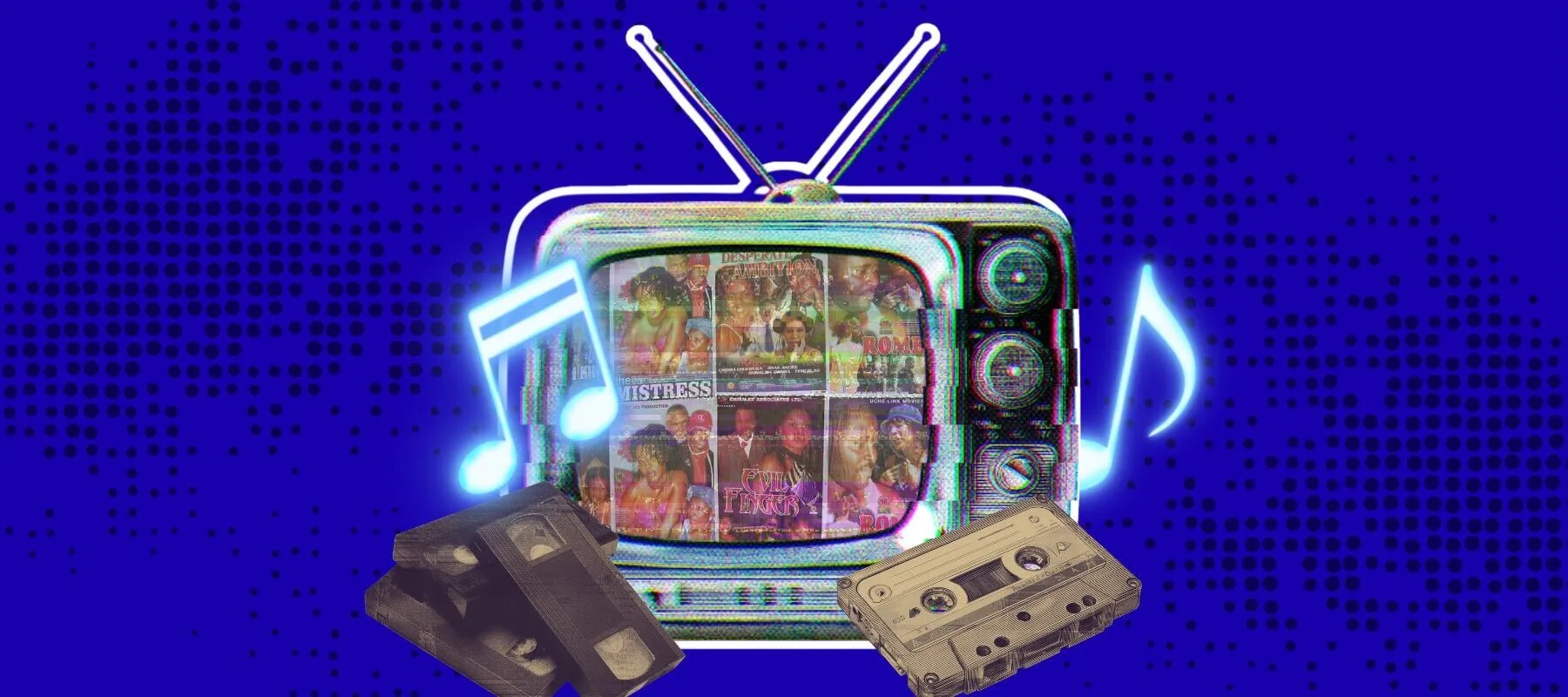
But economics is not the whole story when it comes to film. Sometimes, piracy fills a gap that the original rights holders have simply abandoned. Consider the old Nollywood catalogue: the home video classics from the late 1990s and early 2000s that shaped an entire generation. Many of those films are not on any streaming platform. The producers never digitised them, never archived them properly, and never made them available to the public in any legal format.
Into that void, film lovers have stepped in, uploading these movies to YouTube. It is unauthorised, certainly. But it has also become one of the ways those films remain visible today. When the alternative is obscurity, the moral boundaries around piracy begin to blur slightly. What looks like infringement can also look, from another angle, like preservation.
The access problem becomes even clearer when you zoom out to international content. Before Showmax struck a deal with HBO to bring shows like “Game of Thrones,” “House of the Dragon,” “Succession,” and “The Pitt” to Nigerian screens, there was simply no legal way to watch them here. HBO Max does not operate in Africa. Apple TV+ is not available in Nigeria.
Now, with Showmax discontinuing its service in Nigeria, the brief window that made legal access possible is closing again. But the shows themselves are not going anywhere. Nigerians will still want to watch them. And when a product exists but cannot be accessed through official channels, alternative channels tend to emerge.
The literary world is where the piracy debate gets especially tense, and some serious conversations have happened in recent days. Books are expensive, libraries barely function in many places, and for many young Nigerians, a single novel can cost what amounts to a day’s wage. In that vacuum, PDFs circulating on Telegram and WhatsApp start to look like an informal library system. But from the other side — writers and publishers working within a fragile industry — those same PDFs raise a difficult question: if everyone reads for free, who pays for the next book? In a country where books are both scarce and costly, piracy ends up sitting uneasily between access and sustainability.
You people are not going to make reading a luxury on my watch
I support book piracy as long as you’re not profiting off it
In this part of the world we don’t have access to libraries and hard copy books are so expensive
What are poor people like me supposed to do? Not read?— CHI$OM (Hates APC)🎀🐆✨ (@_chiceeeyyy) March 3, 2026
The insults here are … interesting. That you have a “good reason” for doing a bad thing doesn’t mean you change the essence of what you’re doing. Being hungry for knowledge or deeply interested doesn’t change the fact that piracy is intellectual property theft. https://t.co/XIwJAGmSic
— Jola (@Jollz) March 3, 2026
Music presents another version of the same story. Many veteran Nigerian artistes are yet to upload their catalogues to digital service providers, leaving gaps that others have filled without permission. Lagbaja, one of the most distinctive voices in Nigerian music history, has not uploaded his music to major streaming platforms like Spotify or Apple Music. For younger listeners discovering him today, the easiest place to find his songs is YouTube, where they have often been uploaded by anonymous accounts. Technically, this is piracy, but it also preserves cultural work that might otherwise remain inaccessible.
What will it take to get Lagbaja's catalogue on DSPs? I am looking for the song he released to celebrate The Dream Team winning Atlanta '96, and I can't find it anywhere. Some musicians should know that history will move on without them if they don't move with the times.
— Ayomide Tayo (@AOT2) August 29, 2025
I'd just like to say that piracy is the reason a lot of media, that would otherwise be lost to time, still exists.
— Unicorn Dreams (@PinkPsychonaut) March 3, 2026
None of this is justification. Piracy still affects creators trying to survive in fragile markets: filmmakers recouping production costs, writers scraping by on thin advances, and artistes relying on streaming royalties. But it also reflects structural realities: weak infrastructure, limited distribution, high costs, and persistent gaps in access. Understanding piracy requires holding two truths at once: the system leaves many Nigerians without legal access to culture, and those same gaps come at the expense of the creators.
This is why the debate rarely settles into neat moral clarity. Condemning it is easy. Understanding why it persists and why so many otherwise law-abiding people participate in it demands a far more honest conversation, one that recognises the tension between access and ethics, and the uncomfortable space where both realities meet.