



Tune in to listen
Bounce FM

The music industry has now spiralled into a point where luxury has become a template for every hit song.
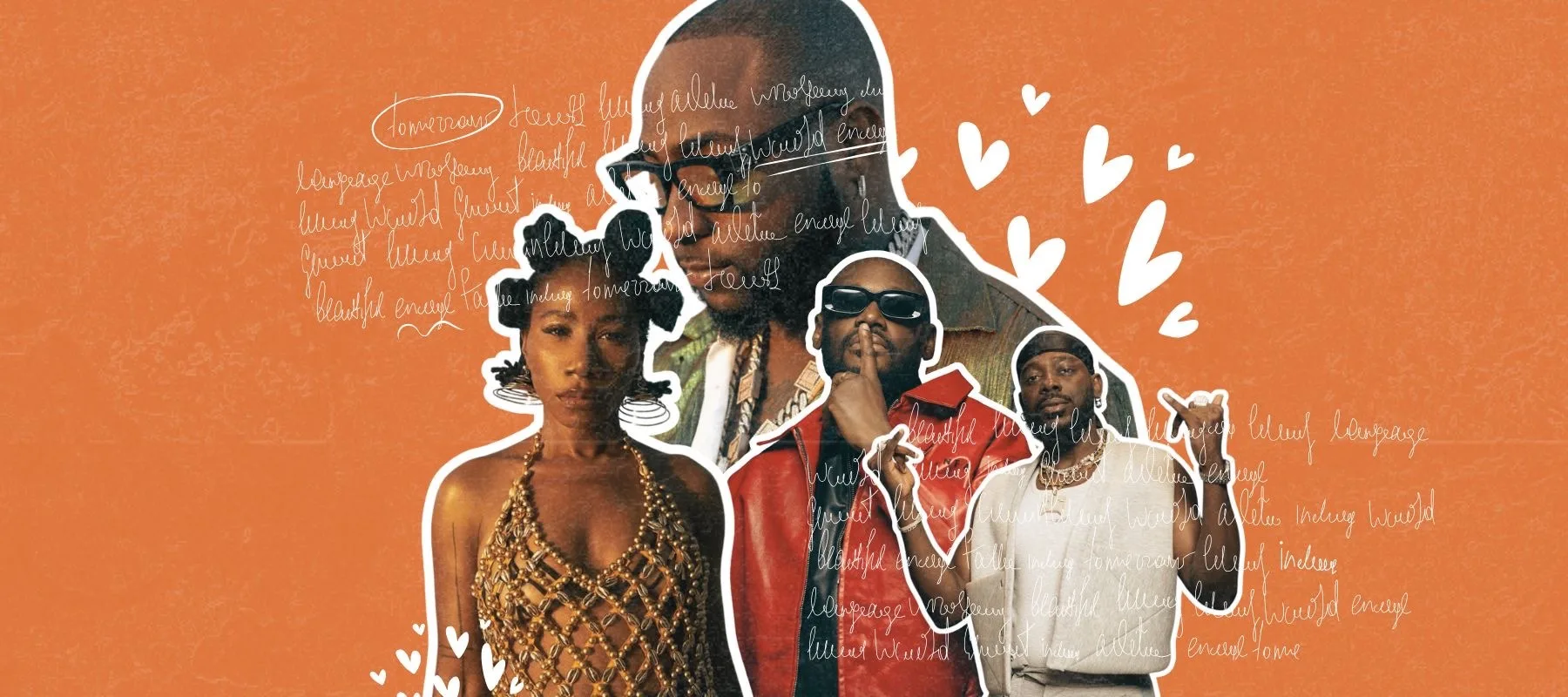
Years before Nigerian music was deeply characterized by flex and “cana-inspired” anthems, music videos were marked by enthralling visual storytelling that drove narratives. The songs were at their peak, but the videos were on another level. They kept us glued to our TVs, and when YouTube took over, we were still entranced by the videos they made.
At the time when Nigerian music began taking a full turn towards luxury anthems and club hits, the music videos still stayed full-throated, expressing various colours of our realities. Whether they inspired a lifestyle, invigorated hope, captured love in the purest and most intense form, or criticized societal ills, there were times when music videos mattered more than anything.
Unlike today’s pop artistes, who create music for acclaim, wealth, TikTok virality, and chart metrics, Nigerian music at the time was laced with storytelling that defined moments—and, by extension, their videos became ingrained in our memories. These music videos stuck because of the stories they told; simple, emotional, reflective of the times, and culturally artistic while driving a narrative.
It is also similar to the film industry, where most modern Nollywood movies are characterized by luxurious repetitive aesthetics and ostensibly Lagos scenery. Perhaps it’s a reflection of one industry over another. Sadly, Nigerian music videos today prioritize luxury aesthetics over narrative storytelling. This isn’t just about the industry’s global explosion, but about embracing Western values that strip away every sense of local culture.
There was a time when Nigerian music videos told stories not just of love, but of longing, class, aspiration, and heartbreak that felt lived-in. You could watch a video and remember the characters and plots. There were arcs, conflict, resolution, and even tenderness. Years ago, video vixens were memorable fixtures, and dancers were part of the spotlight. Whereas now they have become fleeting background aesthetics and video props.
During the late 2000s to mid-2010s, Nigerian music videos hit differently, with artistes deeply invested in visual storytelling. At the time, R&B was less cynical, and Afropop had become locally embraced. Artistes would explore romantic arcs, character-driven plots, and emotional vulnerability to address realities such as marriage, dating, hustle culture, and social activism.
Perhaps the greatest African love song, “African Queen” by 2Baba, didn’t cement its status as a classic solely for its deeply rooted emotions and melodious lyrics. The music video embodied everything about the title: a clear romantic narrative, character-driven, and emotional sincerity, while staying rooted in African culture. It wasn’t just another music video known for its love song; it was a visual confession from one of Africa’s greatest acts.
Another classic love-inspired record that stays top of mind forever, “Olufunmi” by Styl-Plus, drove the era of narrative videos. Despite the music video subtly capturing affluence in the settings, it explored the complexities of love in a human and in-depth manner. The heartbreak and relatable relationship tension stemmed from the everyday Nigerian settings.
Mid-2010s love anthems like Davido’s “Aye” and Adekunle Gold’s “Orente” were greatly revered for their visual storytelling driven by local culture. While the songs went viral for their emotive melodies and catchy hooks, the music videos never struggled to garner massive acclaim. The simplicity of the visuals, the driving themes of marriage arcs, average Nigerian relationships, and cultural elements all defined a love story rooted in commitment.
But this era was beyond love ballads and anthems. Artistes like Asa used their music videos for songs like “Jailer” and “Fire On The Mountain” as metaphors for oppression, political corruption, and socio-political crises in the country. In the latter song produced by Cobhams Asuquo, Asa used her music video to address security issues (banditry, terrorism), economic crises, and political accountability.
Not to say there aren’t modern Nigerian artists integrating storytelling into their artistry. Artistes like Simi, and Falz have explored this in various music videos. Using songs like “Soldier” and “Child of the World,” these artistes conveyed cultural narratives and fostered social consciousness. They redefined music videos as short films.
If anything, storytelling was once an integral part of music videos, but it’s now missing from modern Afro-pop. The music industry has now spiralled into a point where luxury has become a template for every hit song.
Recurring elements include expensive bottle service, designer outfit changes, mints and women as visual props, and flashy cars and locations outside the continent. Even when the song itself embodies elements of traditional music, like Wizkid’s “Kese,” or emotional depth, like Seyi Vibez’s “Pressure,” the visuals stray from the themes.
In Davido’s “Away,” the visuals favour exotic locations without a defined plot or emotional journey. A similar pattern appears in Shallipopi’s “Oscroh (Peperline)” and the Wizkid-featuring “Money Constant,” where luxury and vibe serve as the primary story. It’s not illogical to question why we are here narratively, as most music videos surface with no backstory.
While this isn’t entirely a recent development, where songs like Olu Maintain’s “Yahooze” and D’banj’s “Endowed” existed, today’s Nigerian acts have completely gone off the trail of narrative videos that were once the order of the day.
Somewhere between “Afrobeats to the world” and “soft life” becoming a cultural mantra, storytelling quietly fell out of the frame. What replaced it is luxury — loud, hedonistic, and most times, foreign.
This is beyond big budgets but about imagination. When every video is a flex, nothing feels intimate. And when nothing feels intimate, the music loses its emotional memory. In the expansion of our music, we have perfected the aesthetic of success but abandoned the art of storytelling.
Thanks to the success of Nigerian music becoming a global export, our music rapidly became designed for cross-border consumption. This meant artists prioritising an international sense of luxury over local nuance.
And since Afrobeats existed mainly for pleasure and euphoria, soft life culture was ingrained in our music videos. It didn’t matter if you didn’t understand wealth; the affluence displayed in songs like “Laho” and “Big Baller” could instill something in you.
In an old tweet, Video Director TG Omori argued that Afrobeats music videos require no storyline but instead focus on feel-good aesthetics, and that netizens shouldn’t demand storytelling in videos since most songs don’t depict any elements of it.
Afro beats Music videos ain’t movies, stop looking for storyline where storyline no Dey, sometimes music videos are made to create aesthetics n make u feel good, song wey no get storyline or direction you Dey find papa and mama drama inside.
— TG OMORI (@boy_director) August 25, 2022
While this is also a reflection of the decline in songwriting and the evolution of the digital era, the concept of wealth as identity and success as performance has shaped how music videos reflect social values.
The debate on whether today’s audiences desire narrative videos, especially since they require patience, is one this writer wouldn’t ignore. But one thing is clear: the audience will feed on what you give them. And when music videos continue to stray into incessant luxury themes, we risk losing emotional depth and culture.
In this era of digital technology and global expansion, there’s no better time for Nigerian music acts to embrace the concept of storytelling in their music videos.
Now more than ever, artistes and directors need to work hand-in-hand in preserving culture in visuals, the same way producers and artistes are locked in on music production.
Directors like Perliks, Jyde Ajala, and Director Pink, amongst others, have notably redefined this side of artistry. Their music videos have explored short-film formats, romantic storytelling, and artistic experimentation.
Perhaps the root of this discourse stems from the reflection of societal values. But if every video is inflated with incessant luxury with no backstory and emotional connection, none will feel memorable. Although directors like TG Omori believe music videos are mostly an expression of an artiste’ personality and how they want to be perceived.
But if Nigerian music wants to continue building a legacy, not just a lifestyle, its visuals must remember how to tell stories that make you feel and not just flex.