


Tune in to listen
Bounce FM

With recent debates supporting its commercialization, it is evident that lyricism no longer holds currency in Nigerian hip-hop.
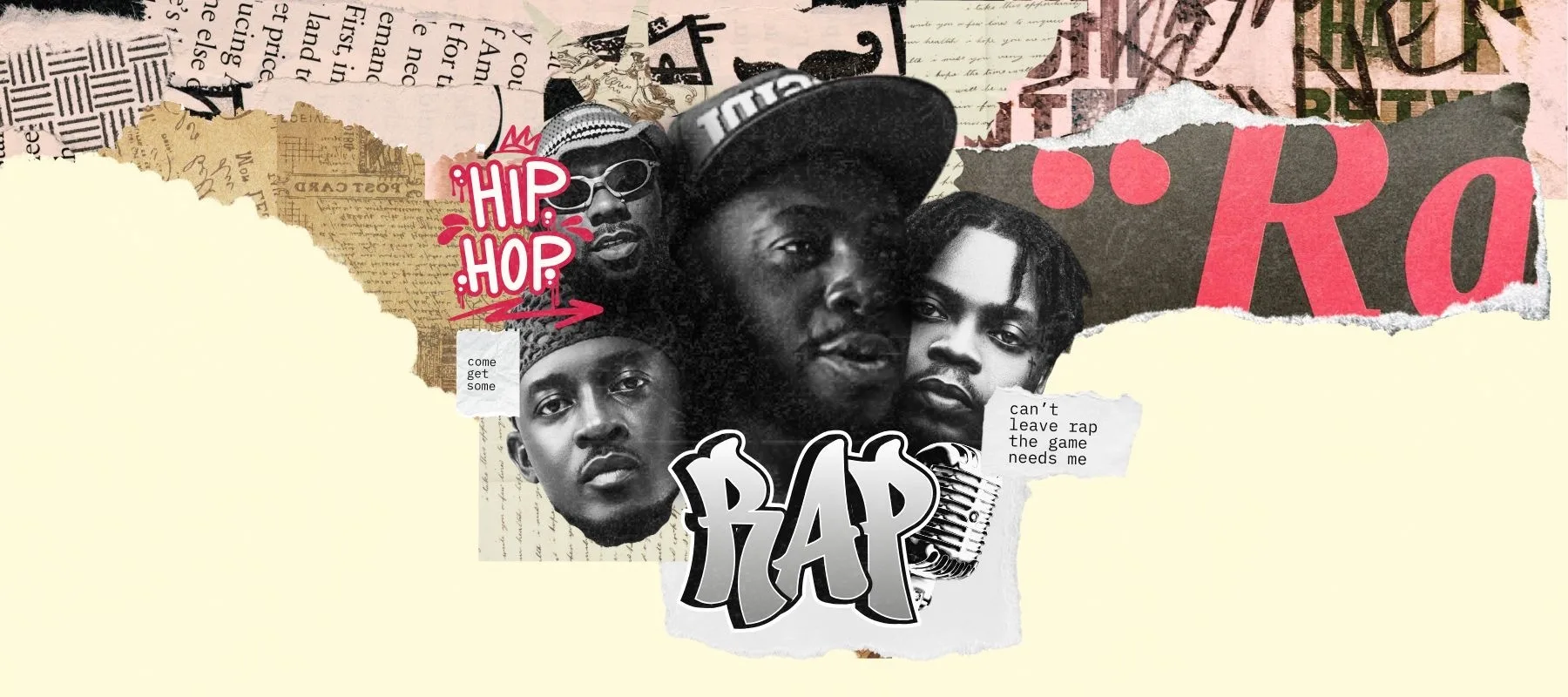
Nigerian hip-hop over the last two decades has evolved exponentially, experiencing a metamorphosis marked by a zeitgeist wave of the finest lyricists and serial hitmakers. Before Afrobeats became a global phenomenon, Nigerian hip-hop had already achieved local and international stardom, becoming a definitive answer to what prominent contemporary music was.
From early imitations of global influences to a culturally rich genre marked by local dexterity and class, to a recently commercialized culture characterized by street authenticity, the Nigerian hip-hop scene has unarguably been a force of reckoning and a driver of the entire Nigerian music industry.

While the debate on who holds the Greatest of all time (GOAT) status will always linger, the evolution of rap culture in Nigeria has been an eye-opener. The rap industry has spiralled from the swaggering cadence heralded by purist and lyrical juggernaut Modenine, to refined and charismatic emcees like Naeto C and eLDee, and to forerunners like M.I and Olamide who commercialized the art for widespread relatability.
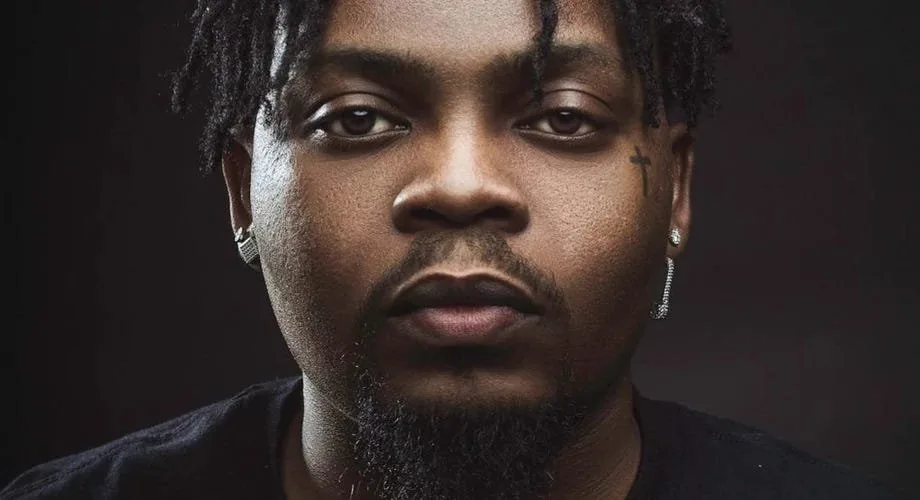
The early 2007s to mid-2010s allowed us to experience the cultural impact of Nigerian hip-hop despite the local success of Nigerian pop music. Hip-hop artists and rappers were an emblem of the music industry, turning bars into slang, lyricism into cultural moments, and hip-hop into an embraced lifestyle.
While new acts like ODUMODUBLVCK, Blaqbonez, and Shallipopi expanded the horizons of Nigerian hip-hop, the industry still feels like it’s in a midlife crisis, whereas Afrobeats is colonizing the globe. In contrast to Afrobeats’ monumental achievements, Nigerian hip-hop is suffering from a psychological trap it has brought upon itself. The industry’s success from commercialization has also been its curse.
Until now, my top three greatest Nigerian rappers of all time has been;
MI Abaga
Olamide
ModenineHowever you arrange them, it's fine. Selecting a No. 1 has always been a problem. That might be about to change… forever.
— Motolani Alake (@OneMotolani) February 9, 2020
With recent debates supporting its commercialization, it is evident that lyricism no longer holds currency in Nigerian hip-hop, but vibes have become the new gold standard. But let’s explore this narrative through a three-act lens.
Widely regarded as Nigeria’s greatest bar-smith, Modenine possessed rare technical rap skills that were ahead of his time. The 7-times Headies Lyricist on the Roll winner wielded rap like a Stark, using jaw-dropping punchlines, urgent delivery, and lyrical dexterity that made him a legendary pioneer of Nigerian hip-hop. Modenine wasn’t just respected for his undiluted rap style, but also as an artiste who influenced a generation of emcees.
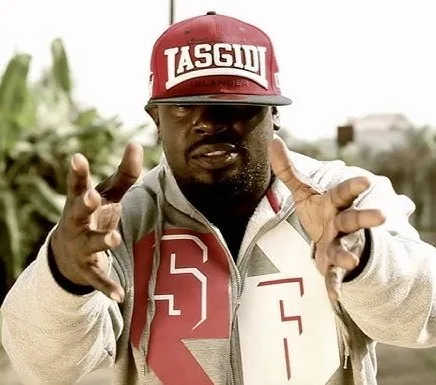
With five mixtapes, six collaborative projects, and nine albums, including his debut album Malcolm IX(2004) and the critically acclaimed É Pluribus Unum (2007), the lyrical juggernaut ascended to become one of Nigeria’s most technically skilled rappers. His hit songs, “Elbow Room” and “Cry,” which won him the Headies Best Rap Single Award in 2006, were emotionally resonant and distinguished him for his technical mastery during his time.
But while many regard him as the greatest lyricist, he never fully broke into the mainstream. He was prestigious and highly revered, like a Leonardo da Vinci piece, yet his career struggled to maintain relevance years after his reign. Perhaps he was truly ahead of his time. Yet, generations of old and current hip-hop heads struggle to see his relevance, unlike M.I Abaga and Olamide, who catalysed the commercialization of Nigerian hip-hop. They didn’t just rhyme bars and socially club-friendly lines, they localised rap culture and built empires out of it.
If Modenine were a masterpiece in a museum, M.I and Olamide would be the loud, ubiquitous billboards placed all over the country. These artistes engineered conversations and impacted culture years after their peak seasons.
This is beyond the metrics that define these artistes, but in the ascent of rap culture in Nigeria, technical mastery alone cannot drive hip-hop successfully. Hence why M.I and Olamide have proven to be commercially essential artistes. And if anything, we’ve seen that the GOAT title belongs to those who have built a sustainable industry rather than rhyming bars.
Before the advent of culture architects and serial hitmakers M.I and Olamide, emcees like Naeto C pioneered a rap culture intertwined with luxury and effortless charisma.
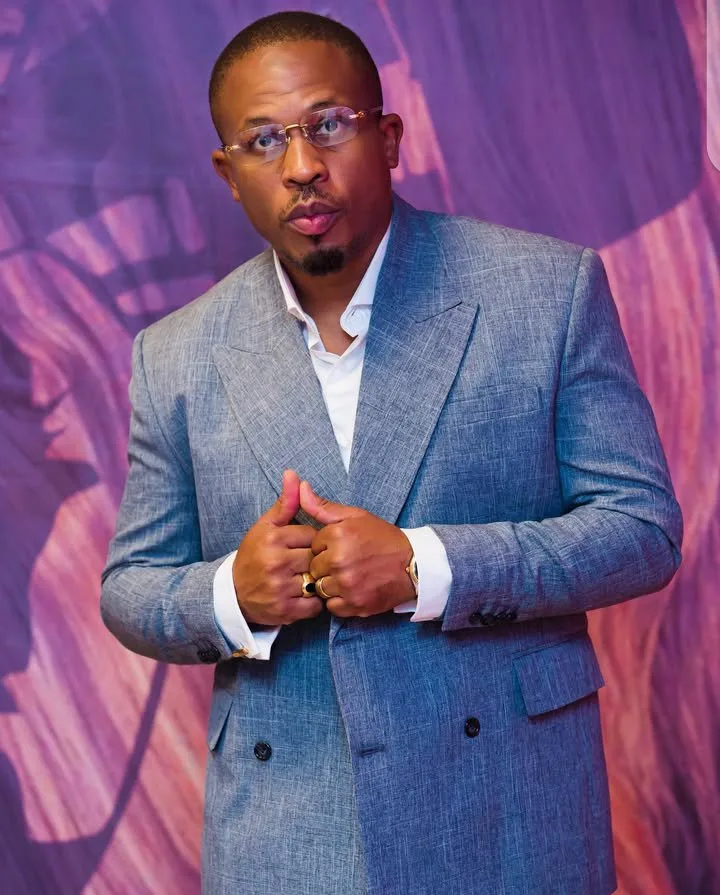
For an industry that largely celebrated rap stars, they ignored one of the most important blueprints: the hip-hop that sold a sophisticated lifestyle. This was what Naeto C embodied. Before Nigerian hip-hop became widely embraced, it had to go through a style marked by polished lyricism and elite production.
Naeto C didn’t just rap; he made rap cool with his sharp diction, effortless flow, and an aura marked by opulence. His debut album, You Know My P, was released in 2008 and featured timeless hits like “Kini Big Deal,” which remains a club classic to this day. The deadly hook and Hausa-Yoruba-inflected chorus became a cultural fixture that pioneered mainstream rap.
With elegance and intent, Naeto C sold an aspiration that’s missing in Modenine’s legacy, and by extension, modern Nigerian hip-hop. If a rapper doesn’t embody what I want to be, why should I listen?
Before agendas drown nuanced conversations, we need to remind ourselves that rap used to be cool, not just deep. Through this act, Naeto C was “the missing link” that pioneered successful rap. Technical skill might arguably be the most important tool, but relatability will continuously sell the product.
The success of Nigerian hip-hop has been aided by the rise of rappers like Blaqbonez and ODUMODUBLVCK, who have rejected the purist label. For this school of artistes, being a lyricist wasn’t just a matter of insufficient technical skills; it was a financial dead end.
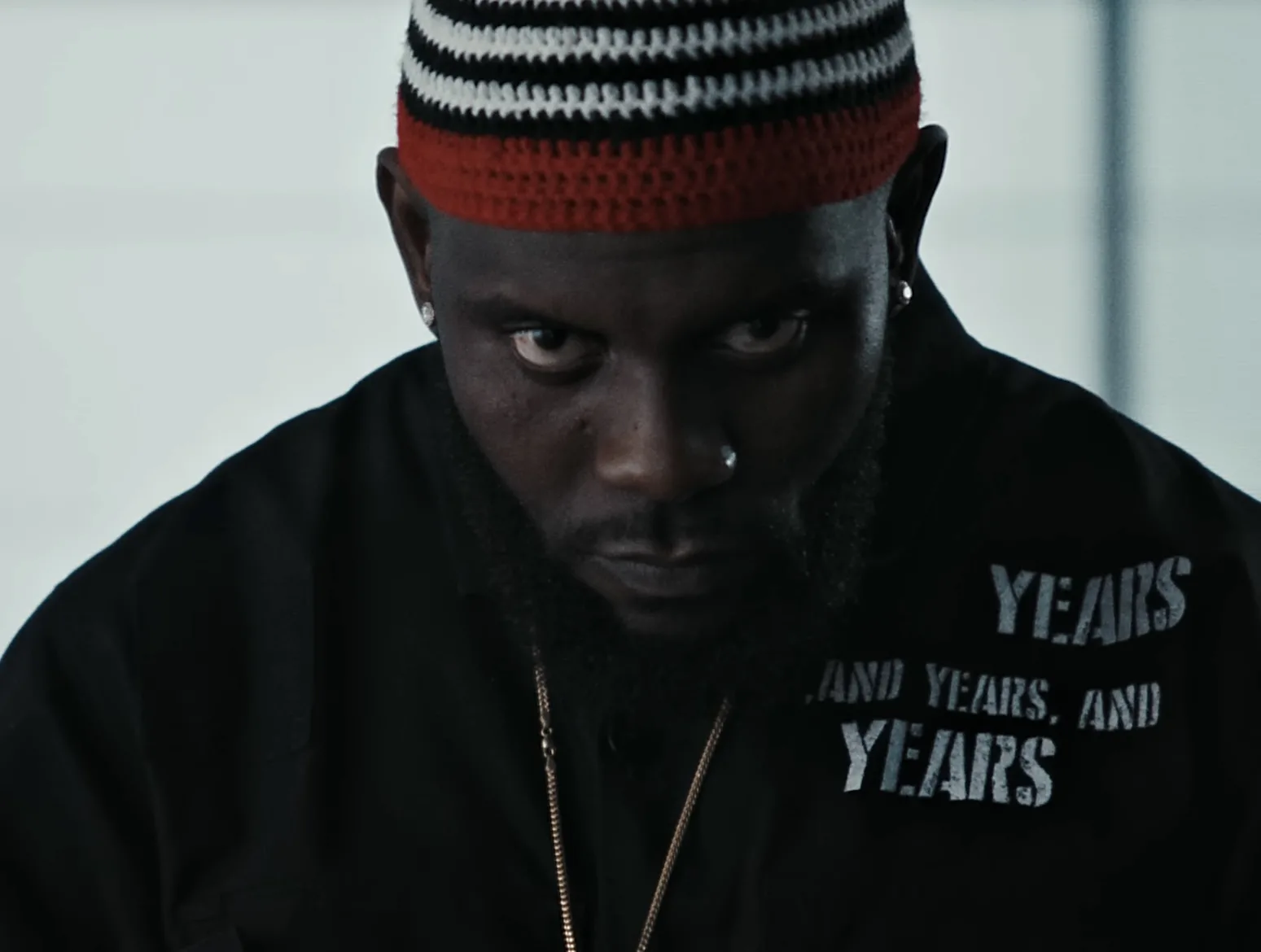
Rather than fight for a seat at the hip-hop table, with grit and intent, they built their own tables by leaning into lifestyle, aesthetic, and blatant commercialism. Their biggest hits, which have crossed the diaspora, have been marked by these elements. They traded lyrical depth and a conscious aesthetic for brash lyricism, high-octane, and often humorous personas.
This set of artistes proved hip-hop had evolved beyond hardcore flows and metaphorical bars. In the 21st century, they built movements by collaborating with fashion brands and dropping catchy hooks that soundtracked TikTok.
They became a generation of Nigerian rappers who conveyed hip-hop as a fashionable lifestyle, rather than just “lyrical” depth. While Blaqbonez relatively possesses technical skills, he’s mostly relatable for his humour and marketing tricks. ODUMODUBLVCK, on the other hand, is seen as a rhythmic force and a cultural symbol, alongside his gimmicks.
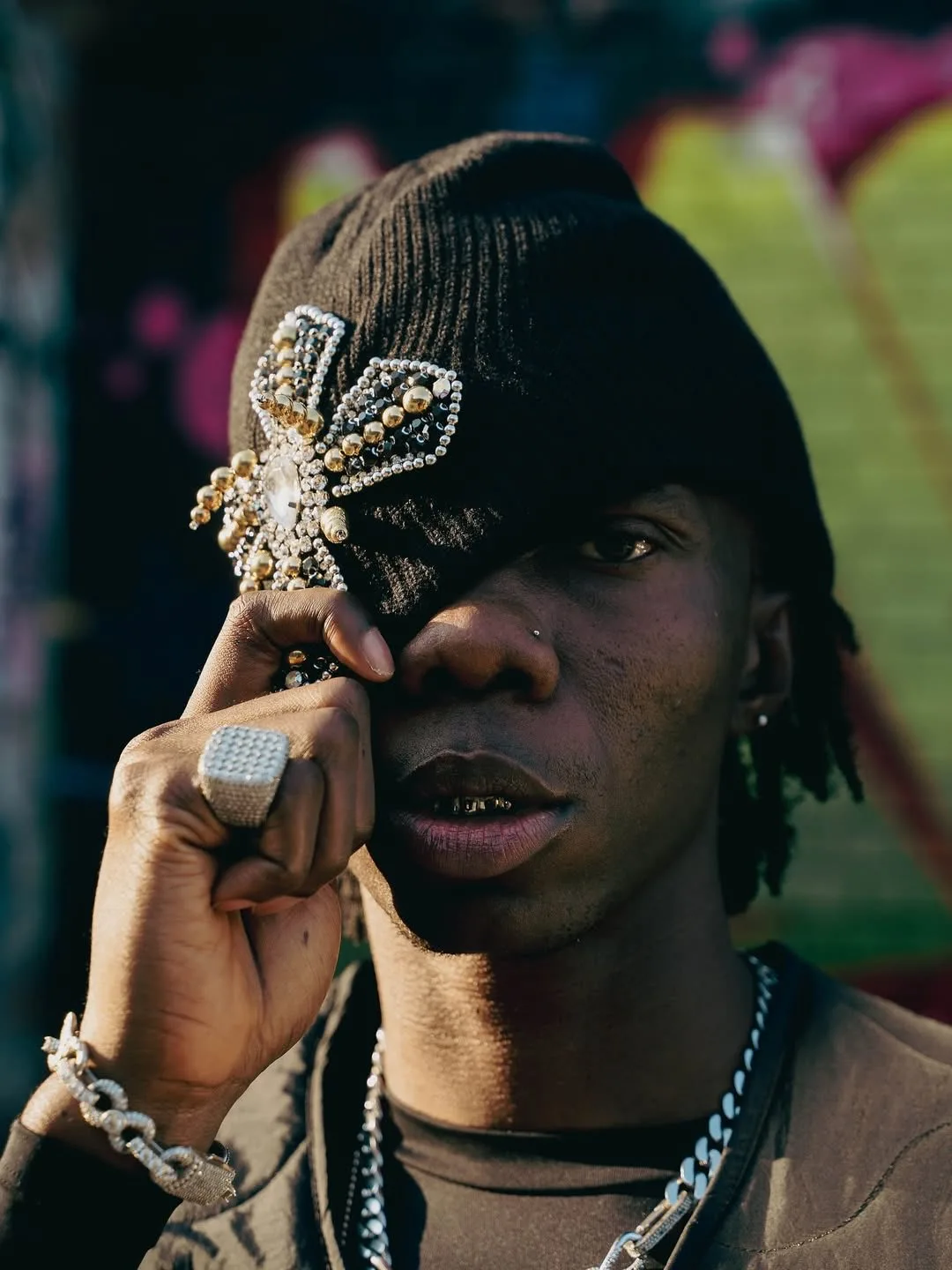
The concepts these artistes employ evolved beyond the traditional rules of hip-hop. Although they may braggadociously proclaim to be an emblem of modern Nigerian hip-hop, it doesn’t negate the fact that their style thrives on making rap a lifestyle brand. Whether it’s through club-friendly sounds, concerts, community engagements, or what have you, they’ve made rap eye-catching and profitable again.
That moment, when a rapper realizes your career is not built on how good you can rap but how good you can make songs
— LADIPOE (@LadiPoe) February 25, 2026
Essentially, is a rapper truly great if they can’t influence the culture beyond the mic?
For the longest time, hip-hop has been a tool for telling stories, passing messages, or for pleasure. And if anything, the most successful rappers are the ones who are great at making bops and not punchlines and wordplays.
Think about it, rappers like Modenine didn’t fail Nigerian hip-hop. Nigerian rappers failed to realize that Modenine was an anomaly, not a template. We spent decades trying to build a library when the people just wanted a dance floor.