



Tune in to listen
Bounce FM

Qualifying for the World Cup, at any level, in any era, is a footballing milestone for any country, more so for an African side.
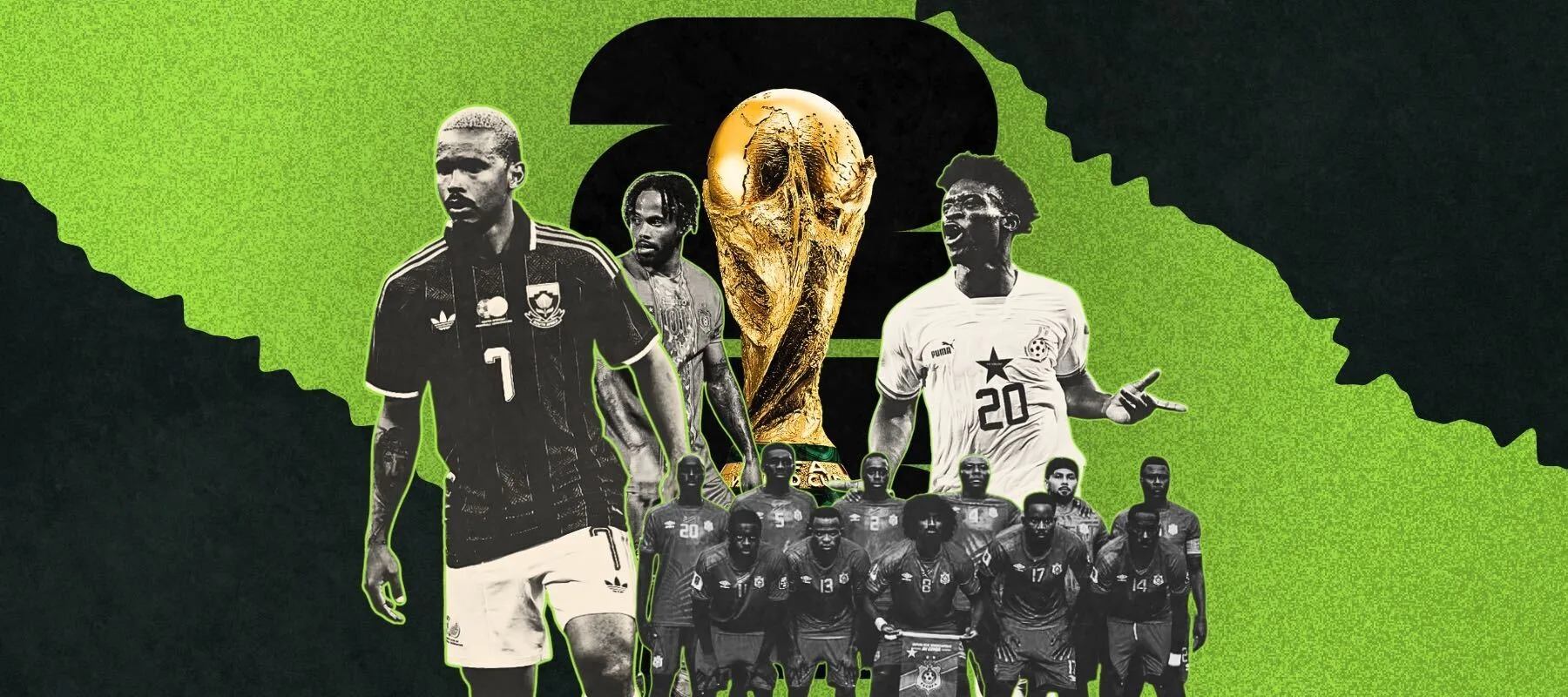
The 2026 FIFA World Cup is less than one month away. Soon enough, the eyes of the football world will turn to North America, where the United States, Canada and Mexico will host the biggest edition of the Mundial yet. Expanded to 48 teams for the first time, the tournament has opened the door for more countries to dream, and Africa is benefiting the most, with 10 countries set to represent the continent this summer.
Ten teams should ideally broaden the continent’s hopes and probably increase their chances of another leap forward after Morocco’s staggering run to the semi-finals in Qatar four years ago. But ten teams does not guarantee quality from all ten sides. For every competition, regardless of the stories or expectations behind participation, there are always teams that are visibly weaker or in more precarious spots than others. And while surprises do happen, it wouldn’t hurt to discuss the odds.
Qualifying for the World Cup, at any level, in any era, is a footballing milestone for any country, more so for an African side. Be that as it may, who are the qualified African sides that don’t have most things in their favour this time around? Below are four of them. One you already know.
It is not difficult to see why Ghana’s campaign might have failed months before the commencement of the tournament. The Black Stars already appeared vulnerable long before the tournament draw was made, but fate did them no favours either: the West African side landed in Group L with England and Croatia, semi-finalists at the 2018 World Cup, and Panama. On paper, it is arguably the hardest group an African side has landed in at this tournament.
Then, before the dust from the draw had settled, they were plunged into a managerial reset. Coach Otto Addo, who oversaw their remarkable qualification, was sacked after a 5-1 humiliation in Vienna against Austria, Ghana’s fourth consecutive pre-tournament defeat, following losses to Japan, South Korea and Austria. Addo’s poor run of pre-tournament results led to the appointment of veteran coach Carlos Queiroz.
Queiroz’s first game in charge of Ghana will be a friendly against co-host Mexico on May 22 and Wales on June 2, both leading to their tournament opener against Panama on June 17 in Toronto. You would not be blamed for having high expectations for Ghana against Panama, but their subsequent group clashes against England and Croatia are the kind that will end whatever belief anyone has.
The Blue Sharks are heading into the World Cup with arguably the best story in the tournament. Ten islands in the Atlantic, a nation of about 525,000 people, they topped their CAF qualifying group ahead of Cameroon, Africa’s most experienced World Cup nation, to seal their first World Cup berth. However, from all indications, it appears Cape Verde will struggle to build on that achievement beyond the group stage, after drawing Spain, Uruguay and Saudi Arabia in Group H.
Spain are the reigning European champions. Uruguay are two-time world champions, and Saudi Arabia are no pushovers in recent times. Heading into a World Cup debut against such opponents is a mountain to climb for the Blue Sharks. While much worse odds have been overturned in football, the chances of the debutant staging a run that carries them out of the group are slim to none.
DR Congo did something special for themselves and for Africa, coming through the intercontinental play-off to clinch the last spot on offer and increase the continent’s representation to 10 teams. Defeating Cameroon and Nigeria in the CAF play-off is a statement that the Leopards are by no means a weakling, even if they were the last side to book their place.
However, returning to the Mundial for the first time in 52 years and drawing a group of Portugal, Colombia and Uzbekistan is a daunting assignment for the Leopards.
South Africa’s return to the World Cup, their first since they hosted it in 2010, is a remarkable feat by any measure. Doing so after being docked three points for eligibility issues, in a group containing Nigeria’s Super Eagles, takes some doing for Hugo Broos’ side.
You get the feeling that Bafana Bafana could hold out for a decent enough result in the competition’s opening game against co-hosts Mexico at the iconic Estadio Azteca on June 11. Then, a place in the knockout rounds won’t be out of the question, even if it comes as one of the eight third-place teams the expanded World Cup format accommodates in the group stage.
But here is the thing about South Africa and World Cups: they have never made it out of the group stage. They have previously been to three of them, including as hosts, with the entire continent behind them in 2010. Interestingly, their opening game draw against Mexico that year proved insufficient, as a defeat to Uruguay cancelled out their win over France.
Broos himself has been candid about where the team stands. “We have the players present here and those playing abroad, that is all. I know there are still weaknesses in the squad, and we cannot go into the World Cup with our current level, we need to bring something extra,” he said earlier this year. Anything short of that extra, and South Africa’s contingent of largely domestic league players may find themselves undone by European opposition, just as Broos admitted was their undoing at the last AFCON.