



Tune in to listen
Bounce FM

Examining the biggest African snubs of the 68th Grammy Awards with insights from music executive Gracey Mae and culture journalist Dami Ajayi.

The announcements for the nominations of the 68th annual Grammy Awards flooded social media on Friday 7th, November 2025. And in the usual fashion, it was met with outrage.
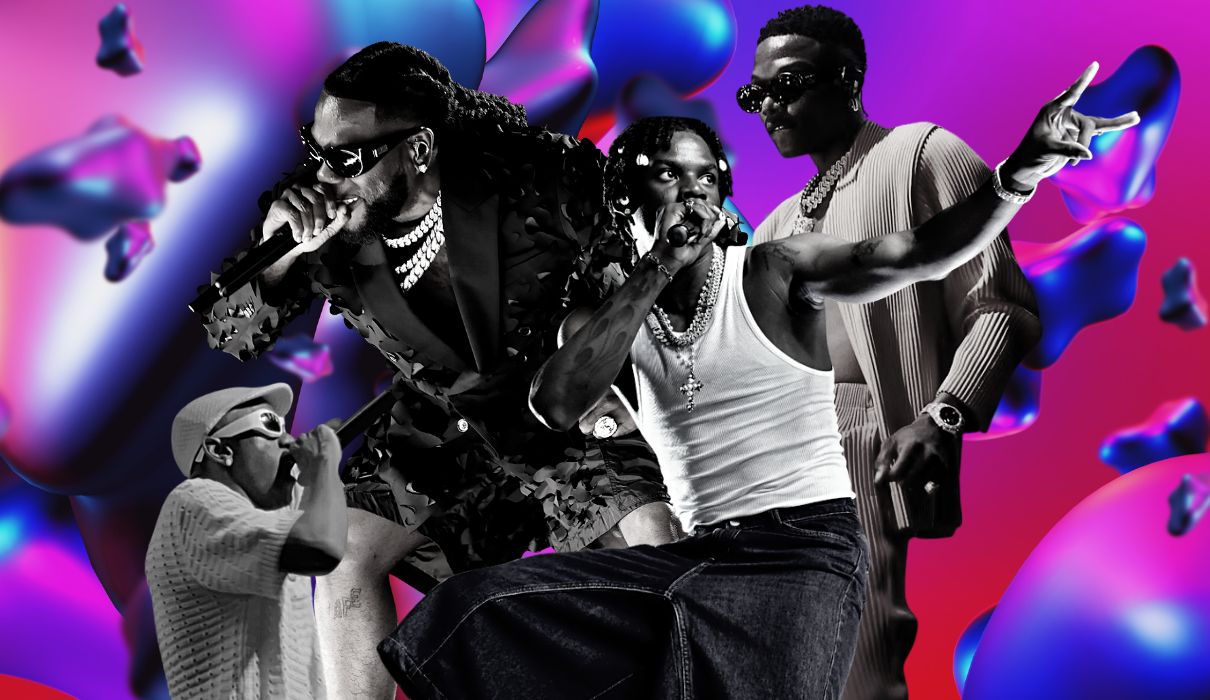
While frequent names like Burna Boy, Angélique Kidjo, Tyla, Ayra Starr, and Davido made it across the nomination lists, the excitement wanes with the exclusion of major names like Rema, Shallipopi, and Moliy, who had some of the biggest songs, not just on the continent, but globally. This moment feels familiar to Nigerians: In 2022, Afrobeats superstar Wizkid lost the nomination for his critically acclaimed album, Made in Lagos, despite the cultural and commercial impact it had on the world. While this brings back memories from the past, it reignites different debates about the credibility of the most celebrated global music award show. But more than that, it questions how African music is perceived globally. So let’s unpack it.
In 2021, the world fixed its gaze on African music when Burna Boy won the Best Global Music Album award for Twice as Tall. That moment marked a pivotal phase in African music because it meant that African music was recognized and celebrated among other top genres in the world. It was one of the moments that highlighted the “Afrobeats to the world” movement and Burna Boy as one of Africa’s greatest.

However, in a world littered with a plethora of genres and a handful of major labels, Africa’s footing at the Grammys grew unsteady. The continent took a harsh blow when Wizkid lost his nomination for Best Global Music Performance with the remix of “Essence” featuring Tems and Justin Bieber. For a song with massive commercial power — especially in the US and UK — pulling in millions of streams across platforms and topping global charts, many Africans saw the loss as a robbery. Still, that criticism is debatable, given the Grammys’ long-standing tendency to prioritise cultural impact and specific voting criteria over mere virality.
Yet mainstream African music has always been too diverse to be represented in one or two major categories for nominations, and the misunderstanding of our music by the Western world started to become evident as the music garnered wide acclaim.
#GRAMMYs to add Best African Music Performance category for 2024 show. pic.twitter.com/KhgNKla52l
— chart data (@chartdata) June 13, 2023
In 2023, the Recording Academy released a distinct category for African music, “Best African Music Performance.” This was expected to usher in a credible acknowledgement of the impact of African music on the continent and beyond.
African artists have long earned recognition; Femi Kuti, Angélique Kidjo, and others have been nominated multiple times. But the creation of this category signalled something deeper: African music, far beyond Afrobeats, would finally stand on its own. And while the category has so far been dominated by mainstream Nigerian acts, it also offers a gateway for artists across the continent to be seen and heard.
Music executive and voting member at the Recording Academy, Gracey Mae, shared her opinion on this with BSide.
“The creation of our own category is progress. We now have the unique opportunity to showcase the strength of music from all 54 countries on the Continent. Being grouped into the Global category was a disservice to us; we have over 60 recognised genres.”
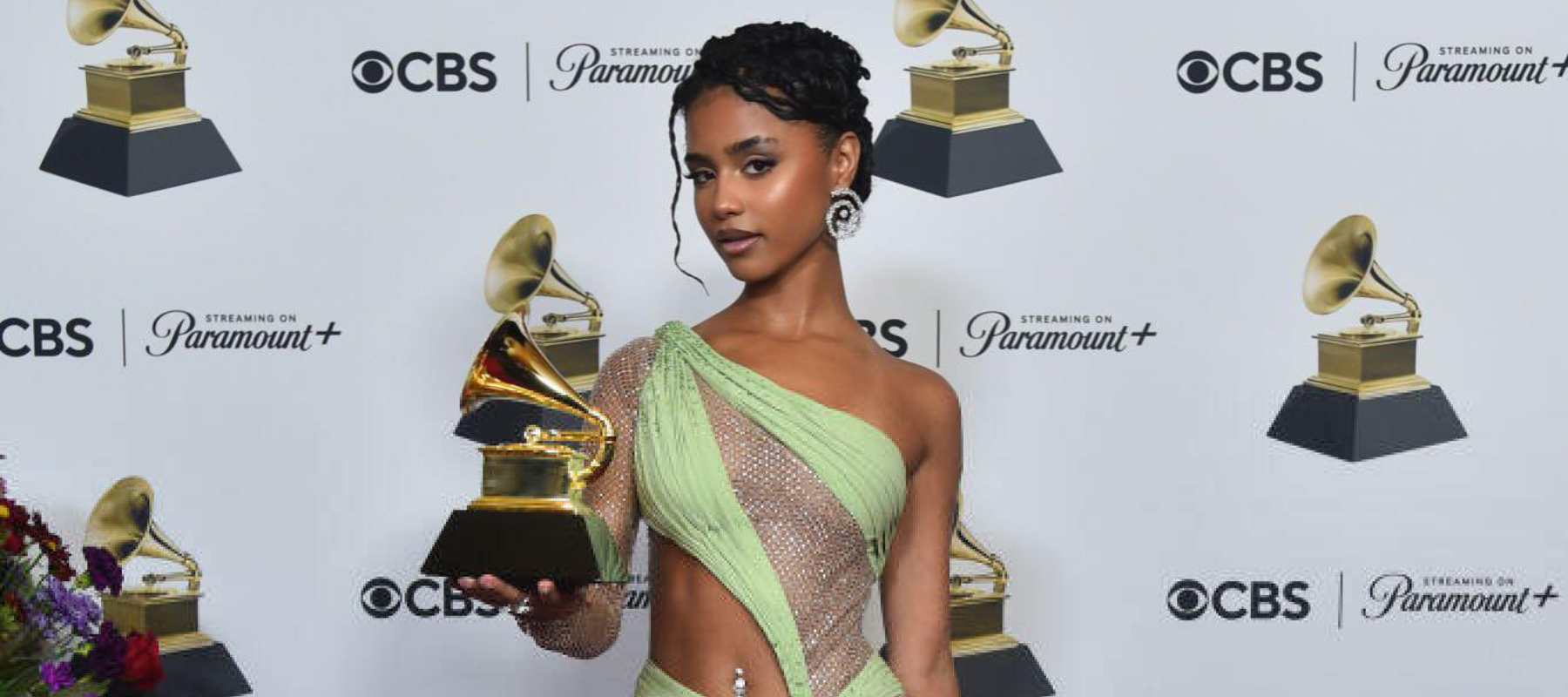
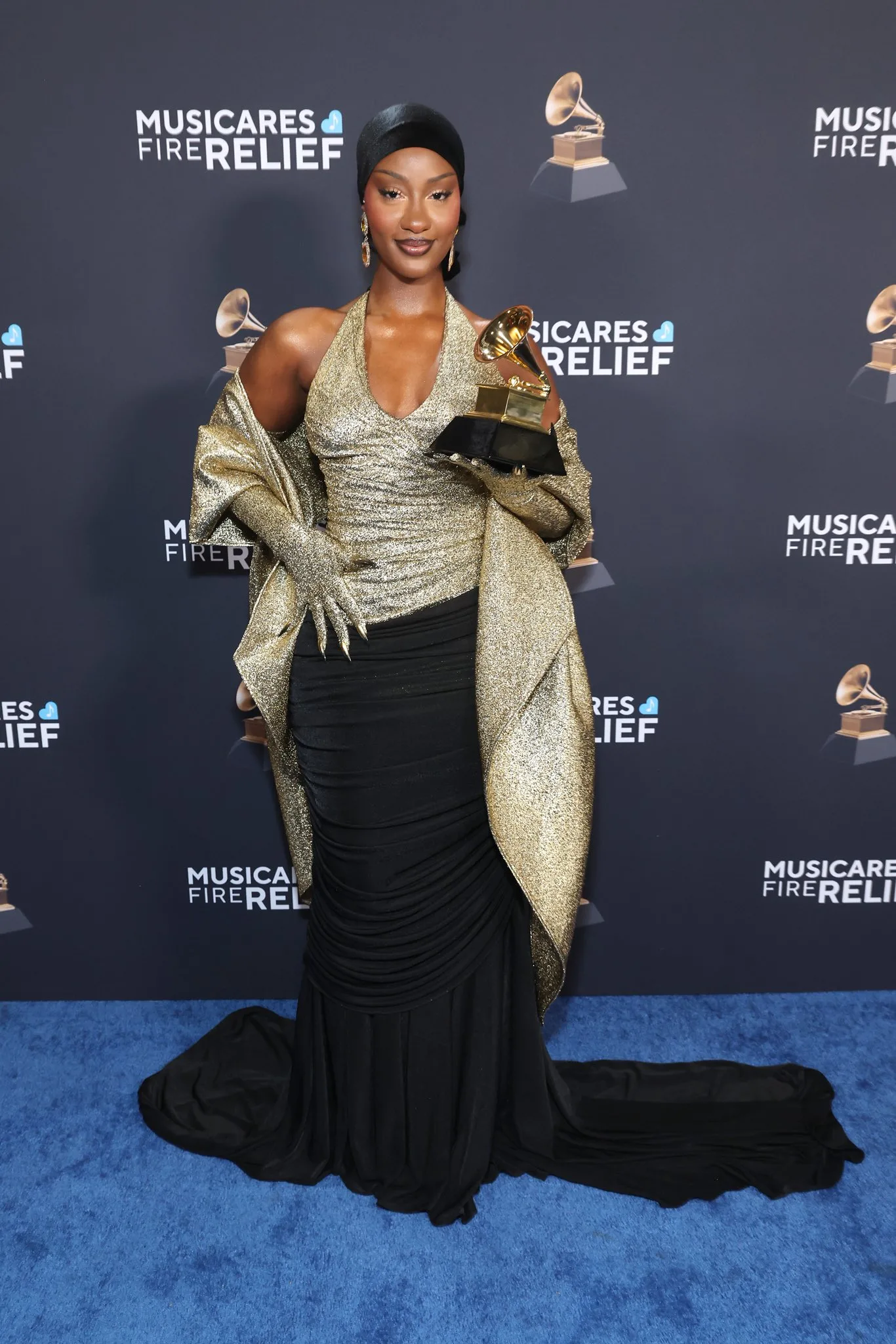
Since the inception of this category, most of the nominations have been dominated by Afropop, from Tyla’s win in 2024 to Asake, Rema, and Davido’s nominations in 2024 and Tems’ triumphant win in 2025.
And even though African pop music is casually seen as Afrobeats, many genres and sounds emanate from Africa that aren’t Afrobeats.
“As part of the Academy’s Screening Committee, I can confirm that the Best African Performance category received diverse submissions — from Anglophone, Francophone, to Lusophone artists. But the final five nominations are a result of nearly 15,000 voting members. While the Grammys are viewed as a global award, they still largely reflect American music consumption. Nigerians make up a quarter of the world’s Black population, and music moves on the wings of the Diaspora. Naturally, the sounds making the biggest waves in the U.S. and within the Academy tend to come from Nigeria,” Gracey Mae says.
Yes, awards don’t define an artist’s career or represent the full height of their artistry. Still, it would be naïve to dismiss the cultural weight of awards, especially one as entrenched and globally recognized as the Grammys.
So when some of the biggest songs in the world currently, like Moliy’s “Shake it to the Max,” Shallipopi’s “Laho,” Rema’s “Is it a Crime (Baby)” are missing, it invites a series of doubts on the process of the voting body. These songs weren’t just fleeting viral moments but defining ones that disrupted the international charts.
Shake it to the max ? @iamcardib 🤭😂❤️ pic.twitter.com/IMkvSqP3Gv
— MOLIY (@moliymusic) September 5, 2025
For instance, Moliy’s “Shake it to the Max” topped Billboard’s U.S. Afrobeats Songs Chart in May 2025, displacing Tyla’s long reign from the number one spot. Not just that, it ranked in Spotify’s Songs of the Summer 2025 Top 5, broke into the UK Singles Chart Top 25, and climbed into the Billboard Rhythmic Top 40. With evidence this clear, it’s hard not to question how her team’s submissions across major fields like Record of the Year and Song of the Year missed out entirely.
Another shocker is the snub of Shallipopi’s “Laho” for Best African Music Performance. This is a track that recorded the highest debut ever for a Nigerian song on Global Shazam and broke into the top ten of the U.S. Billboard Afrobeats Songs chart.
Shallipopi performing "Laho" at Rema's Accor Arena show tonight 🔥pic.twitter.com/85htkt1kSB
— 𝗔𝗟𝗕𝗨𝗠 𝗧𝗔𝗟𝗞𝗦 📀 (@AlbumTalksHQ) June 28, 2025
When I presented whether global awards like the Grammys are interested in who represents African music commercially rather than authentically and culturally, Gracey Mae clarified, “There are a lot of myths about how songs get nominated for The Grammys. Artists, labels, and their reps have to submit the songs.” She continues, “After submissions are checked for eligibility, nearly 15,000 voters decide which songs deserve a nomination based on factors like authenticity, impact, quality, or simply personal preference. However, many African artists overlook the need to promote their entries to other members through FYC (For Your Consideration) campaigns. With over 90 categories, voters can’t possibly know every submission.”
She adds that people often forget how each region experiences music differently. And it’s natural that this shapes which songs are nominated, especially since most voting members live in the USA. “As representation grows in the Academy, I believe we will see more accurate submissions and voting. We are limited with nominations — this category only has 5. As artists do more to penetrate the market and network within the Academy, this category will be more accessible to all types of artists.” She finishes.
While this unravels the nuances of how a global award like the Grammys is handled, I believe it still exposes the fallible process of the body. But it also leaves me with the same disposition as music journalist Dami Ajayi. In his response to whether the Grammy’s Best African Performance Category truly reflects the diversity of African music and whether they prioritise commercial impact over culture, he concluded with this: “I think it is too early to call. The prize has been awarded for less than three years…This is why I advocate for more prizes and for us to elevate homegrown prizes, which have a better reading than international prizes that offer us a little stool at the table. I am not arguing for one or the other; I am advocating for both and much more.”