


Tune in to listen
Bounce FM

Lagos nightlife is splitting into two sonic worlds: Street-pop and Electronic Dance Music. Mara is what happens when these two worlds collide.
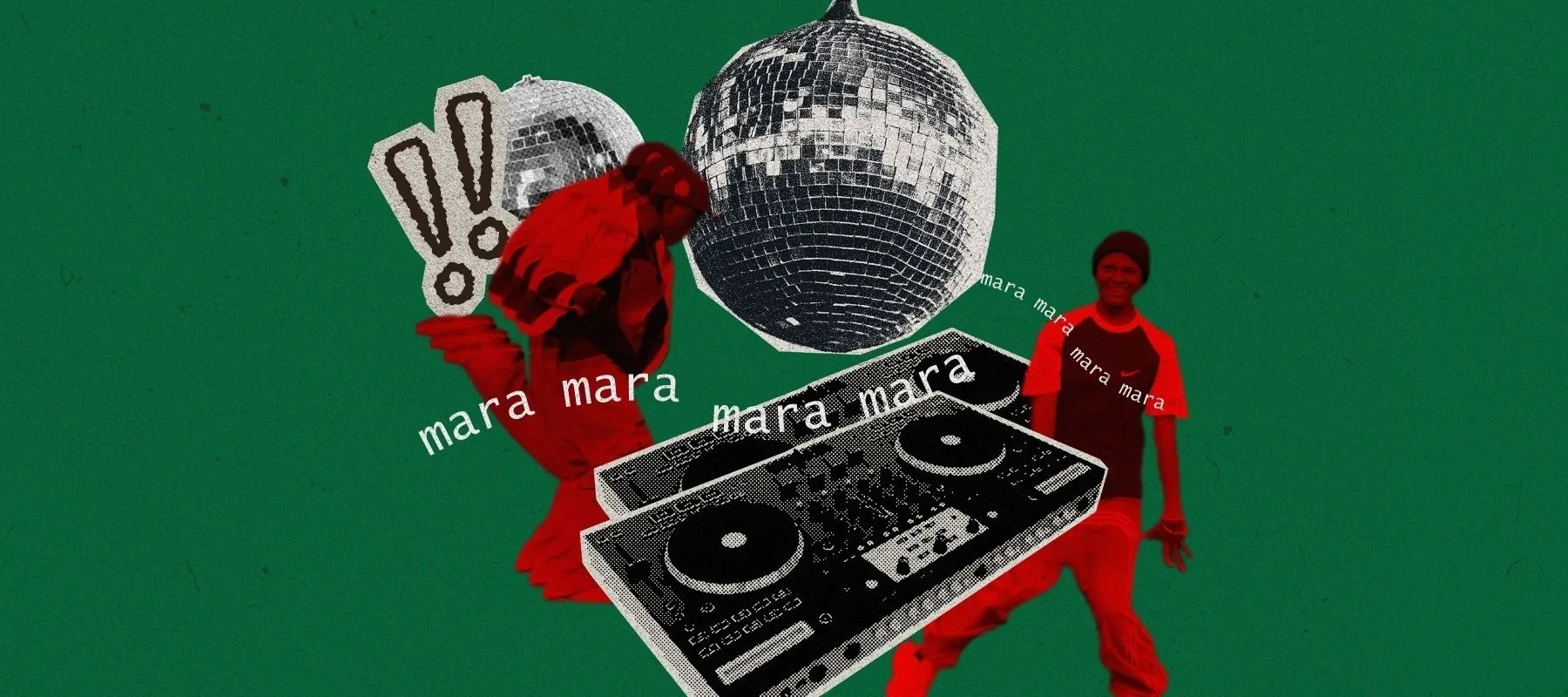
Lagos nightlife is splitting into two sonic worlds: Street-pop and Electronic Dance Music. Mara is what happens when these two worlds collide. This unvarnished, frenetic music emanating from the streets of Lagos is rapidly cementing its place in underground rave culture. And thus, blurring the gap between the streets and the outside world.
This raises a bigger question: Is Mara becoming Nigeria’s most authentic electronic sound?
To answer this, one must first understand the roots of the burgeoning popularity of Mara and its dance, characterised by Nigerian street music culture.
Nigerian music has always carried elements of street music, and over time, this led to the birth of distinct subgenres like Street-pop and Afro-adura. While Street-pop found space in music from forerunners like Olamide, Lil Kesh, Zlatan, Naira Marley, and subsequently, Seyi Vibez and Asake, street music was first heralded by pioneers like Terry G, whose songs like “Free Madness” and “Run Mad” embodied what can now be regarded as ‘trenches music.’
Like most street-inspired music, Mara emerged from Lagos Street-pop culture and grew into a coordinated movement, amplified by young, talented DJs, producers, and, most importantly, TikTok dancers.
As a unique subgenre, Mara draws its sonic palette from EDM and House elements, but is rooted in the sound of Lagos Street-Pop culture. The music’s origin, often credited to DJ Khalipha, is characterised by dense, polyrhythmic percussion and kicks that typically range from 140 to 160 BPM.
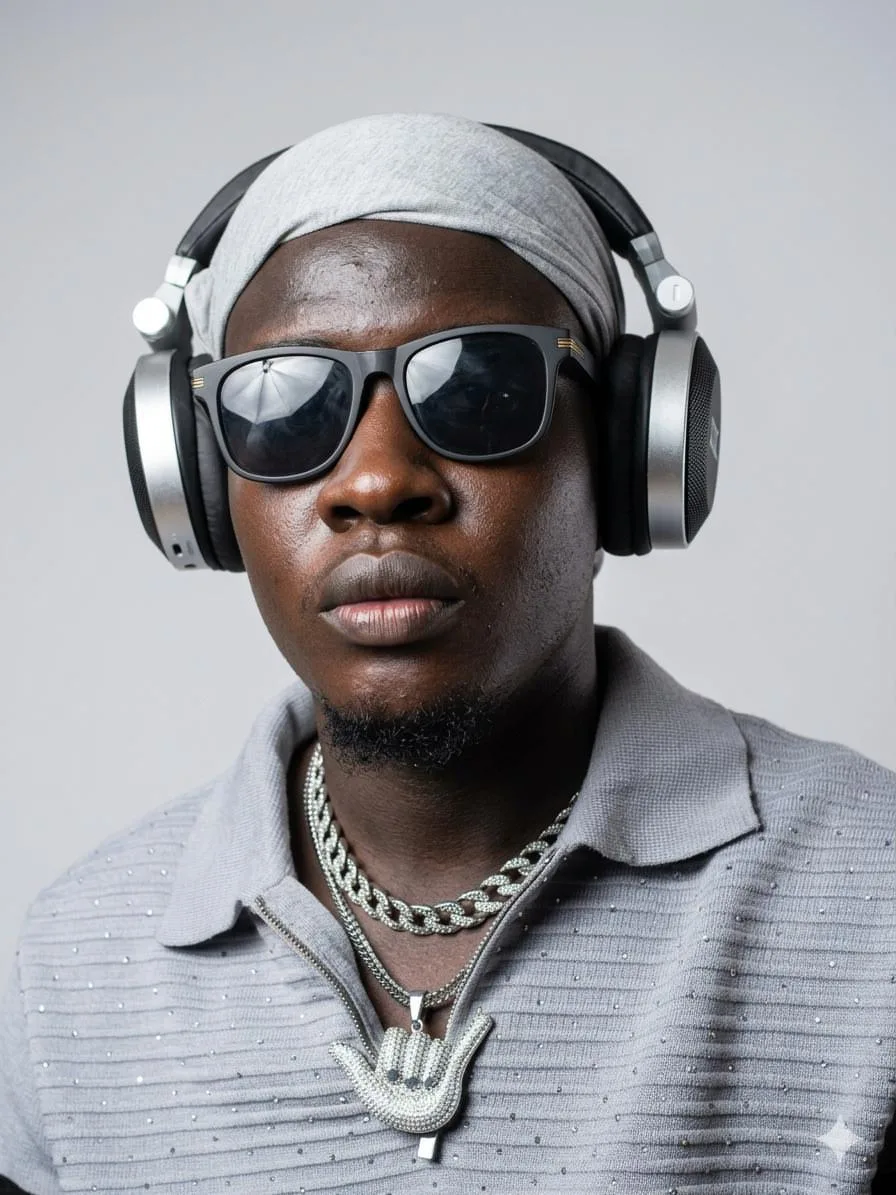
But long before Mara found a foothold on TikTok, these DJs were laying their foundation in clubs, neighbourhood carnivals, and on platforms like Audiomack. Key player DJ YK Mule was the first to lay the sound from the ground up with his Cruise Beats. Then in 2023, DJ Khalipha’s “Mara Pass Mara” release became the standard-bearer for today’s Mara sonic movement.
“As more producers, DJs and dancers started embracing it, it grew beyond just music and became a movement representing freedom, dance culture and the evolution of underground electronic sounds,” DJ Khalipha on the evolution of Mara, in an interview with BSide.
Unlike DJ YK Mule’s foundational Cruise Beats, Mara balances its deep basslines with raw, emotive, hymnal, and harmonic sounds. And in contrast to mainstream Afropop, Mara is intentionally abrasive, laced with high-energy rhythmic bounce, and distorted drum patterns. As DJ Khalipha described to BSide, “It is more of an energetic soulful song to put you in a different vibe and realm when listening to it.”
TrenchTok: Mara’s TikTok Community of Dancers
Since Nigeria’s music scene rarely existed without a dance culture, Mara’s popularity was driven by “Ogba” dancers like the late Odogwu Mara, Teee Dollar, and Kung Fu Master, who opened the door to a rapid community of TikTok dancers, colloquially dubbed “TrenchTok.”
On TrenchTok, these dancers upload performances that showcase rip-roaring, competitive dances, often meant to impress. Unlike other street-pop-inspired dance, Mara’s tempo and complexity require a level of physical dexterity, stamina, coordination, and creative interpretation. It often involves full-body contortions, sometimes acrobatic leaps, and sudden drops to the floor — movements that seem to defy anatomical limitations.
This wasn’t the effect of built-in modern clubs or studios. It was born in places like street parties, local studios, or bus parks. More importantly, it was a sound designed to carry chaotic energy, minimal melody, and aggressive rhythm. That raw energy is what makes it compatible with electronic dance music.
Before Mara entered the rave scene, EDM already had an underground ecosystem in Lagos. Raves like Group Therapy and Monochroma hosted communities where their DJs explored house, techno, Afro-house, and other experimental dance music.
But the scene sometimes felt detached from everyday Nigerian street culture. A rapid spread of imported music culture, but at what cost? This allowed Mara, sometimes referred to as Street House, to fill the gap. After all, raves have always been positioned on experimental music.
The Acceptance of Mara in Nigeria’s EDM Scene
But while house music and its subgenres will remain staples at raves, the emergence of Mara felt more local.
For DJ Khalipha, this gradual acceptance at Lagos raves is credited to the experimental sound of EDM, a style that Mara fits perfectly, carrying familiar street rhythms while bringing electronic energy to the dance floor.
“DJs experimenting with EDM elements have helped introduce the sound to rave audiences, and as more people hear it in clubs and events, the curiosity and acceptance continue to grow,” he said further to BSide.
And since Mara shares several characteristics with traditional EDM, such as prioritising rhythm over melody, high-tempo dance structure, distorted sounds, bass-heavy mixes, and repetitive energy, it made the sound easily adaptable to electronic production.
Although Street-pop and EDM have always existed and operated independently, Mara’s ability to combine elements has helped bridge both worlds. Allowing Street-pop listeners to connect with electronic music while bringing the latter closer to the everyday Nigerian music culture.
The Cultural Significance
Beyond the experimental fusion of sounds at underground raves, the explosion of Mara opens up conversations about Nigeria’s nightlife culture and, ultimately, Nigerian music.
While Mara has permeated mainstream music, as in Rema‘s “Ozeba” and Seyi Vibez‘s “Shaolin,” if Mara becomes the backbone of Nigerian EDM, then rave culture becomes more localised. Cementing street culture into elite nightlife spaces while building a distinct electronic identity.
With the continuous spread of Street-pop and EDM, Mara faces two possibilities: to be identified and exported as Nigeria’s electronic genre, or to influence Afrobeats and club production more broadly.
While traces of the latter have been seen, Nigeria may, if anything, be on the verge of exporting its own electronic music language.
“In the next five years, I see Mara evolving with more producers, DJs and artists experimenting with it, refining the sound, and pushing it beyond Nigeria to international audiences. With the right exposure and collaboration, it has the potential to become a recognised electronic genre from Nigeria,” DJ Khalipha assures BSide.
But is Mara’s sonic and cultural identity strong enough to stand as Nigeria’s EDM export?
Despite its newfound success in Lagos nightlife culture, the sound still faces elitism, where it has been labelled ‘grungy’, suggesting a difficulty in becoming a global EDM export.
Mara isn’t noise, it’s the sound of the streets telling our own story. If it hurts your ears, maybe it’s just not made for your comfort zone. Not every genre is designed to babysit soft taste.
MARA TO THE WORLD 🌎 https://t.co/YgwjcR9QzO
— Azzi On The Beat (@iazzionthebeat) March 1, 2026
When asked if the sound should retain its name and continually be categorised under EDM or stand as a completely independent subgenre, DJ Khalipha responded, saying: “The rhythm patterns, street bounce, and energy are very different from traditional EDM. It carries the spirit of Nigerian street music while using electronic production techniques. So rather than just calling it EDM, I see Mara as a distinct Nigerian electronic sound that sits between street music and global electronic dance music.”
Since the Nigerian rave scene has been primarily driven by an imported EDM culture, Mara exists to correct that. You can claim it is still evolving and lacks a strong sonic identity. But Mara doesn’t just sound different; it represents a shift in where Nigerian electronic music can come from, not from global templates, but from the streets that have always shaped the country’s sound.
The question is no longer whether Mara fits into electronic music. It’s whether electronic music in Nigeria can evolve without it.