


Tune in to listen
Bounce FM

2026 will not be about the biggest Afrobeats artists but deeper, more experimental Nigerian sounds rising from the underground scene into the mainstream.

For many years, the Nigerian music industry has been predominantly ruled by the biggest names and hit records. But 2026 promises to be a year of takeovers by underground artists in the Nigerian music industry. This premise arises because more than ever before, Nigerian listeners are more invested in sonic explorations powered by music from underground artists.
In retrospect, 2025 foresaw the wave of underground artists set to take over the Nigerian music industry. This wave, marked by artists with a closely knit, unwavering community and distinct sounds, moved the industry through their consistent releases. Although last year delivered cross-continental hit songs from an array of the biggest names and labels, it was also a transition year for rising artists in the industry.
From social media conversations and metrics, it appears the Nigerian music industry is rapidly tilting towards underground artists. To be fair, each year produces at least one breakout artist with their own unique sound. In 2016-2018, Mr Eazi’s Banku music was a pivotal marker in the industry. In 2020, Omah Lay permeated the airwaves with his signature mid-tempo sound. 2023 introduced the Street-hop Shallipopi/ODUMODUBLVCK era into the industry.
Although 2025 wasn’t any different, it evolved with the introduction of three distinct artists into the industry. In a year when Wizkid was revealed as the most-streamed artist on Spotify and Apple Music, fast-rising artist FOLA bagged the longest-running No. 1 album for his debut album Catharsis on the Nigeria Official Albums Chart, and has now crossed 1 billion streams across all platforms. While Mavo held the country with some of the biggest hit songs of 2025.
This proves one thing: the evolution of the industry is shifting more towards sound diversity and audience expansion. And with the new year still underway, it promises that 2026 will not be about the biggest Afrobeats artists but deeper, more experimental Nigerian sounds rising from the underground scene into the mainstream.
Spotify’s report of 2025 revealed a surge in the consumption of local music, with the rise of rising artists at the forefront of it. The year 2025 didn’t just remove the barriers for emerging artists; it opened the pathway for niche-driven artists. It was a year of the rise of three different breakout stars.
Mavo
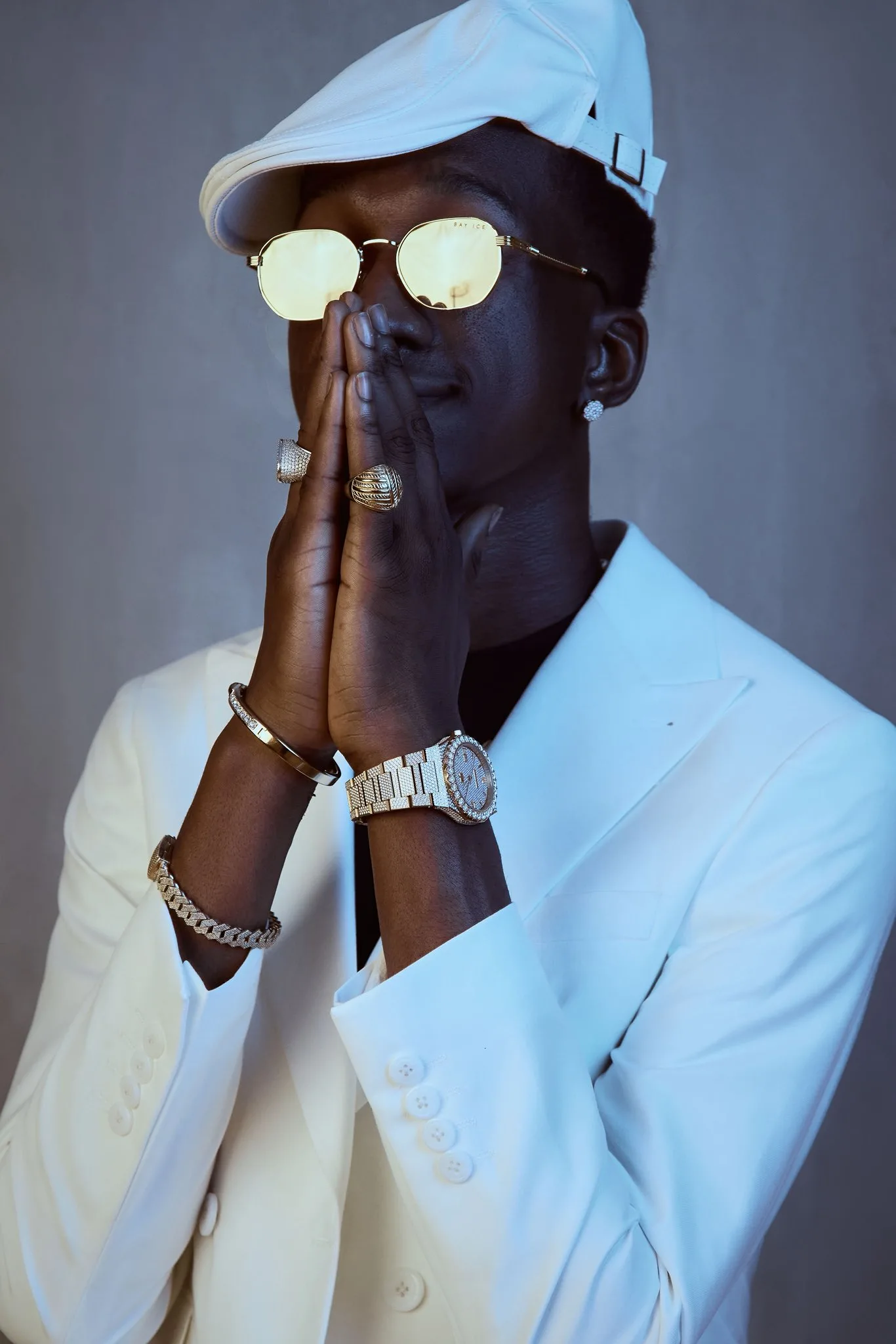
Long before his breakout moment with “Escaladizzy,” Mavo had become a sensation within the underground community. His distinct identity, characterised by playful melodic raps, street humour, and lingos, distinguished him from his peers. Songs like “Tumo Weto” had become a cultural fixture, positioning him between playful storytelling and sonic experimentation. Eventually, this momentum, backed by a deeply connected community and consistency, catapulted the 22-year-old to mainstream success. Opening some of the biggest street anthems, including “Shakabullizzy,” CKay’s “Body (danz)”, and DJ Maphorisa’s Detty December record “Money Constant” featuring Wizkid.
FOLA
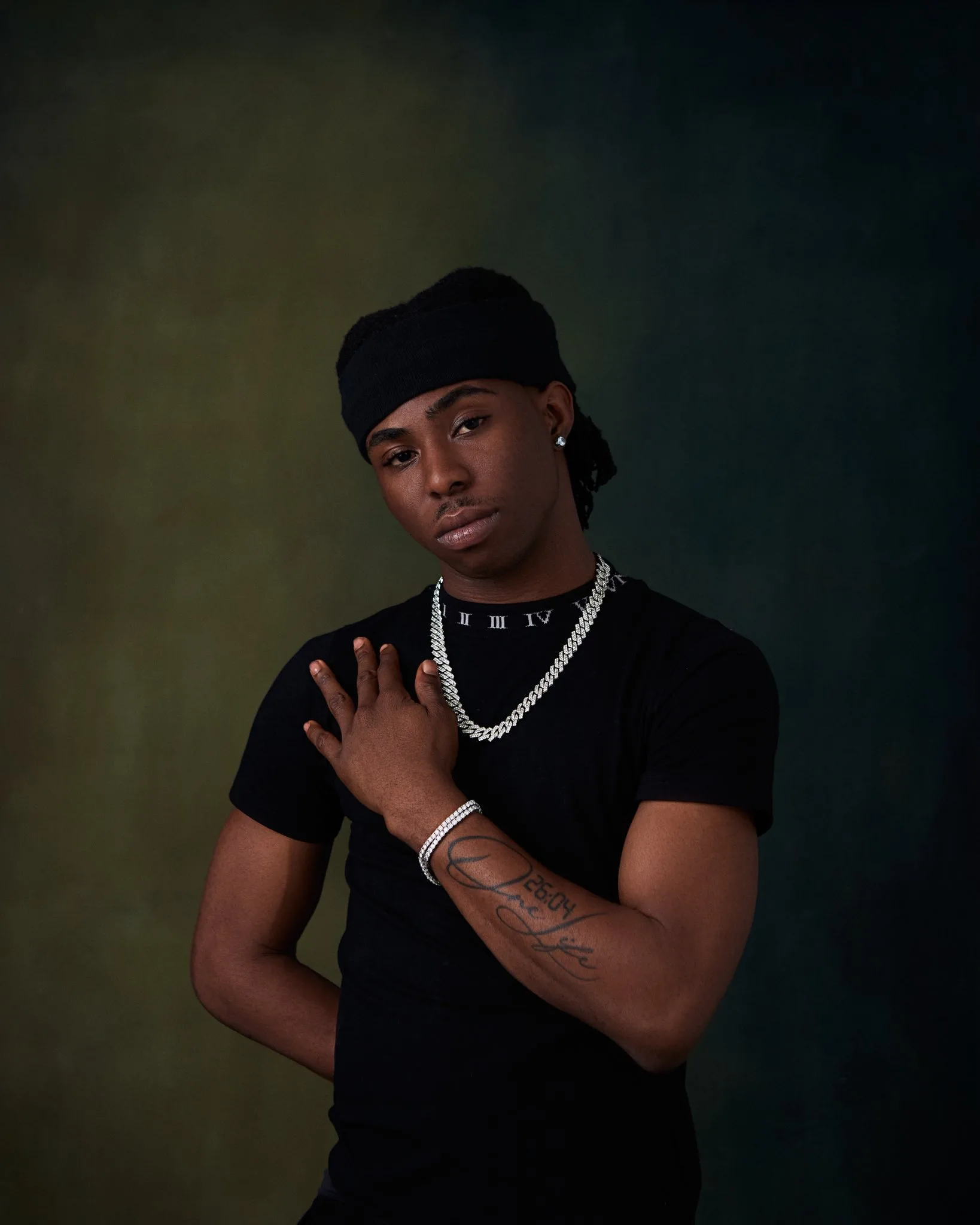
While FOLA achieved mainstream success as a fast-rising artist in 2025, his artistry had quietly begun then. Before he officially signed with Bella Shurmda’s Dangbana Republik, FOLA gradually emerged as a street sensation with his soul-forward, reflective lyrics and emotionally grounded melodies. For netizens who knew him from the start, he represented a breath of fresh air in Nigerian street-pop, bringing depth and vulnerability. His first breakout moment with “Alone,” featuring Bahdboi OML, distinguished him and positioned him as a promising artist in the Nigerian music industry. And, with a strongly connected audience, especially on TikTok, his ascension from underground artist to the mainstream became imminent.
Zaylevelten
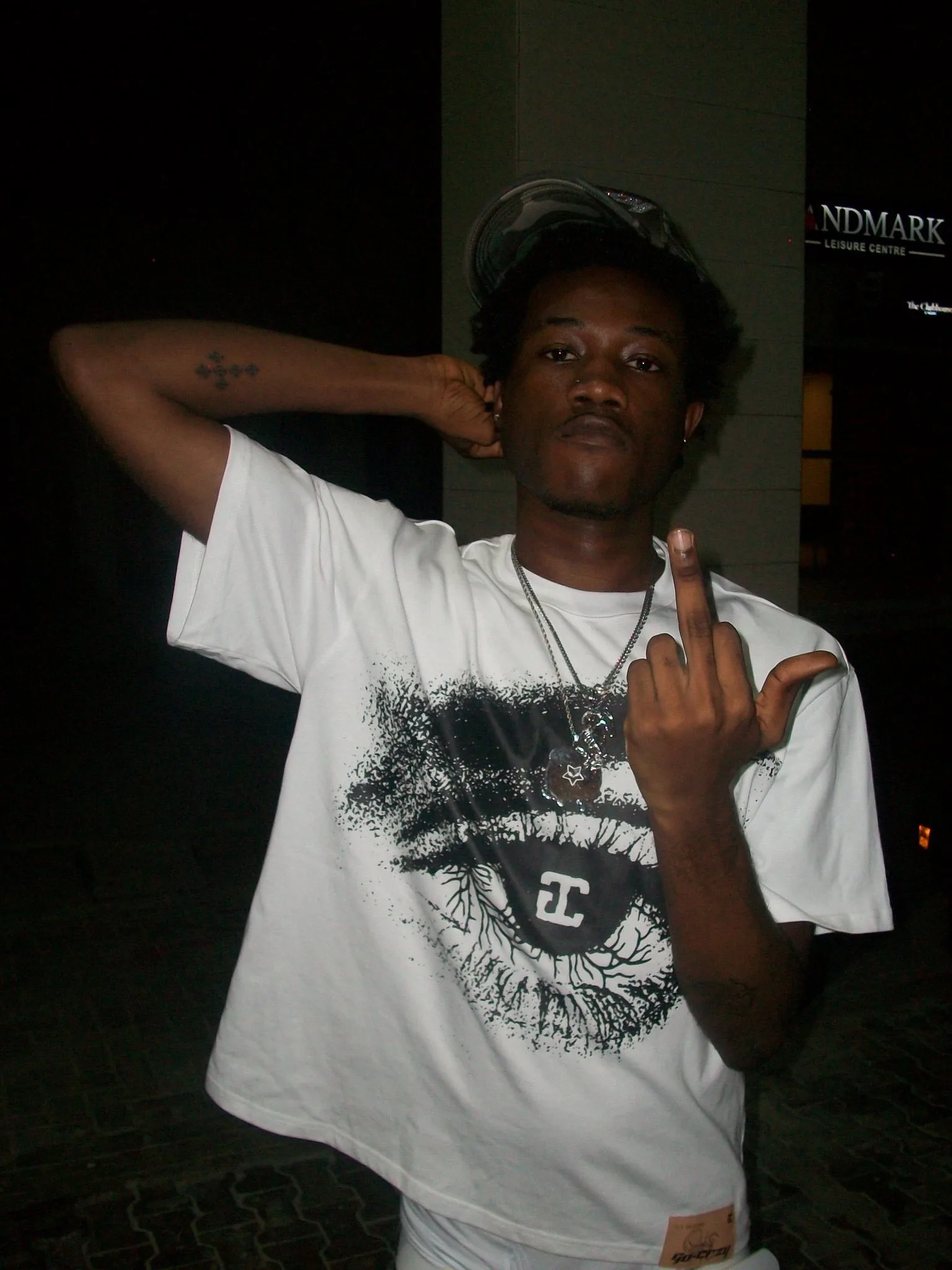
Like Mavo and FOLA, Zaylevelten also represented a niche audience who had long been invested in his artistry before 2025. But in contrast to the former, Zaylevelten identified as alternative-leaning, internet-native sound with global hip-hop references, in an industry where the Nigerian hip-hop community finds familiarity with a typical sound and aesthetic. Zaylevelten emerges with razor-sharp experimentation and production. With his blend of underground aesthetics and catchy hooks, he is proof that non-traditional structures can still build loyal audiences.
What Made These Breakouts Different?
None relied solely on conventional Afrobeats formulas. In an industry where co-signs from industry legends appeared to be the height of success, these artists first pursued organic growth, pioneering their distinct sound and community-first ethos. More importantly, their success signalled listener openness to new sonic directions.
2025 revealed that Nigerian listeners are no longer waiting for industry co-signs before actively investing in their favourite artists. While this is still pivotal, avenues like streaming, TikTok, and niche playlists have also helped to lower barriers to discovery. And with the help of sonic experimentation and unconventional fashion aesthetics, Nigerian listeners are paying me closer attention to underground artists than ever before. This poses the possibility that the audience is ahead of the industry, and 2026 promises to reflect that gap closing.
Following last year’s sonic dynamics with the likes of Mavo, FOLA, and Zaylevelten, 2026 promises more breakout acts than ever — but from non-traditional pipelines. The artists will remain intricate, yet unmistakably local and diverse, emerging from alté-adjacent scenes, Afro-fusion, R&B hybrids, EDM, and other experimental African sounds.
With 2025 normalising success outside the mainstream, it’s only palpable why this surge will happen. More importantly, listeners are now more open to discovering artists early. With 2026 barely underway, we can see evidence of underground artists like Danpapa GTA, whose latest single, “Ikeja (No Go Thief),” has taken over social media.
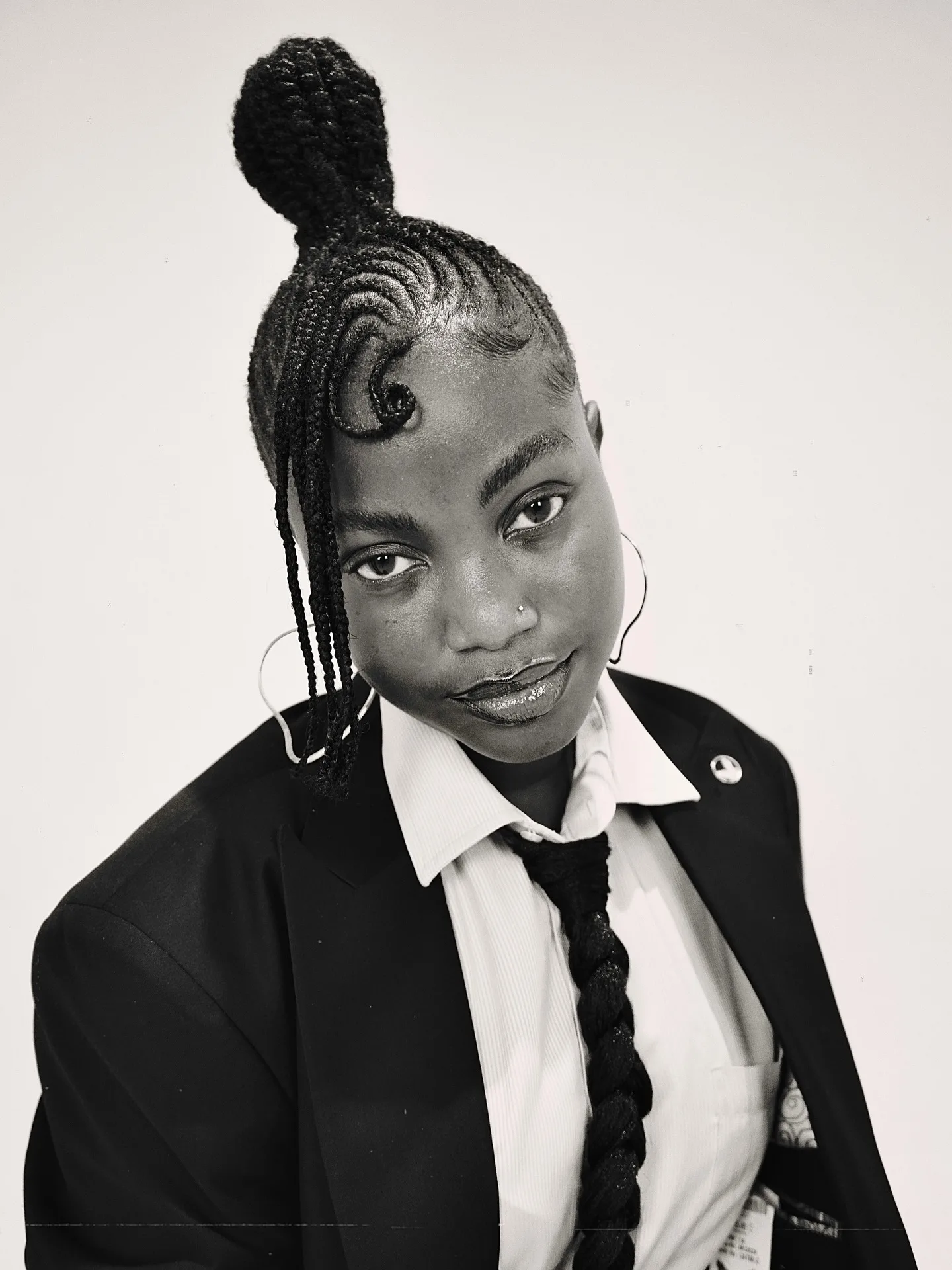
For a long time, Afrobeats propelled the Nigerian music industry into a national treasure. But in 2026, the tables change. Afrobeats will remain the foundation but not the ceiling. 2026 will favour more experimental production marked by both local and global references, and soundscapes influenced by more independent artists. Essentially, this year will introduce artists with a clear sonic identity, visual and cultural consistency, and a deep understanding of their audience. Underground acts like Egertton, Fimi, Priesst, and scottyolorin have begun carving out a place in the industry.
With the Nigerian music industry achieving global success, the need to return screams louder than before. Since 2020–2024 delivered us global validation, and 2025 revealed a transition to sound differentiation and indigenous soundscape, then 2026 will be about depth, identity, and sustainability. This opens the conversation to the expansion of artist-led communities, live intimate shows, and listening sessions.
More importantly, Nigerian music is entering a phase where the underground is no longer beneath the surface, and distinct sounds now lead the conversation. In the end, success won’t be measured only by charts, but also by engagement, community retention, and cultural relevance.