



Tune in to listen
Bounce FM

More than just Twitter debates, has there been a real decline in songwriting in mainstream Nigerian music?
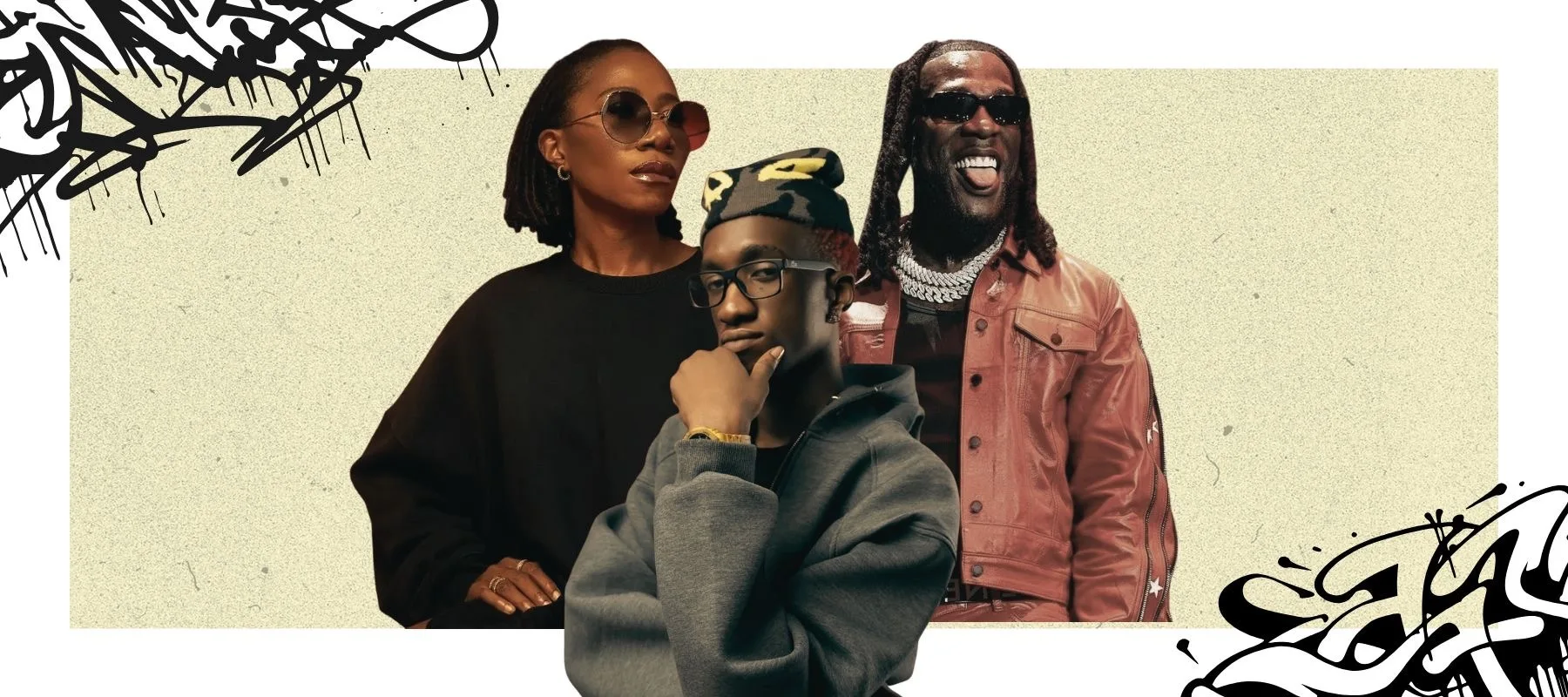
Year in and year out, myriad songs are released on digital streaming platforms, mostly influenced by a vain race to take the “Number One” spot on the charts. Several hit songs permeate the airwaves, and at least three breakout stars surface onto the scene. With the new wave of alté or “underground” artists entering the mainstream Nigerian music industry, the debate over the quality of music continues each day.
Nigerian artists have also championed this same discourse in the past. Burna Boy, for instance, once criticized Afrobeats for “lacking substance.”
Recently on X (formerly Twitter), a popular user, cited the decline of impeccable songwriting in Nigerian mainstream music, attributing the downgrade to a case of artistes’ shallow reading habits. In her post, she mentions how one can tell an artist is an ardent reader because elements of richer imagery, layered metaphors, deeper writing, and more original thought come alive. This sparked outrage as she further addresses the loss of the intersection from poetry, literature, and philosophy in an artist’s music to social media addiction and the decline in the crossover from the church — a prevalent hub for discovering artists.
This recent debate is closely connected to the viral “Your body na meat pie” line from fast-rising artist, Mavo, on his latest collaboration, “Body,” with CKay. It drove the internet into a frenzy, where many criticized the artist’s lyricism and monotonous patterns.
body (danz) – @ckay_yo ft. myself out now on all platforms. mp3 + mp4 everywhere. let's get bizzy bby. pic.twitter.com/6Kl1MbBG9w
— kilolo (@mavoswago) October 23, 2025
To reiterate, this conversation has always existed, but there’s still growing concern that songwriting is fading as Afrobeats and its subgenres continue to dominate globally.
Imperative to ask, though, more than just Twitter debates, has there been a real decline in songwriting in Nigerian mainstream music, or is this all fuss that characterises one of the most popular genres of African music?
What Does ‘Songwriting’ Even Mean in Afrobeats?
Many times, when stans immerse themselves in unrelenting debates, “songwriting” — loosely called “pen game” — takes the forefront. A popular myopic view is that artists with tailored indigenous songwriting are not good songwriters, with emphasis on talents like Seyi Vibez and Asake. This is especially true when these artists employ street-inspired lingos or lamba, as it’s locally called. But these artists have captured millions of local and foreign listeners with the same songwriting style layered in the same native languages, where mellifluous vocals alone cannot outshine.
What good is songwriting if it dwells solely on polished sentences rather than on words that evoke emotions and spark thoughts that linger long after the melodies fade? Yes, songwriting encompasses lyricism, structure, wordplay, narrative, and emotional connection, shaped by experience, imagination, and story. But where relatability, thematic cohesion, and emotional resonance fail to surface, songwriting becomes little more than child’s play.
What Makes Good Songwriting?
Nigerian mainstream music has long combined rhythm and story with critical examples like Fela’s “Zombie,” 2Baba’s “African Queen” (which many acclaim as one of the greatest examples of Nigerian songwriting), and Wizkid’s introspective “Ojuelegba.”
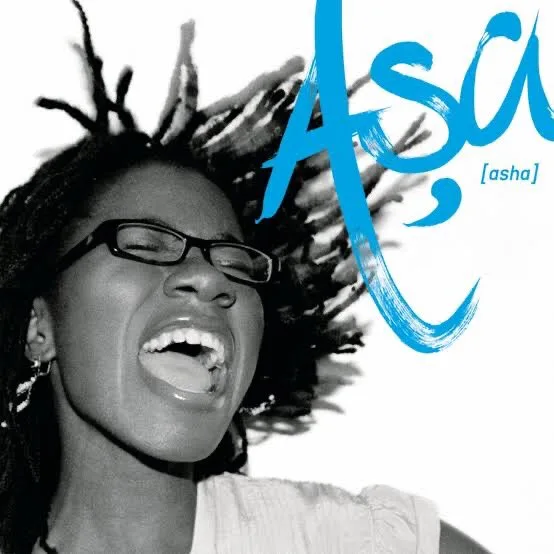
When most people refer to the “golden era” of Nigerian mainstream music with noteworthy lyrics, they pull receipts of the early 2000s, where songs like Remedies’ “Shakomo”, Eedris Abdulkareem’s “Mr. Lecturer,” Sound Sultan’s “Mathematics”, African China’s “Mr. President,” Lagbaja’s “Never Far Away,” Asa’s “Jailer,” and “Bibanke” were released. Songs that drove social consciousness, activism, or romance in poetic ways. But times have changed, and the zeitgeist shift has doubled.
So, is There a Definitive Measure to Qualify Good Songwriting in Our Music?
Nigerian mainstream music has been a tool for driving social consciousness. But more than that, it has always been rooted in rhythm and melodies that move your soul, suppress sadness, and place you on a high amidst the nation’s turbulence. It has also been a language of love and tenderness. In a country where the economy keeps tightening, most listeners don’t want constant reminders of hardship; they turn to hedonism, romance, and motivation to fuel the hustle.
There has never been a single, fixed songwriting style in Nigerian pop, which makes it unfair to tag Afrobeats as lacking strong songwriting because it’s a narrative that ignores the genre’s evolution, range, and experimental impulses.
Long before “Afrobeats” supposedly became a global buzzword, lyricists like Styl-Plus, 2Baba, Wande Coal, Waje, 9ice, and P-Square shaped the canon with memorable writing. You don’t hear “Olufunmi” or “If Love Is a Crime” without feeling stirred to fight for love. Neither would you hear “For Instance” or “Se Na Like This” and not be shaken to demand a change in the affairs of your country. You listen to songs like “Do Me,” “Kiss Your Hands,” and in 99 ways, you have mastered the art of flirting.
Even when songs like “Ye”, “Essence”, “Peru”, and “Calm Down” cemented the Afrobeats-to-the-world stance, the decline of good songwriting tilted towards social media agenda rather than growing concerns.
Many of these songs are classics to date, not just because of their melodies but due to their relatable writing and emotional resonance. You could perceive the deliberate efforts in which these songs were created—a missing art in today’s hit songs.
But Has Songwriting Declined or Just Evolved?
To be fair, the onus hasn’t been entirely on artists, as listeners’ attention spans have waned, especially with the saturation of music. And times without count, artists have seen how TikTok trends drive the marketing of music; from Simi’s “Duduke” to Joeboy’s “Alcohol” to Shoday’s “Screaming Beauty.” So the need to bow to algorithmic pressure takes a high toll.
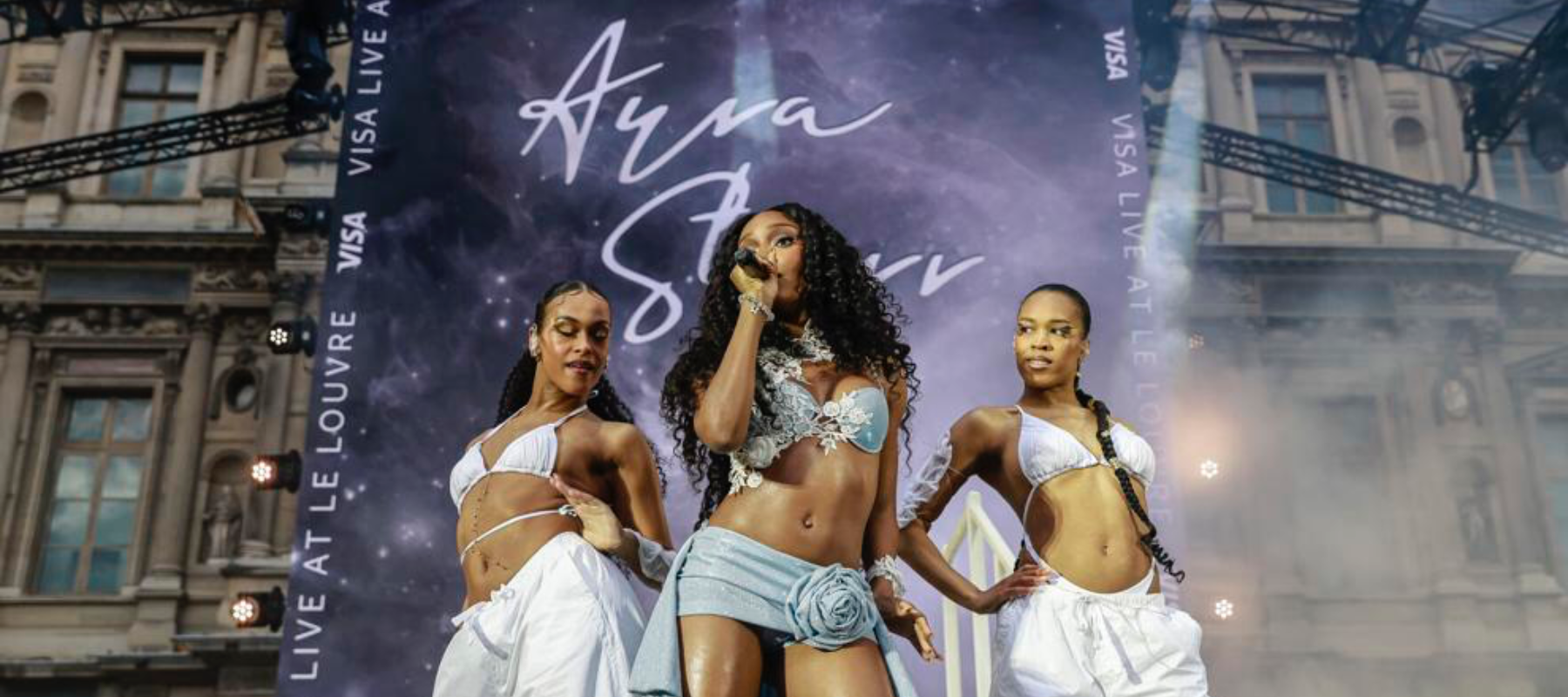
When even an artist like Ayra Starr releases songs like “Rhythm & Blues”, it struggles to capture listeners, unlike when she made “Sability.” Evidence that the audience would rather thirst for catchy hooks, short melodic verses, and lamba.
So when critics demand striking and fluid songwriting, the question should be whether the audience is receptive to embracing it.
Again, history has revealed this to us in many ways. You don’t listen to artists like Olu Maintain, Timaya, Tekno, Naira Marley, or Kizz Daniel and expect lyrical depth or layered metaphors and imagery. These artists have hacked their listeners’ acoustic senses and will only give them the songwriting they deserve. And yet we’re reminded that Nigerian mainstream music does not require lyrical depth if the rhythm and melody are finely produced.

This is not to downplay today’s artists who have defied the narrative of Nigerian music, especially Afrobeats, which lacks in-depth songwriting. Fireboy DML’s Apollo album reeks of relatability, emotional resonance, and imagery from playful and profound writing. While Tems’ For Broken Ears speaks volumes of vulnerability and hope. A good argument could be presented that most of the songs are tied to R&B and Afro-Soul. Yet, artists like Victony, Simi, Lojay, BNXN, and Adekunle Gold, amongst a few others, can effortlessly weave words that linger in your memory more than the tunes.
One can say that our songwriting has evolved to focus on flow, sound texture, and vibe, but this writer argues that it has declined. We’ve lost emotional resonance, depth, and storytelling that speaks many words of emotion to listeners and makes them think.
And to say the writing is in the melody and not just the words would be an adulteration of our music. Because when the melody wanes down, and the rhythm is forgotten, how would our music be remembered?
The legendary Fela Aníkúlápó Kútì once said, “Music is supposed to have an effect. If you’re playing music and people don’t feel something, you’re not doing shit. That’s what African music is about.”
Perhaps until listeners turn a deaf ear to watered-down lyrics and artists invest in skilful songwriting (and even hire songwriters) over catchy hooks, mainstream Nigerian music wouldn’t have to choose between gbedu and writing — because the best of our music has always done both.