



Tune in to listen
Bounce FM

The bill’s passage follows dramatic developments in the National Assembly.
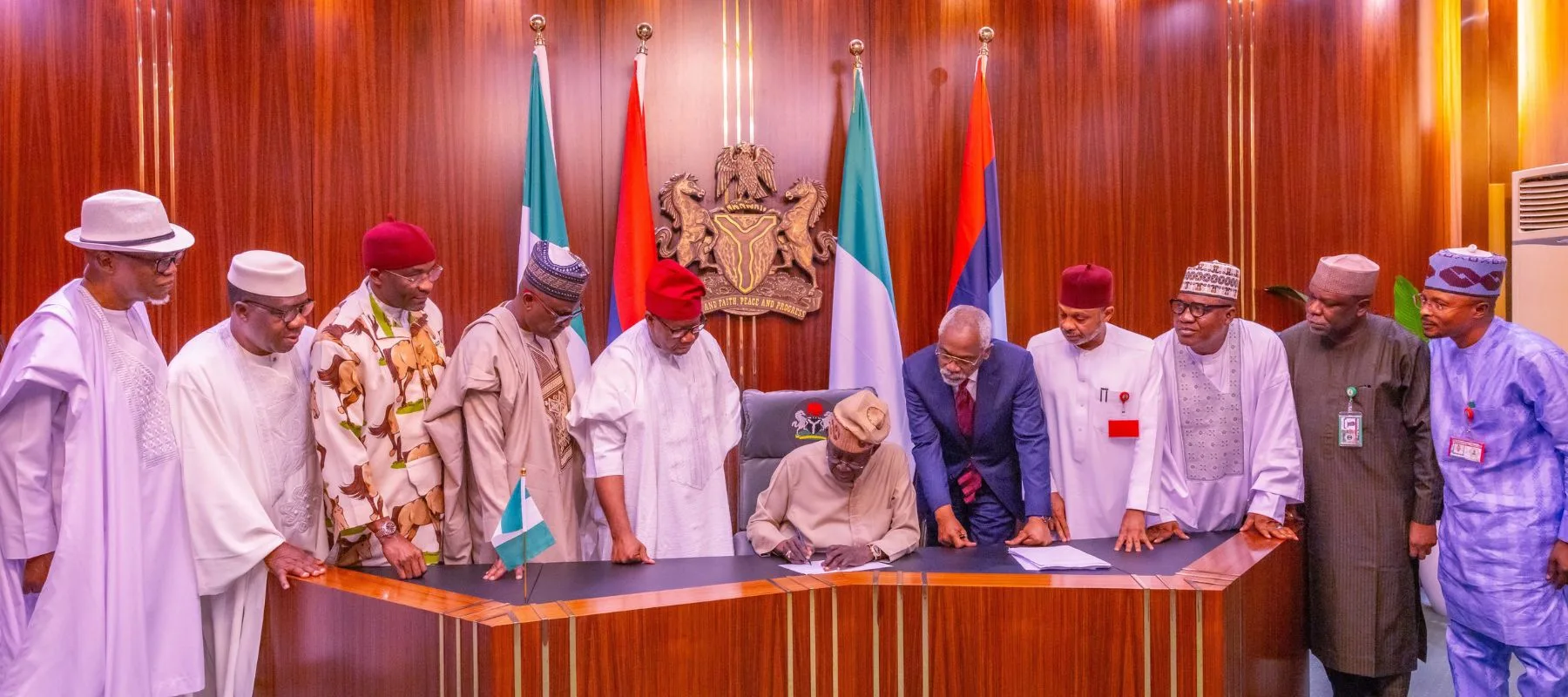
President Bola Tinubu has signed the Electoral Act 2026 (Amendment) Bill into law, formally setting the stage for Nigeria’s 2027 general election. The signing ceremony took place at the State House around 5:00 pm on Wednesday, February 18, with top leaders of the National Assembly in attendance.
The legislation, which followed months of debate, review, and amendments by both chambers, incorporates provisions for electronic transmission of results to the Independent National Electoral Commission’s Result Viewing Portal (IReV), while retaining manual collation as a fallback where technology fails.
After every election cycle, we owe Nigerians an honest look at what worked and what must work better. That is how serious democracies behave, and our laws must grow with experience.
Today, I signed the final amendments to the 2022 Electoral Act into law.
These amendments are… pic.twitter.com/Xrcm1xjOQk
— Bola Ahmed Tinubu (@officialABAT) February 18, 2026
Speaking after the ceremony, Tinubu praised lawmakers for “solid brainstorming discussions” aimed at strengthening democratic stability and national development.
The president stressed that confidence in the electoral system must be rebuilt, noting that no framework, however technologically advanced, can function without human integrity. “For final results, you are not going to be talking to the computer. You are going to be talking to human beings who announce the results,” he said.
On the contentious issue of real-time electronic transmission, Tinubu urged a realistic assessment of Nigeria’s technological capacity, particularly broadband infrastructure. He emphasised that the voting process remains fundamentally manual: voters will appear in person, thumbprint ballot papers, and cast votes, with only arithmetic results entered into official forms.
“Essentially, the transmission of that manual result is what we’re looking at, and we need to avoid glitches,” he said, warning against unnecessary interference in an era of heightened digital scrutiny.
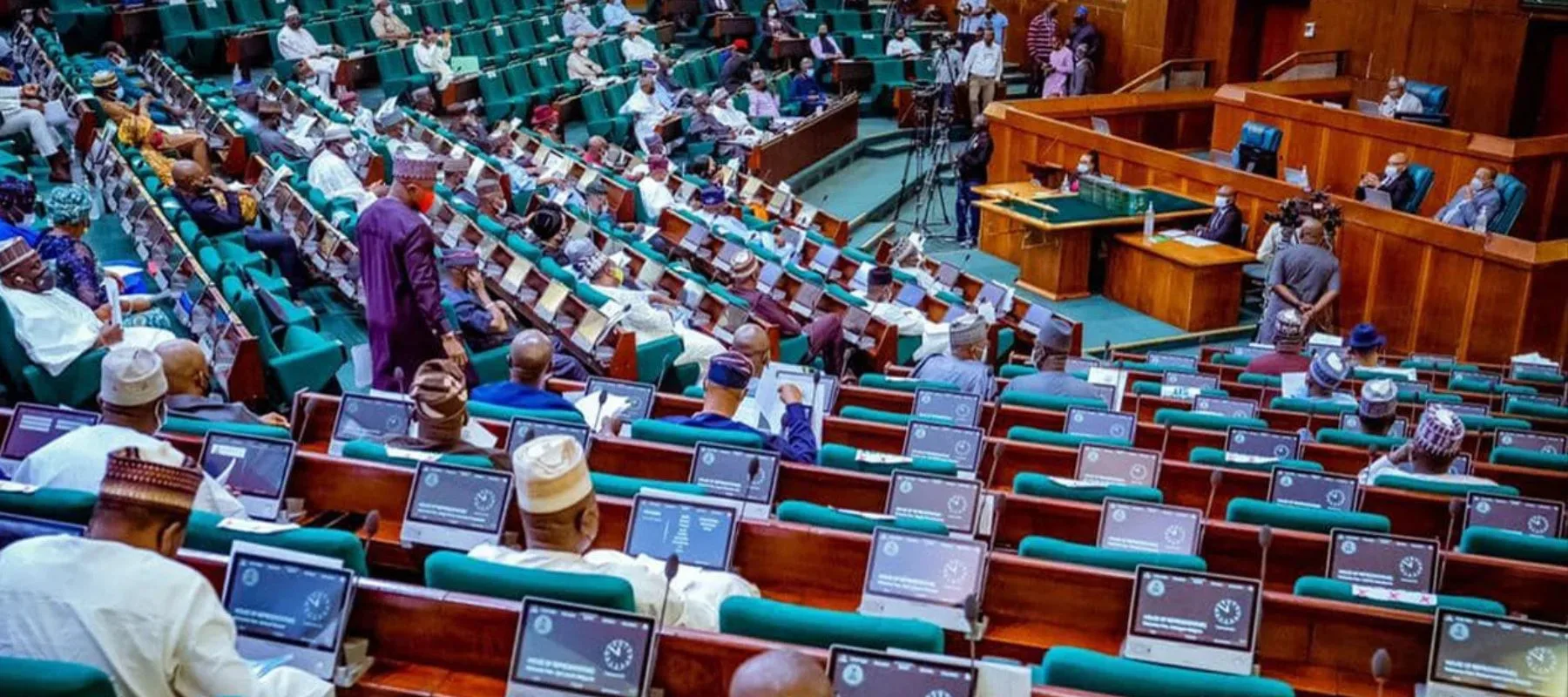
The bill’s passage follows dramatic developments in the National Assembly. On Tuesday, February 17, the House of Representatives amended the Electoral Act to mandate real-time electronic transmission, with manual collation only as a fallback. Opposition lawmakers walked out after the House, in a rowdy plenary session, rejected proposals to make electronic transmission fully compulsory, citing fears that the fallback provision could be abused.
Civil society organisations (CSOs) have decried the manual backup clause as a loophole for fraud, warning that there is no clear standard for when electronic transmission has genuinely failed. Observers also noted that the Supreme Court rejected electronically transmitted results as evidence after the 2023 elections because transmission was not mandatory.
The Senate must do what is right by the people.
We join our voices with other bodies to reject half‑measures. Nigerians deserve full transparency and the Senate's clause 60(3) is a clever loophole that drags us back. Our demand is simple, "Mandatory Electronic Transmission of… pic.twitter.com/oDGH83UyoP
— Yiaga Africa (@YIAGA) February 10, 2026
Beyond section 60, the National Assembly amended section 28(1) of the Act, reducing the period for INEC to issue election notices from 360 to 300 days, partly to avoid scheduling elections during Ramadan. Section 84 was also revised to limit political party nomination methods to direct primaries and consensus, removing indirect primaries. This move might lead to a revision of the calendar the electoral umpire released last Friday, February 13.