



Tune in to listen
Bounce FM

Fisayo Soyombo’s undercover trip to Libya shows that leaving Nigeria can mean trading one kind of hardship for another.
Your timeline on October 1 probably did the most. Green-white-green emojis, ‘Happy Independence’ captions, and somewhere in between, a meme about how the real independence plan is a US immigrant visa or Canada study permit. We’ve turned ‘japa’ into a whole vibe; a joke, an aesthetic, a life goal people manifest on social media — for good reason, mind you. But long before it was a trend, ‘japa’ was already shorthand for a crisis that’s still unfolding, one investigative journalist Fisayo Soyombo just spent 47 days documenting up close.
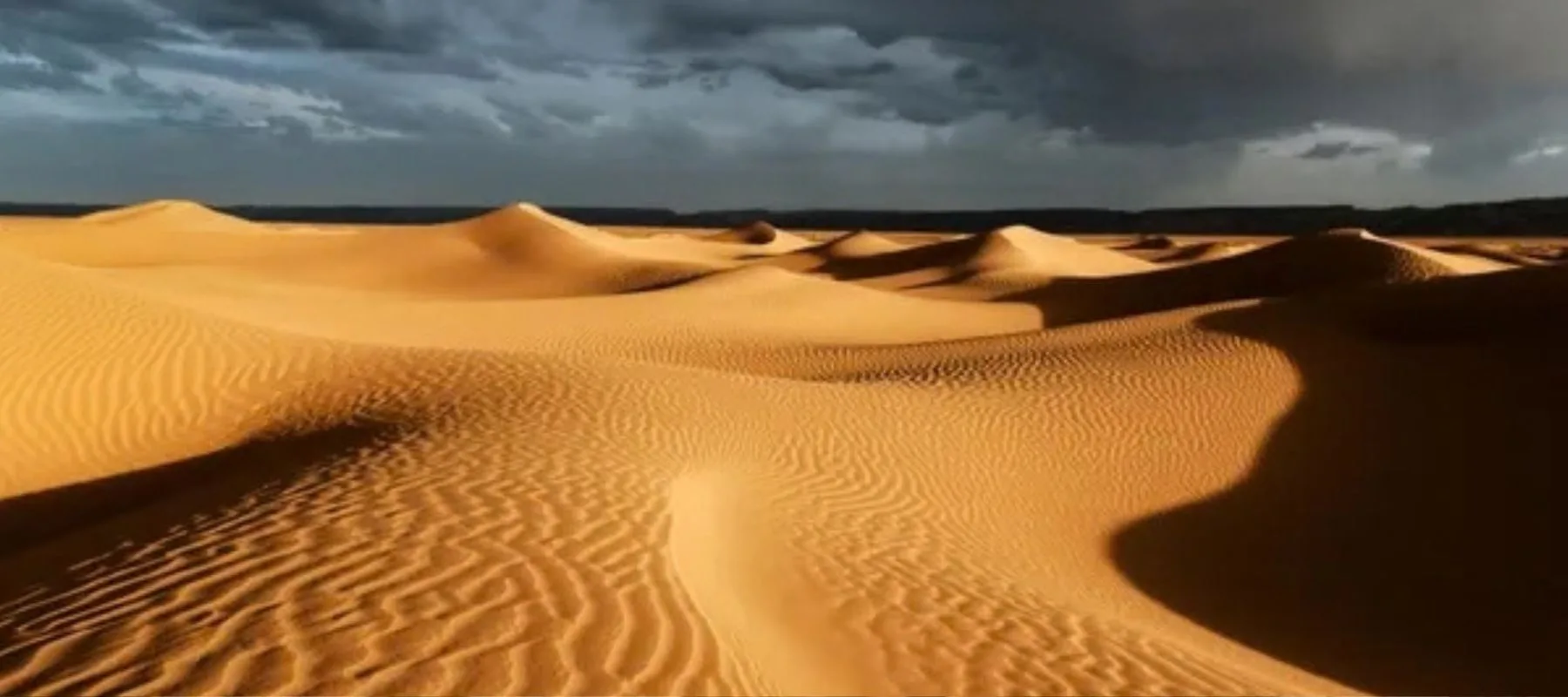
When Prime Minister Abubakar Tafawa Balewa delivered Nigeria’s first Independence Day speech on October 1, 1960, he said the country’s leaders had “come to this task better-equipped than many,” and promised, “We shall not fall for want of determination.” Sixty-six years later, the determination is still there; it’s just pointed the other way. Instead of building the country Balewa promised, tens of millions of Nigerians are determined to leave it, by any means necessary, including a route through the Sahara Desert that an estimated 85,000 people attempt every year.
Soyombo went undercover on that route, travelling from Kano to Tripoli, and FIJ published what he saw in a three-part series released between Wednesday, September 23, and Friday, September 25. It is not a cute Japa story. It’s the version nobody posts about.
He was robbed by soldiers at a checkpoint after his own driver pointed them to his cash. In a town called Al Gatrun, two men nearly got him kidnapped; he only escaped by tricking one of them into taking a photo with him. He was crammed into the boot of a car with 13 other migrants, flogged with a hosepipe for not understanding Arabic instructions fast enough, and locked in a room in Misrata so small and airless that migrants had to urinate into a bottle because there was no toilet.
The worst parts weren’t even about him. In a place called Braq, an Arab farm owner forced migrants to work for free and beat anyone who refused, until the group finally pushed back together. Soyombo also heard, from several sources, accounts of sexual violence against Nigerian women and girls along the route, including one woman from Benue allegedly raped for three straight days by traffickers. None of this is a one-off horror story. It’s just what happens to people who can’t afford a visa and a flight.
By the time he reached Tripoli, his exit had become a ransom negotiation. He paid about ₦293,000 to move on from one stop, then another ₦233,000 to leave a holding house in Janzur. He estimates that on the day he paid his own way out, traffickers collected roughly ₦7million from about 30 migrants. He eventually gave up on crossing the Mediterranean and flew home through Cairo instead. A fellow migrant he met on the trip, Austin, is still in Libya, arrested and ransomed more than once, still chasing a European dream that keeps slipping further away.
And here’s the part that should sit with you longer than any Independence Day post: none of this is random bad luck. According to the World Bank, poverty in Nigeria rose to 63 per cent in 2025, even with inflation slowing down. PricewaterhouseCoopers (PwC) predicts that in 2026, at least 141 million Nigerians, 62 per cent of the population, will be living in poverty, with about 33.1 million facing food insecurity. That’s the real backstory behind every Japa joke on your timeline. People aren’t leaving because they watched too much TikTok or they got bored of their families. They’re leaving because staying has started to feel like the bigger risk.
Balewa promised a country that wouldn’t fall for want of determination. Sixty-six years later, it’s ordinary Nigerians supplying that determination; not to build the nation he imagined, but to escape it, through deserts, trafficker camps, and the boot of an overcrowded car. Soyombo made it home to tell the story. A lot of the people he met along the way are still out there, waiting for a ransom to clear, or a crossing that might never happen. That’s the independence story nobody’s posted about on the 66th Independence Day, but maybe someone should have.