



Tune in to listen
Bounce FM

AI’s inextricable presence in people’s personal lives and interpersonal relationships is fast becoming a pernicious headache for all.
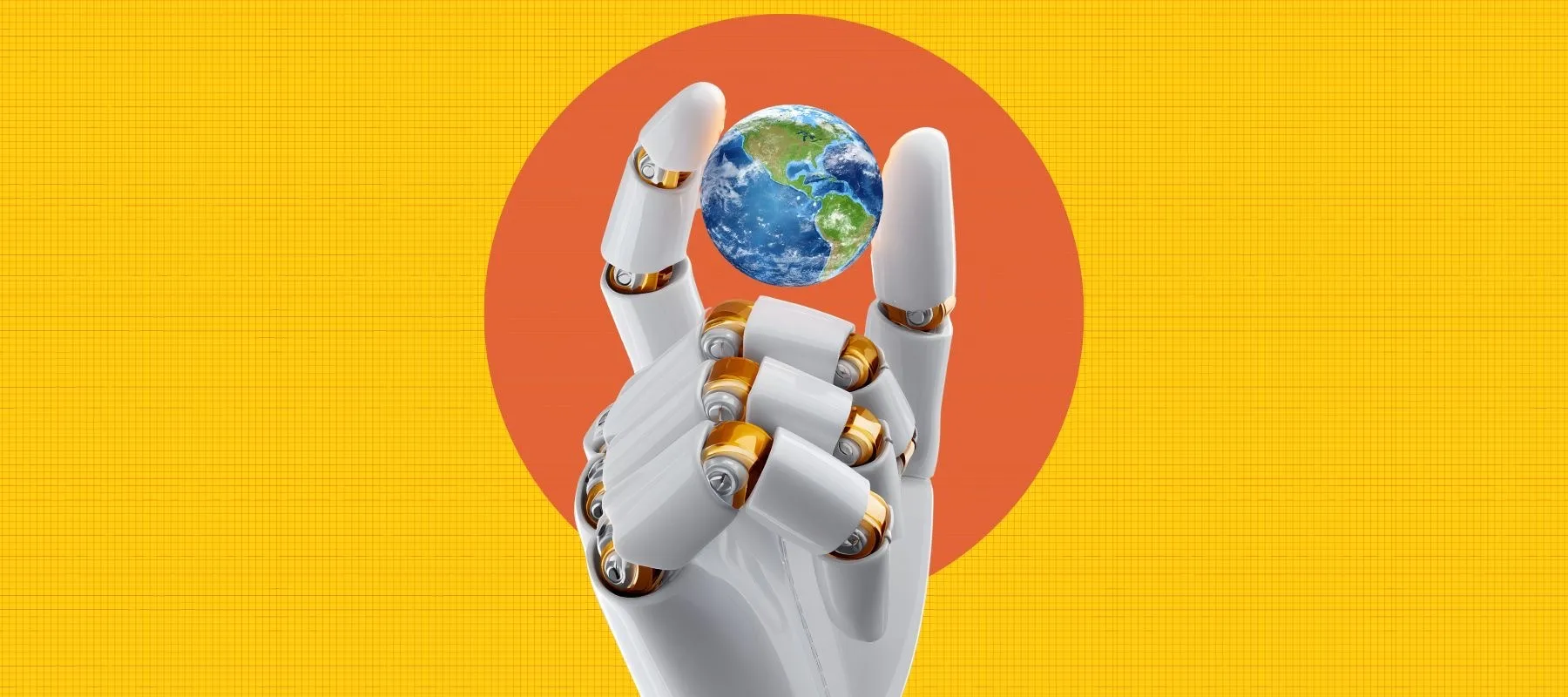
Everywhere you look today, generative AI is creeping in to disrupt what was once near-pristine across all boards. Using it has ignited an unending debate over what’s morally right or wrong, commercially sustainable, and socially acceptable across the globe, even as hegemonic states continue to vie for the supremacy of models. AI making the workforce we came to know redundant was arguably its most feared consequence, but in recent times, its inextricable presence in people’s personal lives and interpersonal relationships is fast becoming a pernicious headache for all.
At the moment, there are two high-profile lawsuits filed against Character.AI and OpenAI for their alleged contribution to the suicides of two teenagers. Adam Raine, a 16-year-old from California, and Sewell Setzer III, a 14-year-old from Florida, both ended their lives in April and February 2024, respectively, following prolonged interactions with the AI models that allegedly encouraged their fatal decisions. The first hearing of the cases took place in September, with US lawmakers now more incentivised than ever following a survey from the non-profit organisation Common Sense Media, which disclosed that about 72% of American teens have turned to AI companions as a means to simulate human interactions through virtual friendship, emotional support, therapy, and role-playing games, among other uses.
But this development transcends the USA and its teenagers. AI is also increasingly being used by adults to navigate the complexities of human relationships globally.
“I use ChatGPT frequently for moments when I need an unbiased listener. Even though it can be tricky sometimes, because I’ve noticed it tends to side with the decisions you already agree with or follow a certain pattern. I try as much as possible to put it on course by ending my prompts with ‘don’t be biased,’ and it usually comes through well most times,” Jane Adenuga*, a Nigerian user, said of OpenAI’s flagship model to The Grid.
“According to what my ChatGPT has told me, I oscillate frequently between work and personal stuff during our daily dialogues,” said Mercy Faith* an AI and machine engineer. “And that’s actually true, because as much as I use it more for work, these personal conversations are also a big part of it. There are times when you need to discuss something, but you can’t just talk about it with anybody, not even your friends. But having that emotionless model to do this with is always a relief,” she said. “And yeah, they’re effectively filling in that gap to an extent, just that the memory lapses and it getting lost in conversation can be annoying at times.
In another case, Chinelo Ebuka* attested to consistently engaging more than one AI chatbot depending on the need at hand. “ChatGPT, DeepSeek, and sometimes Grok are the only AIs I use. I’m not exactly sure why, but I use DeepSeek for medical assistance,” she shared. “But ChatGPT remains my go-to AI for everything and anything. I think it literally has answers to all my questions and solutions to most problems. Also, there’s a way it phrases things that comforts and suits me, and just keeps the conversation going. Most times, they are great substitutes for friends and doctors, and they do that quite well.”
In more complex cases, using AI for personal matters has resulted in an unprecedented form of emotional entanglement and the destruction of some romantic relationships. For instance, a September story from The Guardian revealed a growing number of cases where women have made romantic partners out of chatbots, while some married users are turning to the technology as a therapist and confidant. In many cases, this has resulted in traumatic and sometimes violence-induced breakups.
According to OpenAI’s September 15 report, of its 700 million weekly active ChatGPT users, 11% use the platform for expression, personal reflection, and other forms of intimate engagement. An extreme form of this is what experts have described as “AI psychosis,” a mental state characterised by delusions, paranoia, or distorted perceptions resulting from prolonged interaction with AI.
It begs the question of whether these users are becoming obsessed with these chatbots because of existing mental health issues or if they are slipping into a mental abyss as a result of obsessive usage. Søren Dinesen Østergaard, a psychiatric researcher at Aarhus University Hospital, presciently explored this in his 2023 article “Will Generative Artificial Intelligence Chatbots Generate Delusions in Individuals Prone to Psychosis?”
“The correspondence with generative AI chatbots such as ChatGPT is so realistic that one easily gets the impression that there is a real person at the other end, while at the same time knowing that this is, in fact, not the case,” Østergaard argued at a time when these AI models were still in their nascent stage. “In my opinion, it seems likely that this cognitive dissonance may fuel delusions in those with increased propensity toward psychosis.”
In many ways, Østergaard’s prediction is playing out in real time, thanks to the growing sophistication of these models. OpenAI once conceded that ChatGPT tended to be overly agreeable, flattering, and validating — sometimes at the expense of providing real help — before the model was reportedly redesigned. However, the fact remains that AI chatbots are not efficiently optimised for users’ well-being. Additionally, one cannot rule out the fact that, as a user-centred product, fostering continuous engagement in every possible way is among its primary objectives, and this, at its core, will remain a business model for these companies.
*Names have been changed for anonymity.