



Tune in to listen
Bounce FM

In the face of dashed promises, Nigerians have been resilient and continued to make waves at home and abroad.
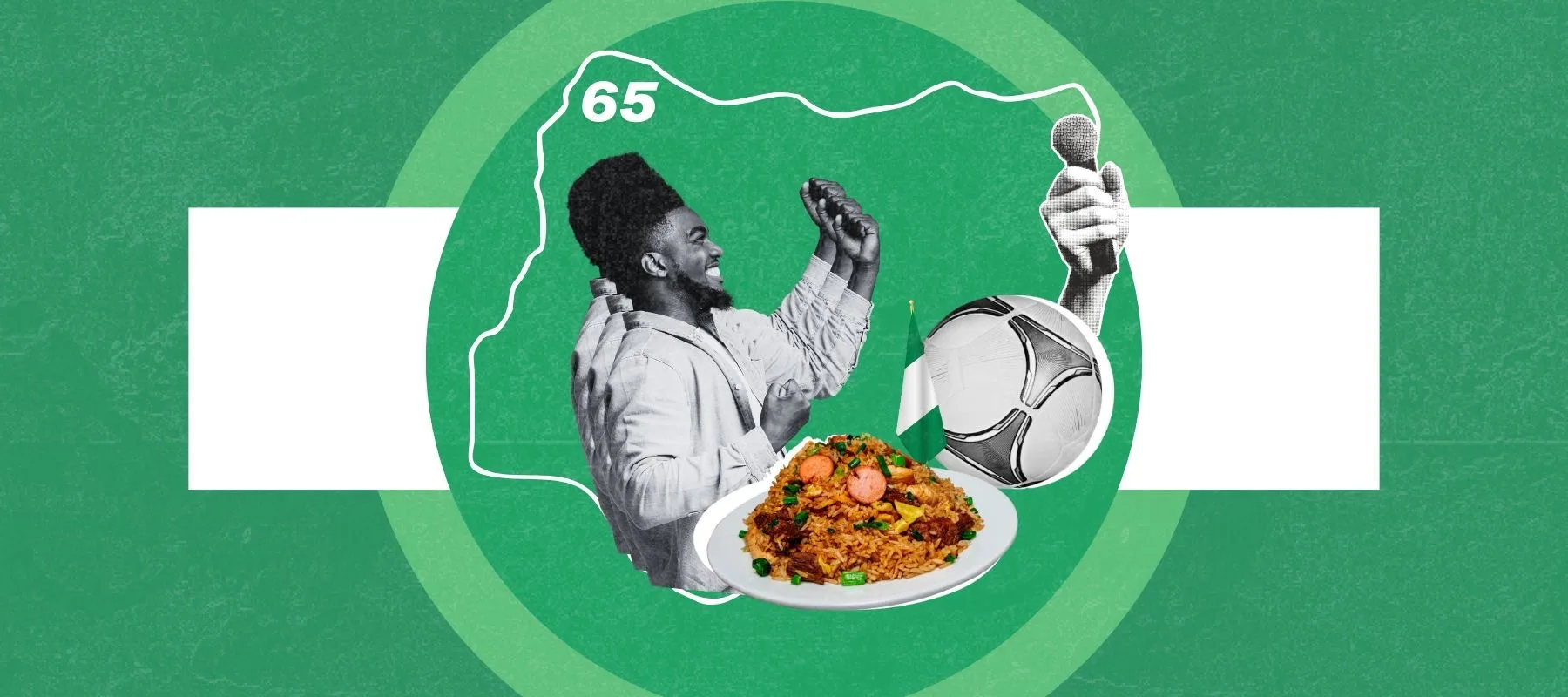
Nigeria turned 65 last Wednesday, October 1, 2025. For the country, Independence was supposed to usher in a golden era of prosperity and growth, but progress has often been elusive in our history. Barely six years into self-rule, the country’s first experiment with democracy was cut short by a military coup in January 1966. The decades that followed were marked by dictatorship, civil war, and cycles of fragile democracy that barely bore fruit for citizens. Even in 2025, Nigeria still struggles with many of the basics.
One of the most glaring examples is electricity. Stable electricity remains out of reach in most places. In 2024, the National Grid, which supplies power to nearly all parts of the country, collapsed at least 12 times, an embarrassing toll that only worsened blackouts. Although the frequency has reduced in 2025, the crisis remains with at least three incidents of grid collapse recorded this year, thanks to outdated technology, decades of severe underinvestment, and policies that have failed to keep pace with modern power systems, according to energy experts. The result has been Nigeria housing more people without electricity than any other country, leaving Nigerians scrambling to use scarce financial resources to generate most of their own electricity.
The same story of stagnation and decline can be told about the economic condition at large in the country.. In 2022, the National Bureau of Statistics (NBS) reported that 133 million Nigerians — representing 63% of the population — were multidimensionally poor, meaning that they lacked more than one survival need (good health, good living standards, basic education, and gainful employment). Three years later, the situation has only worsened, as tens of millions of Nigerians continue to struggle to make ends meet. Despite so-called social safety programmes such as the National Cash Transfer Programme, which has disbursed N330 billion to poor and vulnerable Nigerians, according to the Federal Government, poverty continues to deepen. One in two Nigerians still lives in poverty, leaving more than half of the country unable to afford basic needs.
Insecurity has only deepened this bleak picture. In his 2024 Independence Day Address, President Bola Tinubu claimed that Nigeria was winning the war against criminals. Yet, over the last year, criminal elements have only grown bolder, killing more people in the first half of 2025 than they killed the whole of last year. Even the president’s 2025 address betrays reality. He claimed that his administration had redirected the economy towards a more inclusive path by channelling money to fund education, healthcare, national security, agriculture, and critical economic infrastructure, such as roads, power, broadband, and social investment programmes. However, most of these claims are not supported by evidence. For example, a report by Quartus Economics, a research company, which analysed the country’s economy in August, revealed that the agriculture sector “failed to keep pace with population growth” between 2019 and 2024. So, the president can claim to have increased spending in various sectors, but it has been nowhere near enough to make an impact on Nigerians.
The president also claimed that the Naira has stabilised from the turbulence and volatility witnessed in 2023 and 2024. But what he left unsaid was the fact that a dollar to a naira today still hovers around ₦1460 — a stark contrast from the ₦460 (official market) and ₦740 (parallel) that he inherited, leaving Nigerians paying much more than 100% more for foreign exchange (FX) since he assumed office. The address also featured claims of making “tremendous progress” in social cohesion in the last 65 years, but spending a few minutes on social media and seeing tribal bigots go at one another makes those words doubtful. And Tinubu himself has tacitly endorsed the bigotry of his supporters by riding their conduct to power and never condemning divisive behaviour.
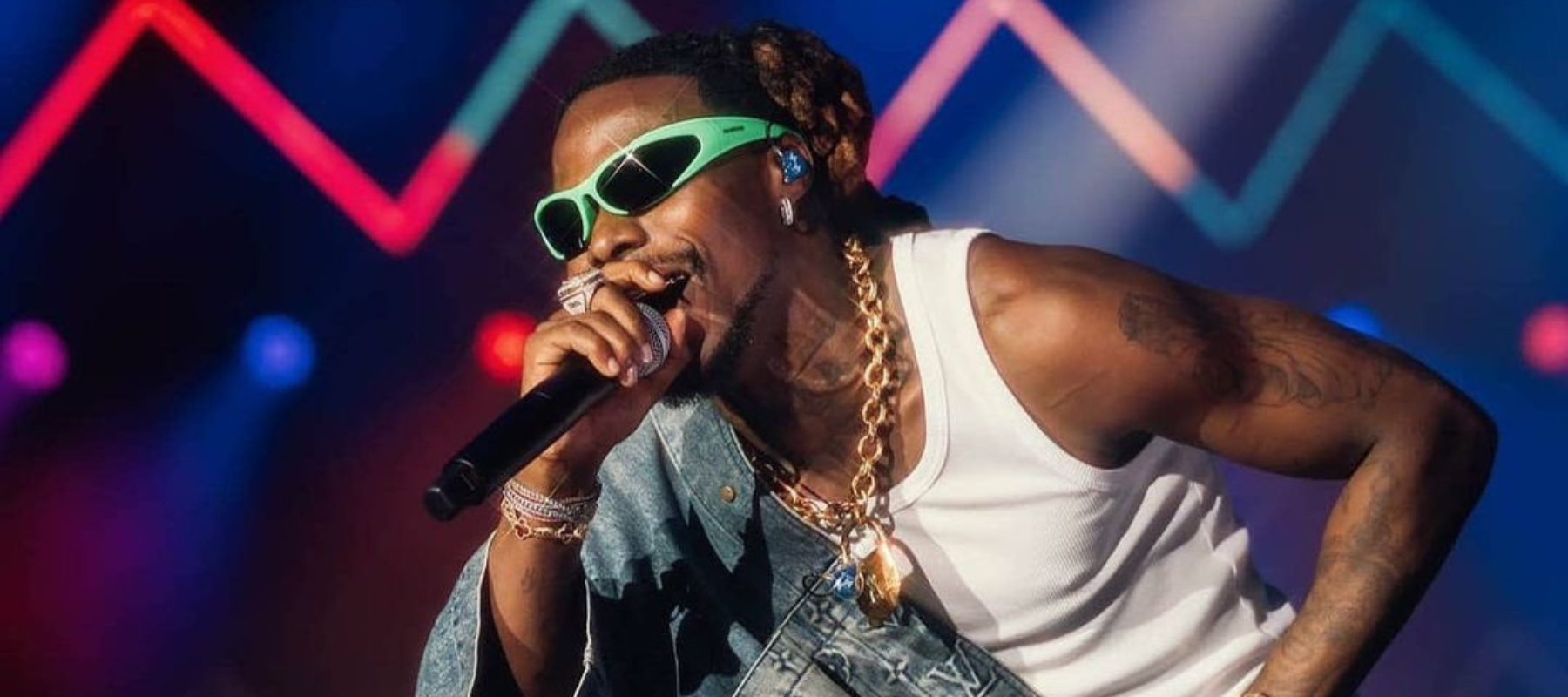
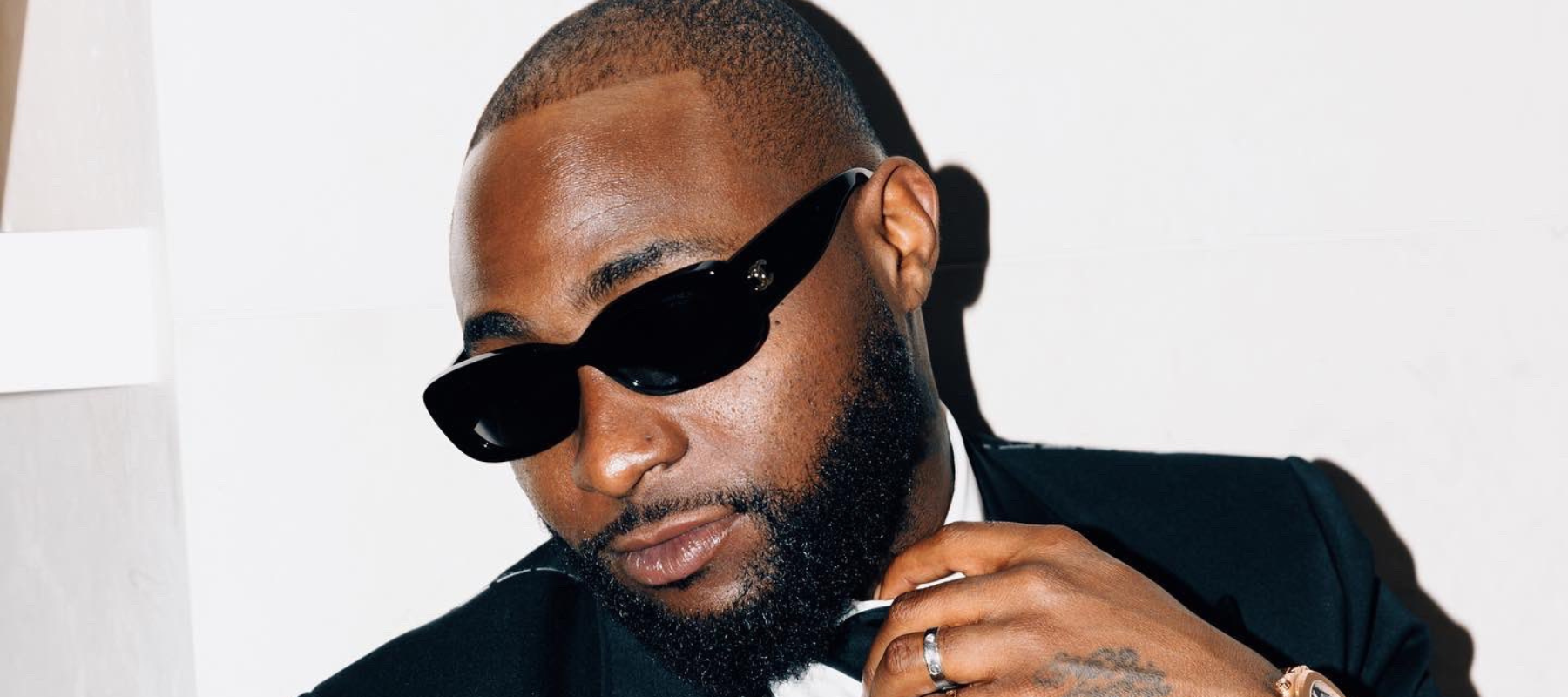
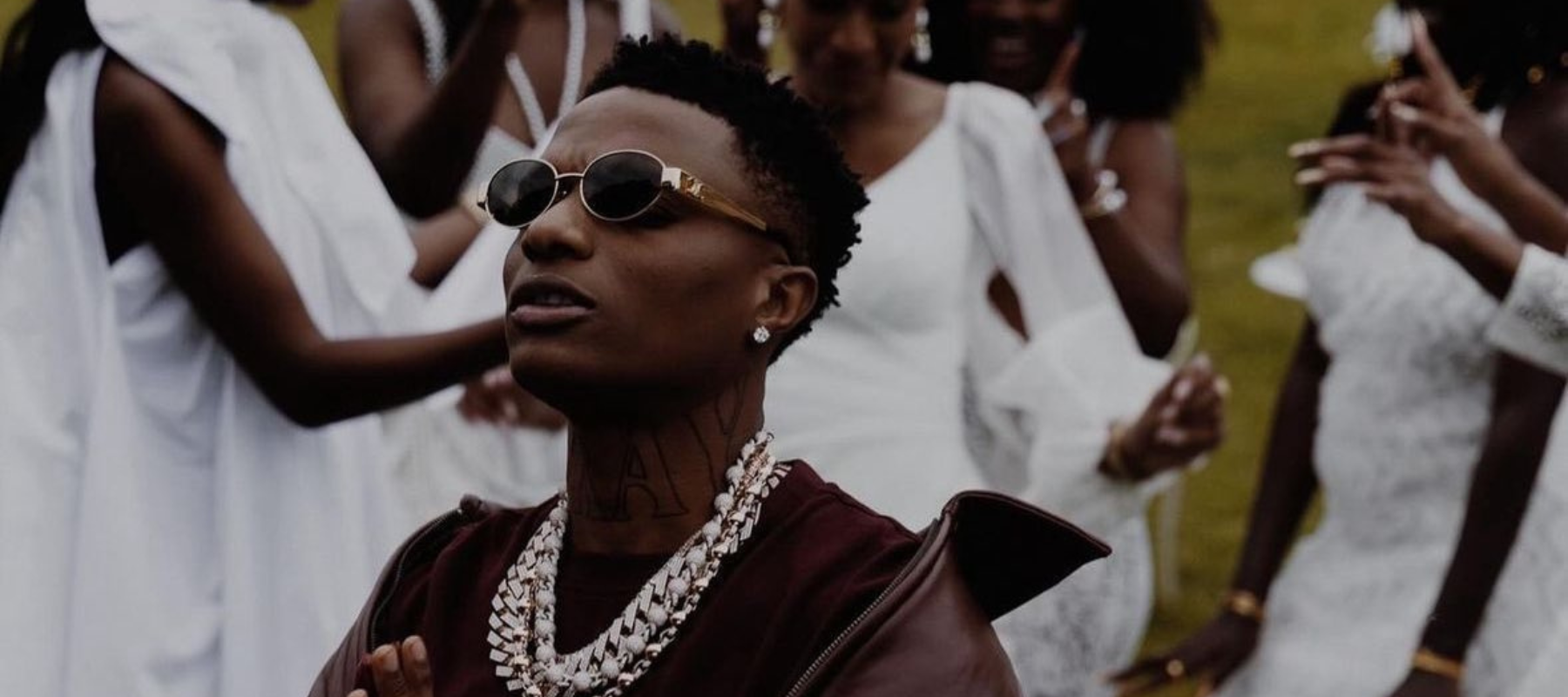
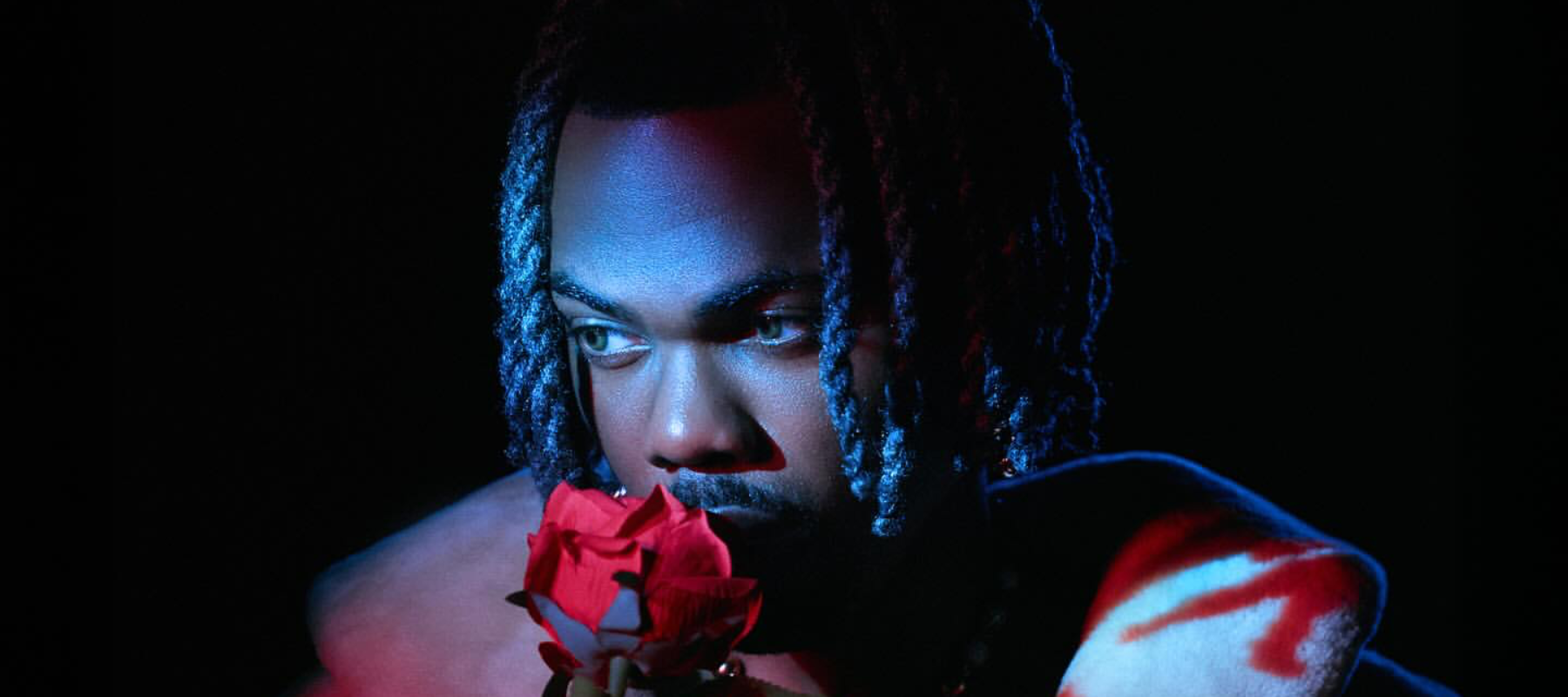
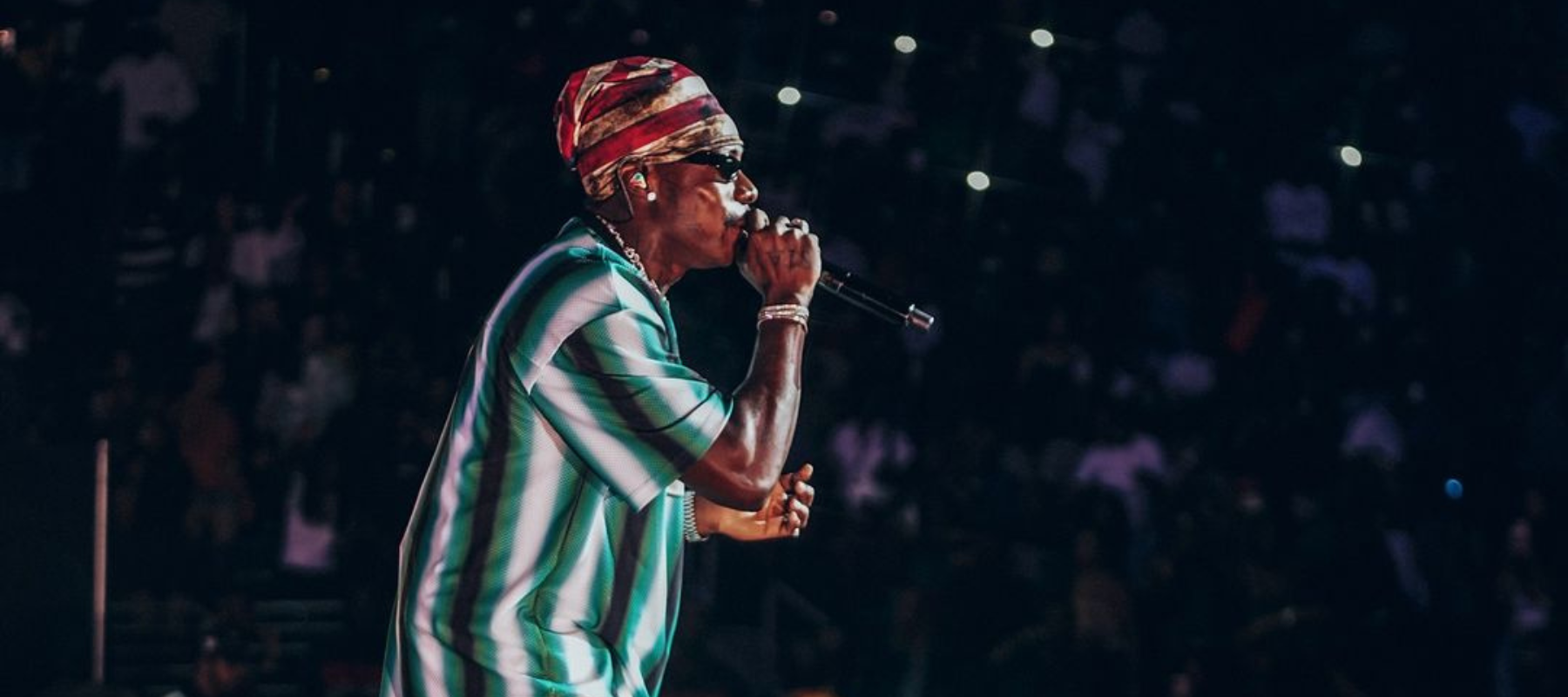
And yet, in the face of dashed promises, Nigerians have been resilient and continued to make waves at home and abroad. For many, survival has meant building coping mechanisms outside of what the government could do for them. Culture has become one of the most powerful coping mechanisms. Music, for instance, has placed Nigeria firmly on the global stage. Afrobeats, carried by stars like Wizkid, Davido, Burna Boy, Tiwa Savage, Rema, Ayra Starr, Tems, and others, has filled arenas across the world and earned the most prestigious global awards. Even American pop culture figures like Druski, Kai Cenat, and Ruby Rose have visited Lagos to tap into the vibrant cultural energy that’s felt offline and online. Granted that these visits were largely superficial and not necessarily about celebrating our culture, their presence was evidence of the increased visibility of Nigeria in the global cultural conversation.
Film has followed a similar path. Nollywood, once mocked for quantity over quality, now regularly appears at international festivals like Cannes and the Toronto International Film Festival (TIFF). For example, TIFF selected two Nigerian films — Freedom Way and The Legend of the Vagabond Queen of Lagos — for screening in 2024. This year, Bam Bam, a Nigerian short film written and directed by Tolulope Itegboje, also premiered at TIFF 2025. Nigerian films have also not been scarce at the annual African International Film Festival (AFRIFF). Out of 150 films screened at the festival last year, 16 were Nigerian features, showing the high quality of Nigerian storytelling despite the low-quality political leadership at home.
Sports, especially football, provide another escape. When the Super Eagles or Super Falcons play, Nigerians set aside tribe, religion, and politics to cheer for victory. But unlike music and film, sports have not enjoyed the same level of success. The Nigeria Professional Football League (NPFL) has fallen into neglect, leaving local clubs unable to compete at the continental level. Gone are the days when Enyimba and others were a dominant force on the continent. Today, Nigerian stadiums are largely below global standards, half-empty, with the league’s overall quality offering little to be optimistic about. This decline was evident in August when the home-based Super Eagles were eliminated from the CAF African Nations Championship (CHAN) following humiliating losses. Now, the national team is on the brink of missing the 2026 FIFA World Cup — the first time Nigeria would miss out on two consecutive editions since our debut in 1994. Still, in the midst of institutional neglect, individual athletes have tried to fill the void. Stars like William Troost-Ekong, Wilfred Ndidi, and Asisat Oshoala have invested in academies and foundations to nurture the next generation. Their efforts may not solve systemic problems, but they reflect the same resilience seen in music and film — Nigerians finding a way to thrive where leadership has failed.
This resilience is perhaps the most enduring part of our national identity. Nigerians have a reputation across the continent for our grit and hard work. Ironically, the widely celebrated resilient spirit of Nigerians could also be our greatest hindrance to achieving true independence and receiving good governance. There’s the long-running joke that when you push the average Nigerian to the wall, instead of hitting back, they try to break the wall and go inside it. So, when there is a bad government policy that makes life more difficult for us, the default position is often, “We will survive,” not, “How do we get the government to overturn this policy?” It is a coping mechanism that blunts accountability.
At 65, Nigeria is still grappling with the weight of its unfulfilled promises. Yet, through sports, film, music, and everyday hustle, Nigerians continue to transform struggle into survival and survival into culture. That — more than anything — is what independence looks like in 2025.