



Tune in to listen
Bounce FM

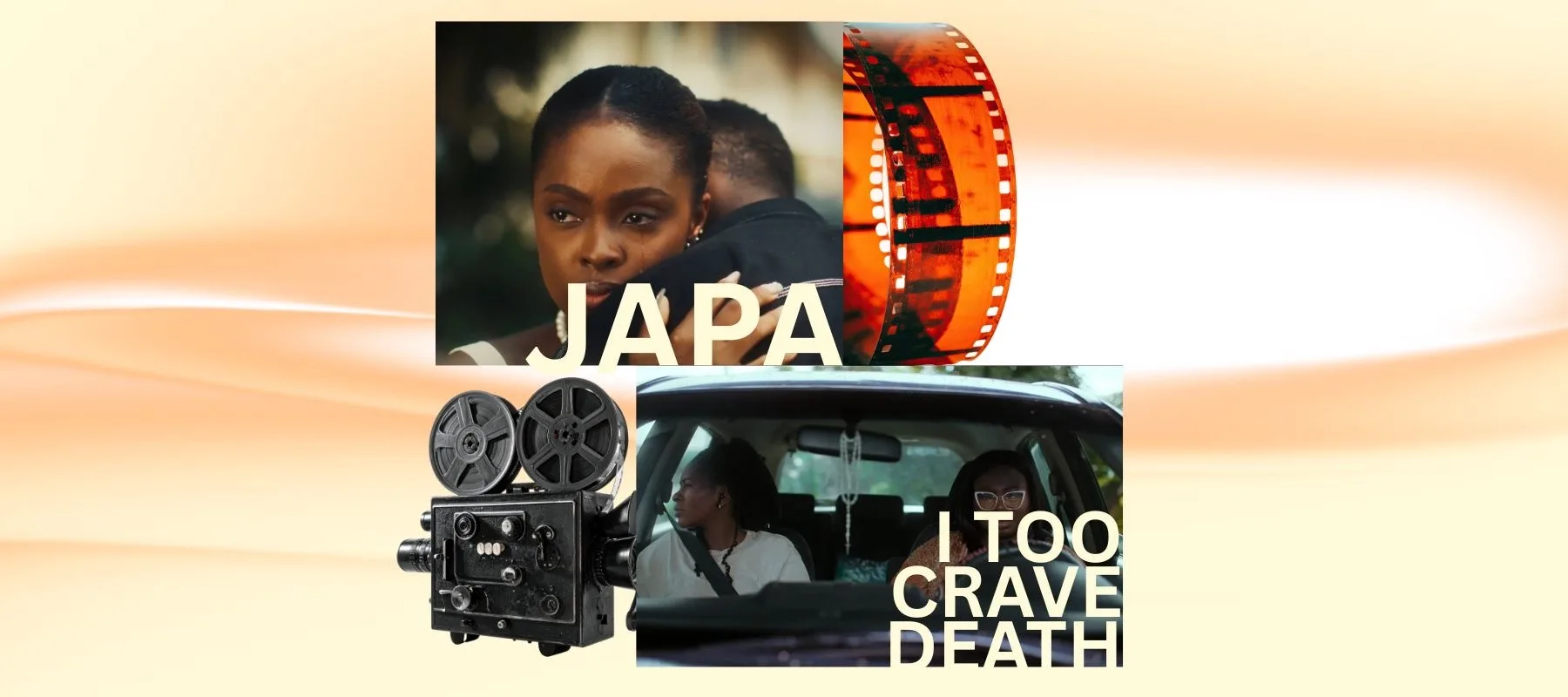
Nollywood, in all of its diversity in stories, has been able to consistently document the country’s journey of freedom. From allegory, satire and political thrillers, Nigerian filmmakers have provided mirrors…
For all of its historic significance, Nigeria’s independence story is often reduced to a date: October 1, 1960, the day a new nation stepped into self-governance and what it has achieved in the timespan. But 66 years later, the story of Nigeria’s freedom from its colonisers cannot be contained in one historic day.
It is in the euphoria that preceded independence, the ethnic tensions afterwards, the Civil War that ensued, the several coups that interrupted democracy, the return to civilian rule, and the present day of the everyday lives of Nigerians trying to make sense of the country they inherited.
Nollywood, in all of its diversity in stories, has been able to consistently document the country’s journey of freedom. From allegory, satire and political thrillers, Nigerian filmmakers have provided mirrors of what real Nigeria is, and for the awakening of citizens.
On Independence Day, these are some of the Nollywood films that offer different lenses into the country that was once and the one we’ve become.
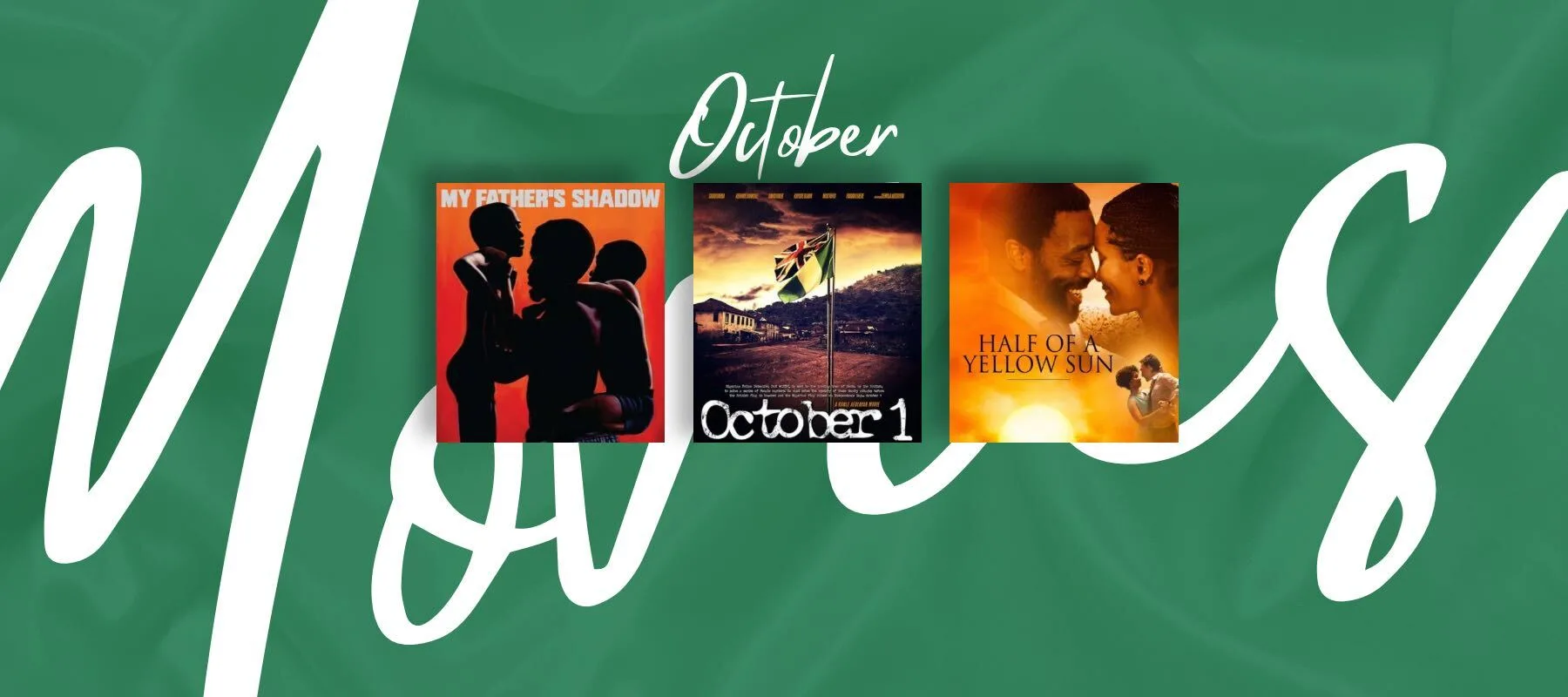
If there is one Nollywood film that succinctly captures Nigeria’s Independence Day list, it is Kunle Afolayan’s feature film October 1.
Set in 1960, as Nigeria prepares to gain independence from Britain, the film follows Inspector Danladi Waziri, a Northern Nigerian police officer sent to investigate the murders of young women in a Western Nigerian town. Beneath its murder mystery is a country approaching a historic transition, with colonial authority, ethnic tensions, religion, sexuality and questions of national unity colliding in the final days before independence.
Afolayan’s film is significant because it refuses to treat October 1 as a clean beginning but rather as one where the wounds, contradictions and aftermath of colonial Nigeria still linger.
Unlike October 1 captures the birth of the nation, Half of a Yellow Sun captures one of its earliest ruptures. Biyi Bandele’s adaptation of Chimamanda Ngozi Adichie’s titular novel begins on Nigeria’s first Independence Day in 1960 and travels through the political crises that culminate in the Nigerian Civil War and its end in 1970.
Through Olanna, Kainene, Odenigbo, Richard and Ugwu, the film makes history intimate. Politics becomes personal; national identity becomes a question of survival.
Years after its release, it serves as a reminder that the decades of independence were more than building a new nation. But also deciding what that nation would mean to the people living inside it.
Akinola Davies Jr.’s multiple award-winning film My Father’s Shadow brings Nigeria’s political history into the intimacy of a family. One that still fragments scattered across the lives of many Nigerians today.
Set in Lagos on June 12, 1993, the film follows two young brothers spending a day with their estranged father as political unrest builds around the country’s presidential election. The election’s aftermath would become one of the defining crises in Nigeria’s democratic history.
Although the film does not attempt to fully explain Nigeria’s political crisis through historical exposition, it exposes the country’s uncertainty through the eyes of two children trying to understand their father in a city that suddenly feels different.
Izu Ojukwu’s ’76 takes us six years after the Civil War, into one of the most turbulent periods of Nigeria’s post-independence history.
Set against the 1976 coup attempt and the assassination of Head of State Murtala Mohammed, the film follows a young military officer accused of involvement in the coup and his pregnant wife, Suzy, as she attempts to clear his name.
Rather than presenting military history purely through generals and coups, ’76 explores what political instability does to ordinary people and families even when the war has ended.
Nigeria’s history of military rule is also a history of censorship, imprisonment and resistance. Awam Amkpa’s The Man Died, based on Wole Soyinka’s prison memoir, revisits the writer’s imprisonment during the Nigerian Civil War after his attempt to mediate between the Federal Government and the Biafran side was interpreted as support for the rebels. The film depicts his imprisonment without trial and his struggle against military repression.
The film depicts his imprisonment without trial and his struggle against military repression upon his refusal to surrender his voice. Yet, sixty-six years after independence, isn’t freedom a mirage for a nation where citizens are unjustly silenced?
For a nation celebrating its freedom and self-governance, it certainly wasn’t kind to patriots who fought for what true freedom and Justice should be. Bolanle Austen-Peters’s biopic Funmilayo Ransome-Kuti captures the life of one of Nigeria’s earliest and most formidable political and social activists.
It further explores how the freedom fighter, teacher and mother, fought against colonial taxation, colonial and patriarchal constraints. More than the narrative of male politicians and generals in power, the film places women at the heart of Nigeria’s independence story.
Nigeria’s return to civilian rule in 1999 marked the beginning of the Fourth Republic. Yet the democracy her citizens got in return has grappled them more than the absence of citizens.
Ishaya Bako’s 4th Republic puts that question inside a fictional governorship election. After a violent and fraudulent election leaves her campaign manager dead, politician Mabel King challenges the result at an election tribunal while her team searches for evidence that could expose what happened.
The film moves Nigeria’s political story from coups and military governments into the machinery of elections: political violence, electoral fraud, manipulation, power and the courts. A familiar experience many Nigerians of today are not new to.
There is another way to tell a nation’s freedom story: follow the people trying to leave it. Arie and Chuko Esiri’s Eyimofe follows Mofe, an electrician, and Rosa, a hairdresser, as they pursue plans to start new lives abroad.
Set in contemporary Lagos, the film captures the economic pressures, family responsibilities and everyday frustrations that make migration feel like a possibility. It is not a political film in the conventional sense. But it deeply explores the question of what kind of country people are trying to build and what kind of country they believe they need to escape.