



Tune in to listen
Bounce FM

Afrobeats today exists in a difficult position: it now operates as a global export industry, and artists feel pressured to smooth out the rough local edges that once defined their…
There are moments you listen to an artist, and undoubtedly believe the artist wrote the song with you in mind. The music feels instinctive; the melodies are addictive, the lyricism is immersive, as if the artist were right in front of you.
Their social media also feels relatable, like you’re part of their journey. But as the course of success unfolds, the music starts to feel distant. The layers — stories, experiences, language, sounds, and images — that you once associated with the artist now contain foreign elements, making it hard for you to connect with the music.
This is the strange moment in almost every artist’s career when the music stops feeling like home because the artist has grown before the audience could catch up. Where the cost of global relevance becomes a priority over cultural dominance. And soon enough, the narrative that the artist fell off is no longer far-fetched. But did the artist fall off, or did they just evolve? At what point does growth start to feel like disconnection?
The idea of growth is one that day-one fans struggle to embrace. As ever-evolving as Afrobeats is, many artists are not allowed to step out of the run they have always been known for. Mavin star Ayra Starr, for instance, has suffered the same criticism since this year.

While her music has always moved in the same spaces as its listeners and resonated culturally, the 22-year-old singer is now at a place where it’s part of a broader global conversation. And that in itself requires position. Hence, the immediacy that her music initially thrived on seems to be missing, creating friction for listeners.
But disconnection is merely about lower streams and a lack of hit songs; it’s about the loss of emotional relatability, cultural identity (lyrics, slang, themes no longer hit home), and sonic unfamiliarity, which alienates core fans.
Street-pop in particular thrives on emotional familiarity: the lyrics, lamba, cadence, and themes mirror the realities of listeners. From navigating economic hardship, ambition, heartbreak, nightlife, survival, and hope, fans do not just consume the music; they see themselves inside it. But the success of the street-to-global pipeline changes perspective.
At some point, the artist who once made music fueled by hunger and ambition transitioned to operating in circles far removed from the realities that shaped their early sound. And this naturally permeates into the music changes. As the themes become softer, the urgency which the music emanates disappears. Hence, comfort, a refined taste of ambition, becomes the recurring theme. And for many listeners, this transition automatically feels like a disconnection.
While moments of disconnection often feel abrupt, this change often takes certain precedents. Beyond the times when personas evolve faster than the audience, there are moments when experimentation outpaces fan readiness, and relatability is lost in sonic expansion.
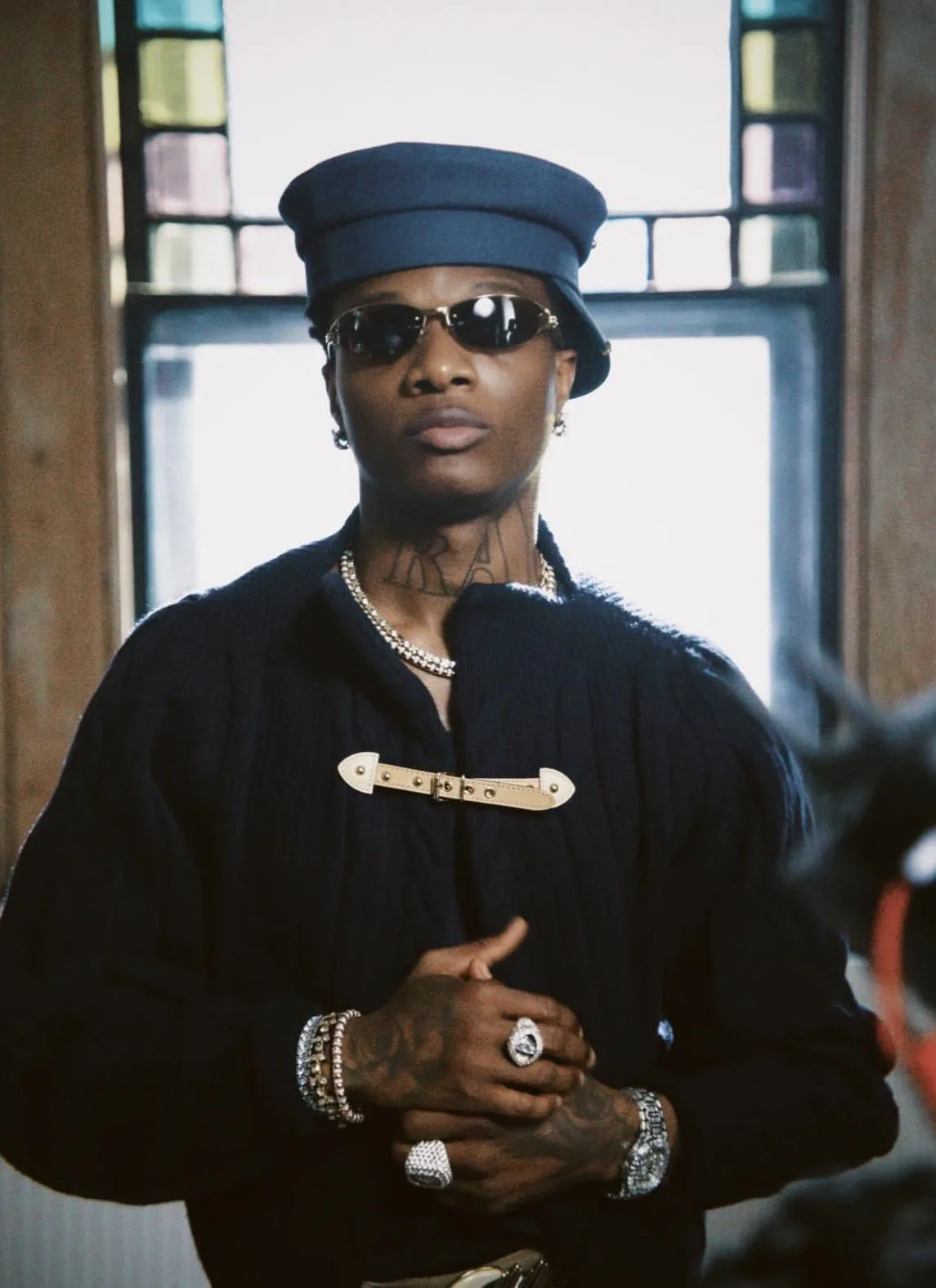
Few artists embody this tension better than Wizkid. Early in his career, his music carried the vibrant pulse of Nigerian pop music at its most energetic and youthful. There was a rawness and accessibility to his records in his early career that resonated with fans.
But over time, especially as his global profile expanded, his sound evolved into something laid back, less gritty, and heavily influenced by R&B and pop textures. To some listeners, this transition was greatly understood and embraced. To others, it was a “fall-off.” Even now, some fans romanticise the version of Wizkid who made energetic, street-adjacent Afropop records.
Yet with his sixth studio album, Morayo, alongside his consistent hits, it became obvious that the Afrobeats heavyweight is still capable of making those kinds of songs if he wants to. While he no longer seems interested in centring that version of himself, his current music reflects peace, intimacy, romance, luxury, and emotional ease.
Street-pop star Seyi Vibez also experienced similar reactions with the release of his seventh studio album, Fujimoto, which leaned further into global pop structures and cross-continental experimentation.

While his international relevance continues to grow, parts of his local audience struggle to connect with his music, which feels less rooted in the sonic textures that initially made him excited locally. Yes, the ambition is clear: global domination requires adaptability. But the more universally accessible the music becomes, the more some listeners feel it loses cultural resonance.
Afrobeats today exists in a difficult position: it no longer operates as a local genre but as a global export industry. Where the music becomes more accessible and relatable to audiences across other continents, and artists feel pressured to smooth out the rough local edges that once defined their sound.
Fans generally claim to want artists to evolve, yet the evolution is only celebrated when it still feels familiar. The moment experimentation becomes too unfamiliar, audiences begin to resist it, and this discomfort is interpreted as a decline. A familiar terrain that artists like Adekunle Gold once surmounted.
Grammy Award-winning singer Burna Boy has, in recent years, navigated this exact tension. His willingness to constantly reshape his sound has occasionally led to periods when audiences are unsure where he is headed creatively.

Projects like No Signs of Weakness initially receive lukewarm reactions locally, only to later be globally embraced more positively with time. While the creative juice behind the album is debatable, the issue isn’t just about quality but also about expectations. Audiences not only want growth but also continuity.
Artists, meanwhile, often become creatively restless. The version of themselves that fans desperately want preserved is usually the exact version they are trying to outgrow.
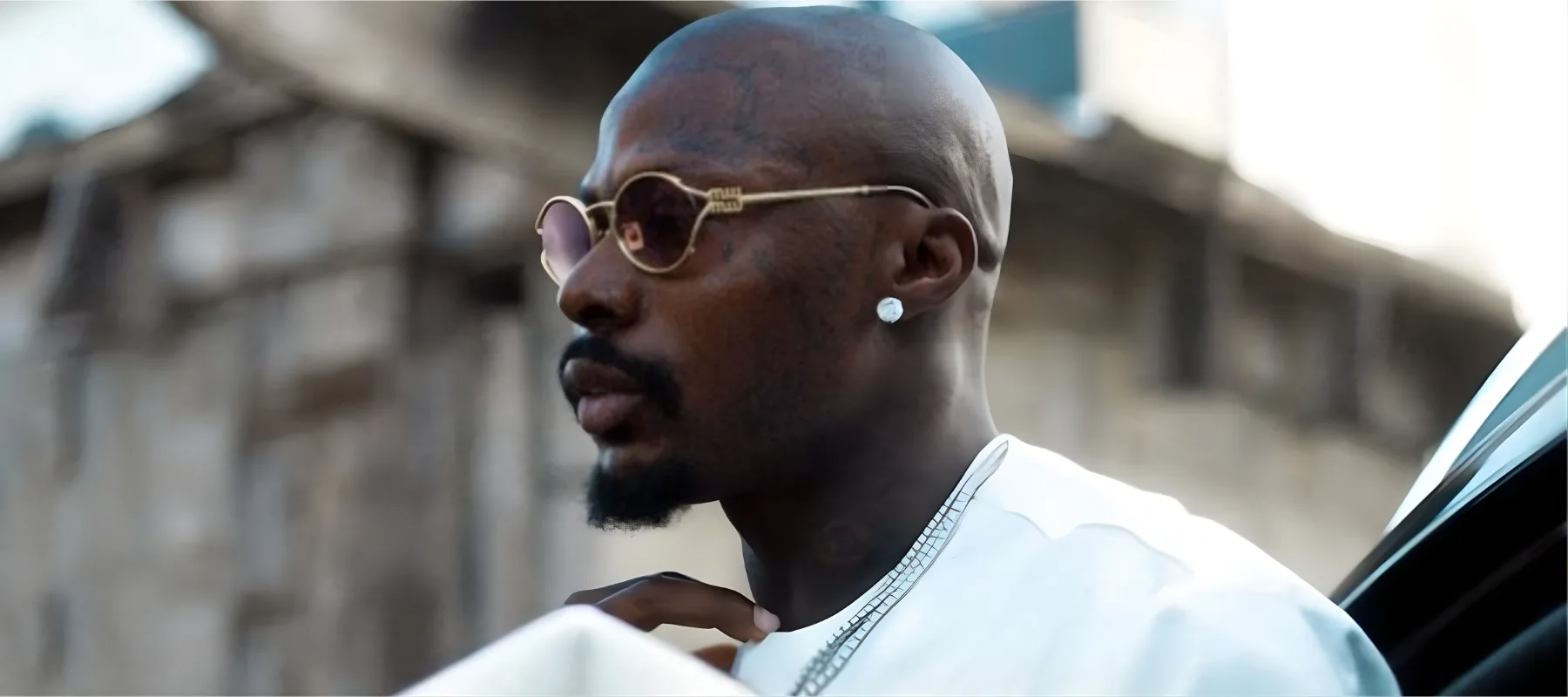
Perhaps no recent artist reflects this conversation more intensely than Asake. His breakout era was built on raw energy, street philosophy, Fuji influences, chaotic ambition, and deeply relatable themes about love, survival and aspiration.
But as his success accelerated, the effect is evident in both his image and sound. With his new album, M$NEY, conversations emerged about whether the music still carried the same emotional weight. To some listeners, Asake no longer sounds like the dreamer aspiring to enter global conversation. His music now reflects someone who has already won.
It is not a deep album, he’s just happy to be where he is. And that my brother is a good fucking place.
— ODINAKA. El Toro. (@TheAjibolaGrey) April 30, 2026
And perhaps that is the real issue where relatability is often tied to shared struggle. Audiences emotionally invest in artists because they see fragments of their own realities reflected in them. But once the artist transcends those realities, maintaining that emotional mirror becomes difficult.
Still, it would be unfair to reduce these moments entirely to “falling off” or decline. What is often referred to as an artistic failure due to a lack of hits or a commercial dip is sometimes simply a misalignment between where the artist currently is and where the audience expects them to remain.
Fans often freeze artists in time. They become attached not just to songs, but to eras, and specific versions of the artist that soundtrack certain periods of their own lives. Any deviation from that image can feel almost personal.
But no artist can permanently remain in the same emotional space. The hunger that creates great art in one phase of life may disappear in another. An artist like Fireboy, who once made an album like Laughter, Tears and Goosebumps, cannot realistically continue making such releases years after seeing the world.
As Afrobeats continues expanding globally, these tensions will only become more visible. More artists will experience the complicated transition from local dominance to international relevance. Fans also will struggle with the feeling that the music no longer belongs to them in the same way. And more conversations about “falling off” will actually be conversations about emotional distance.
And this doesn’t necessarily imply a decline in their artistry. But sometimes they simply move into a different life, mindset, audience, and eventually, a different sound. And perhaps that is the hardest thing for fans to accept: that artists are also regular people who deserve to make music inspired by how they feel in the moment.